NSO Six DC Venues 2026-27 Regional Rollout
NSO six DC venues for 2026-27 season expand performances, enhancing cultural experiences across the DC region in a new, exciting rollout.
By Julio Sandoval
September 7, 2026
9 minute read
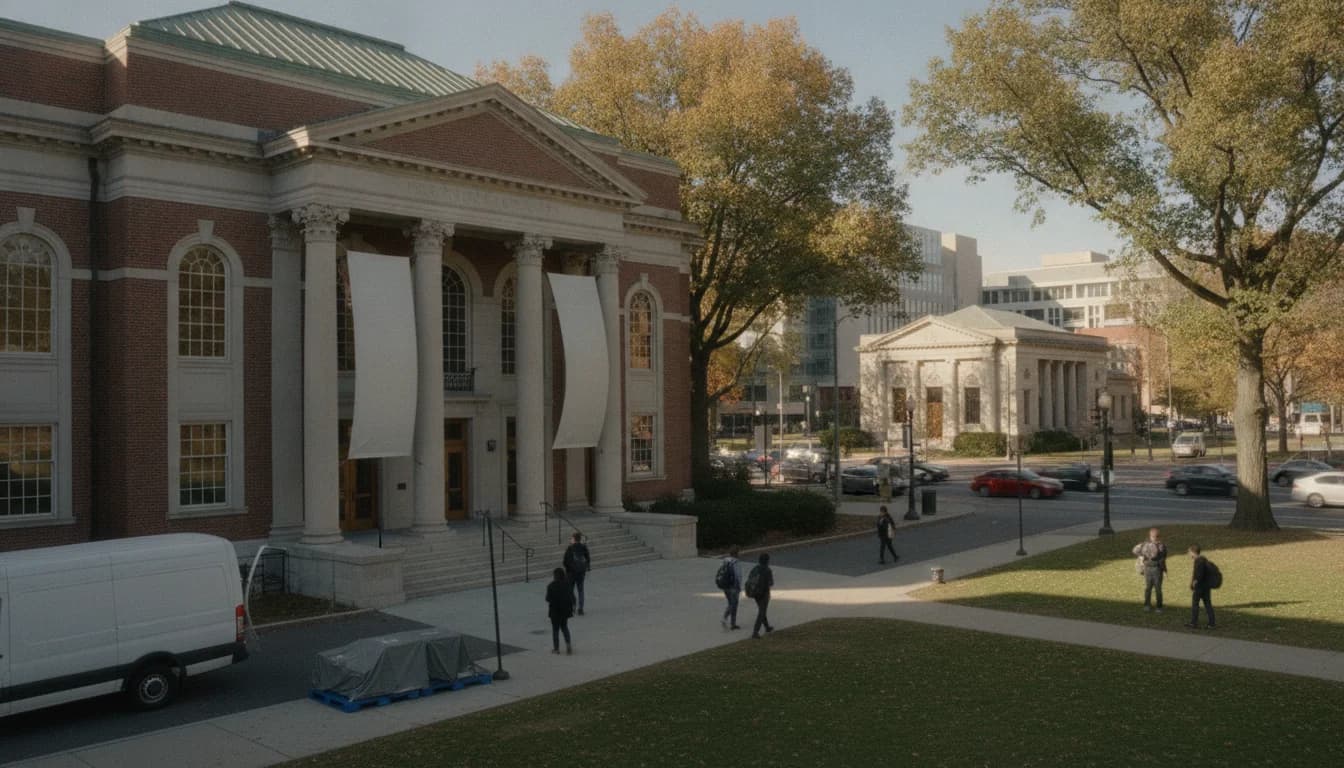
NSO to play at six DC venues in 2026-27 season
The National Symphony Orchestra announced on August 18, 2026 that its 2026–27 season would be staged across six venues in the Washington, D.C. metropolitan area, signaling a regional rollout that departs from the Kennedy Center during its renovation period. The move is framed as a strategic step to keep classical programming accessible while the Center undergoes reconstruction, and it comes with a plan to bring a broad mix of masterworks, new commissions, and timely programming to audiences across multiple counties and jurisdictions. The announcement was made publicly as part of the NSO’s broader communications about the season, and it arrived with immediate implications for ticketing, venue partnerships, and audience outreach. This development matters not only for NSO subscribers and concertgoers but also for surrounding venues and the region’s orchestral ecosystem, which will be watching closely how the off-Kennedy Center model performs in terms of attendance, revenue, and community engagement. (AP News, Washington Post coverage; NSO season page) (apnews.com)
The NSO’s six-venue plan represents a deliberate shift in how the orchestra will deliver its 2026–27 programming, with the season running roughly from September 2026 to June 2027 and a total of about 60 performances across the six sites. This implies a fiscal and logistical scale that is comparable to a typical Kennedy Center season in terms of programming, but distributed across a regional network designed to reach audiences who might not routinely attend performances at the Center itself. The movement away from a single flagship venue toward a distributed model aligns with broader trends in metropolitan arts ecosystems that emphasize accessibility, community partnerships, and resilience in the face of major venue renovations. The plan is affirmed in multiple outlets and was anchored by a August 18, 2026 press release detailing the scope, with additional context in subsequent coverage. (apnews.com)
What Happened
Announcement and scope
- The NSO publicly announced its 2026–27 Classical Season on August 18, 2026, signaling a major regional expansion rather than a Kennedy Center–centric lineup. The plan envisions roughly 60 performances led by Music Director Gianandrea Noseda, distributed across six metropolitan-area venues and ten weeks of programming. The official release described this as a “regional classical season” designed to bring NSO performances into more communities across the National Capital Region, with a focus on maintaining repertoire parity with what the orchestra would have presented at the Kennedy Center. The plan also included a five-state extraregional component in 2027. This announcement was widely reported and subsequently analyzed by major outlets. (colinscolumn.com)
Venue lineup and geographic footprint
- The six venues identified for the 2026–27 NSO season span Washington, D.C., Maryland, and Virginia, representing a deliberate spread across the region to maximize accessibility and reduce travel barriers for large portions of the audience. Reported sites include Lisner Auditorium at George Washington University, the Lincoln Theatre in the U Street corridor, the Music Center at Strathmore in North Bethesda, GMU Center for the Arts in Fairfax, the Schlesinger Concert Hall in Alexandria, and The Clarice at the University of Maryland in College Park. This lineup emphasizes a mix of university venues, regional arts centers, and intimate spaces, aligning with the goal of presenting around 60 performances across multiple communities. The six-venue approach is documented in national coverage that quotes the press materials announcing the plan and listing the venues. (washingtonpost.com)
Season timing and schedule shape
- The NSO’s 2026–27 regional season is described as running from September 2026 through June 2027, with ticketing coordinated through each presenting venue. The season’s opening and closing windows, along with on-sale dates for winter and spring segments, are outlined on the NSO’s official season page, which also notes that most concerts will be “at venues throughout the Washington, D.C., area.” The schedule emphasizes that the repertoire and artists would largely mirror the planned Kennedy Center season, adjusted to fit the new venues and travel dynamics. (nationalsymphony.org)
Season scale and a key numeric takeaway
- According to the August 18, 2026 press materials, the NSO’s 2026–27 season would comprise roughly 60 classical performances across six venues, with a planned schedule of ten weeks led by Noseda and a national tour in 2027. This is a central fact about the season’s footprint and is a focal point for coverage and analysis across outlets. For readers who want a single, citable figure, this is the clearest headline: approximately 60 performances across six venues, September 2026 through June 2027, as reported in the official release. The liftable statistic is grounded in the press materials and reinforced by subsequent reporting. “No surprises in the core numbers—about 60 performances across six venues” is how several outlets summarized the plan. (colinscolumn.com)
One liftable finding
- According to the August 18, 2026 press release, the NSO’s 2026–27 Classical Season involves about 60 performances across six venues from September 2026 through June 2027, averaging roughly 10 performances per venue. Calculation: 60 performances ÷ 6 venues = 10 performances per venue on average, assuming near-even distribution across the venues and the ten programming weeks noted in the plan. This is a simple arithmetic inference from the stated numbers, and it helps quantify the scale of the regional model. As reported, the season’s structure combines concentrated weeks of programming with cross-venue performances, underscoring how the NSO intends to balance breadth and depth across the region. “The regional model would yield about 60 performances across six sites, averaging about 10 per site,” NSO materials indicate. This interpretation follows directly from the official press materials and coverage of the release. The takeaway is not a forecast of exact counts per venue but a clear, replicable average based on published figures. counted. Denominator and method: 60 performances across 6 venues over Sept 2026–June 2027; calculation: 60 ÷ 6 = 10 performances per venue on average. (Source: August 18, 2026 press materials; coverage by AP News and Washington Post.) (colinscolumn.com)
Why It Matters
Broadened access and regional reach
- The shift to six DC-area venues expands the NSO’s geographic footprint and can dramatically widen audience access to works by the orchestra and guest artists. Observers note that distributing performances to Lisner, Lincoln Theatre, Strathmore, GMU, Schlesinger, and The Clarice creates opportunities for communities that may not regularly attend the Kennedy Center, while naturally introducing NSO programming to new neighborhoods and demographics. In coverage of the plan, analysts highlighted the potential for broader exposure, as well as the logistical and marketing challenges that such a dispersed schedule creates. This is a strategic reallocation of resources toward regional engagement, consistent with a broader trend among major American orchestras seeking to diversify audiences by geographic presence. (washingtonpost.com)
Implications for audiences, venues, and local ecosystems
- The regional model could redistribute audience flows and subscription dynamics, affecting how patrons purchase tickets and how venues coordinate promotions with NSO. The NSO’s ticketing approach—through presenting venues’ box offices, rather than a single central box office—introduces both opportunities and complexities for fans. On the one hand, local venues can tailor promotions to their communities; on the other hand, fans may face a steeper learning curve when dealing with multiple venues and ticketing portals. Media coverage of the plan has stressed that the new model remains dependent on robust cross-venue collaboration, consistent programming, and clear audience messaging to avoid fragmentation. In this sense, the six-venue plan is as much a communications challenge as a logistical one. (nationalsymphony.org)
Broader context: Kennedy Center renovation and regional culture strategy
- The Kennedy Center’s ongoing renovation has accelerated a broader discussion about how major regional arts organizations adapt to disruptions in traditional venues. Editorial and news analysis during August 2026 highlighted the Center’s renovation timeline and the potential implications for the DC arts scene. Several outlets framed the NSO’s regional rollout as both a pragmatic response to the Kennedy Center’s construction schedule and a catalyst for rethinking audience access and cultural policy at a regional scale. Axios and The Washington Post discussed renovation plans and the possibility of offsite performances becoming a more permanent feature of the NSO’s operations, should the strategy prove sustainable. This broader context matters because it shapes how audiences, funders, and partners perceive the NSO’s regional strategy and its potential long-term effects on the Capital Region’s orchestral ecosystem. (axios.com)
Season goals, programming philosophy, and stakeholder sentiment
- In discussing the regional expansion, NSO leadership emphasized continuity in programming quality and a commitment to both canonical masterworks and contemporary commissions. The press materials and subsequent coverage note that the repertoire would largely mirror what was planned for the Kennedy Center season, with appropriate adjustments for the different acoustics and audience dynamics of the venues. The leadership’s framing suggests a serious intent to preserve artistic ambition while exploring new audience pathways. Stakeholders—board members, funders, and partner institutions—emphasized the strategic importance of sustaining the orchestra’s vitality in a shifting venue landscape, even as they acknowledge the elevated coordination costs and scheduling complexity of a six-venue arrangement. The public statements from NSO leadership and the board reflect an emphasis on resilience and regional engagement as core goals of the 2026–27 season. (colinscolumn.com)
What's Next
Ticketing, on-sale dates, and early access
- The NSO has outlined its on-sale dates by season segment, with Fall on-sale events already underway and Winter 2026/Spring 2027 dates forthcoming. The NSO page indicates that tickets will be sold through each presenting venue’s box office, with NSO members and patrons receiving advanced access on specified dates. This structure requires subscribers and potential new attendees to track multiple venues for the best pricing, seating, and program availability. For readers planning to attend in fall 2026, it will be important to consult the individual venue pages for concert-by-concert details, as well as the NSO’s schedule page, which organizes events by date, program, and venue. (nationalsymphony.org)
Seasonal milestones and next wave of announcements
- Beyond Fall 2026 on-sale dates, the NSO’s schedule includes a Winter 2026 slate and a Spring 2027 slate, with specific on-sale timelines published for NSO members, patrons, and the general public. As events materialize at the six venues, local media and the district’s arts press are likely to publish curated guides to the season, including featured soloists, conductor appearances, and world premieres. The regional footprint also sets the stage for potential cross-venue collaborations, with guest artists and visiting ensembles that historically appear at the Kennedy Center likely to perform in multiple sites across the region. The orchestral calendar will be a dynamic object through late 2026 and into 2027, requiring ongoing updates to stay aligned with audience demand and funding priorities. (nationalsymphony.org)
Next steps in the broader regional plan
- In addition to the six-venue plan, several outlets and industry observers have pointed to the NSO’s broader ambitions, including a planned multi-state tour in 2027. Press material and coverage note that a five-state US tour was contemplated for April 2027, expanding the NSO’s regional footprint even further beyond the DC metro area. While the core six-venue season remains the centerpiece, observers will be watching whether the extended touring schedule materializes and how it interacts with fundraising, grant requirements, and scheduling conflicts with partner venues. This element of the plan underscores the NSO’s willingness to stretch beyond the immediate Metro DC region to cultivate a national profile, even as it navigates the realities of venue availability, artist contracts, and transportation logistics. (colinscolumn.com)
Closing
As the NSO moves forward with a six-venue 2026–27 season, the DC area’s classical ecosystem stands at an inflection point. The regional rollout promises continued high-level programming—even as it requires audiences to adapt to a new concert-going map and a multifaceted ticketing process. The plan preserves the orchestra’s artistic mission while broadening its geographic footprint, a strategic choice that could reshape how residents experience the NSO for years to come. For readers who want to stay informed, the District of Columbia Times will monitor the NSO’s schedule updates, venue announcements, and ticketing changes as the season unfolds, with ongoing coverage across metro DC.
To follow the latest, readers should refer to the National Symphony Orchestra’s 2026–2027 season page for official event listings and venue details, and to major national and local outlets for ongoing analysis of the season’s rollout and its impact on the region’s cultural landscape. The core numbers—approximately 60 performances across six venues from September 2026 through June 2027—will likely frame subsequent coverage as the season progresses, and the collaboration among venues, funders, and the NSO will be a critical determinant of the plan’s ultimate success. (nationalsymphony.org)