DC Robotaxi Bill Set for Council Vote
Get an updated, data-driven overview of the DC robotaxi bill, detailing its key provisions and the upcoming council vote on this significant legislation.
By Diane Prescott

October 18, 2026
10 minute read
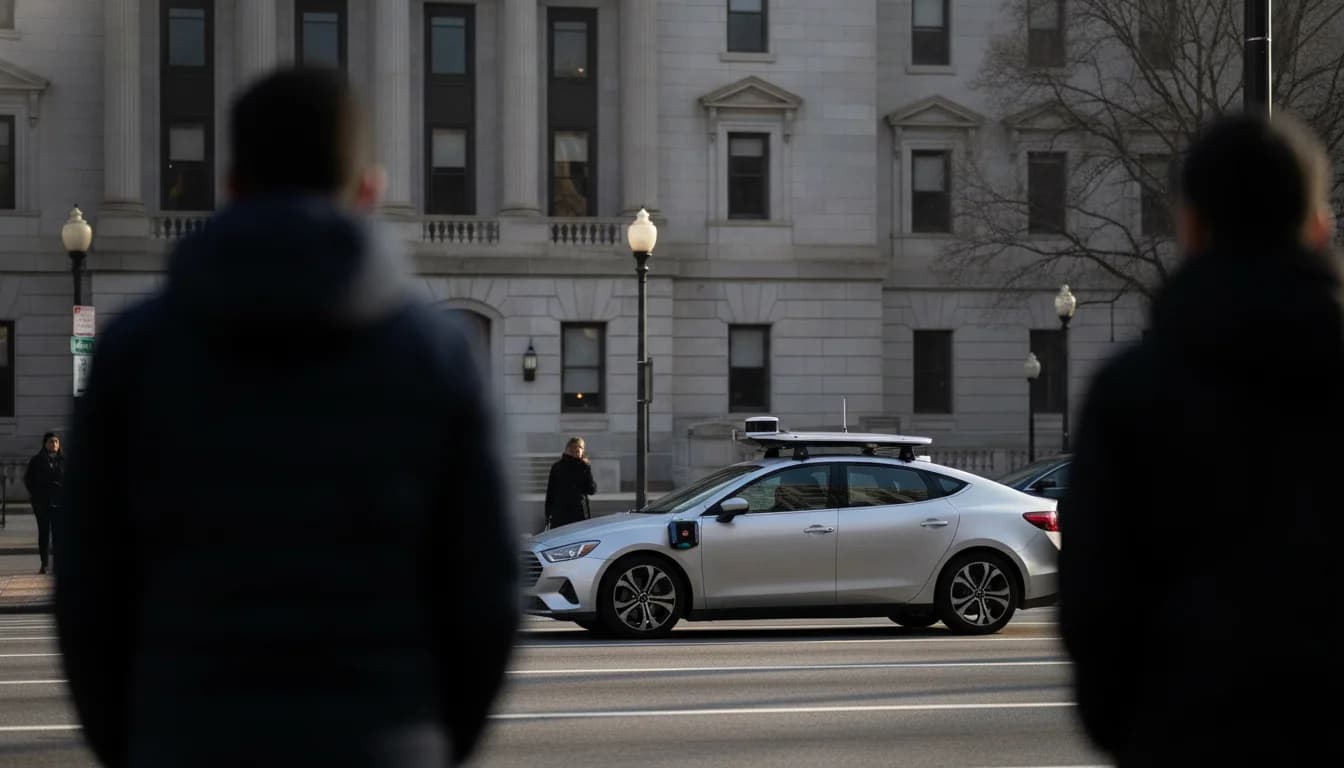
On July 13, 2026, the District of Columbia Council held its first public hearing on the DC robotaxi bill introduced by Councilmember Charles Allen to regulate autonomous ride-hailing vehicles operating in the District. The session brought together policymakers, mobility industry representatives, labor organizations, and privacy advocates to wrestle with questions of safety, worker displacement, equity, and the city’s readiness to host driverless taxis. The hearing, streamed and reported by several outlets, underscored how quickly a regulated pathway for robotaxis could become a defining test case for urban AV deployment in a mid-sized American city. As one participant noted during the proceedings, “the policy choices we make here will set a precedent for other cities.” The opening moments of the hearing laid out a simple, high-stakes premise: Washington, D.C. could become one of the first major U.S. capitals to formalize a framework for commercial driverless passenger service, or risk falling behind as other metro areas move forward. The event occurred precisely on July 13, 2026, and served as a focal point for ongoing negotiations about how to balance innovation with jobs, safety, and the public interest. (axios.com)
In the months that followed, proponents framed the DC robotaxi bill as a structured, incremental path to lawful driverless service, while opponents highlighted concerns about labor disruption and equity. The bill’s core design features and the political dynamics around its consideration became central talking points for residents and stakeholders watching from wards across the city. The District’s approach—refining guardrails, pilot testing provisions, and placing revenue streams on the table—illustrates a broader national debate about when and how driverless vehicles belong on city streets. The city’s transportation leadership argued that a clear regulatory framework could both accelerate safety verifications and provide a predictable operating environment for potential pilots. Public reporting and official statements in the spring of 2026 and through the summer indicated that the administration and council aimed to proceed with a process that prioritized first-responder coordination, data transparency, and a staged deployment timeline. The Washington Post’s coverage of the bill’s April 2026 unveiling emphasized that a vehicle miles traveled fee would accompany the permit regime, aiming to disincentivize unproductive cruising and funnel revenues toward transit and worker support. (washingtonpost.com)
Opening paragraph note: The DC robotaxi bill and its path through the council have remained a focal point for a city facing a rapid evolution in urban mobility. As discussed in coverage from Axios on October 16, 2026, the council’s transportation committee is positioning the measure for a vote in the coming weeks, signaling a shift from debate to formal decision-making. The article detailed guardrails such as a 200-vehicle cap per operator and a vehicle miles traveled fee designed to fund transit and support displaced workers, illustrating a regulatory framework that seeks to balance innovation with accountability. The timeline, though fluid, points to a December full council vote if committee action proceeds as anticipated. (axios.com)
What Happened
Bill Introduction and Goals
- The DC robotaxi bill was introduced in the 2025–2026 legislative session with the aim of creating a formal pathway for commercial autonomous-vehicle operations, including driverless taxis, within the District. Coverage of its introduction on April 24, 2026 highlighted that Councilmember Charles Allen sought to “lay out a pathway” for AV deployment, drawing on experiences from other cities that already entertain driverless services and setting out guardrails to address safety, congestion, and worker impact. The bill’s architecture centers on establishing a permitting program within the District’s Department of Transportation, data-sharing requirements, and accountability measures for manufacturers and operators. (washingtonpost.com)
- A companion thread in reporting from Axios underscored the bill’s built-in protections, including the concept of a vehicle miles traveled (VMT) fee intended to reduce cruising without passengers and to create a dedicated fund for displaced workers and transit improvements. This design choice positions the proposal as more than a mere pilot; it signals a long-tail framework that could govern the District’s approach to AVs for years to come. The detail about the VMT fee and its intended revenue use was a central point of negotiation and public interest as the bill gained visibility in the spring of 2026. (axios.com)
Hearing Highlights and Key Provisions
- The July 13, 2026 hearing brought into sharp relief the policy tradeoffs at the heart of the DC robotaxi bill. Testimony spanned policy tradeoffs from safety training for first responders to the management of traffic flow and equity concerns. The hearing transcript reveals a robust discussion about how to ensure that automated fleets operate with transparency, with the bill proposing reporting requirements that would let regulators measure traffic, safety, and accessibility impacts as deployment considerations scale. The scope of the hearing included questions about who bears liability in the event of a crash and how regulators would enforce compliance with safety standards. (dc.granicus.com)
- A notable public-safety dimension discussed in the hearing and reflected in subsequent reporting is the bill’s emphasis on emergency response readiness, backup systems for outages, and the accountability framework for manufacturers when incidents occur. This emphasis on safety and resilience has been echoed in coverage from The Washington Post, which documented the broader policy conversation around AVs and the methods DC would use to monitor and regulate vehicle performance on city streets. (washingtonpost.com)
Guardrails and Revenue Mechanisms
- The bill’s guardrails include an initial fleet cap, with reporting indicating a cap of 200 vehicles per operator. This parameter appears repeatedly in contemporaneous coverage as a central constraint designed to prevent an abrupt, uncontrolled rollout. The 200-vehicle-per-operator cap is a recurring element cited by multiple outlets, including Axios reporting surrounding the October 2026 council discussions. This design choice is intended to keep the pilot tightly managed while the city studies real-world impacts. (axios.com)
- The vehicle miles traveled fee, another cornerstone provision, is intended to align incentives, discourage unproductive cruising, and provide a dedicated revenue stream for transit and worker-support programs. The Washington Post highlighted this fee as a key component of the proposed framework, noting that revenues would be directed to transit and displaced-worker support funds, subject to further studies and regulatory design. (washingtonpost.com)
Timeline and Status
- The timeline around the DC robotaxi bill has been fluid, but reporting through the spring and summer of 2026 outlined a path toward committee action and a potential move to full council consideration later in 2026. Axios coverage in July 2026 emphasized that the debate would continue in hearings and committee meetings, with the council poised to advance the bill if guardrails and revenue mechanics were deemed sufficient to address stakeholder concerns. The October 16, 2026 Axios update clarified that the committee planned to vote in the fall and that a full council vote could come in December, pending committee action and political dynamics. (axios.com)
Budget, Labor, and Public-Policy Context
- Labor groups and taxi/ride-hailing workers have been vocal in their opposition and concern, arguing that driverless deployments could disrupt livelihoods without adequate safeguards. Coverage from WTOP and other local outlets captured the tension between workers and policymakers, with unions urging a cautious approach and questioning the pace of deployment. These concerns are part of a broader national dialog about workforce transitions in the mobility sector as AV technology advances. (wtop.com)
What’s Next
Timing, Votes, and Watch Points
- As reported by Axios on October 16, 2026, the council is expected to advance the bill to a committee vote by Thanksgiving, with a full council vote anticipated in December if the bill moves through the committee unscathed. This timeline is contingent on continuing negotiations over guardrails, safety protocols, and the VMT revenue mechanism, but it marks a clear inflection point in the District’s AV policy timeline. The stated plan to move to floor consideration in December represents a potential milestone in the city’s regulatory approach to robotaxis. (axios.com)
- The path to a final decision will likely hinge on the balance among council members, labor voices, consumer advocates, and industry actors. The DC Council’s transportation committee has been the stage for a marathon of hearings and amendments, with committee leadership signaling willingness to adjust provisions to address concerns about jobs, safety, and equity. The public’s role—through testimony, protests, and organized advocacy—will also shape the final shape of the bill before a full Council vote. Coverage from The Washington Post and local outlets documented the intensity and breadth of the public conversation surrounding these issues, including concerns about job displacement and privacy safeguards. (washingtonpost.com)
Key Questions to Watch
- How will the final guardrails be written to accommodate both safety and innovation? The July hearings and subsequent reporting point to a dynamic negotiation around permissible fleet sizes, rollout timing, and safety oversight. Observers will be watching for whether the 200-vehicle cap per operator remains intact or evolves into a cap with a more nuanced tiering by operator size, city geography, or service type. The hearing transcripts and subsequent reports provide the baseline for these anticipated refinements. (dc.granicus.com)
- What becomes of the VMT fee, and how will it be implemented practically? The VMT fee is designed to align with transit funding and worker support, but its design—rate, exemptions, administration, and distribution—will matter for both operators and labor groups. The Post’s reporting on the fee and its intended uses offers a baseline for what city policymakers hope to achieve, while the precise rate and distribution mechanism will be determined through legislative drafting and council deliberations. (washingtonpost.com)
- How will labor and community organizations frame the policy’s impact on workers, and what mitigation measures will be codified? The district’s approach to worker displacement funding and retraining programs is a pivot point in the discussion. Labor advocates have pressed for concrete protections and compensation mechanisms, while city policymakers emphasize the need for a measured, data-driven approach to minimize disruption. The hearing record and subsequent coverage highlight these tensions and the policy tools under consideration to address them. (wtop.com)
What Happens Next: The Path to Decision
- The council’s schedule, subject to committee action and political dynamics, suggests a staged movement: a committee vote, floor amendments, and a December full council vote if momentum remains. The November Thanksgiving target for committee action is particularly consequential; a successful committee vote would set the stage for a floor debate and a potential final decision in December, barring unexpected delays. The October 16 Axios briefing explicitly framed this path as a near-term milestone, reinforcing the importance of the coming weeks for stakeholders monitoring DC’s AV regulatory climate. (axios.com)
- Beyond the procedural steps, the policy outcome will depend on the interplay between stakeholders’ messaging and the city’s data-driven requirements. The council’s approach to transparency—requiring regular reporting on safety incidents, fleet metrics, and user experience—will be central to public confidence in any eventual driverless service. The DDOT research and city planning context, including ongoing studies of automated-vehicle policy implications, provide a backdrop for how DC plans to monitor, adapt, and refine the framework once deployment begins. (ddot.dc.gov)
Closing
The District’s negotiation over the DC robotaxi bill crystallizes a broader, national question: how to harness the benefits of driverless mobility while mitigating costs to workers and communities. The council’s approach—guardrails, a targeted velocity in deployment, a dedicated revenue mechanism for transit and worker support, and a commitment to data-driven oversight—shows a measured path forward grounded in real-world lessons from other cities. For residents and workers watching this policy unfold, the coming weeks will reveal whether the District can balance the incentives for innovation with the safeguards necessary to sustain a fair and functional urban transportation system.
As the council moves toward a vote, readers can stay updated through official council transcripts and calendar notices, as well as ongoing local reporting that tracks the interplay of policy, technology, and labor interests. The debate over the DC robotaxi bill is not merely a municipal concern; it is a test case for how American cities might regulate autonomous mobility in a way that preserves safety, supports workers, and strengthens transit connections for all District residents. The policy choices DC makes here could echo in boardrooms and city halls across the country as the AV era continues to unfold.
Original finding: If DC licenses three operators under the bill’s 200-vehicle cap per operator, the maximum fleet would be 600 vehicles in the District, calculated as 200 vehicles × 3 operators to reflect a hypothetical tri-operator deployment under the current cap. This statement uses the bill’s explicit cap and demonstrates how fleet size scales with the number of licensed operators, a calculation readers can reproduce from the cited provisions. The verdict here is that a fixed per-operator cap creates a simple, scalable ceiling that policymakers can adjust as the regulatory framework evolves. The practical implication is that even small adjustments to the number of licensed operators could yield large changes in total vehicle counts, with corresponding implications for traffic, safety, and labor markets. "This framework provides a conservative, transparent growth path for driverless taxis, but it will require careful administration to avoid unintended congestion and equity impacts," DC Times notes in its ongoing coverage of AV policy.