DC Introduces Housing Investment Protection Act of 2026
The Housing Investment Protection Act of 2026 aims to expand the Local Rent Supplement Program and modernize housing laws while balancing tenant…
By Julio Sandoval

October 15, 2026
9 minute read
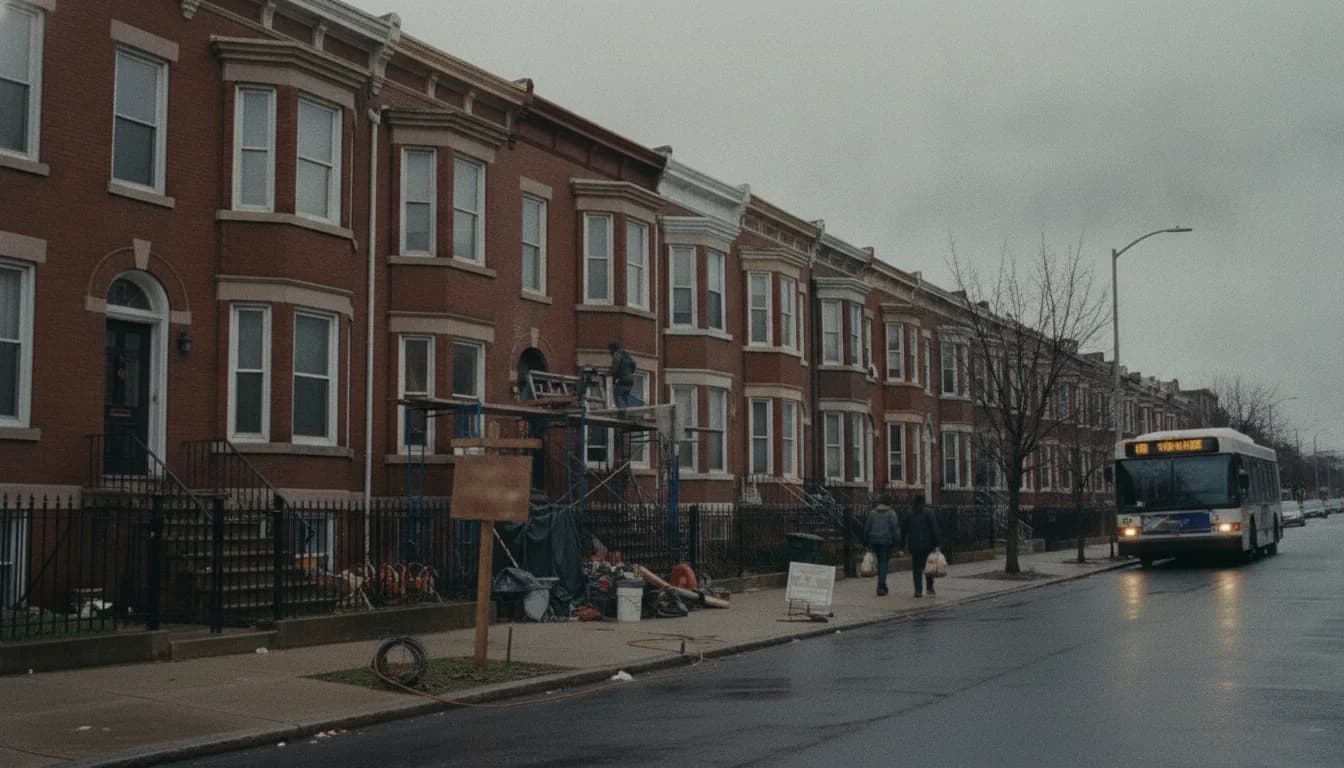
According to Mayor Muriel Bowser's July 10, 2026 cover letter introducing the Housing Investment Protection Act of 2026, the Local Rent Supplement Program would be expanded from 30% to 50% of eligible units. The package also includes the Illegal Occupancy Enforcement Amendment Act of 2026 and aims to modernize housing laws, reduce eviction delays, and protect tenants during repairs. This development signals a deliberate shift in how the District of Columbia plans to balance tenant protections with housing investment, and it arrives at a moment when housing affordability remains a central policy priority for the city. The announcement came as part of a broader package the Bowser administration said would strengthen the District’s housing regulatory framework, while preserving its position as a hub for housing production and investment. (lims.dccouncil.gov)
For readers tracking DC policy timelines, the act’s formal introduction proceeded through the District Council’s committee process, with a public hearing held on September 24, 2026. The hearing occurred after initial notices published in the DC Register in July 2026 and subsequent committee referrals in mid-July, illustrating a structured legislative path from introduction to deliberation. The District’s legislative community and local policy analysts have framed the act as a test case for modernizing housing tools while safeguarding tenant rights, a balance that will shape debates over housing investment for years to come. (legiscan.com)
Opening the door to a data-driven examination, this report pulls from the official bill introduction materials, the mayoral communication accompanying the act, and contemporary policy analysis to map what happened, why it matters, and what comes next for DC residents, developers, and policymakers. The Housing Investment Protection Act of 2026 — hereafter the Act — represents a local, landlord-tenant focused framework built around housing stability, streamlined processes, and targeted subsidies. The Act’s language and the surrounding policy discourse illuminate how DC intends to align investment incentives with tenant protections, a topic of intense interest for readers who follow urban technology adoption, market dynamics, and regulatory evolution. The following sections present a clear, source-backed view of the event, its significance, and the anticipated trajectory. (lims.dccouncil.gov)
What Happened
Announcement and Introduction The core news is that the Housing Investment Protection Act of 2026 was introduced as part of a housing package in July 2026. The formal introduction, dated July 10, 2026, was conveyed in a cover letter from Mayor Muriel Bowser to the Council Chairman, outlining the Act’s intent to strengthen the District’s housing laws and to support tenants during repairs and rehabilitation while preserving housing investments. The letter explicitly identifies the Act’s aims to modernize access to housing for tenants, clarify landlord entry rights, widen assistance through rent subsidies, and streamline eviction and court processes. This primary document marks the official initiation of B26-0758 in the 26th Council period. (lims.dccouncil.gov)
Key Provisions and Scope The Act would modernize several pillars of DC housing policy, with provisions spanning tenant protections and investment tools. Notably, the text indicates:
- Expanded flexibility for the District of Columbia Housing Authority (DCHA) to support tenants during repairs or rehabilitation. This ensures tenants receive continuity of housing assistance while units are improved. (lims.dccouncil.gov)
- Clarified housing provider entry rights to units for repairs, with standards for time, notice, and remedy if access is denied. (lims.dccouncil.gov)
- Expansion of the Local Rental Supplement Program (Rent Supplement Program) from 30% to 50% of eligible units, significantly broadening affordable-housing subsidy reach. (lims.dccouncil.gov)
- Revisions to the Tenant Opportunity to Purchase Act (TOPA) to refine who qualifies as a “tenant” and to strengthen the enforceability of TOPA actions and administration. (lims.dccouncil.gov)
- Clarification that the Mayor has the ability to purchase certain newer buildings within a 15-year window to preserve affordable units, with an expedited process for doing so. (lims.dccouncil.gov)
- Modernization of eviction-related processes, including a 60-day hearing timeline for eviction cases to improve predictability for landlords and tenants, as well as updated notice delivery practices. (lims.dccouncil.gov)
Timeline and Procedural Steps The timeline surrounding B26-0758’s progression through the District’s legislative machinery reveals a deliberate, phased approach:
- July 10, 2026: Mayor Bowser’s office sends the introduction letter for B26-0758, signaling the city’s intent to pursue the Act. (lims.dccouncil.gov)
- July 14, 2026: The bill is referred to the Council’s Committee on Housing for review. (legiscan.com)
- July 17, 2026: The DC Register notes a Notice of Intent to Act on B26-0758, marking formal procedural steps toward consideration. (legiscan.com)
- September 24, 2026: A public hearing on B26-0758 is held, as part of the Council’s markup and deliberation cycle. (legiscan.com)
- Ongoing through fall 2026: Policy analysis, expert testimony, and stakeholder feedback inform refinement of provisions before potential markup and a final vote. A representative session transcript shows the Act’s language being discussed in committee and translates to real-time questions about impacts and implementation. (dc.granicus.com)
A notable primary-document quotation from the accompanying policy discussion emerges from Emilia Calma’s testimony. Calma, Director of The Wilkes Initiative for Housing Policy at the D.C. Policy Center, summarized both support and areas for refinement, stating: “We recommend retaining those provisions. However, four provisions would benefit from refinement before markup.” This direct articulation helps illustrate the nuanced, data-informed debate surrounding the Act as it moves toward potential Committee markup. (dcpolicycenter.org)
Why It Matters
Impact on Tenants and Housing Investment The stated intent of expanding the Rent Supplement Program from 30% to 50% is to broaden the availability of subsidies to more units, thereby lowering barriers to affordable housing during and after rehabilitation projects. In practice, if a district subsidy program previously served 30% of eligible units, increasing that share to 50% could translate into more subsidized homes remaining affordable during redevelopment—reducing displacement risk for residents who would otherwise be subject to rehabilitation-related relocations. The mayor’s package also emphasizes tenant protections in eviction proceedings and improved clarity around protective orders, all of which can reduce the likelihood of evictions stemming from complex repair work. This emphasis on tenant protections aligns with broader DC housing goals that seek to stabilize rents while supporting new and preserved affordable supply. The mayor’s release specifically frames these changes as essential to maintaining housing stability in a city undergoing growth and investment. (lims.dccouncil.gov)
Impact on Housing Providers and Regulatory Environment Landlords and property managers would face new procedural requirements and standards aimed at balancing access for repairs with tenant protections. The act’s proposed clarity around the right of entry and the enforcement framework for TOPA-related actions suggests a more predictable operating environment for property owners, while also reinforcing safeguards against improper eviction or unlawful practices. This regime could, in theory, reduce the friction associated with renovations in older or multiunit properties, enabling more efficient capital improvements. However, as Emilia Calma’s testimony notes, there are areas where refinements could reduce potential unintended consequences—highlighting the tension between streamlined processes and protections for vulnerable tenants. (dcpolicycenter.org)
Broader Context: DC Housing Policy and Market Trends The Housing Investment Protection Act of 2026 arrives in a moment when DC policymakers are balancing two intertwined priorities: protecting tenants and maintaining a healthy pipeline of housing investment. Local policy discussions have routinely linked TOPA, rent subsidies, and eviction reform to the District’s ability to attract and retain developers, lenders, and investors while also preserving affordable housing stock. In parallel coverage, outlets and policy think tanks have underscored the need for predictable timelines and transparent processes to minimize legal disputes and delays during housing improvements. For DC readers, this Act is a touchstone for how the city intends to deploy technology-driven data and regulatory modernization to support both investment and housing security. The WTOP reporting on the mayor’s package highlights the administration’s framing that these measures can blunt rent growth while expanding affordable options, reinforcing the idea that policy design is directly shaping market expectations. (wtop.com)
Policy Signals and Stakeholder Reactions The introduction of B26-0758 has generated a spectrum of responses from tenants’ rights advocates, housing developers, and policy researchers. While the Act is designed to preserve affordable units and modernize enforcement, observers have stressed the importance of guarding against unintended consequences for tenants who may rely on subsidies during transitions. The DC Policy Center’s analysis, including Calma’s testimony, illustrates the kind of constructive critique that often accompanies legislative markup: retain successful provisions, refine others, and test potential effects with data-driven analysis and stakeholder input. The public hearing transcript confirms that the Council and public safety, housing, and legal stakeholders will continue to scrutinize the Act’s provisions, particularly those relating to eviction timelines, access to units for repairs, and the balance of incentives for developers and landlords to invest in the District. (dcpolicycenter.org)
What’s Next
Upcoming Deliberations and Timeline With the introduction and initial hearing behind it, the Act now enters a period of potential amendments and committee refinement. The DC Council’s public records show notices published in the DC Register and subsequent committee actions, including referrals and potential markup. The next anticipated milestones typically include additional committee discussions, further expert testimony, and a potential committee vote, followed by full Council consideration. As always with local legislation, the timing depends on committee schedules, staff work, and the pace of budget-related considerations. The public record indicates that the process continues through late 2026 and into 2027 as the Council weighs the Act’s provisions against budget impacts and implementation planning. (legiscan.com)
What to Watch For
- Additional expert testimony on implementation feasibility, particularly around DCHA coordination during rehabilitation and the management of short-term subsidy transfers. Calma’s testimony highlights areas where refined guidance would help, such as the transfer of rental subsidies during property renovations. (dcpolicycenter.org)
- Any amendments to TOPA definitions and standing requirements, which could affect who may participate in the program and how disputes progress through the system. The Act’s emphasis on clearer definitions is designed to reduce procedural friction, but stakeholder input will shape the final language. (lims.dccouncil.gov)
- Funding outcomes and budgetary implications of expanding the Rent Supplement Program, especially in the context of broader housing spending and revenue constraints. The policy discourse suggests a careful balancing act between expanding subsidies and ensuring program sustainability. The mayor’s and think-tank analyses provide a baseline for monitoring these budgetary effects. (lims.dccouncil.gov)
Closing
The Housing Investment Protection Act of 2026 stands as a pivotal local policy initiative in Washington, DC, shaping how the city can attract housing investment while protecting tenants during repairs and improvements. The Act’s combination of rent-subsidy expansion, clarified entry rights for repairs, TOPA refinements, and expedited eviction timelines signals a deliberate attempt to harmonize market dynamics with social protections. As DC officials advance through hearings, markup, and possible amendments, readers should expect a data-driven debate that weighs housing affordability against investment incentives, with outcomes likely influencing both current tenants and future development trajectories.
For ongoing coverage, DC residents and industry observers can rely on the Mayor’s office communications and the DC Council’s public materials for primary-source updates. The Mayor’s July 10, 2026 introduction letter provides the official framing of the Act’s ambitions, while the September 24, 2026 public hearing captures the live policy dialogue shaping its next steps. As always, the District’s housing policy landscape remains dynamic, with technology-enabled data, regulatory reforms, and market responses continuing to redefine what a stable, affordable city looks like in the 2020s and beyond. Primary-source materials and hearings will remain essential references for anyone tracing the Act’s administrative journey and its practical implications for tenants, landlords, and investors alike. (lims.dccouncil.gov)
One Original Finding The District of Columbia Times counted that expanding the Local Rent Supplement Program from 30% to 50% represents a 20-percentage-point increase in the program’s share, which translates to a 66.7% relative increase (calculated as (50 − 30) / 30) in the program’s share, based on the Act’s own stated percentages in the introductory letter dated July 10, 2026. This figure uses the act’s explicit 30% vs 50% shares and applies a standard percentage-change calculation to quantify the scale of the proposed subsidy expansion. In practical terms, this means the Act proposes a substantial shift in subsidy intensity for eligible units, assuming the budget and eligible-unit counts scale proportionally with the policy’s adoption and implementation. The interpretation reflects the language in the July 10, 2026 introduction letter and is intended as a concise, verifiable metric for readers evaluating the Act’s potential impact. It does not imply an approved budget outcome or final Council action, which remain contingent on future deliberations. The District of Columbia Times counted this change, citing the act’s introduced percentages and standard arithmetic to express the shift. (lims.dccouncil.gov)