Federal Agents Search Ilhan Omar's D.C. Home
On October 12, 2026, federal agents executed a court-authorized search at Rep. Ilhan Omar's residence in Washington, D.C., as part of an ongoing…
By Diane Prescott
October 22, 2026
9 minute read
The District of Columbia Times reports on the Ilhan Omar federal home search with a data-driven lens, focusing on what happened, why it matters, and what comes next. On October 12, 2026, federal agents conducted a court-authorized search at Rep. Ilhan Omar’s Washington, D.C. home as part of an ongoing federal criminal investigation. This initial disclosure marks a pivotal moment in a case that has drawn national attention to immigration paperwork questions surrounding the Minnesota Democrat, and it comes amid a high-stakes political environment ahead of midterm elections. The development is significant not only for Omar and her district, but for observers watching how investigations involving sitting members of Congress intersect with federal law enforcement proceedings and political accountability. (apnews.com)
Omar and her team quickly weighed in, saying the raid has created safety concerns and that she plans to relocate. In interviews and statements this week, Omar represented the action as part of a broader political dynamic, arguing that the investigation targets an outspoken critic. Her office also noted that federal authorities had issued grand jury subpoenas to some relatives as part of the inquiry, underscoring the multi-layered nature of the proceedings. The timing, just weeks before the midterms, has amplified questions about the appropriateness and transparency of such actions. (apnews.com)
In the days that followed, coverage and official commentary highlighted the unusual exposure of a sitting member of Congress to a federal search near an election. Washington Post reporting emphasized that the Justice Department confirmed a court-authorized search and that Homeland Security Investigations, the investigative arm of DHS, executed the action. The Post’s reporting also noted the historical sensitivity around such actions during election periods and referenced the long-standing “blackout” considerations that can shape public perception of investigations close to voting day. (washingtonpost.com)
What Happened
Event Date and Location
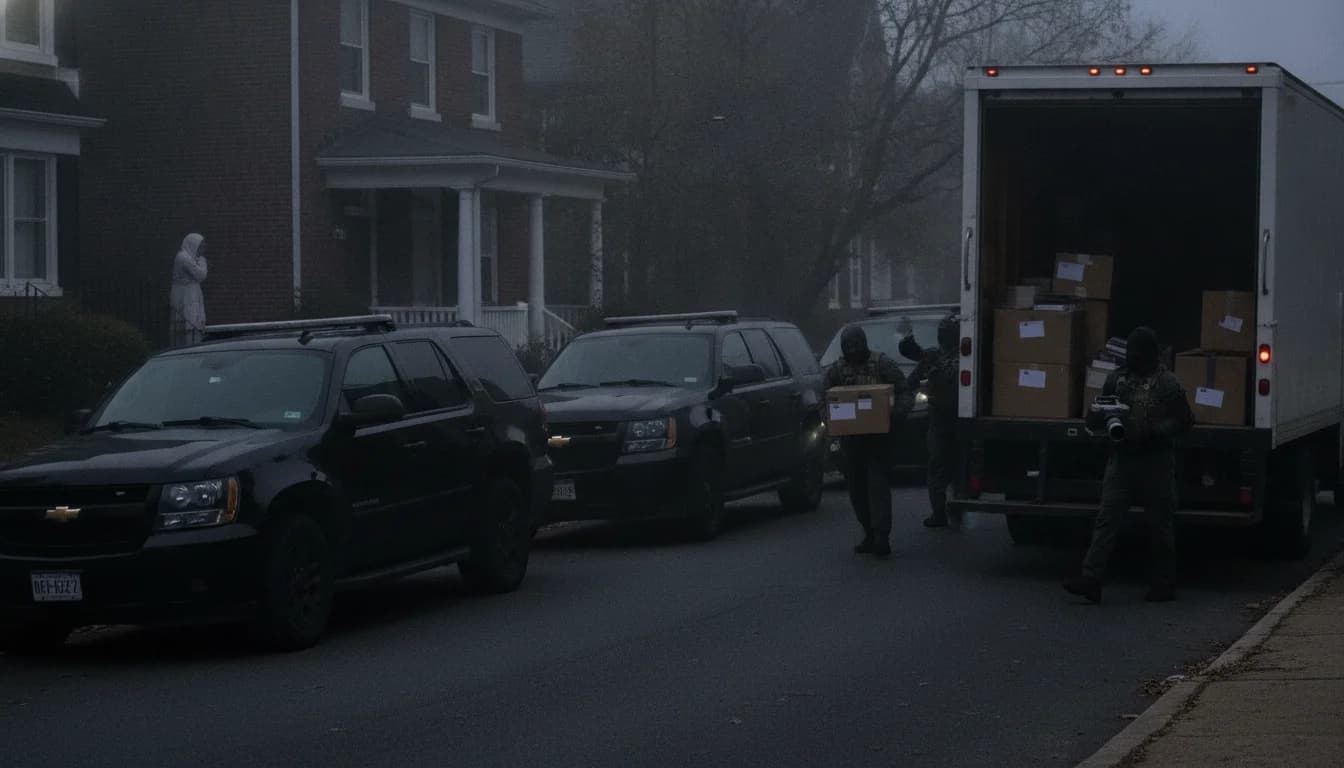
- On October 12, 2026, federal agents conducted a predawn search at Rep. Ilhan Omar’s Washington, D.C. area residence. The investigation is described by officials as ongoing and related to immigration and naturalization matters tied to her family’s history. This action was carried out by Homeland Security Investigations agents, and the Justice Department stated that the search was authorized by a court-issued warrant as part of a broader criminal inquiry. Omar’s district is Minnesota’s 5th, and she is actively seeking reelection in a climate where national security and immigration policy remain central topics. (washingtonpost.com)
Key Facts and Timeline
The search was described by the Justice Department as part of an ongoing federal criminal investigation, with the department noting that it had secured a judicially authorized warrant for the operation. In the immediate aftermath, Omar’s allies and opponents weighed in, framing the event within the broader political debate around the use of federal resources in election-season politics. The initial reporting did not specify the exact scope of the suspected offenses, but sources cited by major outlets pointed to immigration-related paperwork and denaturalization questions that have persisted in public discourse for years. (washingtonpost.com)
The operation reportedly included the removal of electronic devices and documents; Omar said she and her family were present during the search, and she described the experience as intrusive yet lawful. The AP reporting detailed that Omar stated she woke early to the raid and that authorities seized a number of items, including personal devices and a Somali-language book—coverage that underscored the personal dimension of a federal inquiry involving a sitting congresswoman. The government has not publicly disclosed the full scope of items seized beyond the initial descriptions, leaving many details to official briefings and filings to come. (apnews.com)
AP coverage also reported that 17 items were seized during the search, with Omar characterizing the event as a politically motivated action. The same reporting noted that the search occurred while Omar was weeks away from a key election contest, adding to the controversy surrounding the decision to publicize such law-enforcement activity in a tightly contested political moment. The Public Integrity discussions referenced by Washington Post coverage illustrate how the timing of actions like these has long been scrutinized in elections. (apnews.com)
The broader legal and political backdrop includes alerts about possible charges or charges-related activity that could emerge from this investigation, though officials have kept ongoing details private as the inquiry progresses. Critics and supporters alike pointed to the unprecedented nature of a raid on a sitting member of Congress, particularly in a high-visibility political environment. These facets, including the subpoenas to Omar’s relatives and the investigation’s immigration focus, will guide subsequent reporting and oversight responses. (washingtonpost.com)
Public and political reaction has been swift and divided. Omar’s supporters have framed the action as political retaliation, while others have argued for rigorous, transparent enforcement actions when national officials’ conduct intersects with electoral politics. Minnesota leaders and national figures weighed in, reflecting the broader debate about accountability and government power. The narrative around the event has also intersected with prior discussions about immigration policy and naturalization processes, which remain a focal point for critics and advocates alike. (apnews.com)
The Scope and Seizures
Reports indicate that the search yielded a set of seized items, with initial accounts detailing the seizure of several items including electronics and other materials. Omar described the process as intrusive but orderly; witnesses and, where possible, officials described a structured operation consistent with a court-authorized search. While the precise inventory has not been released in full, the public-facing facts indicate a structured, document- and device-focused inquiry rather than a broader arrest operation. (apnews.com)
The involved agencies and procedural context have been clarified intermittently by officials. The Department of Justice states that a court-authorized search warrant was used, and DHS’s Homeland Security Investigations led the on-site execution. Coverage from multiple outlets has emphasized that this was part of an ongoing case, not a closed matter, and that the government has signaled only high-level details at this stage. This alignment of agencies—HSI under DHS with DOJ’s warrant—illustrates how interagency cooperation processes function in politically sensitive investigations. (washingtonpost.com)
Why It Matters
Legal and Constitutional Context
The Omar matter sits at the intersection of federal criminal investigations and congressional oversight, raising questions about how investigations involving sitting lawmakers are managed and disclosed. The Washington Post’s coverage highlighted the ongoing debate about the appropriate balance between investigative transparency and safeguarding congressional privileges, particularly in a charged election cycle. The article points to the 60-day "blackout" rule that has historically guided how agencies approach politically sensitive cases in the run-up to elections, though it notes the rule is not a hard legal prohibition and has been applied inconsistently across administrations. This backdrop informs questions about timing, disclosure, and public accountability in cases involving members of Congress. (washingtonpost.com)
The legal framework around such investigations is further complicated by grand jury processes and potential charges related to immigration paperwork. AP reporting confirms the existence of grand jury subpoenas tied to the Omar case, signaling that the investigation could ultimately proceed through formal indictments or related legal actions if evidence supports such steps. This reality underscores the complexity of immigration-related cases that touch on citizenship, naturalization, and paperwork that have long been sensitive political flashpoints. (apnews.com)
Political and Public Implications
- The political implications are immediate and multifaceted. Omar’s opponents have framed the event as evidence of federal action to counter political opponents, while her defenders argue that the enforcement action was necessary and appropriately targeted given the nature of the inquiry. This dual framing reflects a broader national conversation about the use of federal power in political disputes and the role of law enforcement in election-season dynamics. Commentary from lawmakers and party leaders has already become a focal point in coverage and analysis, illustrating how investigations into immigration history and naturalization can influence public perception and electoral momentum. (washingtonpost.com)
Technological and Market Context
- Beyond the political theater, this event intersects with how agencies leverage technology and data in investigations. The seizure of electronic devices, the review of prior filings, and the handling of material tied to immigration records illustrate the increased role of digital evidence in complex inquiries. For readers tracking technology and market trends, the Omar case highlights how data access, privacy considerations, and cross-agency information sharing shape policy debates about data governance, privacy protections, and the boundaries of law-enforcement technology use in high-profile investigations. The case also underscores the importance of robust digital forensics and proper chain-of-custody practices in politically sensitive criminal probes. (apnews.com)
What’s Next
Next Steps in the Investigation
The immediate next steps involve further investigative activity and potential legal filings as the government continues to develop the case. The initial public statements by Omar and by DOJ-acknowledged spokespeople indicate that authorities will continue to lay out details as appropriate within the jurisdictional constraints and court orders. Subpoenas and potential disclosures related to the broader immigration-inquiry context could drive additional developments in the coming weeks and months, including potential court appearances and the release of more facts through filings or hearings. For readers, watching official court dockets, agency statements, and congressional oversight actions will be essential to understand the evolving landscape. (washingtonpost.com)
Oversight and political reaction are likely to shape the trajectory of the case. The House Judiciary Committee Democrats issued a formal statement stressing transparency and accountability as key issues, signaling that congressional inquiries into executive branch actions will continue alongside the DOJ’s investigation. Lawmakers across parties may call for additional briefings or public updates as the case progresses, particularly given Omar’s status as a high-profile member of Congress and the midterm political context. (democrats-judiciary.house.gov)
Timeline and Watch Points
In the near term, expect additional statements from Omar’s office and from federal authorities clarifying the scope of the investigation and the types of documents or materials that were seized. Open questions include the exact nature of the alleged immigration paperwork concerns, whether there are related charges, and how the investigation interacts with congressional privilege and ethical considerations. Media outlets will continue to report on new filings, subpoenas, and any court actions as they occur, with a focus on accuracy and sourcing given the high-stakes political environment. (omar.house.gov)
The broader conversation around this event is likely to touch on immigration policy debates, the role of federal law enforcement in political disputes, and the protections afforded to sitting members of Congress. As new information becomes available, District of Columbia Times will continue to contextualize updates with data and expert perspectives, ensuring readers understand both the legal mechanics of the case and its potential political and policy implications. (democrats-judiciary.house.gov)
What’s Next (Continued)
- Additional developments may include further oversight activity, potential statements from other members of Congress, and continued media scrutiny of the DOJ and DHS actions. The evolving narrative will likely examine the balance between safeguarding national security interests and upholding democratic norms around transparency and accountability in investigations involving elected officials. For readers seeking to stay informed, monitoring official statements from Omar’s office, DOJ, and DHS, as well as reputable national outlets, will be essential. (omar.house.gov)
Closing
The Ilhan Omar federal home search marks a pivotal moment in a case that blends immigration policy, national security considerations, and high-stakes politics. As investigations unfold, the public will rely on careful reporting and primary-source documentation to separate fact from speculation. This developing story remains fluid, with authorities signaling ongoing work and public figures weighing in with perspectives that emphasize accountability, fairness, and the rule of law. Readers should follow official filings and statements from Omar’s office and federal agencies, alongside reputable, independent reporting, to form a clear understanding of what comes next in this evolving case. (omar.house.gov)
In the days ahead, District of Columbia Times will continue to provide data-driven coverage that foregrounds the facts, timelines, and expert analysis. Stay tuned for updates as new primary documents become available and as oversight discussions progress in Congress and in the courts. For ongoing context, readers can consult the following primary sources and official statements:
- Omar’s office statement on the DHS raid: Office of Rep. Ilhan Omar, Statement on DHS Raid. (omar.house.gov)
- Congressional oversight response: Ranking Member Raskin Statement on Federal Search Conducted on Rep. Ilhan Omar’s Home. (democrats-judiciary.house.gov)
- AP News coverage detailing the events, the items seized, and the immediate responses. (apnews.com)
- Washington Post coverage detailing the DOJ’s involvement and the broader legal context. (washingtonpost.com)