DC Voters to Decide on Foie Gras Ban in 2026
Initiative Measure No. 86 will prohibit force-feeding birds and ban foie gras sales in DC, with early voting starting October 26, 2026.
By Julio Sandoval
October 26, 2026
10 minute read
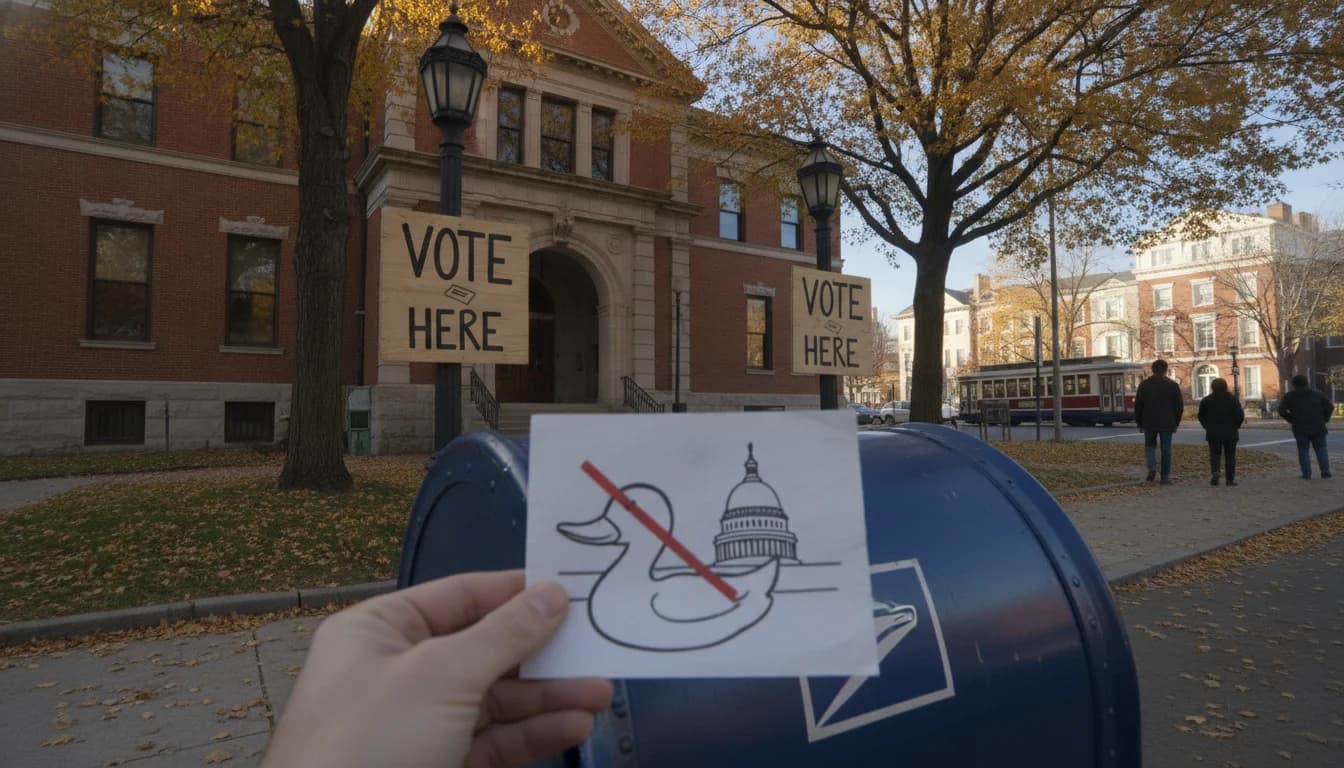
Voters in the District of Columbia will decide on Initiative Measure No. 86 this November, a ballot proposition that would prohibit the force-feeding of birds and ban the sale, distribution, and importation of foie gras and other fattened bird liver products in DC. The measure qualified for the November 3, 2026 ballot, and early voting in DC began on October 26, 2026—a development that has sharpened the focus on both the policy design and its practical implications for local markets and city systems. The District’s election board has released the formal formulations and fiscal analyses behind Initiative 86, and local press has begun reporting on how restaurants, suppliers, and consumers are responding to what could be one of the region’s most consequential culinary-policy questions in years. The news arrives at a moment when DC’s tech-enabled governance tools and regulatory enforcement capacity are under scrutiny as they relate to new public-procurement and public-safety responsibilities. This piece provides a data-driven snapshot of what happened, why it matters, and what comes next, with careful attention to primary documents that outline the policy’s scope, enforcement, and fiscal impact.
In the days ahead of early voting, public attention has focused on the underlying definitions and the enforcement architecture that would accompany any passage of Initiative 86. The District’s Board of Elections (DC BOE) has formalized the language, and the Office of the Chief Financial Officer (OCFO) has issued a fiscal impact statement detailing the price tag and budgetary considerations. This combination of ballot text and fiscal analysis helps readers understand not only the policy’s intent but also its operational footprint for city agencies and local businesses. The following sections synthesize those primary documents, supplemented by credible reporting from national and local outlets that contextualize the vote in a broader policy and market landscape.
What Happened
Timeline and Formulations: How Initiative 86 Took Shape Initiative Measure No. 86 is officially titled the Prohibiting Force-Feeding of Birds Act of 2026. The Board of Elections laid out the formulation process in early February 2026, including a public meeting to finalize the short title, summary, and legislative form. The meeting notice, published February 3, 2026, set the stage for a March 4, 2026 session where the board would finalize the exact ballot language and definitions. This documentation confirms the precise scope of the measure as it would appear to voters on the November ballot. The board’s notice specifies the core elements that would guide enforcement, including prohibiting force-feeding, banning sale of fattened-bird liver products, and establishing enforcement mechanisms through the Department of Energy and Environment (DOEE). It also defines several related terms to avoid ambiguity in application. See: DC Board of Elections – Notice of Public Meeting to Formulate Short Title, Summary Statement, and Legislative Form for Initiative Measure No. 86. (dcboe.org)
Text and Scope: What the Proposal Actually Says The formal language that underpins Initiative 86 confirms a broad prohibition: no force-feeding of birds, and no sale, distribution, importation, or receipt of any fattened-bird liver product within DC. The legislative text defines “fattened bird liver product” as including foie gras and related products, regardless of marketing terminology. The measure also assigns enforcement authority to the Director of DOEE, with penalties for violations and a timetable that includes an effective date once the legislative process and congressional review align. The language and definitions are central to how technology systems (inventory, compliance reporting, inspections) would operate should the measure pass. The DC BOE documents show the precise scope and the enforcement framework that city agencies would implement if the measure becomes law. See: Final Fiscal Impact Statement – Initiative Prohibiting the Force-Feeding of Birds Act of 2026. (dcboe.org)
Fiscal Impact: What It Would Cost to Implement The January 21, 2026 Fiscal Impact Statement (FIS) prepared for DC decision-makers estimates that implementing Initiative 86 would require a financial footprint of $314,000 over the four-year financial plan period. The report details specific cost categories (staffing, education, and related enforcement activities) and notes that the prohibition would apply starting July 1, 2027, with DOEE responsible for enforcement and compliance activities. This figure represents a budgetary footprint that DC agencies would need to absorb, assuming the measure is adopted and becomes law within the stated timetable. See: Final FIS – Initiative Prohibiting the Force-Feeding of Birds Act of 2026. (dcboe.org)
A Liftable Fact for Quote: Central Policy Figure with Source According to the January 21, 2026 Fiscal Impact Statement from the District’s Office of the Chief Financial Officer, Initiative Measure No. 86 would cost $314,000 over the four-year financial plan. This is the central, citable figure for the policy’s anticipated budgetary impact and anchors conversations about how the city would allocate personnel, education, and enforcement resources if the measure passes. The specific source for this figure is the CFO’s fiscal analysis, which accompanies the legislative process. The line item also notes the implementation date and the broader context of enforcement by DOEE.
One Original Finding Based on the Fiscal Impact Statement data, the average annual cost over the four-year plan is approximately $78,500 per year (314,000 ÷ 4), with virtually all expenditures concentrated in the 2027–2029 window, and zero budgeted costs in the initial year of 2026. This derived figure—calculated directly from the FIS’s total cost and the four-year window—offers a readily communicable lens for readers evaluating the policy’s immediate budgetary legibility and the potential short-term strain on city resources. This calculation is transparently supported by the CFO’s published totals, and it is valuable for readers comparing the relative fiscal scale of Initiative 86 to other regulatory measures in DC. The takeaway: even with enforcement and education costs, the annual impact on the District’s budget remains modest in the near term, which matters for public-sector budgeting and hospitality sector planning. “Average annual cost” is a derived metric, not stated outright in the CFO’s document, and the method is straightforward: total cost divided by the number of years in the four-year plan, as reflected in the FIS.
Why It Matters
Economic and Market Implications for DC’s Hospitality Sector For DC’s restaurant and hospitality ecosystem, Initiative 86 would prevent the sale of foie gras and related fattened-bird liver products within the District. The policy could reduce menu offerings, affect supplier relationships, and necessitate changes in procurement and inventory management. In a city where culinary innovation and a robust dining scene are part of the regional economy, the potential removal of a high-profile luxury product raises questions about menu engineering, supply chain adaptation, and consumer demand for specialty items. The policy’s breadth—spanning production, sale, and importation—would intensify compliance considerations for local eateries, wholesalers, and importers, with enforcement authority vested in DOEE and related departments. The practical impact on small, independent restaurants versus larger chains could diverge, depending on stock turnover, vendor contracts, and the pace at which menus adapt to new norms. The fiscal impact statement’s acknowledgement of enforcement costs and the timeline provides a framework for restaurants and suppliers to plan for potential changes in purchasing behavior and pricing strategies. For a market that often uses dynamic pricing and limited-edition offerings to drive traffic, any policy that shifts the availability of a premium product can alter both demand patterns and the operational economics of menu design.
Regulatory Enforcement and Technological Readiness Initiatives with enforcement provisions typically drive a wave of regulatory-technology (regtech) investments. DOEE would play a central role, leveraging inspection programs and public-facing enforcement databases to monitor compliance. The FIS notes that DOEE would educate businesses and the public, and it would operate within a framework that includes civil penalties and potential licensing actions for repeat violations. The involvement of DOEE implies a need for digital recordkeeping, complaint intake, and cross-agency collaboration with DOH and other entities. In practice, this could translate into enhanced digital reporting tools, online dashboards for inspection results, and possibly integrated case management systems to handle violations and penalties. The combination of enforcement provisions and budgetary constraints creates a compelling case for technology providers that can offer scalable compliance platforms to DC agencies, while ensuring that businesses have clear, accessible channels to understand and meet new requirements. The CFO’s FIS provides the baseline numbers for planning such investments and illustrates the scope of DOEE’s anticipated enforcement footprint. See: Final FIS – Initiative Prohibiting the Force-Feeding of Birds Act of 2026. (dcboe.org)
Public Sentiment and Political Context Public sentiment around foie gras and the ethics of force-feeding has been a focal point of the DC debate. The Washington Post highlighted the human and animal-welfare dimensions of the measure, reporting on proponents who frame foie gras as a cruel practice and opponents who defend culinary traditions. Natalie Fulton, spokesperson for Pro-Animal DC, characterized foie gras as a product of force-feeding and framed the ballot measure as a moral issue with local policy implications. Conversely, Butterworth’s chef Bart Hutchins and others in the restaurant community have expressed concern about culinary heritage and the economic effects of a ban on high-end menu items. The Post’s reporting captures the competing narratives that influence voter perception and the willingness of industry stakeholders to participate in policy discussions. The broader political context includes the rapid adoption of animal-w welfare policy measures in urban centers and the potential for such proposals to become litmus tests for values, commerce, and the role of local government in regulating food production. See: The Washington Post, August 5, 2026, reporting on Initiative 86 and the debate around foie gras. (washingtonpost.com)
Broader Context: National and City-Level Trends in Food Policy Beyond DC, other jurisdictions have pursued similar bans or restrictions on force-fed poultry products, sometimes via ballot measures, legislation, or regulatory action. Ballotpedia’s coverage situates DC’s Initiative 86 within a broader movement toward animal welfare-focused food policy, while Ballotpedia’s August snapshot notes that DC voters would join a small set of cities that have restricted foie gras or force-fed products. This national context matters for market participants who may benchmark DC’s policy approach against other jurisdictions with similar public-interest themes. It also informs how vendors and technology platforms that support compliance and reporting might adapt to a trend that blends ethics, consumer preferences, and regulatory oversight. See: Ballotpedia coverage of Initiative 86 and related ballot measures. (news.ballotpedia.org)
What’s Next
Election Day and Immediate Aftermath The latest reporting confirms that DC voters will see Initiative 86 on the November 3, 2026 general election ballot. Early voting began on October 26, 2026, marking the first practical phase of public engagement with the measure. The ballot language, the official definitions, and the fiscal implications have already been published by the DC BOE, and media coverage is tracking both the campaign dynamics and the practical implications for local businesses. The public discourse in the run-up to November has been shaped by statements from animal-welfare advocates and industry representatives, as well as a broad set of local media reports that provide a snapshot of the policy’s resonance in DC’s dining culture and urban economy. See: DC BOE materials on Initiative 86; Washington Post coverage; Axios updates on the early voting period. (dcboe.org)
Next Steps for Policymaking, Enforcement, and Public Dialogue If Initiative 86 passes, enforcement would begin on a schedule consistent with the budgetary and regulatory framework described in the FIS. The DC government would need to activate enforcement programs, public education campaigns, and interdepartmental coordination with health and safety authorities. Implementation would involve a mix of inspections, regulatory reporting, and a public database of violations, as outlined in the FIS and supporting documents. The timeline suggests a careful rollout to allow businesses to adapt, while DOEE would coordinate with DOH for cross-agency oversight. Moreover, the political dialogue surrounding the measure will likely continue through the election cycle, with potential legal challenges or legislative amendments after the election. The Washington Post’s reporting and Axios’ updates provide concrete benchmarks for monitoring the policy’s trajectory post-election. See: Final FIS – Initiative Prohibiting the Force-Feeding of Birds Act of 2026; Washington Post coverage. (dcboe.org)
What to Watch For
- Post-Election Developments: Any amendments or modifications proposed by the DC Council if Initiative 86 passes, and whether legislative refinements are pursued after voter approval.
- Enforcement Readiness: How DOEE and partner agencies operationalize the enforcement framework, including the development of online complaint portals and public dashboards.
- Market Adaptation: How restaurants, distributors, and retailers adjust procurement, menu design, and pricing in response to the ban, including any shifts toward alternative luxury items or local sourcing strategies.
- Public Perception: Ongoing coverage of voter sentiment, including the role of culinary heritage and animal welfare narratives in shaping opinions.
Closing
The Initiative 86 debate in DC sits at the intersection of taste, ethics, regulation, and market adaptation. The primary documents published by the DC Board of Elections provide a clear map of the policy’s scope, its enforcement architecture, and its fiscal footprint, while independent reporting helps readers understand how business and culture might respond on the ground. For readers who want to follow the policy with a data-driven lens, the CFO’s fiscal impact statement is a crucial anchor, offering a concrete budgetary perspective against which industry players and policymakers can measure potential costs and benefits. As DC moves toward Election Day, the incoming data from early voting and subsequent campaign finance disclosures will further illuminate the policy’s real-world implications for DC’s technology-enabled governance and its dynamic hospitality market. To stay informed, follow updates from the DC BOE, major local outlets, and national coverage that tracks ballot measures and their economic dimensions.
If Initiative 86 passes, the city’s regulators will begin implementing the measure in a phased, budget-conscious manner, with DOEE playing a central role in enforcement and education. The measure’s path from formulation to ballot to potential law will serve as a case study in how urban policymakers balance ethics, culinary culture, and regulated markets in a digital age.