Amazon Dc Refunds 8.25 Million: DC Prime Settlement
Amazon DC refunds $8.25 million: DC Attorney General announces a Prime delivery settlement impacting residents of Wards 7 and 8.
By Terrence Holt
October 24, 2026
9 minute read
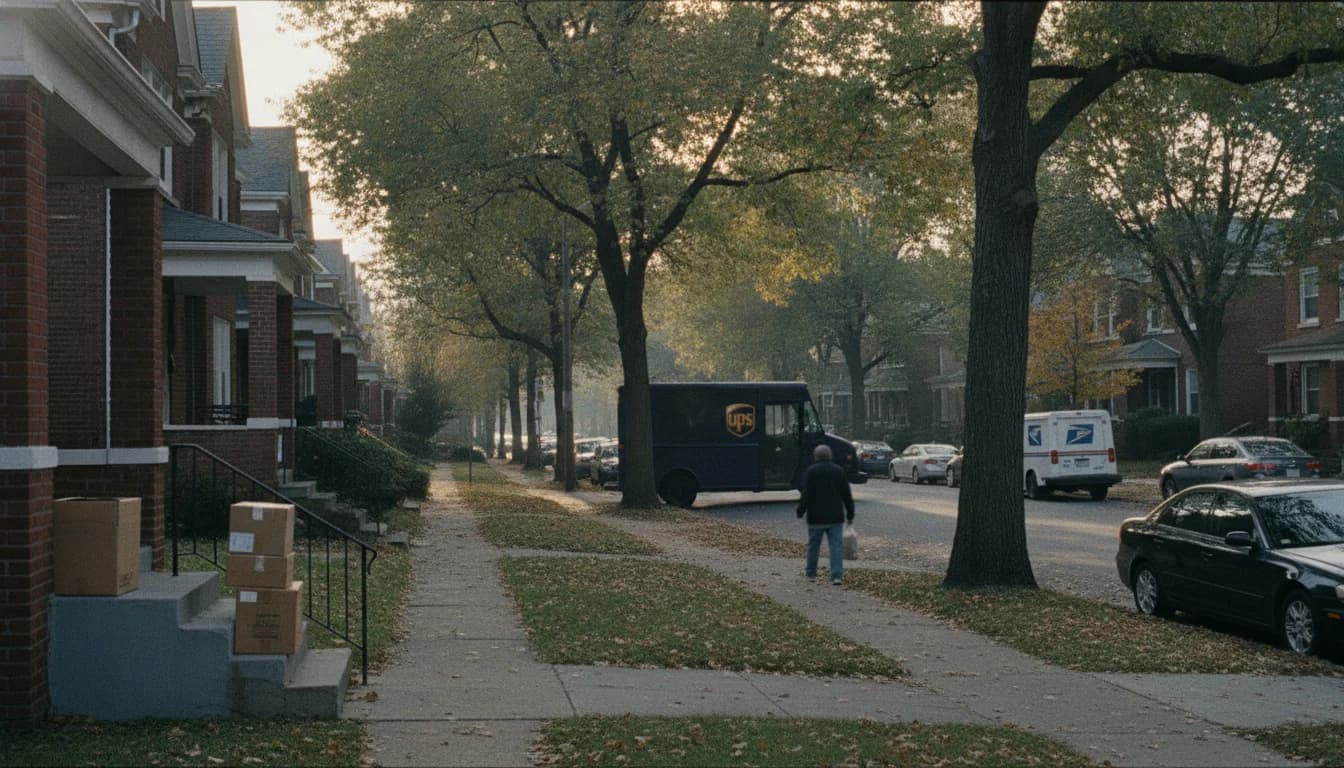
amazon dc refunds 8.25 million: DC Prime settlement
The District of Columbia’s Office of the Attorney General (OAG) announced on October 1, 2026, that Amazon.com, Inc. would pay a total of $8.25 million in refunds and penalties to resolve claims tied to Prime delivery exclusions that affected tens of thousands of DC residents. The announcement, which framed the settlement as a corrective step toward more transparent and equitable delivery practices, said Amazon would refund $7.25 million in Prime membership fees to roughly 69,000 DC customers and pay $1 million in penalties to the District. The release also outlined measures designed to ensure future transparency if similar operational changes affect Prime members. The DC AG emphasized that “no company is above the law,” a statement reflecting the office’s ongoing commitment to consumer protection in the District. The official press release is available here. (oag.dc.gov)
This development follows a 2024 filing by the DC Attorney General charging Amazon with deceptive practices related to Prime delivery benefits in two DC ZIP codes. The lawsuit asserted that Amazon secretly excluded Ward 7 and Ward 8 residents from its in-house, Amazon-branded delivery services while continuing to charge full Prime subscription fees, thereby slowing deliveries for those customers. The background and the specific allegations are documented in the 2024 complaint filed by the DC AG’s Office. The original complaint and its key claims can be reviewed in the filed document here. (s3.amazonaws.com)
The settlement comes after a multi-year arc of the city’s consumer-protection efforts and marks a concrete enforcement action tied to delivery-service transparency in the nation’s capital. The Post’s reporting notes that the settlement covered refunds to affected customers and penalties to the District, with the District’s attorney general leveraging decades of experience enforcing CPPA provisions to reach a resolution. The Post reported that the city’s case, filed in 2024, asserted that Amazon stopped using its own trucks to serve specific ZIP codes east of the Anacostia River in mid-2022 and did not inform customers of the change, a claim the company disputed. (washingtonpost.com)
What Happened
The legal action begins with the 2024 complaint
DC’s inquiry into Amazon’s Prime delivery practices culminated in a formal lawsuit filed in 2024. The complaint alleged misrepresentations and unlawful practices under the District’s CPPA, centered on Amazon’s alleged decision in 2022 to stop using its own delivery trucks for Prime services in two DC ZIP codes (20019 and 20020) and to rely on third-party carriers instead. The District argued that customers paying for Prime were deprived of in-house delivery benefits they believed they were receiving, all while continuing to pay the full subscription price. The background documents from the initial filing lay out the factual and legal framework for the case. (s3.amazonaws.com)
Key background details from the 2024 filing indicate that roughly 48,000 Prime members resided in the affected DC ZIP codes, and that the district contended the company slowed deliveries in those areas due to the exclusion, without adequately disclosing the policy shift or providing price concessions. The filing also highlighted the broader consumer-protection concerns that arise when a major retailer changes core service terms without clear notice to customers. The 2024 document serves as a primary record of the allegations and the legal theory pursued by the District. (s3.amazonaws.com)
The settlement terms clarified on October 1, 2026
On October 1, 2026, the Office of the Attorney General publicly announced a settlement with Amazon designed to resolve the District’s claims. Per the press release, the agreement calls for $8.25 million in refunds and penalties, with $7.25 million earmarked for Prime membership refunds to impacted DC residents and $1 million paid to the District as a civil penalty. The release also spells out reforms intended to ensure that any future delivery-exclusions are disclosed to customers. The carrier-change and notice requirements described in the release reflect a focus on transparency and consumer notice in a changing delivery landscape. The DC AG’s Office outline of the settlement, including the refunds and penalties, is publicly posted here. (oag.dc.gov)
The delivery-exclusion timeline and context
The DC AG’s release notes that Amazon stopped excluding Ward 7 and Ward 8 from its in-house delivery services in April 2026, with the settlement reinforcing safeguards to ensure customers can make informed choices if similar actions occur again. The 2026 filing and the 2024 complaint both frame the issue within a pattern of operational changes affecting how Prime benefits are delivered, and the settlement seeks to address the past harms while guiding future conduct. The Washington Post coverage corroborates the key timing details and the overall impact on DC residents, including the refunds and the penalties. (oag.dc.gov)
Who pays what, and to whom
According to the DC AG press release, the refunds will go to affected Prime members whose ZIP codes were east of the Anacostia River, specifically the Ward 7 and Ward 8 areas (ZIPs 20019 and 20020). The $7.25 million refund pool is expected to be distributed to eligible customers in the coming weeks, with eligibility determined by the terms of the settlement and the district’s records of Prime membership during the exclusion period. The press release also states that the District will receive a $1 million civil penalty. The language and figures are designed to restore the value of Prime benefits for those customers who paid for services they believe they should have access to. Read the official release for full terms. (oag.dc.gov)
A primary source record of the claims
For readers seeking the legal foundations behind the DC AG’s case, the December 2024 complaint provides a contemporaneous account of the allegations that Amazon deceived residents by hiding the delivery-exclusion policy and by continuing to charge full Prime fees. The two-page PDF document details the factual basis for the CPPA claims, including the alleged lack of disclosure and the impact on roughly tens of thousands of DC residents. The PDF is hosted by a law-firm repository and represents a primary document in the chronology of the case. (s3.amazonaws.com)
Why It Matters
Consumer protection and transparency in digital services
The DC settlement underscores a broader trend in consumer protection where authorities scrutinize how large platforms communicate changes to core benefits, especially when those changes have direct practical consequences for price and service quality. The DC AG’s press release frames the settlement as a corrective action designed to ensure customers who rely on Prime delivery services are not unknowingly disadvantaged by internal policy changes. The release emphasizes transparency and the need for notification when service terms or delivery capabilities shift in meaningful ways. This framing aligns with the District’s longstanding CPPA enforcement priorities and with similar consumer-protection actions in other jurisdictions. (oag.dc.gov)
Equity and access considerations in urban logistics
The Ward 7 and Ward 8 focus of the case spotlights questions about how urban logistics and last-mile delivery decisions shape access to essential goods. Delivery speed can be a critical factor for households that rely on home delivery for groceries, medications, and other necessities. The Washington Post’s coverage highlights that the affected neighborhoods are predominantly Black and that the settlement’s refunds are intended to remedy the perceived discrimination or disadvantage created by the delivery exclusions. The enduring policy questions center on whether private-sector delivery strategies should account for community-specific needs and how to balance safety, efficiency, and equity in a dense urban environment. These are part of a broader public-policy conversation about equity in digital-era logistics. (washingtonpost.com)
Precedent and regulatory signals for big tech
Beyond the District’s boundaries, the case adds to a spectrum of enforcement actions involving major tech platforms and consumer protection statutes. The DC AG’s approach—pursuing a CPPA-based remedy, securing refunds for affected customers, and imposing a civil penalty—offers a concrete example of how state and local authorities can address perceived consumer-harm arising from subscription-based services and delivery practices. The case may influence how other jurisdictions evaluate similar practices, particularly around transparency of service changes and the disclosure of potential degradation in benefits when a company shifts to third-party logistics. The broader takeaway is a reminder that consumer protection in the digital age remains active and enforceable at the local level, with potential ripple effects for national policy considerations. (oag.dc.gov)
What’s Next
Timeline and next steps for Amazon
Amazon’s obligations under the October 1, 2026 settlement include distributing $7.25 million in refunds to eligible Prime members and paying $1 million in penalties to the District. The DC AG’s office indicates ongoing oversight to ensure that impacted residents receive their refunds in a timely manner and that the company adheres to the agreed-upon terms. The settlement’s notice provisions also require Amazon to inform Prime members and the OAG of any future delivery-exclusion plans that could affect DC residents. The detailed terms are publicly available in the official press release and the settlement documents linked in the AG’s announcement. (oag.dc.gov)
In parallel, the December 2024 complaint file provides a clear record of how the case began, including the timeline leading up to the 2022 policy change and the 2024 filing. This sequence helps observers understand the length of the adjudication and the parties’ positions at different points in time. Interested readers can review the filing for the underlying facts and legal theories that framed the settlement. (s3.amazonaws.com)
What DC residents can expect
For DC residents who were impacted by the delivery exclusions, the settlement represents a tangible recovery of Prime membership fees and an assurance that the District will monitor and enforce disclosure requirements in the future. The refunds are designed to address the financial impact on customers while the penalties and behavioral reforms signal a broader accountability standard for large retailers operating within the District. Local media coverage has underscored the community-level dimensions of the settlements, including the implications for trust in delivery services and the perceived fairness of Prime benefits in two historically underserved neighborhoods. (washingtonpost.com)
Oversight and future enforcement
The DC AG’s press release emphasizes ongoing oversight to ensure Amazon’s compliance with the settlement terms and to monitor the company’s future handling of delivery-exclusion policies. This suggests a continuing role for the OAG in policing consumer-protection commitments tied to large-scale retail and logistics networks operating in the District. Observers should watch for any subsequent statements from the OAG, any additional settlements in similar contexts, and any ancillary guidance issued to businesses extending beyond this specific case. (oag.dc.gov)
Closing
The District of Columbia’s settlement with Amazon over Prime delivery exclusions marks a notable moment in how city governments hold national platforms to account for the consumer protections that govern subscription services and delivery practices. With $7.25 million in refunds to DC Prime members and a $1 million penalty, the case translates into direct financial relief for residents in Ward 7 and Ward 8 and establishes a template for how future disclosures and safeguards might be enforced. The settlement’s emphasis on transparency and notice requirements signals a broader regulatory expectation that major retailers clearly communicate how operational changes will affect customers’ subscription benefits.
As the District moves forward, residents and observers alike should stay attentive to how the OAG monitors compliance and how the terms of the settlement influence Amazon’s delivery operations within the District. For those tracking similar developments in other jurisdictions, the DC case provides a concrete, dated reference point about how consumer-protection authorities can address perceived inequities in digital-age logistics, and it may foreshadow similar actions as more cities examine the alignment between subscription promises and real-world performance. Readers seeking updates should follow the DC Attorney General’s Office press releases and the public settlement documents, which provide the most authoritative statements on the matter. (oag.dc.gov)