DC Neighborhood Micro-mobility Policy Updates Reshape Lanes
Neutral, data-driven coverage of DC neighborhood micro-mobility policy updates and their impact on streets, riders, and pedestrians.
By Julio Sandoval

July 22, 2026
10 minute read

Washington, DC is nudging its micro-mobility governance into a new phase with a series of policy updates and programmatic pilots that could recalibrate how e-scooters, e-bikes, and related devices share sidewalks and streets with pedestrians. In the District’s public arc, the latest DC neighborhood micro-mobility policy updates are unfolding as a mixed bag of enforcement measures, safety standards, data-sharing requirements, and pilot programs designed to test new approaches to mobility, safety, and urban livability. The District Department of Transportation (DDOT) is at the center of many of these developments, while the DC Council and Advisory Neighborhood Commissions (ANCs) play a growing role in shaping the regulatory cadence. The immediate impulse behind these updates is straightforward: improve safety and equity, ensure transparent data, and align rapid micromobility growth with broader goals for sustainable transportation and pedestrian priority corridors. For readers following technology and market trends in Washington, the latest DC neighborhood micro-mobility policy updates matter because they signal how cities can balance mobility access with street design, enforcement realities, and neighborhood preferences. This coverage highlights what happened, why it matters, and what to watch next as the District tests new regulatory levers across neighborhoods. The focus remains on data-driven analysis and objective reporting to help readers interpret a complex policy landscape that affects riders, operators, pedestrians, and local businesses alike.
What happened in the DC neighborhood micro-mobility policy updates is a multi-thread effort that blends regulatory action, governance by data, and targeted pilots. The District’s micromobility governance is not a single rule change but a set of coordinated steps designed to tighten compliance, expand data reporting, and explore new delivery and safety models in real neighborhoods. The throughline is that changes are being pursued through formal channels, including council and ANC actions, as well as administrative programs led by DDOT. This shape of policy activity is not only about safety and enforcement; it also reflects a broader shift toward standardized data sharing, performance reporting, and accountability in shared-mobility operations across DC neighborhoods. The following sections explain the sequence of events, the policy choices behind them, and the implications for residents and riders on the ground. DDOT’s ongoing micromobility framework and related programs provide key context for understanding these updates and their practical consequences for daily life in DC neighborhoods. (ddot.dc.gov)
Section 1: What Happened
Policy groundwork and legislative moves
In January 2026, the District’s Advisory Neighborhood Commissions introduced formal resolutions aimed at strengthening compliance with micromobility guidelines and regulations across the District. The presentation and attachment indicate that the goal is to bolster regulatory compliance and enforcement of shared-mobility device guidelines, operator-permit conditions, and related regulations affecting scooters, bikes, and similar devices within neighborhoods in DC. This move reflects a broader legislative push to codify expectations for operators and to ensure more predictable, enforceable standards as micromobility expands. The resolution text and filing history provide concrete dates and references to the micromobility regulatory framework being reviewed. (resolutions.anc.dc.gov)
A parallel track within ANC and council channels has focused on dedicated hearings and potential amendments to micromobility measures, including a public hearing on proposed safety and regulatory updates. The District’s public hearings on projects and bills related to micromobility—such as the “Micromobility Fire Safety Standards Act” proposals and related B-series measures—signal a process-oriented approach to rulemaking, with opportunities for community input and stakeholder testimony. These hearings help illuminate how the District intends to translate policy updates into enforceable rules that bicameral and agency processes can sustain. (ddot.dc.gov)
Additional background is provided by ANC and city sources detailing specific policy and enforcement themes, including resolution attachments that call for DDOT to review and act on shared-mobility device parking and placement in designated neighborhoods. The existence of these formal resolutions and attachments confirms that neighborhood-scale policy alignment is a live topic within DC’s governance framework. (resolutions.anc.dc.gov)
Regulatory and data-sharing frameworks shaping the updates
A central pillar of the DC neighborhood micro-mobility policy updates is data transparency and performance reporting by shared fleet operators. DDOT’s Micromobility in the District page emphasizes that operators must provide data and reports as a condition of their permits, underlining the District’s push toward measurable accountability. This data-centric approach is designed to help the city monitor usage patterns, safety outcomes, equity of access, and the effectiveness of sidewalks and curb spaces for different neighborhoods. This is a practical hinge point for evaluating the real-world impact of policy changes on daily mobility. (ddot.dc.gov)
In parallel, the District maintains a Shared Micromobility dataset as part of its open data program, which informs analyses of device availability, distribution, and uptake across wards. By making this data accessible to researchers, policymakers, and the public, DC signals a commitment to evidence-based decision-making as the DC neighborhood micro-mobility policy updates unfold. The dataset’s ongoing maintenance and updates are cited as a resource for understanding evolving patterns in micro-mobility usage and its spatial distribution within the city. (catalog.data.gov)
Pilot programs and data-driven experiments
The District also rolled out pilot programs designed to test new models for micro-mobility integration with urban freight and neighborhood services. The MicroFreight DC Pilot is a notable example: a test centered on using electric cargo bikes to support last-mile deliveries in DC neighborhoods, housed in a secure parking area in Southwest DC with a dedicated microhub to enable deliveries to nearby neighborhoods. This pilot includes monthly data collection and assessment, focusing on trip counts to the microhub, route distances, and the number of packages delivered. The pilot’s design reflects the city’s interest in expanding low-noise, low-emission urban freight while evaluating regulatory implications and safety considerations for the entire micromobility ecosystem. (ddot.dc.gov)
In another development, the District awarded a scooter-permit expansion that brought a new operator into DC streets. Axios reported in early 2025 that Hopp by Bolt received a two-year scooter permit, joining existing players like Lime, Veo, and Spin. The news highlights how the city is balancing operator diversity with regulatory oversight, ensuring that new entrants meet standards for safety, equitable deployment, and data sharing. The presence of multiple operators under a permit framework illustrates how DC neighborhood micro-mobility policy updates are playing out in the market as the regulatory environment evolves. (axios.com)
Section 2: Why It Matters
Public safety, pedestrian priority, and device design
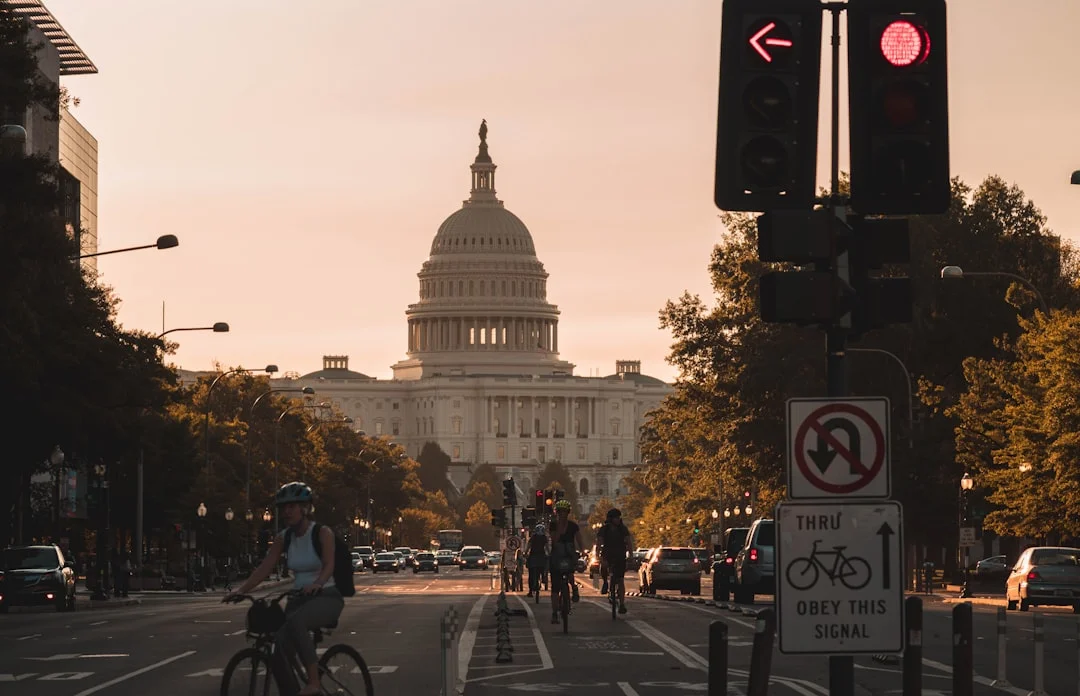
Photo by Andy Feliciotti on Unsplash
The most immediate rationale behind the DC neighborhood micro-mobility policy updates is pedestrian safety. The District’s continued push to codify safety standards—through public hearings, safety-focused legislation, and enhanced enforcement—reflects a recognition that sidewalk and street real estate must balance speed, access, and risk. Public hearings and safety standards proposals are designed to reduce conflicts among riders, pedestrians, and motorists, while outlining expectations for device design, fire safety, and operational procedures that can mitigate incidents in busy neighborhoods. These topics appear prominently in legislative and regulatory discussions, underscoring safety as a central objective of the updates. (ddot.dc.gov)
The enforcement dimension of the policy updates is critical for ensuring that safety rules do not exist in theory alone. ANC resolutions urging stronger compliance with micromobility guidelines and enforcement conditions reflect a community-driven demand for accountability. The emphasis on enforcement aligns with broader governance aims to ensure that operators adhere to permitted behaviors, curb placements, parking norms, and data-reporting requirements. The enforcement orientation is not about stifling innovation; it is about creating a stable, predictable operating environment that emphasizes safety and accessibility for all residents. (resolutions.anc.dc.gov)
Equity, access, and neighborhood impacts
DC neighborhood micro-mobility policy updates are also viewed through the lens of equity and access. The regulatory framework, data-sharing requirements, and targeted pilots (such as MicroFreight DC) are designed to test how micromobility supports or challenges mobility equity across wards and neighborhoods. As DC pilots test new routes, hubs, and last-mile services, residents in varied neighborhoods gain visibility into how micro-mobility options can complement public transit while addressing disparities in first- and last-mile connectivity. Open data initiatives and quarterly/performance reporting enable stakeholders to monitor whether micromobility deployment aligns with equity goals. (ddot.dc.gov)
The presence of multiple operators under a permit framework, including new entrants like Hopp by Bolt, highlights a market dynamic intended to prevent service concentration while still requiring uniform standards. The policy updates thus have practical implications for riders who may benefit from broader network coverage and more predictable service levels, while also ensuring that neighborhood pedestrians are protected by enforceable rules and safety standards. The arrangement also signals that the District views micro-mobility as part of a broader multimodal ecosystem rather than a standalone transportation solution. (axios.com)
Data-driven governance and transparency
- The emphasis on data in DC’s micromobility policy is more than a technical requirement; it represents a governance philosophy. With DDOT requiring data reports as a permit condition and maintaining an open dataset on shared micromobility, DC is creating a feedback loop where policy adjustments can be tested against real-world performance. This approach supports evidence-based policy making, enabling researchers and residents to analyze patterns, safety outcomes, and equity impacts across neighborhoods as the DC neighborhood micro-mobility policy updates proceed. The combination of operator reporting and public data access is intended to reduce uncertainty and enhance accountability. (ddot.dc.gov)
Industry and market context
- The evolving policy environment in DC neighborhood micro-mobility policy updates also shapes how operators approach product design, pricing, and service deployment. Reports about new entrants and ongoing permit renewals illustrate a regulated market that must balance innovation with public safety and compliance. In practice, this means operators may invest in safer hardware, smarter geofencing, and clearer parking protocols to meet regulatory expectations while delivering value to riders. The market context—characterized by multiple operators, data-sharing requirements, and safety standards—highlights how DC is attempting to become a model for responsible urban micromobility governance in the United States. (axios.com)
Section 3: What’s Next
Upcoming hearings and legislative actions
The policy trajectory suggests ongoing legislative and administrative actions in the DC neighborhood micro-mobility policy updates. Public hearings on micromobility safety, shared-mobility parking, and related enforcement measures are likely to continue as the District seeks to refine rules that govern device design, parking, and curb space allocation. The public-facing timeline indicates that residents should expect continued civic engagement opportunities and formal rulemaking as proposals move through the council and agency processes. Community input remains a vital component of shaping final policies that balance safety, access, and neighborhood livability. (ddot.dc.gov)
The ANC resolutions and attachments demonstrate active neighborhood involvement in policy shaping, signaling that community voices will remain a key influence on forthcoming measures. Expect further resolutions, public meetings, and formal recommendations that will influence how micromobility is governed in each neighborhood, with potential updates to enforcement regimes and compliance expectations tied to specific corridors or districts. (resolutions.anc.dc.gov)
Next steps for residents, riders, and operators
For riders and residents, the next phase of DC neighborhood micro-mobility policy updates will likely involve clearer guidelines on where devices may be parked, how riders should behave in shared spaces, and what constitutes compliant use in high-foot-traffic areas. The data-driven approach means updates will be informed by observed usage patterns, safety data, and equity considerations, offering a more transparent basis for changes that affect day-to-day mobility. Keeping an eye on official DDOT updates, ANC actions, and council debates will be essential for understanding how rules may shift and which neighborhoods may experience new testing ground for pilot programs. (ddot.dc.gov)
Operators should expect continued emphasis on safety, performance metrics, and community engagement as part of the permit regime. The market dynamic—evolving with new entrants like Hopp by Bolt and ongoing collaborations with established players—suggests a regulatory environment that rewards safety-first design, consistent data-sharing practices, and responsive curb-space management. The regulatory context will likely drive investments in safer vehicles, more robust rider education, and clearer, locality-specific guidelines for parking and operation within DC neighborhoods. (axios.com)
The broader context and takeaway for readers
- DC neighborhood micro-mobility policy updates reflect a national trend toward more formal governance of shared micromobility, with a strong emphasis on safety, equity, and data transparency. As cities grapple with crowded sidewalks, curb-space competition, and the need to keep streets safe for all users, DC’s approach—combining legislative action, enforcement, pilot programs, and open data—offers a practical blueprint for balancing mobility innovation with community priorities. The District’s ongoing effort to align policy with real-world outcomes—through data-driven evaluation and community engagement—illustrates how urban centers can adapt to rapid, technology-enabled changes in transportation while maintaining public accountability. (ddot.dc.gov)
Closing
- As the DC neighborhood micro-mobility policy updates unfold, readers should monitor official DDOT communications, ANC meeting agendas, and council hearings to understand how these changes will affect daily life, commute choices, and neighborhood character. The city’s emphasis on data reporting, safety standards, and inclusive governance signals a confident move toward more predictable, measurable outcomes for micromobility in Washington. For residents and riders seeking clarity, the best sources remain DDOT’s Micromobility in the District page, the Shared Micromobility dataset, and ANC notices, all of which provide concrete, up-to-date information on how policy is evolving and what it means for streets and sidewalks across DC neighborhoods. Staying informed will help communities participate in the conversation and ensure that DC neighborhood micro-mobility policy updates translate into safer, more accessible streets for everyone. (ddot.dc.gov)

Photo by Hector Falcon on Unsplash