DC Neighborhood EV Charging Pilot Expands Access
Explore an impartial, data-driven analysis of the DC Neighborhood EV charging pilot and its significant impact on local electric vehicle accessibility.
By Terrence Holt
July 19, 2026
12 minute read
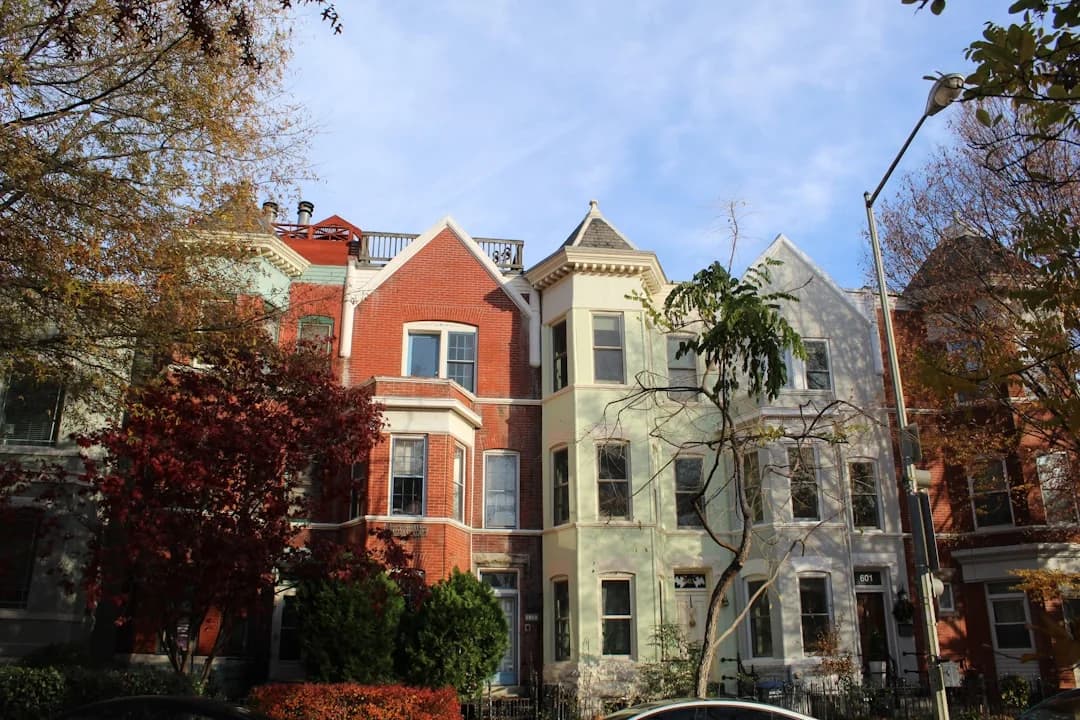
The DC Neighborhood EV charging pilot marks a notable step in expanding publicly accessible charging in District neighborhoods. On February 10, 2026, the District Department of Transportation (DDOT) and the District Department of Energy and Environment (DOEE) announced a Neighborhood Curbside Electric Vehicle (EV) Charging Station Pilot, designed to broaden access to charging in residential areas and to inform future regulatory updates. The pilot is being deployed in partnership with EV charging company It’s Electric and is funded through a federal grant awarded to the company. The move aligns with the District’s broader climate goals, including a commitment to carbon neutrality and climate resilience by 2045. The first location is already open in Ward 1, adjacent to The Festival Center at 1640 Columbia Rd NW, with 16 curbside chargers serving two adjacent parking spaces across eight locations in the District. Advisory Neighborhood Commissions (ANCs) have been consulted in selecting the sites. This DC Neighborhood EV charging pilot signals a deliberate, data-driven approach to expanding EV infrastructure in communities that have historically lacked robust charging access. (ddot.dc.gov)
DDOT and DOEE describe the initiative as a practical test bed to gather real-world data, measure utilization, and inform regulatory decisions around curbside charging permits for private vendors. It is aimed at establishing guidelines for a permit program that would allow private vendors to install, operate, and maintain curbside EV charging stations in the District’s public right-of-way. By testing a standardized curbside model, the District hopes to accelerate charging availability while ensuring safety, accessibility, and interoperability across the city. In DDOT Director Sharon Kershbaum’s words, the District is “committed to becoming carbon neutral and climate resilient by 2045,” and this pilot is part of those efforts. DOEE Director Richard Jackson emphasized that the project showcases the Bowser Administration’s commitment to a greener, sustainable future. > The pilot’s structure and early results will be closely watched by other cities seeking scalable curbside charging models. (ddot.dc.gov)
Opening with the news and its immediate impact, the program’s first concrete details place a spotlight on both location and operation. The first curbside charger site sits next to The Festival Center at 1640 Columbia Rd NW in Ward 1, and the eight total locations will each house two off-street-facing parking spaces equipped with Level-2 charging. It’s Electric will install, operate, and maintain all sixteen charging ports across the eight sites, with the curbside model designed for safe integration into the public right-of-way. Residents can access charging through It’s Electric, which provides a complimentary charging cable upon request via the It’s Electric app; the cable is mailed to the user within one to three business days. This approach underscores a practical route to building out charging access without requiring immediate large-scale public funding for every site. As part of the rollout, Pepco also joined the effort, signaling collaboration among utilities, the city, and private partners to expand charging options. The Festival Center’s leadership praised the arrangement as a community-centered model that could be reinvested in local initiatives. The ANCs’ involvement in site selection reinforces the District’s commitment to community oversight in infrastructure decisions. (ddot.dc.gov)
Section 1: What Happened
Pilot Launch Details
Public announcement and partners
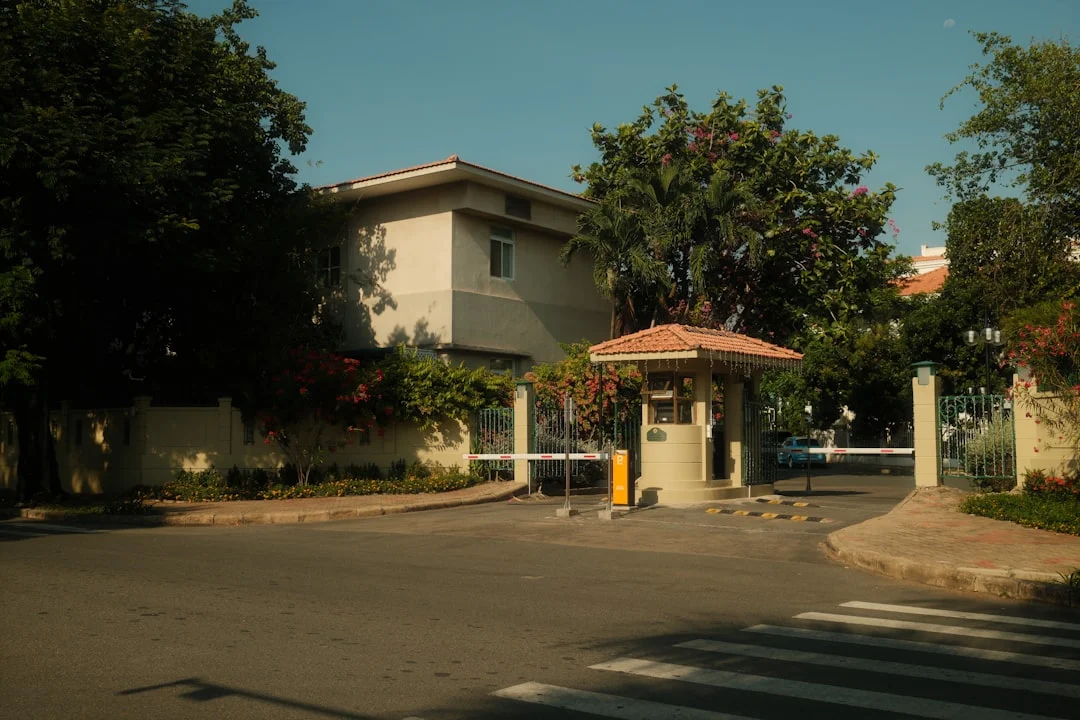
Photo by Long Chung on Unsplash
- Date and actors: On February 10, 2026, DDOT and DOEE publicly announced the Neighborhood Curbside EV Charging Station Pilot, signaling the start of a districtwide effort to extend public charging into residential neighborhoods. The public release identified It’s Electric as the operating partner and highlighted federal grant funding supporting the project. The immediate intent, per the agencies, is to expand equitable access to charging and to test a regulatory framework that could enable private vendors to install and maintain curbside charging in DC’s public rights-of-way. (ddot.dc.gov)
- Quotations setting the tone: DDOT Director Sharon Kershbaum framed the effort within the city’s carbon-neutral, climate-resilient ambitions, while DOEE Director Richard Jackson framed the project as a concrete demonstration of the Bowser Administration’s sustainability goals. The statements signal a data-driven, policy-forward approach to electrification at the neighborhood level. > “The District is committed to becoming carbon neutral and climate resilient by 2045,” said DDOT Director Sharon Kershbaum. “By launching this pilot, DDOT is leading the way in innovation by testing curbside EV charging and sharing best practices with cities across the country.” DOEE Director Richard Jackson added that the pilot advances the District’s climate goals and sustainability agenda. (ddot.dc.gov)
Pilot scope and locations
- Scope: The pilot will deploy sixteen curbside chargers across eight sites, with two charging ports per site. Each site is designed to serve one or two adjacent parking spaces, balancing accessibility with street safety and other street uses. The plan explicitly calls for one site in each Ward, ensuring districtwide coverage as the pilot expands. (ddot.dc.gov)
- First site and rollout cadence: The first site is already operational in Ward 1 at 1640 Columbia Rd NW (next to The Festival Center). The remaining seven locations are slated to be installed in the coming months, following the initial launch and the ANCs’ site consultations. The phased approach provides a controlled environment to study usage patterns, safety considerations, and community feedback before full-scale deployment. (ddot.dc.gov)
- Operational model: It’s Electric will own, operate, and maintain the charging ports, including providing cables to users upon request via the company app. This public-private collaboration is designed to demonstrate a replicable curbside charging model while distributing responsibility across a private operator and public agencies. Pepco’s involvement as a utility partner underscores the broader ecosystem approach to expanding charging infrastructure in the District. (ddot.dc.gov)
Funding and regulatory context
Funding and vendor role
- Federal funding: The press release makes clear that the pilot’s funding comes from a federal grant awarded to It’s Electric. This aligns with broader federal incentives and district ambitions to accelerate charging infrastructure in urban neighborhoods through targeted public-private partnerships. The grant-supported model is intended to demonstrate a scalable approach that could inform future regulatory guidance around curbside charging permits. (ddot.dc.gov)
- Private-sector participation: The partnership with It’s Electric — including installation, operation, and cable provisioning — is presented as a proof-of-concept for vendor-led curbside charging in the public right-of-way. The model anticipates a permitting framework to regulate future installations by private vendors in a city context where curbside space is contested and subject to safety and accessibility standards. (ddot.dc.gov)
Regulatory foundation and long-range goals
- Legislative backdrop: The Neighborhood Electric Vehicle Charging Pilot Program is anchored in the District’s broader electric vehicle framework. A 2024 DC law established the overarching aims of expanding charging access, ensuring port standards, and pursuing 5% of District-registered vehicles as charging capacity by 2027, among other policy instruments. This legal framework provides the structure within which the DC Neighborhood EV charging pilot operates. (code.dccouncil.gov)
- Data and accountability: The same legislative framework requires charging data collection and public reporting to support decision-making about future expansions, station standards, and equitable access. The Pilot Program is designed to generate evidence on utilization, reliability, and user experience to guide regulatory updates and the design of a broader permitting framework for curbside charging. (code.dccouncil.gov)
- Long-term targets: The 2024 act envisions a regulated cadence of infrastructure expansion and a plan to ensure that charging ports are sufficiently deployed to meet projected EV demand over the next decade, with explicit targets tied to vehicle registrations and forecasted charging needs. While some provisions are subject to budgetary constraints, the act signals a strong policy commitment to districtwide charging growth. (code.dccouncil.gov)
Section 2: Why It Matters
Impact on Access, Equity, and Daily Life
Equity and neighborhood access
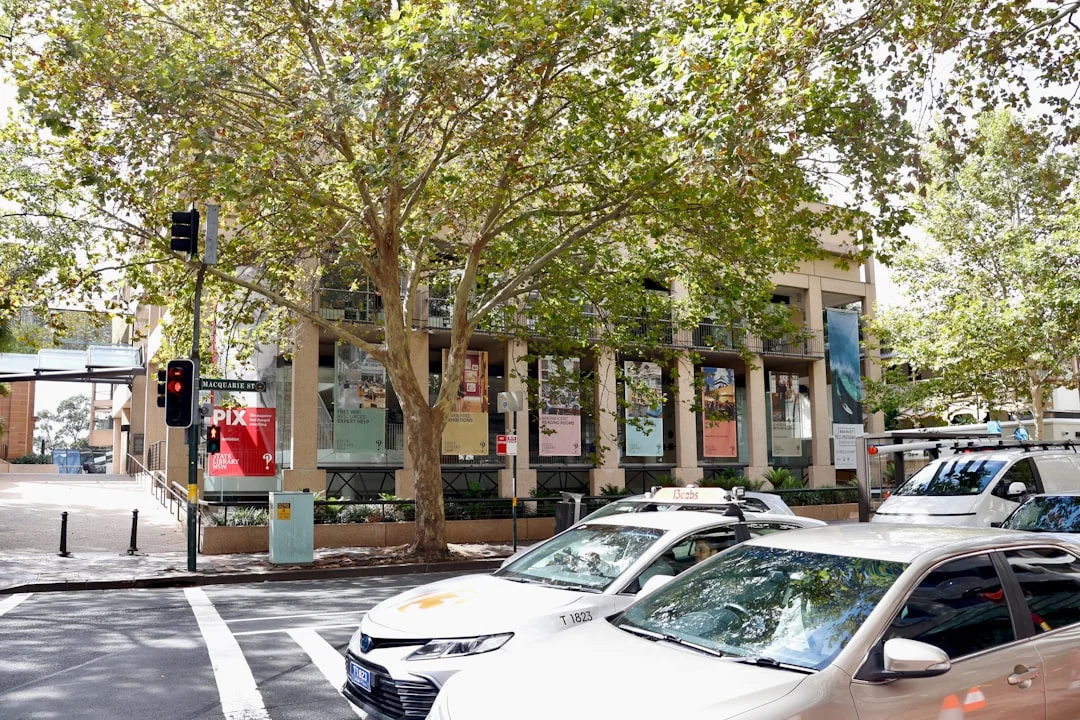
- Context: The DC Neighborhood EV charging pilot is explicitly designed to improve access to charging in communities that may lack off-street parking or convenient home charging. The curbside charging model lowers barriers for residents who rely on street parking and helps distribute charging opportunities more evenly across wards. Public-facing data from the DDOT/DOEE release highlights the pilot’s residential neighborhood focus as a core goal. (ddot.dc.gov)
- Community engagement: ANCs were consulted in selecting the initial and upcoming locations, signaling a commitment to community input and transparency in siting decisions. This participatory approach matters for equity, as it invites neighborhood stakeholders to weigh safety, curb use, and accessibility concerns before the next locations are installed. (ddot.dc.gov)
Policy and market implications
- Regulatory clarity: The pilot’s design aims to clarify how curbside charging can operate within the District’s public space, providing a blueprint for a private vendor permit program. If successful, the model could reduce regulatory uncertainty and accelerate private investment in curbside charging across the city. This aligns with the law’s intent to establish clear permitting standards and performance expectations for vendors. (ddot.dc.gov)
- Data-driven decision-making: The requirement to collect real-time usage data and publish periodic reports under the pilot framework ensures that policymakers have evidence to evaluate the program’s effectiveness, safety, and accessibility. This evidence-based approach supports informed decisions about scaling, pricing, and site selection over time. (code.dccouncil.gov)
Economic and ecosystem effects
- Partnerships and local benefits: The collaboration among public agencies (DDOT/DOEE), a private charging company (It’s Electric), and utility partners (Pepco) demonstrates a multi-stakeholder model designed to fast-track access to charging while sharing risk and responsibilities. The presence of a private operator can catalyze investment and maintenance efficiencies, while the public agencies retain oversight to protect public interests. Pepco’s involvement underscores the broader utility role in enabling reliable charging services as part of a citywide electrification strategy. (ddot.dc.gov)
- Local visibility and adoption: The first site’s proximity to a community hub (The Festival Center) highlights how pilot sites can be located near community anchors to maximize visibility and use. This approach may influence adoption by normalizing curbside charging in everyday neighborhood contexts and by offering a predictable, accessible charging option for residents and visitors alike. (ddot.dc.gov)
Broader Context in the District and Beyond
Alignment with districtwide electrification goals
- The DC Neighborhood EV charging pilot is part of a broader strategy that includes public education on charging accessibility and adoption, along with standards to ensure universal access and interoperability. The Driving force behind these efforts is a citywide ambition to accelerate transportation electrification as a path toward reduced greenhouse gas emissions and greater resilience. The pilot’s focus on curbside locations supports the District’s climate and mobility goals by targeting under-served neighborhoods and integrating charging with daily life. (ddot.dc.gov)
- Long-range planning: In parallel with the pilot, DC’s evolving framework for EV infrastructure deployment—encompassing permit processes, charging port standards, and equity considerations—seeks to move from pilot findings to scalable, citywide deployment. The 2024 Comprehensive Electric Vehicle Infrastructure Access, Readiness, and Sustainability Act provides a legal blueprint for this trajectory, including targets tied to vehicle growth and payment data collection. (code.dccouncil.gov)
What This Means for Residents and Businesses
- Practical access gains: For residents who previously had limited access to charging, curbside options in eight neighborhoods can provide a more convenient means to keep EVs ready for daily use. The first site’s location and the plan for additional sites indicate near-term gains in charging availability, especially for those without off-street parking or dedicated home charging. The It’s Electric app-based cable provisioning reduces a common friction point—carrying a charger or cable on a daily basis. (ddot.dc.gov)
- Business and property owners: Property owners and ANC members now have a tested framework for hosting curbside charging on public space. The shared-use model, with revenue-sharing elements described by project partners, suggests an economic pathway for private stakeholders to participate without upfront street deployment burdens. This can influence the economics of future installations and encourage broader participation. (ddot.dc.gov)
What the Data Might Show
- Usage signals and patterns: The pilot’s data collection requirements will enable DDOT and DOEE to track energy consumption, location-specific usage, duration, and payment methods. These data points will help determine which wards experience high demand, whether curbside chargers reduce “range anxiety,” and how curbside charging integrates with existing street use. While the initial release centers on setup and partnerships, early data reviews will be critical for understanding demand curves and equity outcomes. (code.dccouncil.gov)
Section 3: What’s Next
Timeline and Next Steps
Photo by Brett Wharton on Unsplash
Installation cadence and site completion
- The first site is already live in Ward 1, with the remaining seven locations expected to be installed over the coming months. The staggered rollout allows the city and its partners to monitor performance, gather user feedback, and adjust siting and operations as needed. The eight-location plan, with two ports per site, provides a citywide footprint that can be used to compare utilization across different neighborhoods and street configurations. (ddot.dc.gov)
Regulatory updates and potential standards
- Regulatory implications: As the pilot progresses, the District will likely use the findings to inform future regulatory updates and establish guidelines for curbside charging permits. This could include standards for accessibility, power levels, cable management, safety features, and data reporting. The pilot’s design explicitly positions it as a learning phase for formulating enduring policies around curbside charging in the public realm. (ddot.dc.gov)
What to watch for in the near term
- Data releases and public reporting: Expect regular updates on charging utilization, site performance, safety concerns, and user experience. The data-driven approach will be critical for evaluating the pilot’s success and identifying any policy adjustments needed to scale curbside charging across the District. The data collection framework in the pilot aligns with broader DC policy goals to establish transparent reporting on EV infrastructure deployment. (code.dccouncil.gov)
What’s Next in Policy and Market Momentum
- The legal and policy backdrop for the DC Neighborhood EV charging pilot continues to mature. The District’s commitment to a 5% target of district-registered vehicles by 2027, and the roadmap to deploy charging ports in line with forecasted EV growth, will shape subsequent decisions about curbside permitting, vendor participation, and charging standards citywide. The District’s approach—linking pilots to formal standards and performance metrics—helps ensure that any scaling remains aligned with safety, accessibility, and equity objectives. (code.dccouncil.gov)
Closing
The Neighborhood Curbside EV Charging Station Pilot stands as a deliberate, data-informed step toward broader DC electrification. By pairing public offices with a private operator and a federal grant, the District is testing a curbside model that could inform future regulatory updates, permit programs, and citywide deployment. The pilot’s early results — including the first Ward 1 site at 1640 Columbia Rd NW and the plan to install seven more locations in the coming months — will be watched closely by policymakers, utilities, businesses, and residents who rely on charging as a core element of daily mobility. As DC continues to pursue its climate and transportation goals, this pilot provides a concrete lens into how curbside charging can fit into a more equitable, accessible, and resilient urban charging network. Readers who want to stay updated can follow the DDOT and DOEE channels for ongoing progress and data-driven findings from the DC Neighborhood EV charging pilot. (ddot.dc.gov)