DC Construction Code Modernization: DOB Listening Sessions
Join the DC construction code modernization journey through seven insightful DOB-hosted listening sessions to shape future updates.
By Diane Prescott
September 13, 2026
11 minute read
The District of Columbia is advancing a major shift in its construction policy through a targeted outreach effort. On June 25, 2026, the District Department of Buildings (DOB) kicked off a series of Construction Code Development Listening Sessions designed to gather public input on updates to the District’s construction codes. This move is a clear inflection point for DC construction code modernization, signaling the government’s intent to align the capital’s building rules with current practice, technologies, and safety expectations. The District’s first listening session focused on critical areas that touch nearly every project—from property maintenance standards to the rules governing pools, spas, and other public-facing features. The Department has announced that seven virtual sessions will be held this summer, with broader public engagement as a central objective. This announcement underscores a broader trend toward transparent, participatory code development, a trend that policymakers and industry observers say could shorten update cycles and improve implementation outcomes. (dob.dc.gov)
The listening sessions come at a time when the District is tying code modernization to a broader fiscal and policy agenda. The DOB release highlights that the construction code modernization effort is intended to complement Mayor Bowser’s proposed Fiscal Year 2027 (FY27) Budget, which includes initiatives aimed at reducing the cost of doing business, accelerating housing production, and supporting economic growth. In practical terms, that means a more predictable, streamlined process for designers, builders, and inspectors, coupled with robust public input to ensure codes reflect on-the-ground realities. The announcement also notes a deliberate pause in certain implementation timelines (such as Net-Zero energy code and Building Energy Performance Standards) to give the District time to modernize its construction codes in a way that captures lessons learned and expands compliance options. For readers, this framing matters because it connects the listening sessions to concrete policy shifts, funding decisions, and code adoption timelines that affect ongoing and upcoming DC projects. (dob.dc.gov)
Opening the process to public comment matters for a broad audience. City residents considering renovations, real estate developers planning new projects, engineers and architects designing for DC, and building officials who enforce the rules all stand to gain from clearer, more up-to-date codes that better reflect current technology and market practices. The District’s communications around the listening sessions emphasize inclusion—encouraging participation from diverse stakeholders, including community groups, trade associations, and neighborhood organizations. The DOB notes that seven listening sessions are planned this summer, and it explicitly invites input on major code changes that will shape construction activity over the next several years. The public-facing materials also point readers to the DOB newsroom and official announcements for ongoing updates. These messages help readers connect the dots between a public process and the practical realities of permitting, plan review, inspection, and enforcement over time. (dob.dc.gov)
Section 1: What Happened
The First Listening Session
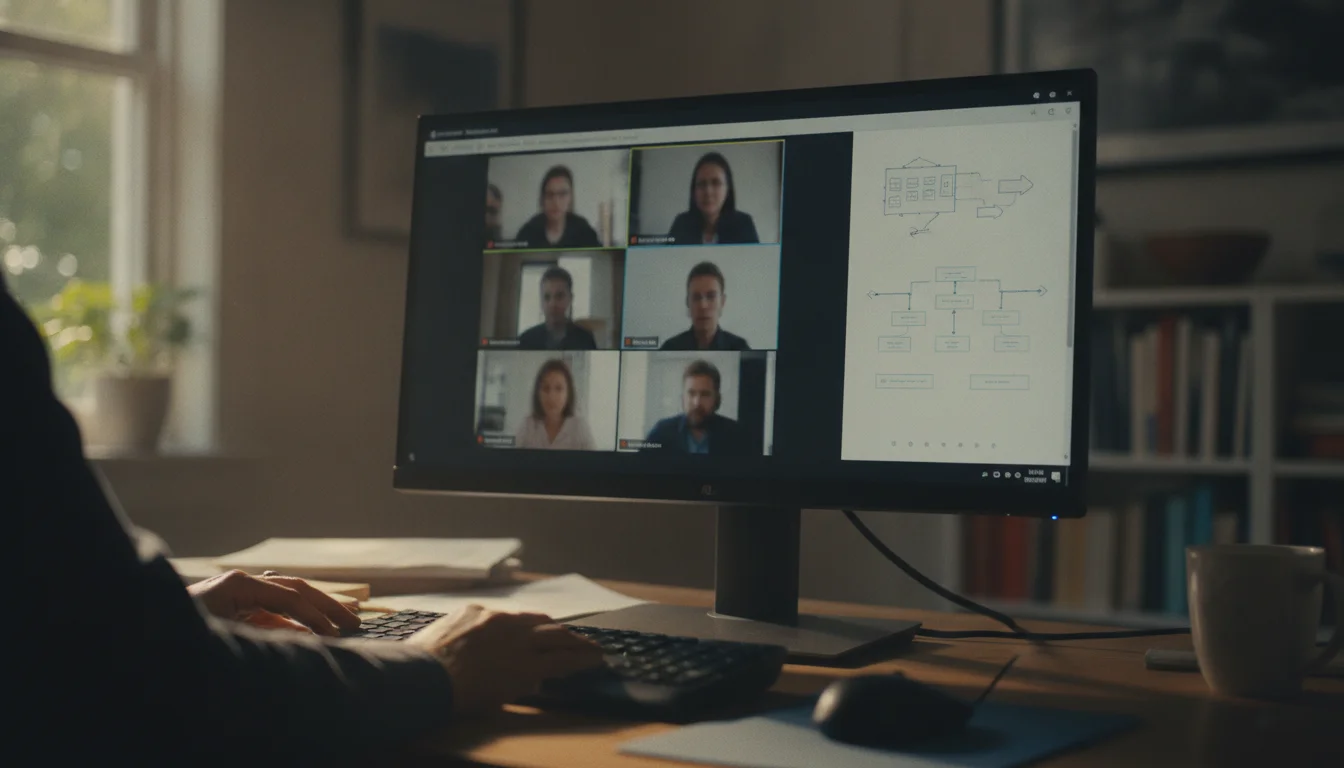
On June 25, 2026, the District Department of Buildings hosted the first Construction Code Development Listening Session, marking the formal kickoff of the DC construction code modernization effort in earnest. The focus of that first session, as described by the department and accompanying notices, included discussions around property maintenance, swimming pool codes, and spa codes—topics that touch many neighborhoods and commercial operations across DC. This initial gathering served as a test case for how the city will conduct a broader, ongoing dialogue with residents, property owners, and industry professionals as code proposals begin to take shape. The session’s format—virtual and open to public participation—was designed to maximize accessibility and ensure that feedback could be captured from a broad cross-section of DC stakeholders. The District’s release framing the kickoff emphasized that these listening sessions are a central part of DC construction code modernization and an important step toward more timely, decision-relevant rule updates. (content.govdelivery.com)
Seven Sessions Planned
DOB has publicly asserted that seven virtual listening sessions will be conducted this summer as the agency’s first major step in gathering feedback on proposed construction code updates. The intention behind this multi-session approach is to cover all major code areas—building, electrical, energy conservation, fire codes, and related topics—through a structured, iterative process that allows stakeholders to comment on proposals, pose questions, and suggest practical adjustments before final draft language is prepared. This commitment to a multi-session format also aligns with a broader government communications strategy to push for continuous, transparent engagement rather than one-off public meetings. The seven-session plan is repeated across official releases and partner communications, making the schedule a central reference point for builders, designers, inspectors, and property owners who want to anticipate regulatory changes. (dob.dc.gov)
Topics and Areas Covered
Early materials and subsequent updates indicate that the listening sessions will sweep across the district’s major construction code domains. In addition to property maintenance provisions and building-related concerns, organizers signaled attention to the Residential Code as a priority topic for upcoming sessions, with similar attention to Building, Electrical, Energy Conservation, and Fire Codes. The topic list reflects a broad modernization agenda intended to harmonize DC codes with contemporary practices and evolving safety and energy standards. Community calendars and announcements show that sessions will move through different code areas, inviting subject-matter experts and lay stakeholders alike to contribute to the evolving framework. For the public, this means a clear signal that DC construction code modernization is not a single document update, but a comprehensive process with input opportunities across multiple code chapters. (content.govdelivery.com)
Timeline and Engagement Process
The public statement on June 25 launched a cadence that organizers described as continuous engagement through the summer. In the weeks that followed, additional channels highlighted ongoing sessions, including targeted conversations on specific code topics and cross-cutting issues. By late August 2026, communications indicated the initiative was entering its final stretch, with two more opportunities identified for public input and a push to review and consolidate the feedback gathered across prior sessions. This cadence—seven sessions over roughly a three-month window—was intended to balance depth of discussion with broad geographic and professional reach within DC’s diverse built environment. The public record demonstrates a deliberate, calendar-driven approach rather than an ad hoc set of meetings, a signal of the District’s intent to produce timely, implementable code updates. (content.govdelivery.com)
Section 2: Why It Matters
Impact on DC Construction and the Public
DC construction code modernization is not happening in a vacuum. The initial listening sessions are framed as a direct response to the District’s evolving policy environment, including Mayor Bowser’s FY27 Budget, which emphasizes reducing the cost of doing business, accelerating housing production, and supporting a robust economy. By aligning code development with budgetary priorities, the city signals that modernized construction rules should not merely reflect safety and performance standards but also support practical outcomes—such as faster permitting timelines, clearer review processes, and more predictable project costs. For property owners and developers, this alignment could translate into more efficient project planning, better compliance pathways, and fewer unexpected changes during construction. The official materials emphasize that the modernization effort aims to improve the entire lifecycle of a project from permit issuance to occupancy, with a focus on leveraging updated codes to reduce friction while preserving safety and resilience. (dob.dc.gov)
Broader Policy Context and the Timetable for Change
A key dimension of the DC construction code modernization effort is its relationship to implementing newer code models and standards. The District has flagged that certain timelines—such as the Net-Zero energy code and Building Energy Performance Standards (BEPS)—will be adjusted to allow the updates to be integrated thoughtfully into the local regulatory framework. This approach reflects a broader trend across several U.S. jurisdictions to decouple code updates from immediate punitive enforcement while the code becomes acclimated to new provisions and compliance paths. For DC, this pause is presented as a pragmatic step to ensure that the new codes are not only technically superior but also practically enforceable and understandable for the public and industry alike. In context, the listening sessions thus become a crucial input mechanism to shape these updated provisions so that they reflect realities on the ground, not just theoretical standards. The official release explicitly notes these considerations as part of the modernization strategy. (dob.dc.gov)
A Quotable Judgment on the Process
The modernization effort signals a shift toward more transparent, data-driven building policy in the District. This judgment captures a broader truth about the current moment: when a city opens up code development to sustained public input, the resulting regulations are more legible for stakeholders and more adaptable to changing conditions. The District’s approach—public listening sessions, clear timelines, and explicit connections to budget priorities—illustrates a governance model that other jurisdictions may study as they pursue similarly ambitious modernization agendas. The District of Columbia Times acknowledges this orientation as a meaningful step in aligning policy with the needs of residents, developers, and code officials alike.
The modernization effort signals a shift toward more transparent, data-driven building policy in the District. — District of Columbia Times
Section 3: What’s Next
Next Steps for Public Input and Code Drafting
With seven listening sessions planned and ongoing, the public input phase will continue to feed into the drafting process for the updated construction codes. After the final session, the DOB and collaborating agencies will compile a set of recommended updates, reconciling stakeholder comments with technical feasibility, safety considerations, and alignment with state and federal code references where appropriate. The goal is to produce draft language that can move through the standard agency review and, ultimately, public-vote or council consideration as dictated by DC’s regulatory framework. For participants, the immediate action remains monitoring official announcements, submitting comments through the designated channels, and continuing to engage with sector associations and neighborhood groups that provide structured feedback during the comment window. This phase is as much about process as it is about the technical content, and the District’s communications emphasize that every voice can influence the final text. (dob.dc.gov)
Timeline, Milestones, and What to Watch For
The public-facing calendar indicates that, after the June 25 kickoff, sessions will continue through August and into September. A notable milestone is the August 2026 communications about the “final stretch” and the remaining opportunities to participate, signaling that the listening sessions are approaching a wrap-up phase. Observers should watch for the publication of a consolidated feedback summary, the release of draft code language, and the official schedule for the next phase of the code adoption process. Because code modernization in a dense regulatory environment requires careful cross-organization coordination, stakeholders should expect multiple rounds of revision and a formal adoption path that may span months beyond the listening sessions. (content.govdelivery.com)
What Happens After the Listening Sessions
Beyond feedback collection, the District’s modernization effort will likely move through standard channels: drafting and technical review, formal public comment periods, final approvals, and implementation timelines for the updated codes. The District’s communication strategy indicates close coordination with the Mayor’s Office and the DC Council in aligning code modernization with the FY27 Budget and with broader DC policy goals. Stakeholders should anticipate a transition plan that includes training for inspectors, guidance for permit applicants, and updated enforcement practices designed to reflect the new code provisions. As the process progresses, official updates will be posted to the Department of Buildings Newsroom and related public information channels, ensuring that industry professionals and residents can access the latest language and enforcement guidance. (dob.dc.gov)
What to Do Now: Participation and Resources
For readers who want to participate, the primary pathway is to engage with the seven Listening Sessions as announced by the District’s Department of Buildings. The official materials direct interested parties to submit comments, attend sessions, and review draft materials as they become available. The public-facing communications also highlight the role of digital and traditional outreach channels to ensure that a broad cross-section of DC residents and practitioners can participate. The two primary sources below provide the foundational details: the official release from the Department of Buildings outlining the seven sessions and the public-facing notices about the session schedule, including the June 25 kickoff. Readers should bookmark and frequently check these sources to track updates and new materials as the modernization process evolves. (dob.dc.gov)
Closing
As the District moves forward with DC construction code modernization, the listening sessions serve as a critical barometer of public sentiment and practical considerations. The Council and the Bowser administration have signaled a willingness to adjust timelines and to incorporate robust feedback to ensure that the updated construction codes are both technically sound and workable in real-world contexts. For residents, developers, and inspectors who will work within the new regime, the era of active, data-informed engagement—anchored by these seven listening sessions—offers a clearer path to understanding how the District’s rules will evolve and what that means for current and future projects. The District’s communications emphasize ongoing opportunities to participate and to stay informed through official channels, a cadence that underscores the city’s commitment to transparent governance and accountable modernization. Readers who want the latest, most authoritative updates should watch the DC Department of Buildings Newsroom and related official announcements for the next wave of draft language, schedule changes, and guidance on how to respond to proposed code changes. (dob.dc.gov)
In the weeks ahead, DC construction code modernization will continue to unfold in a public, testable manner. As the process advances, the District will publish summaries of the feedback received, alongside technical proposals that reflect both stakeholder input and best practices in safety, energy efficiency, and resilience. The public’s role in shaping the district’s codes is not a ceremonial exercise; it is a practical mechanism to ensure that DC’s construction rules meet today’s realities while guiding tomorrow’s growth—whether in emerging neighborhoods, revitalized corridors, or new mixed-use projects that define the city’s future. The listening sessions are just the beginning, but they are a powerful signal that DC intends to build codes that are not only enforceable but also navigable, fair, and responsive to the needs of a dynamic urban economy. (content.govdelivery.com)
Notes and sources for readers seeking primary documentation and official updates:
- DC Department of Buildings release: DC Department of Buildings Advances Modernization of District Construction Codes. This document outlines the seven listening sessions and the broader modernization objectives within the FY27 budget context. Link: DC.gov official release. (dob.dc.gov)
- Public-facing calendar and session announcements: DOB Listening Sessions and related updates, including the June 25 kickoff and the focus on various code areas. Link: GovDelivery notices and the DOB newsroom. (content.govdelivery.com)
- Supplemental industry coverage and session timing: Greater Greater Washington coverage of session scheduling, including dates such as the later September session, which helps contextualize the cadence of the seven-session series. Link: GGWash event page. (ggwash.org)