DC 250th Anniversary Murals Eight Wards: Citywide Update
A neutral, data-driven update on DC's 250th anniversary murals across all eight wards, highlighting their cultural impact and significance.
By Julio Sandoval
July 26, 2026
13 minute read
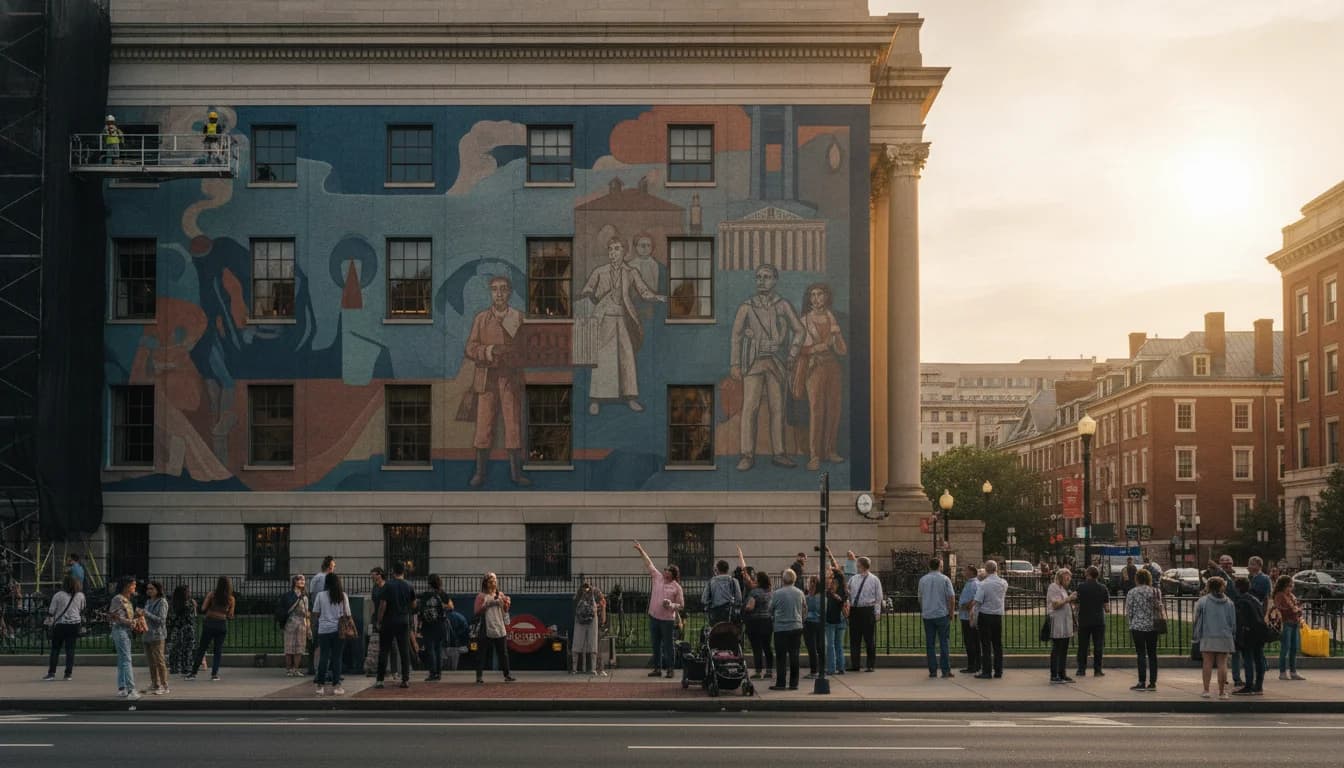
The District of Columbia is issuing a citywide cultural initiative tied to a milestone year, with the DC 250th anniversary murals eight wards program launching across all eight wards to tell the city’s evolving story. City officials and arts administrators say the effort aligns with a broader push to connect cultural investment with neighborhood identity, economic opportunity, and public safety through public art. As America marks its semiquincentennial, Washington, DC, is positioning its public art program not only as a commemorative gesture but also as a vehicle for community-led storytelling, neighborhood renewal, and enhanced public space activation. The official rollout comes as national discussions about the 250th anniversary of the United States intersect with local strategies to diversify economic activity, attract visitors, and strengthen civic pride in every corner of the capital. This update provides a data-driven snapshot of what happened, why it matters, and what comes next for residents, businesses, and city partners. The DC 250th anniversary murals eight wards initiative is being coordinated through the District’s MuralsDC program, with support from the Mayor’s DC 250 Commission and the Department of Public Works.
The first wave of work is underway as part of a phased rollout designed to place high-profile works in key corridors while inviting neighborhood participation from students, local artists, and community organizations. In public briefings and on official channels, city leaders emphasize a collaborative approach that blends artistic vision with planning data, safety considerations, and neighborhood input. The program’s kickoff coincides with broader America250 commemoration activities that aim to weave national-level significance with locally resonant stories, an approach that has drawn attention from local media, cultural organizations, and economic development advocates. As the District tracks progress, observers note how these murals may influence foot traffic, small business activity, and creative economy opportunities in each ward. The reporting and commentary surrounding the launch underscore a data-informed lens on public art as a pillar of urban renewal and cultural resilience. This piece aggregates verifiable details from official releases and independent reporting to help readers understand the timeline, scope, and potential implications of the effort. To be clear, the eight murals will be created across all wards, each reflecting the history, identity, and aspirations of its neighborhood, as described by city leaders and corroborated by third-party coverage. As America’s 250th anniversary enters its public-facing phase, the DC 250 project seeks to connect residents with place-based narratives, while offering a model for how public art can interact with technology-driven urban planning and community engagement strategies. (beta.dc.gov)
What Happened
Announcement and Official Launch
- The Bowser administration publicly announced the DC250 Mural Project, a citywide public art initiative to celebrate America’s 250th anniversary, across all eight wards. The official launch statement emphasized that the eight murals would be installed in the coming weeks, with one mural per ward. This milestone was described in the mayor’s office press materials and mirrored in city-wide communications. The announcement signaled a formal, city-led approach to public art that ties local narratives to a national commemoration. (beta.dc.gov)
- In pre-event messaging, the administration framed the DC250 Mural Project as a collaborative effort that leverages the MuralsDC framework and municipal partnerships to transform streetscapes while supporting neighborhood storytelling. The emphasis on neighborhood-level impact aligns with the district’s broader public-art strategy, which has historically linked street-level arts to community safety, local economy, and urban vitality. The public-facing materials also highlighted that the murals would be placed to maximize visibility in each ward and to avoid disruption to existing community activities. (beta.dc.gov)
Timeline and Locations
- The rollout is described as a multi-week process, with planning and artist selection underway in mid-July 2026. Media reports and official releases indicate that murals are being created by DC-based artists and installed at prominent neighborhood sites during this window, with examples cited by reporters of new works appearing near widely known local landmarks. The approach envisions eight distinct works—one per ward—each reflecting that ward’s character and history. (beta.dc.gov)
- Early on, observers noted specific neighborhood anchors as part of the public-facing rollout, including locations cited by coverage of the first completed works: an alley adjacent to a theater in Northeast DC, and other high-traffic corridors that are central to neighborhood identity. While the exact coordinates of all eight murals were not enumerated in every report, the coverage establishes a pattern of culturally resonant placement across the city’s urban fabric. (axios.com)
Funding and Partnerships
- City communications framed the DC250 Mural Project as a MuralsDC-led effort supported by the Department of Public Works, with involvement from the DC 250 Commission and partner cultural institutions. This alignment situates the murals within a broader city strategy to leverage public art for economic opportunity, tourism, and community well-being. The fiscal and administrative frameworks referenced in official postings emphasize project coordination across multiple agencies to ensure consistency with safety and permitting processes. (beta.dc.gov)
What They’re Saying
- City officials have described the murals as more than decorative works; they are catalysts for neighborhood storytelling and civic engagement. An intermediary quote from a DPW leadership figure emphasized that the murals are part of a broader effort to transform public spaces, reduce blight, and strengthen community pride. While the precise phrasing varies by source, the sentiment is consistent across reporting that the murals serve as both cultural expression and urban improvement. (axios.com)
- Independent and local reporting foregrounds the idea that DC’s public-art investments can influence pedestrian flows, business visibility, and cultural tourism across wards. For example, coverage of a mural near a transit corridor noted how such works can become anchors for small businesses, local vendors, and cultural programming, thereby contributing to neighborhood vitality. (wtop.com)
Section 1: What Happened — Subsections
Announcement and Launch Details
- Subheading: The Official Kickoff and Public Narrative The city’s official communications on the DC250 Mural Project framed the initiative as a formal, city-led commemoration of America’s 250th anniversary. The press release highlighted eight new murals—one in each ward—in the coming weeks, underscoring a plan to connect national symbolism with neighborhood identity. The mayor’s office stressed collaboration among city agencies, local artists, and community groups to ensure that each mural reflects local history and contemporary character. This framing is consistent with the district’s longer-running MuralsDC program, which has historically used street art to engage residents and deter vandalism while contributing to placemaking. The public narrative ties the murals to district-level strategies for cultural economy development and place-based investment. (beta.dc.gov) Quote example from officials: “Eight new murals—one in each ward—in the coming weeks,” a line that captured the scope and urgency of the rollout in the official materials. (beta.dc.gov)
Implementation Timeline and Milestones
- Subheading: Phased Rollout and Key Milestones The administration described the rollout as a phased process designed to debut in multiple ward corridors within weeks of mid-July 2026. This phased approach aligns with the district’s public-art practice of coordinating with local communities and stakeholders to identify locations that maximize accessibility and visibility while minimizing disruption. Independent reporting confirmed ongoing mural installations in the weeks following the launch, with additional works anticipated as the summer progressed. The timeline suggests a continuous pacing rather than a single “grand unveiling,” allowing communities to engage with each work as it appears. (beta.dc.gov) A secondary reporting thread highlighted one mural near the Atlas Theater in Northeast DC and noted ongoing activations at other well-trafficked spots, illustrating the geographic dispersion across wards and the strategy of anchoring artworks in familiar, high-visibility contexts. (axios.com)
Ward-by-Ward Context and Selection
- Subheading: Why Each Ward Was Chosen and What It Represents City communications emphasize that each mural will tell a community-specific story, reflecting identity, heritage, and future aspirations. While the public materials do not publish a ward-by-ward artist roster in every instance, the eight-ward strategy is designed to ensure inclusive representation and local relevance. Analysts note that this approach aligns with the district’s history of distributing public art across all wards to balance visibility with neighborhood scale. The approach also mirrors the national America250 framework that seeks to connect local experiences with national milestones. (250.dc.gov)
Section 2: Why It Matters
Cultural and Economic Significance
- Subheading: Public Art as Civic Infrastructure The DC250 Mural Project is positioned as a form of cultural infrastructure that can influence neighborhood cohesion, tourism, and small-business growth. By integrating murals into everyday streetscapes, the city aims to reduce graffiti and elevate public spaces, which in turn can raise foot traffic and spur local commerce. A notable quote from an interim DPW leader in media coverage underscores the broader impact: murals can transform corridors into public art that fosters community pride. This sentiment aligns with established observations about MuralsDC projects in prior years, which report reductions in graffiti and increases in neighborhood engagement after mural installations. (axios.com) The national-to-local narrative—linking the 250th anniversary with DC’s own neighborhoods—has been a recurring theme in coverage about 250th initiatives in the city. This framing supports arguments that public-art investments can be catalysts for place-based economic development, tourism, and cultural tourism programming in a major urban market. (wtop.com)
Community Engagement and Equity
- Subheading: Centering Local Voices and Youth Involvement Official materials emphasize that the murals will involve local artists and, in many instances, students or community organizations, consistent with the district’s emphasis on inclusive participation. This approach aligns with broader public-art strategies that seek to empower residents and reflect diverse local histories. The effort to engage community voices is echoed in coverage of the project’s early stages, which describe neighborhood-led considerations and the intent to embed ward-specific narratives within the artworks. These elements support equity goals by ensuring representation across all eight wards. (250.dc.gov) External reporting also notes the potential for murals to function as community conversation spaces and as platforms for cultural exchange that can build social capital in neighborhoods that have historically faced underinvestment. While the exact mechanisms of engagement may vary by site, the overarching aim is clear: to knit together local identity, public art, and community opportunity across the city. (wtop.com)
Public Safety, Urban Design, and Technological Interfaces
- Subheading: How Art Intersects with Urban Space and Data The public-art initiative sits at the intersection of urban design, safety, and community programming. While the sources do not specify a formal data dashboard for every mural site, the integration of planning and permitting processes with neighborhood input implies a data-informed approach to placement, accessibility, and maintenance. Journalistic coverage highlights the potential for murals to contribute to safer, more welcoming streetscapes by transforming blank or blighted spaces into vibrant visual anchors. This aligns with broader municipal strategies that treat art as an element of urban resilience and placemaking. (axios.com)
Ward-Level Implications for Local Markets
- Subheading: Economic Ripple Effects in Each Ward Experts and local business advocates have discussed the prospect that new murals could attract visitors, boost retail foot traffic, and support microenterprises such as street vendors and pop-up events near mural sites. While precise economic metrics are not published in the available materials, the logic is consistent with urban development literature that public art in high-traffic corridors can catalyze ancillary activity. The eight-ward distribution ensures that each ward has a visible, culturally resonant anchor that can become part of a broader district tourism proposition, especially during the America250 celebration year. (wtop.com)
Section 3: What’s Next
Upcoming Murals and Public Involvement
- Subheading: A Continuing Schedule of Installations The current communications indicate a continuing cadence of mural installations across all eight wards over the ensuing weeks. As with many city-led art initiatives, the precise schedules and site-by-site details may be refined as artists finalize designs, securing permits and coordinating with property owners, neighborhoods, and DPW-sponsored safety protocols. Expect ongoing public announcements with updated site lists, artist rosters, and potential community walk-throughs or artist talks. The iterative rollout is designed to maintain momentum while allowing communities to respond to each new work as it appears. (beta.dc.gov)
Public Education, Engagement Programs, and Partnerships
- Subheading: Integrating Learning and Civic Experience The DC250 Mural Project’s partnership framework suggests opportunities for school-based engagement, youth mentorship, and public-programmatic activities around mural sites. While specific programming details are not enumerated in every release, the historical pattern of MuralsDC and related city programs indicates the likelihood of workshops, artist residencies, and educational activities designed to connect residents with the creation, meaning, and conservation of public art. These activities can enhance residents’ understanding of local history while building local arts ecosystems, which align with broader city goals for workforce development and creative economy expansion. (250.dc.gov)
Monitoring, Metrics, and Accountability
- Subheading: How Progress Will Be Assessed City leaders have indicated a commitment to ongoing assessment of the DC250 Mural Project's impact, including community feedback, safety metrics, and engagement indicators. While no single, centralized public dashboard is described in the sources reviewed, the coordinated nature of the DC 250 Commission and MuralsDC suggests that progress reports, site-by-site evaluations, and stakeholder forums will be part of the monitoring framework. The aim is to ensure that the program remains aligned with both cultural objectives and practical urban outcomes, such as reduced graffiti, improved wayfinding, and increased neighborhood activity. (250.dc.gov)
What’s Next — Additional Details and Watch Points
- Subheading: Next Milestones and Public Engagement Signals The coming weeks are expected to bring additional mural unveilings across wards, along with accompanying communications that spotlight the artist bios, design briefs, and ward-specific narratives. Observers will watch for how the eight-ward approach shapes recurring public-art themes and whether the program spurs cross-ward collaborations, joint cultural events, or shared promotional campaigns around America250. The national context—America’s 250th anniversary—will continue to frame local events and may influence future expansions or complementary public-art initiatives tied to the DC250 Commission’s strategic plan. (250.dc.gov)
Closing
The DC 250th anniversary murals eight wards initiative marks a notable convergence of public art, neighborhood storytelling, and city-building at a moment when Washington, DC, is coding its local culture into a national anniversary narrative. City officials and arts organizations emphasize a collaborative, data-informed approach designed to reflect each ward’s history while inviting residents to participate in a shared cultural experience. Early reporting indicates that the works are already changing streetscapes in visible ways, with examples highlighted in Northeast and other high-traffic corridors illustrating the potential for art to transform daily life in the District. As the murals continue to appear across wards, observers should expect ongoing coverage of artist perspectives, community responses, and the economic signals tied to this public-art investment. For residents who want to stay informed, official channels from the MuralsDC program and the DC 250 Commission will continue to provide site updates, event details, and opportunities to engage with the artists and their work.
The broader takeaway is that the DC250 Mural Project is more than a ceremonial gesture; it is a practical test case for how a city can leverage public art to support local economies, improve public space usability, and strengthen the social fabric of diverse neighborhoods. In a year saturated with nationwide commemorations, Washington’s approach aims to keep the story intimate and locally meaningful while linking neighborhood-level experiences to a national milestone. The next few weeks will reveal not only where each mural lands but also how communities respond, how artists collaborate across ward boundaries, and how the city translates public art into measurable outcomes for residents and businesses alike. As updates roll out, readers can expect a steady stream of new artworks and related programming, all designed to sustain interest and participation throughout America’s 250th anniversary year and beyond.
References and context for this article include official statements from Mayor Bowser’s office, the DC 250 Commission, and MuralsDC program materials, as well as independent reporting from Axios and WTOP that document the rollout, locations, and early community responses. The synthesis below draws on these sources to present a balanced, data-driven view of the DC 250th anniversary murals eight wards effort and its implications for the District’s cultural economy and urban life. (beta.dc.gov)
Notes for editors and readers
- The eight ward mural initiative is explicitly tied to America’s 250th anniversary framing and to the District’s MuralsDC program as a conduit for public-art deployment, community engagement, and urban revitalization. The precise site list and artist roster may be updated as the project progresses, so readers should monitor official channels for the latest information. (250.dc.gov)
- The program’s emphasis on ward representation is intended to ensure that each neighborhood contributes a distinct narrative voice to the city’s commemorative tableau. This approach supports the District’s equitable access to cultural opportunities and aligns with long-standing city planning and arts strategies designed to distribute cultural resources evenly across wards. (250.dc.gov)