Capitol Hill Library Modernization Makerspace Expansion
Neutral, data-driven report on Capitol Hill library's modernization, focusing on makerspace expansion and its positive community impact.
By Julio Sandoval

July 21, 2026
12 minute read
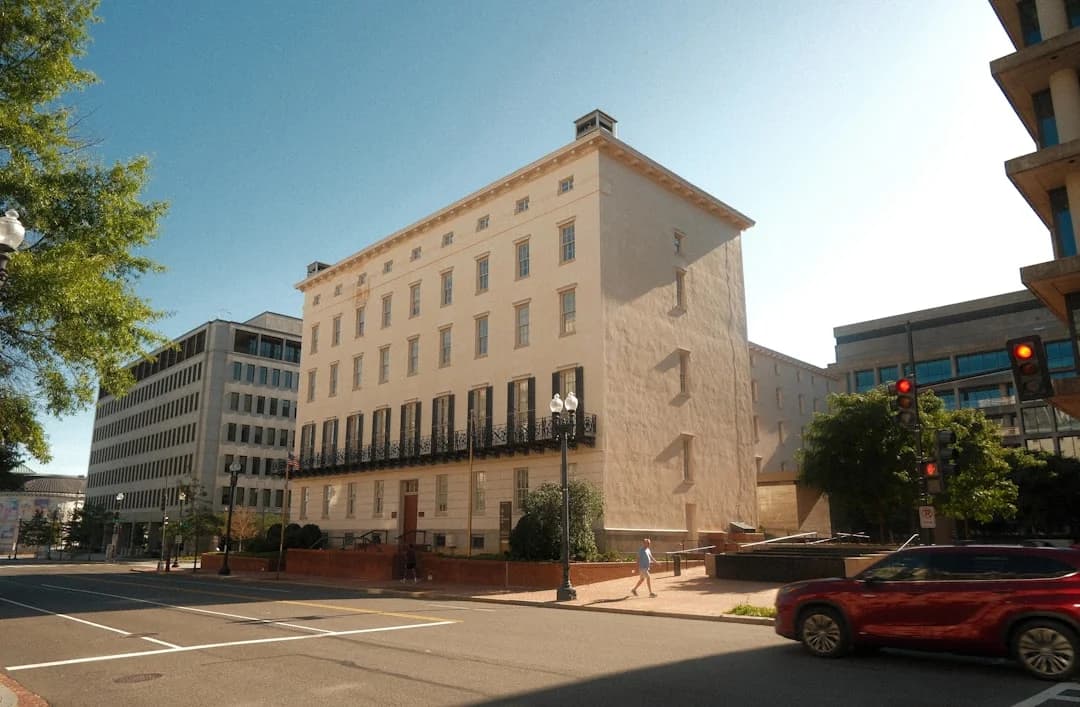
The Capitol Hill community is watching a major transformation of its local library facilities, with the Southeast Neighborhood Library at the heart of a broader Capitol Hill library modernization makerspace initiative. DC Public Library officials announced a comprehensive modernization plan for this historic Carnegie library building that sits at 403 7th Street SE, part of a citywide push to refresh aging branches with expanded space for readers, learners, and creators. The project carries a clear goal: preserve the building’s historic character while delivering modern amenities, improved accessibility, and new spaces that reflect today’s digital and hands-on learning needs. The official project overview describes a $33 million modernization aimed at expanding space for children, teens, and adults, increasing book and computer capacity, and restoring the building’s exterior and interior details while incorporating sustainability principles. This project is a centerpiece of the Capitol Hill library modernization efforts and signals a broader trend toward maker-oriented community spaces within public libraries. (dclibrary.org)
Beyond the Southeast Library, the DC Public Library system has positioned maker-oriented services—sometimes labeled as “Labs” or “Fabrication Lab”—as a core element of modern branches. The Labs program includes maker spaces and equipment designed to support hands-on creation, digital fabrication, and collaborative learning. At DC’s Martin Luther King Jr. Memorial Library, DCPL operates Maker Space and Machinery programs as part of its Labs offerings, underscoring a citywide strategy to expand access to fabrication tools, 3D printing, and related technologies. These efforts connect to the Capitol Hill library modernization by offering precedent, design philosophy, and service models for how a modernized Southeast Library could serve community makers and learners. (dclibrary.org)
The timeline and milestones for the Southeast Library modernization have evolved through design reviews, community engagement, and construction updates. In 2023 and into 2024, DC Public Library documented ongoing community input, historic preservation reviews, and design refinement steps for the Southeast Library project, including engagement with the Advisory Neighborhood Commission, historic preservation boards, and the Commission of Fine Arts. The design process has featured multiple public meetings, surveys, and focus groups, illustrating a collaborative approach to transforming a beloved neighborhood institution while preserving its Carnegie-era heritage. The project’s evolution is typical of major Capitol Hill public projects that balance historic district considerations with modern facilities, and it reflects a broader, system-wide trend toward library modernization and “maker” programming in DC. (dclibrary.org)
Opening and early milestones are part of the story too. The DC Public Library’s Southeast Library Modernization Project page highlights that the $33 million modernization is nearing completion and is slated to reopen on a specific fall date. The page also outlines the modernization’s core goals: expanded spaces for readers and learners, more room for books and technology, accessibility improvements, and environmental sustainability features. Interim services and site logistics have been coordinated to ensure a smooth transition for customers during the transition from construction to full service. While the exact reopening date is highlighted in the official project page, local coverage has provided complementary updates on the project’s progress and anticipated timelines, underscoring the community’s interest in the project’s completion and the services that will resume once the Southeast Library reopens. (dclibrary.org)
Section 1: What Happened
Project Scope and Budget
A Modernization Plan for a Capitol Hill Carnegie Library
Photo by Urvish Oza on Unsplash
The core redevelopment initiative centers on the Southeast Library, one of DC Public Library’s three Carnegie libraries. The modernization is a major investment, with the library system publicly naming a $33 million price tag for the project. The scope includes modernizing interior spaces, expanding capacity for patrons, and preserving key historic elements while introducing contemporary accessibility and sustainability features. The project’s stated goals include expanded space for children, teens, and adults; more room for books, computers, and seating; an accessible entrance; and an upgraded exterior landscape. These design priorities align with the city’s broader goal of creating “makerspace” friendly environments that can host workshops, technology demonstrations, and collaborative projects, consistent with DC Public Library’s Labs approach across the system. The Southeast Library project’s budget and goal statements appear directly in the official Southeast Library Modernization Project page from DC Public Library. (dclibrary.org)
Historic District and Design Review Context
The Southeast Library project sits within the Capitol Hill Historic District, a fact that has shaped design reviews and approvals. Planning documents and review materials from the District of Columbia highlight ongoing reviews with local historic commissions and design authorities, underscoring the careful balance between preserving the library’s Carnegie-era character and delivering modern facilities. The design review materials indicate that the library’s modernization involved coordination with the Historic Preservation Review Board and other agencies as part of the project’s regulatory pathway. These reviews reflect the district’s commitment to protecting historic assets while enabling contemporary library programming and access. (planning.dc.gov)
Timeline Milestones and Construction Progress
The Southeast Library modernization has progressed through a multi-year timeline with public updates and construction milestones. Public coverage from local outlets, including Capitol Hill Corner, has documented a timeline in 2026 that places completion targets in the mid-year range and outlines the post-construction staff transition period. Specifically, Capitol Hill Corner reported in April 2026 that the target completion date was mid-June 2026, followed by six weeks of staff training and moving books, equipment, and furniture into the renovated space. This reporting provides a concrete, near-term milestone for the project’s completion and transition back to full service, offering readers a precise reference point for the “capitol hill library modernization makerspace” project’s near-term status. (capitolhillcorner.org)
Makerspace and Fabrication Elements in the DCPL Ecosystem
While the Southeast Library project is a neighborhood-focused modernization, it sits within a broader public library movement in Washington, DC, toward maker-oriented spaces. DC Public Library’s Labs program stacks are designed to empower community members to design, prototype, and create, spanning maker spaces, fabrication labs, and related equipment. The Labs program, including Maker Space and Machinery, demonstrates public library leadership in providing access to fabrication tools, 3D printing, and related resources, which can inform the design and programmatic plan for the Capitol Hill library modernization. The Labs framework is described in DCPL’s official pages for Martin Luther King Jr. Memorial Library and Maker Space and Machinery. (dclibrary.org)
Section 2: Why It Matters
Expanded Access to Learning and Creation
A Citywide Shift Toward Makerspaces in Public Libraries
Photo by Tomas Martinez on Unsplash
The Capitol Hill library modernization makerspace narrative is part of a broader pattern in the DC Public Library system, where maker spaces are increasingly integrated into neighborhood branches. This shift reflects growing demand for hands-on, project-based learning that complements traditional reading and study spaces. The Southeast Library’s modernization, with its emphasis on expanded program space and accessibility improvements, aligns with the DC Public Library’s ongoing emphasis on maker-friendly environments. The official project overview explicitly calls for expanded spaces and enhanced collaboration areas, which are central to maker-oriented programming. This trend matters to residents who seek opportunities to learn by doing, whether through 3D printing, digital fabrication, or hands-on workshops that bring students, families, and adults together. (dclibrary.org)
Community Programs and Access for All
DC Public Library’s Labs and Maker Space programs are designed to be inclusive and accessible, supporting a wide range of users—from school groups to adult learners. The Labs program at MLK Memorial Library demonstrates the library system’s commitment to accessible maker culture, including a dedicated Fabrication Lab and equipment that can be used for hands-on learning, small business prototyping, and community projects. In a neighborhood library modernization context, this model helps ensure that Capitol Hill residents not only have upgraded collection space but also access to the tools and training needed to turn ideas into tangible outcomes. This alignment with a citywide, equity-focused access strategy makes the Capitol Hill library modernization makerspace effort a meaningful step for community empowerment. (dclibrary.org)
Economic, Educational, and Social Impacts
Local Economic and Educational Impacts
A key question for readers is how a financing-heavy project—such as a $33 million library modernization—translates into local benefits. In Capitol Hill’s Southeast Library case, the upgraded facility promises more room for literacy programs, workforce development initiatives, and family-oriented learning experiences. Expanded space for children and teens, increased access to computers and seating, and improved study and meeting spaces are among the anticipated outcomes. While the primary data point is the project’s budget and scope, the downstream impact includes increased opportunities for youth engagement, after-school programming, and community-led workshops that leverage the library’s updated architecture and maker-oriented capabilities. DC Public Library’s project page emphasizes such outcomes as part of the modernization goals, aligning with broader city aims to foster lifelong learning and digital literacy. (dclibrary.org)
Social and Cultural Value of a Modernized Capitol Hill Library
The Southeast Library modernization is more than a construction project; it also preserves a neighborhood landmark while enabling new social and cultural activities. The Capitol Hill community has a history of civic engagement around library services, including community meetings and design reviews. The modernization process has integrated community input from eight design meetings and surveys, reflecting a democratic approach to shaping a public space that serves diverse needs. The social value of a refreshed library on Capitol Hill includes stronger neighborhood cohesion, more opportunities for intergenerational collaboration, and enhanced access to maker-inspired programming that can capture the interest of residents who may not otherwise participate in traditional library programs. This social value aligns with the city’s emphasis on equitable access to learning resources and creative opportunities. (dclibrary.org)
Strategic Alignment with DC Public Library’s Maker Initiatives
Systemwide Consistency and Local Adaptation
DC Public Library’s maker and fabrication offerings across multiple branches demonstrate a consistent strategic framework: provide accessible tools and spaces that enable hands-on learning, creative prototyping, and collaborative projects. The Southeast Library modernization can be viewed as a local implementation of this broader strategy, adapted to the Capitol Hill context and the specific needs of the surrounding community. The presence of Maker Space and Machinery within DCPL’s Labs ecosystem offers a credible blueprint for how the Southeast Library’s redesigned spaces could be configured to support both structured programs and spontaneous maker activity. By aligning with the Labs model, Capitol Hill residents gain consistent access to maker resources across the city, facilitating cross-branch programming and potential partnerships with nearby schools and youth organizations. (dclibrary.org)
Public-Private and Public-Community Partnership Implications
Coordinated Stakeholder Involvement
The design and implementation of a major library modernization project involve a diverse set of stakeholders, including the ANC, historic preservation boards, and design professionals. DC’s planning and review processes, including engagement with the Capitol Hill Restoration Society and federal and local arts commissions, illustrate how public infrastructure projects can embed community voice while meeting citywide standards. The Southeast Library project’s public engagement record, including multiple meetings and a wide range of design iterations, demonstrates how such collaborations can shape library facilities to be more than just repositories of books. They become community hubs for learning, creativity, and collaboration. (dclibrary.org)
Section 3: What’s Next
Timeline, Next Steps, and What to Watch For
Photo by Ilia Bronskiy on Unsplash
Near-Term Milestones and Reopening Plans
With the Southeast Library modernization project approaching completion, readers should expect a transition period that includes staff training, moving furniture and equipment into the renovated space, and a public relaunch that emphasizes the new capabilities of the library, including the maker space elements. Local reporting in 2026 indicated a target completion in mid-June, followed by six weeks of staff training and repositioning of materials, culminating in a public reopening in the weeks that follow. This timeline reflects the practical steps libraries must take to ensure that the new spaces are fully functional and that staff are prepared to deliver enhanced programs and services. While the precise reopening date may shift as the project passes through final inspections and commissioning, the public communications emphasize a clear sequence: finish construction, complete staff onboarding, then resume full library service with expanded offerings. (capitolhillcorner.org)
Program Relaunch and Community Opportunities
As the Southeast Library returns to service, readers and community organizations can anticipate a robust calendar of programs that leverage the new space. The DC Public Library’s Programs and Services in the Community section illustrate how libraries partner with local organizations to deliver story times, book clubs, and other activities. In the context of the Southeast Library modernization, program relaunches are likely to emphasize family-centered activities, digital literacy training, and maker-oriented workshops that capitalize on the new spaces and equipment. The library’s collaboration with local partners—like Barracks Row Main Street—during programming relaunches points to a broader ecosystem of community engagement that the updated Southeast Library can activate. (dclibrary.org)
Ongoing Oversight and Future Phases
Public library modernization in a historic district inevitably involves ongoing oversight, possible refinements, and potential future enhancements. The Capitol Hill neighborhood’s experience with design reviews and community input suggests that even after the Southeast Library reopens, the library system will monitor usage patterns, assess program demand, and adjust staffing and space configurations to meet evolving needs. The maker space component—if integrated into the final design—will require ongoing training, safety updates, and equipment maintenance to ensure sustained access for residents. Keeping an eye on DCPL’s Labs program updates and Southeast Library’s post-opening programming will be essential for readers who want to track the project’s long-term impact. (dclibrary.org)
Closing
The Capitol Hill library modernization makerspace narrative reflects a principled balance between preserving a historic neighborhood landmark and delivering a modern, inclusive, and creative learning environment. By investing in a maker-friendly, accessible, and future-oriented Southeast Library, DC Public Library is aligning with a broader citywide trend toward hands-on learning and community collaboration. The project’s budget, timeline, and maker-oriented design choices illustrate a data-informed approach to public space modernization that seeks to maximize community benefit while honoring Capitol Hill’s distinctive heritage. Readers who want to stay informed can follow DC Public Library’s Southeast Library Modernization Project updates and track progress through official DCPL channels and trusted local coverage as the Southeast Library reopens and expands its program offerings.
The evolving Capitol Hill library modernization makerspace story demonstrates how public institutions can evolve to meet 21st-century learning needs while preserving the cultural and historical fabric that makes Capitol Hill unique. As the Southeast Library project advances, it stands as a concrete example of how libraries can remain central to community life—providing access to knowledge, technology, and spaces for collaboration that empower residents to learn, create, and connect.
In the weeks ahead, expect more updates on timelines, program launches, and partnership opportunities around the Southeast Library and other Capitol Hill branches as DC Public Library continues implementing its maker-focused strategy across the district. The community’s interest, expressed through ongoing design meetings and public engagement, underscores the importance of transparent communication and timely information about the Capitol Hill library modernization makerspace initiative.
Notes on ongoing updates and sources:
- Southeast Library Modernization Project page confirms the $33 million budget and the modernization goals, including expanded spaces and accessibility improvements. (dclibrary.org)
- Local reporting in 2026 documents a mid-June 2026 target completion with six weeks for staff training and move-in, providing a concrete near-term milestone for the project’s finish and transition. (capitolhillcorner.org)
- The Southeast Library’s historic district context and design review processes reflect the project’s alignment with preservation requirements while enabling modern amenities. (planning.dc.gov)
- The broader DC Public Library Labs program showcases maker space and fabrication lab offerings that inform the potential capabilities of the Capitol Hill modernization, including Maker Space and Machinery facilities at other DCPL locations. (dclibrary.org)
- The Southeast Library’s interim services and phased transition illustrate how a major renovation can maintain library access for the community during construction. (dclibrary.org)