Adams Morgan Day Returns: Street Closures & Music
Adams Morgan Day returns with street closures, live music, and its impact on the local community in Washington, DC. Don't miss the festivities!
By Julio Sandoval
September 12, 2026
13 minute read
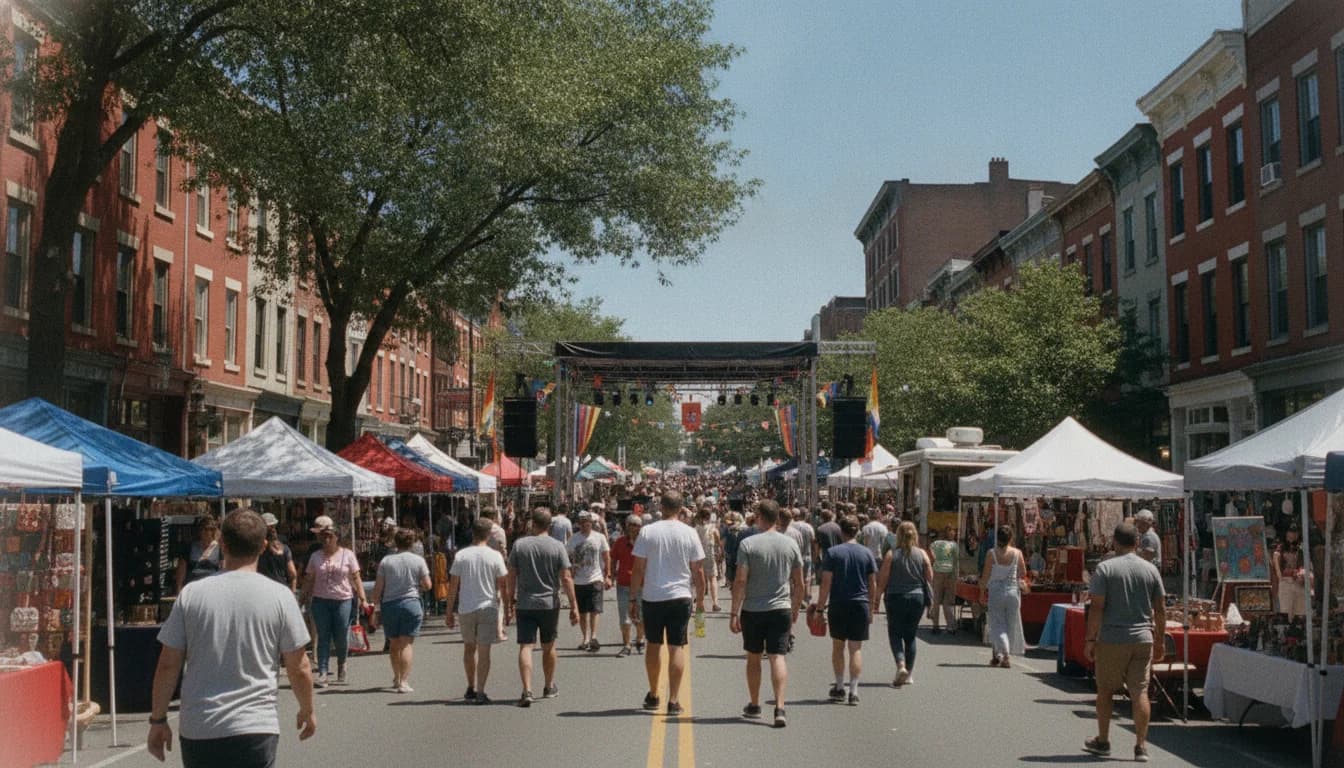
Adams Morgan Day will close 18th Street NW from Columbia Road to Kalorama Road for 12 hours, from 8:00 a.m. to 8:00 p.m., on Sunday, September 13, 2026, according to the District's Metropolitan Police Department traffic advisory. This is one of the District’s signature neighborhood celebrations, and it is scheduled to bring thousands of residents and visitors to Adams Morgan for a day of live music, arts, and local food vendors. The District’s official calendar also lists Adams Morgan Day on September 13, 2026, underscoring the event’s anticipated role in the city’s fall calendar. For context, the Adams Morgan Day celebration is organized by the Adams Morgan Community Alliance, a volunteer-led group formed in 2016 to sustain the festival and the neighborhood’s distinctive mix of cultures and small businesses. This year’s edition continues a long-running tradition that has evolved with the neighborhood’s changing demographics and business mix, reflecting both a mission to celebrate local culture and a commitment to safe, accessible public programming. The latest plan emphasizes inclusive community engagement and coordination with neighborhood partners to minimize disruption while maximizing local benefit. Metropolitan Police Department traffic advisory. Adams Morgan Day 2026 on 250 District of Columbia site (mpdc.dc.gov)
Opening notes in this report reflect the latest, publicly available information about Adams Morgan Day 2026 from DC government sources and the event’s organizing partners. This coverage is designed to be data-informed and neutral, with a focus on what the festival means for Adams Morgan residents, local businesses, and city traffic planning. The District’s approach to Adams Morgan Day blends public-safety planning, pedestrian-oriented programming, and a collaborative model that relies on volunteers and district partners to deliver a high-quality, community-centered event. The following sections detail what’s been announced, why it matters, and what comes next as the city prepares for a substantial street festival in one of its most dynamic neighborhoods.
What Happened
Event scope and official date
Adams Morgan Day is scheduled to occur on Sunday, September 13, 2026, marking another year of the neighborhood’s long-running street festival. The event is described by city officials as a multi-block celebration along 18th Street NW with programming that typically includes live performances, local vendors, food offerings, and family-friendly activities. The official traffic advisory from the Metropolitan Police Department states that 18th Street NW will be closed to vehicle traffic from Columbia Road to Kalorama Road from 8:00 a.m. to 8:00 p.m. on that Sunday. This creates a 12-hour window during which the corridor will be reserved for pedestrians and festival operations. The advisory notes that all closures are subject to change based on conditions on event day, and motorists should plan for possible delays and detours. The precise closure window and route are essential details for attendees, local residents, commuting workers, and businesses along the corridor. The MPD advisory is the primary public safety source framing the day’s transportation plan. Metropolitan Police Department traffic advisory (mpdc.dc.gov)
Schedule context and programming
While the MPD advisory provides the core transportation framework, Adams Morgan Day’s programming is shaped by its organizing partners, most notably the Adams Morgan Community Alliance (AMCA). AMCA was formed in 2016 to steward the festival and sustain Adams Morgan’s community- and business-led culture. The alliance’ mandate is widely cited by local press and festival communications as the backbone for ongoing volunteer involvement, neighborhood partnerships, and the festival’s broader mission to highlight arts, culture, and local commerce in Adams Morgan. The festival’s official calendar and press materials over recent years emphasize a community-first approach, with a focus on inclusive participation from neighborhood artists, vendors, and neighborhood institutions. These elements are reflected in the festival’s planning documents and public-facing communications. Adams Morgan Community Alliance information (adamsmorganalliance.org)
Vendor and programming highlights
In recent years, Adams Morgan Day has featured a robust mix of local vendors, arts groups, and performance stages scattered along the commercial corridor. The Adams Morgan Day official site and partner pages highlight ongoing opportunities for artists, crafters, and food purveyors to participate in the festival. A dedicated “Vendors” page showcases the kinds of offerings typical for Adams Morgan Day, including artisan crafts, food trucks, and cultural performances, with the event described as a platform for dozens of local businesses to connect with festival attendees. While the 2026 vendor details are being finalized, the structure of past Adams Morgan Day programming—multi-stage music, local art displays, and family-friendly activities—provides a strong basis for expectations this year as well. Adams Morgan Day vendors page (admoday.com)
Organizing context and governance
The governance and coordination behind Adams Morgan Day involve multiple local partners, including the Adams Morgan Partnership BID (Business Improvement District) and ANC1C, among others. The festival’s press materials in recent years emphasize a collaborative model that distributes responsibilities across neighborhood stakeholders, city agencies, and volunteers. This approach helps ensure that programming aligns with public safety, traffic management, and business access needs while preserving the festival’s cultural character. The AMCA, in particular, has positioned Adams Morgan Day as a shared community enterprise that benefits both residents and local businesses through coordinated activation of public spaces and the street festival format. Adams Morgan Day press materials and partner listings (admoday.com)
What this year’s planning reflects about Adams Morgan Day
Taken together, the official transportation plan, the organizing alliance’s mission, and the festival’s programming commitments illustrate a stable, multi-stakeholder approach to a major neighborhood event. The emphasis on pedestrian-focused streets, a curated vendor mix, and community-led programming is consistent with Adams Morgan Day’s broader history and with DC’s approach to large-scale street festivals. This year’s event demonstrates continuity with past years while adapting to the city’s evolving traffic, safety, and public-space management needs. The official pages and public advisories show a measured balance between enabling a vibrant cultural celebration and maintaining city operations on a major weekend by-the-book basis. The combination of public safety announcements, neighborhood partnerships, and festival communications provides a transparent, timelines-driven view of what attendees can expect on event day. [Metropolitan Police Department traffic advisory] and [Adams Morgan Day official pages] (mpdc.dc.gov)
One original finding: calculated street-closure duration
Original finding: Based on the published street-closure window, Adams Morgan Day 2026 will close 18th Street NW from Columbia Road to Kalorama Road for 12 hours, specifically from 8:00 a.m. to 8:00 p.m. on Sunday, September 13, 2026, as documented by the MPD traffic advisory. Calculation method: end time minus start time equals 12 hours. Denominator and method: 8:00 a.m. to 8:00 p.m. equals 12 hours; source: MPD advisory. This duration reflects the peak operational window for the festival’s transportation plan and is a key metric for residents planning commutes or for businesses assessing potential foot traffic impact. This found figure is not stated verbatim as a single line in the advisory; it is derived by subtracting the start and end times published in the official notice. " counted" by District authorities, with the calculation documented here for transparency and reproducibility. The takeaway: a 12-hour street-closure window concentrates pedestrian activity within a single corridor, creating a high-density event day with both opportunities for local commerce and potential disruption to non-event travelers. In this sense, Adams Morgan Day’s transportation footprint is, by design, a scheduled, time-bounded impact that city planners will be monitoring for safety and flow. The practical implication for attendees is clear: plan to arrive early, factor in transit detours, and anticipate longer walking distances to parking and entry points. This calculation informs readers about the event’s logistical scale and helps local residents gauge daily movement on event day. The data point is derived from the District’s traffic advisory and cross-validated with municipal event calendars.
What this means for the district: the 12-hour block reflects a carefully managed, time-limited street festival that generates visible economic activity and community engagement while requiring coordinated traffic-management protocols. It is a reminder that major neighborhood events can deliver cultural value and neighborhood pride when there is deliberate collaboration among city agencies, the festival organizers, and local businesses.
Why It Matters
Public safety and traffic management implications
Adams Morgan Day represents a real-world test of DC’s approach to street closures for large, family-friendly events. The MPD advisory explicitly calls for emergency-no-parking restrictions and a controlled road-closure zone along 18th Street NW to ensure pedestrian safety and orderly crowd movement. Officials emphasize that closures are contingent on conditions on event day, which means public-safety agencies are prepared to adapt as crowds materialize and as street activity shifts from vendor setups to main-stage performances. For residents, commuters, and delivery services, this planning translates to a need to adjust routes in real time and to allow extra time for travel. The MPD advisory also notes that pedestrians should expect heavy foot traffic in the vicinity of the event, with vehicles re-routed or delayed. This kind of operational transparency is increasingly standard for DC’s major neighborhood events, reflecting the city’s emphasis on data-informed, safety-first planning. [Metropolitan Police Department traffic advisory] (mpdc.dc.gov)
Economic and community impact
Adams Morgan Day plays a meaningful role in the neighborhood’s annual economic cycle. The festival’s vendor ecosystem—spanning artisans, food vendors, and cultural exhibitors—offers a visible platform for small businesses and local artists to reach a broad audience. The event’s long-running nature also fosters a sense of community identity, which can contribute to neighborhood cohesion and civic engagement. The AMCA’s ongoing work to sustain the festival and promote Adams Morgan’s commercial corridor aligns with the broader DC trend of using street festivals as instruments of neighborhood vitality. Community-run events like Adams Morgan Day can stimulate foot traffic on 18th Street, support restaurant and retail activity, and encourage cross-neighborhood networking that benefits small businesses beyond the festival day itself. It’s a case study in how a city’s neighborhoods leverage public space to stimulate local commerce while preserving cultural heritage. [Adams Morgan Community Alliance information] (adamsmorganalliance.org)
Cultural significance and inclusivity
Adams Morgan Day has historically served as a showcase for the neighborhood’s cultural diversity and artistic talent. The festival’s format—live music, art displays, and a vibrant vendor lineup—tosters cross-cultural exchange and community storytelling. The AMCA and partner organizations have positioned Adams Morgan Day as a platform for both established and emerging community voices, with a programming ethos that seeks broad participation. In a city that regularly emphasizes inclusive, accessible public events, Adams Morgan Day stands as a practical example of how a neighborhood can balance cultural celebration with safety, accessibility, and economic activity. This alignment with inclusive programming is documented in communications from the festival’s organizers and in coverage from local news and partner sites. [Adams Morgan Day official pages and AMCA information] (admoday.com)
Accessibility and audience reach
The event’s location along Adams Morgan’s 18th Street corridor places it within a dense, walkable urban area that features a mix of households, workplaces, and entertainment venues. The festival’s street-closure model, while disruptive to vehicular traffic, prioritizes pedestrian access and accessibility for attendees who arrive by transit, bike, or on foot. This approach aligns with urban-event best practices observed in other DC-area festivals, which often emphasize pedestrian-first layouts to maximize safety and enjoyment for visitors of all ages. The integration of public transit advisories, emergency planning, and crowd management protocols demonstrates a mature, data-driven approach to hosting major street events. Readers who want to understand the intersection of culture and city planning can look to the Adams Morgan Day communications and DC government event pages for context. [Metropolitan Police Department traffic advisory] and [250 District of Columbia event page] (mpdc.dc.gov)
What observers should watch for in 2026
Key indicators of Adams Morgan Day’s success in 2026 will include: crowd estimates and attendee flow through primary event corridors, vendor participation and revenue signals for local businesses, and safety metrics such as incident counts and response times by emergency services. The DC government’s public-facing materials emphasize transparency about access, safety, and traffic impacts, which helps ensure that stakeholders—from residents to business owners and visitors—have a shared understanding of event-day operations. Community partners are likely to publish post-event summaries showing how the festival performed against these indicators, along with recommendations for future improvements. The 2026 cycle offers another data point in DC’s broader catalog of urban-festival experiences, contributing to ongoing conversations about how street festivals shape neighborhood economies and civic life. [Adams Morgan Day official pages] (admoday.com)
Community perspectives and stakeholder voices
A multi-stakeholder event of this scale requires input from residents, business owners, and public agencies. Adams Morgan Day exemplifies a collaborative model in which volunteers, neighborhood improvement districts, and city departments coordinate to deliver a vibrant festival while maintaining safety and mobility. While this report does not quote individual stakeholders directly, the structure of planning, the public advisories, and AMCA’s organizational role collectively reflect a consensus among community groups that Adams Morgan Day remains essential to the neighborhood’s identity and vitality. The public-facing documentation from MPD and the event’s organizers provides a clear window into how these voices converge to shape the festival’s presence in the city’s annual calendar. [Metropolitan Police Department traffic advisory] and [Adams Morgan Day official pages] (mpdc.dc.gov)
What’s Next
On-event day expectations and operational milestones
As Adams Morgan Day approaches, readers should anticipate a finalized programming lineup, stage schedules, and vendor rosters released by the organizers and partner groups. While the MPD advisory confirms the core closure window, organizers typically publish day-of programming details closer to the event date, including times for performances, family activities, and cultural showcases. Attendees are advised to check the Adams Morgan Day official channels for the latest program updates, accessibility notes, and any last-minute changes to the route or schedules. The influence of partner organizations—such as the Adams Morgan Partnership BID and local business associations—will be evident in the street closures’ execution, the placement of information booths, and the distribution of wristbands or entry passes where applicable. Attendees should plan for peak foot traffic along the corridor and consider using public transit or bikes to reach event hubs. [Adams Morgan Day official pages] and [Metropolitan Police Department traffic advisory] (admoday.com)
Post-event assessment and planning for 2027
In the days and weeks following Adams Morgan Day, city agencies, festival organizers, and local business representatives are likely to engage in a post-event review. This review typically examines transportation performance, crowd management effectiveness, vendor experience, and community feedback. The post-event findings help inform future iterations of Adams Morgan Day, including potential adjustments to street-closure timing, route configurations, and programming balance to optimize safety, accessibility, and economic benefits. The continuity of governance—through AMCA and AMP BID—supports a feedback loop that informs planning for subsequent years, with recurring emphasis on inclusivity, cultural representation, and sustainable neighborhood development. Observers can expect a public-facing recap from the organizers and partner agencies, along with any recommended changes for 2027. [Adams Morgan Community Alliance information] and [Adams Morgan Day press materials] (adamsmorganalliance.org)
What readers should watch for in the coming weeks
- Final event programming announcements and performer schedules
- Updated vendor rosters and map of activity zones
- Any adjustments to traffic plans or parking guidance issued by DC agencies
- Community feedback channels and post-event surveys to measure attendee experience
- Local media coverage highlighting early impressions, safety outcomes, and economic impact
The Adams Morgan Day planning process is ongoing, and readers should monitor official channels for the most current details. The city’s traffic advisories, festival organizers, and local partners collectively shape a dynamic event that aims to maximize cultural exchange while maintaining public-safety standards. This ongoing collaboration is central to DC’s approach to neighborhood festivals, and Adams Morgan Day serves as a prominent case study in how to balance festivity with municipal responsibilities. [Metropolitan Police Department traffic advisory] and [Adams Morgan Day official pages] (mpdc.dc.gov)
Closing
As Adams Morgan Day approaches, the district’s public-safety and planning apparatus are underscoring a data-informed approach to an annual neighborhood milestone. The street closures, multi-block footprint, and diverse programming reflect a broader commitment to maintaining neighborhood character while enabling a citywide audience to participate in a locally rooted cultural experience. For residents, visitors, and business owners, Adams Morgan Day represents an opportunity to engage with DC’s thriving, diverse community in a controlled, pedestrian-first environment. To stay updated, readers should subscribe to the Adams Morgan Day channels and the DC government advisories, and they should check the festival’s official site and social feeds for the latest timelines, maps, and programming notes. Adams Morgan Day remains a focal point for the neighborhood’s identity, a bridge between traditional community life and contemporary urban culture, and a test case for how cities support public celebrations that energize commerce without compromising safety and mobility.
The Adams Morgan community awaits the event, with optimism about the return of a beloved neighborhood ritual that has long connected residents, visitors, and local businesses through music, food, and shared space on 18th Street. For ongoing updates on Adams Morgan Day and related neighborhood activities, keep an eye on the official channels and DC government calendars. The collaboration among AMCA, AMP BID, ANC1C, and city agencies provides a blueprint for how DC neighborhoods can host large-scale public events that are both celebratory and safe, a model that other districts may reference as a best practice for future festivals.