Waymo Plans to Launch Robotaxi Service in DC by 2026
Waymo aims to introduce its autonomous ride-hailing service in Washington, D.C., in 2026, as it navigates regulatory challenges and prepares for local…
By Terrence Holt
September 2, 2026
8 minute read
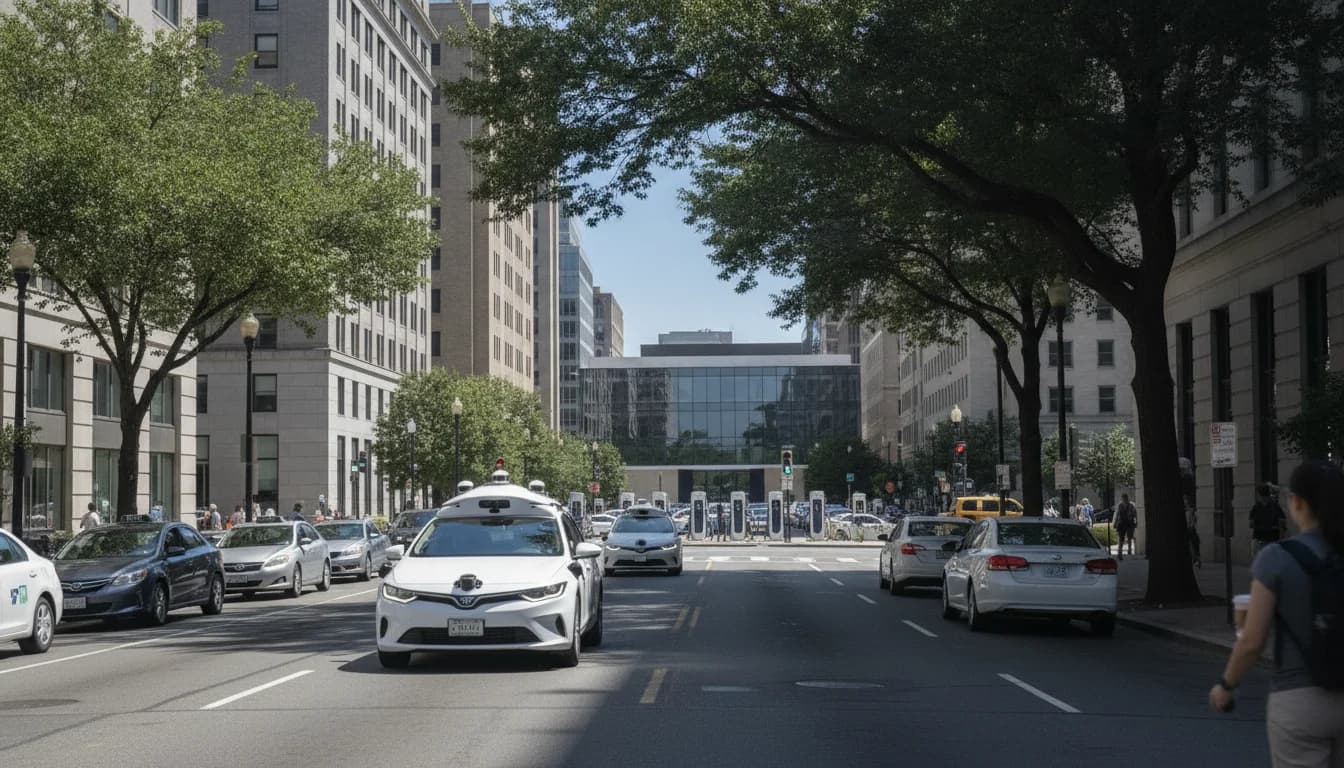
Waymo has announced a plan to bring its fully autonomous ride-hailing service to Washington, D.C., with rides expected to begin in 2026. This development marks a significant step in the ongoing Waymo robotaxi expansion in DC, as the company works to translate years of testing into a public service framework in the nation’s capital. The announcement reframes how District residents and visitors think about urban mobility, offering a driverless option in a city known for dense traffic, complex road layouts, and a high volume of visitors. Waymo’s public positioning emphasizes safety, reliability, and the potential for reduced traffic incidents, while policymakers weigh regulatory specifics that will shape deployment speed and scale. The company has framed the DC expansion as part of a broader national push, with DC following several other markets that are already live with Waymo One or in advanced testing modes. This moment underscores the Waymo robotaxi expansion in DC as a test case for how a major city negotiates safety, labor impacts, and public accountability in a fully autonomous ride-hailing ecosystem. (Waymo blog, March 25, 2025) (waymo.com)
The District’s path to driverless rides has been framed by regulatory debates, public safety considerations, and workforce displacement concerns. Waymo’s DC timelines come as the company begins mapping and facility expansion in the District, signaling a readiness to invest in local infrastructure and jobs should the council approve the framework needed to operate without a human driver. In its public communications, Waymo has emphasized ongoing collaboration with policymakers, first responders, and safety advocates as it lays the groundwork for a regulated, scalable operation. The practical impact is immediate for stakeholders watching DC’s regulatory process, as several recent reports outline how policy design—such as fleet size caps and potential congestion-related fees—could determine when and how quickly robotaxi rides become available to residents and visitors. The latest coverage also highlights the tension between accelerating innovation and protecting workers and passengers, a central theme in the unfolding DC story. (Waymo blog; Axios reporting on DC policy debates and labor considerations) (techcrunch.com)
Section 1: What Happened
Announcement and initial timeline
Waymo’s DC introduction and official timing
Waymo announced that Waymo One would be ready for riders in Washington, D.C., in 2026. The company described its return to the District as a deliberate step in a broader expansion plan that includes additional markets and a continued focus on safety and reliability. The March 25, 2025 Waymo blog post states explicitly that Washington, D.C., would follow in the expansion sequence after other target cities and would be accessible via the Waymo One app once regulatory conditions for driverless operation are formalized. This timeline agreement—2026 for DC—is grounded in the company’s ongoing method of gradual city-by-city deployment, incorporating safety, community outreach, and policy engagement at each stage. (Waymo blog, March 25, 2025) (waymo.com)
DC testing status and footprint
Early testing and site development
In the months leading to a public DC rollout, Waymo began small-scale testing within the District using test fleets under human supervision and safety protocols. Reports and company communications noted a pipeline of facility investments to support ongoing testing, mapping, and eventual service. By mid-2026, Axios reported that Waymo was building out two DC service centers to support maintenance, charging, and operations, signaling a tangible commitment to the District beyond pilot testing. The footprint expansion is part of a broader strategy to establish a local hub capable of sustaining a fleet of autonomous vehicles as policy evolves. (Axios DC reporting, July 13, 2026) (axios.com)
Regulatory groundwork and legislative context
Council bill and regulatory design
A central feature of Waymo’s DC progression has been the regulatory framework the District intends to adopt to govern fully autonomous robotaxis. Axios coverage in July 2026 highlighted a council bill that would impose a cap on robotaxi fleets (initially discussed around 200 vehicles) and potential vehicle miles traveled charges intended to fund transit and worker transition programs. Waymo publicly indicated that it would push for changes to the proposed cap to avoid limiting its ability to serve the District effectively. The ongoing negotiation between Waymo and DC Council members illustrates a larger national conversation about how to balance rapid deployment of autonomous mobility with traffic, safety, and employment considerations. The timeline for a final vote on the bill remained uncertain at that point, with observers watching fall sessions for movement on the measure. (Axios Local Washington, July 20, 2026) (axios.com)
Facility and hiring plans
Investments, centers, and workforce implications
Waymo has publicly described investments in DC facilities, including multiple service centers designed to support vehicle maintenance, charging infrastructure, and operations—key prerequisites for a scalable robotaxi service. Axios’ reporting indicates the company had already built out two DC service centers and was negotiating the specifics of its investment footprint, including potential additional sites to support growing demand and ensure robust service levels. Beyond real estate, Waymo has signaled intent to hire a significant local workforce to operate and maintain the fleet, with the possibility of hundreds of jobs tied to DC operations should regulatory authorization be granted. (Axios DC reporting, July 13, 2026) (axios.com)
Section 2: Why It Matters
Regulatory landscape and safety considerations
DC policy as a proving ground for autonomy
Washington, D.C., presents a unique regulatory environment for autonomous mobility, given its dense urban fabric, high pedestrian activity, and the role of federal government facilities. Waymo’s DC launch plan depends on a regulatory framework that accommodates fully autonomous rides while maintaining safety and accountability standards. The public dialogue around the permit structure, vehicle caps, and potential congestion-related charges illustrates how policy choices will influence not just when a service starts, but how extensively it can scale. The ongoing policy discussions, including council hearings and committee reviews, are a core part of shaping the practical viability of Waymo’s DC plan and similar initiatives in other U.S. cities. (TechCrunch, Waymo blog, Axios coverage) (techcrunch.com)
Economic and employment implications
Jobs, investment, and local impact
The DC process has captured attention for its potential economic impact, including the creation of local jobs and investment in infrastructure. Waymo has stated that it would hire hundreds of workers to support DC operations if the council approves the robotaxi plan, underscoring the project’s potential as a driver of local employment and supplier activity. The company’s stance is that the investment in DC facilities and the broader workforce transition efforts could help address concerns around displaced rideshare drivers and related roles, a point echoed in interviews and policy discussions in the District. The conversation around labor impact remains a focal point for stakeholders, with unions and city officials seeking to balance innovation with protections for workers. (Axios, July 13 and July 20, 2026; Waymo communications) (axios.com)
Public safety, equity, and mobility outcomes
Broader mobility benefits and potential drawbacks
Supporters of Waymo’s expansion emphasize potential safety gains, traffic reliability, and increased mobility options for residents and visitors, especially in urban corridors that can benefit from predictable autonomous ride-hailing. Critics, including labor groups and some members of the public, raise concerns about worker displacement, congestion, and the need for robust safety oversight as fleets scale. The DC policy discussion also reflects broader urban planning questions about how autonomous fleets interact with traditional transit, parking supply, and last-mile connectivity. The DC example provides a microcosm for evaluating whether robotaxi services can meaningfully complement public transit while mitigating unintended impacts. (DC policy discussions; Waymo and third-party reporting) (ddot.dc.gov)
Public engagement and community outreach
Building trust through communication and safety metrics
Waymo has highlighted its safety track record and ongoing engagement with local communities and first responders as part of its DC preparation. The company has pointed to millions of miles driven in fully autonomous mode and a long history of safety data to support its case for deployment in new cities. In DC, the emphasis on community briefings, emergency responder partnerships, and transparent safety communications aligns with the District’s emphasis on accountable innovation. This approach aims to address public concerns while fostering a constructive dialogue about the future of autonomous mobility in urban settings. (Waymo blog; safety data references) (waymo.com)
Section 3: What’s Next
Milestones to watch
Key regulatory and deployment milestones
Several near-term milestones will shape the trajectory of Waymo’s DC plans. The final fate of the council bill, including any amendments to fleet caps or operating conditions, will directly influence when full driverless rides could begin. In parallel, Waymo’s ongoing facility development and hiring progress will signal the company’s readiness to scale should regulatory approval arrive. Observers should watch fall deliberations for a potential vote on the DC robotaxi bill, as well as any updates from Waymo regarding the DC service centers, charging infrastructure, and training programs for technicians and autonomous specialists. (Axios DC coverage; TechCrunch DC timeline) (axios.com)
What to watch for in DC policy
The regulatory balance between speed and safety
DC policymakers face a delicate balance: how to accelerate the deployment of a transformative mobility technology while preserving safety, labor protections, and local transit integration. The ongoing discussions around a vehicle cap, vehicle miles traveled fees, and funding allocations for transit improvements will have long-term implications for the pace and reach of Waymo’s robotaxi expansion in DC. The District’s decision will also influence how other cities design their own autonomous mobility rules, potentially creating a blueprint or a cautionary tale for similar deployments nationwide. (Axios coverage, DC DOT discussions) (axios.com)
What’s Next: The path forward
Practical next steps for readers and stakeholders
For residents, the upcoming DC policy decisions will determine whether Waymo’s autonomous rides appear on street networks sooner or later, and under what conditions a driverless service may operate. For policymakers, the DC framework may serve as a case study in regulating emerging mobility technologies while preserving public safety and workforce considerations. Journalists and industry observers should monitor how Waymo communicates progress in DC—especially around facility development, workforce commitments, and safety performance metrics—as these elements will shape public perception and regulatory credibility. As DC moves through hearings and potential votes, the District’s approach could provide a template for how cities manage rapid mobility innovation without sacrificing transparency and public accountability. (Waymo communications; Axios reporting) (waymo.com)
Closing
The DC chapter of Waymo’s expansion narrative highlights how a tech-enabled mobility platform negotiates the intersection of regulation, safety, workforce impact, and urban planning. The company’s DC timeline—publicly anchored to 2026 for rider availability—remains contingent on a regulatory framework that can accommodate fully autonomous operation. As policy debates unfold, observers will look for measurable milestones: progress on facility investments, the size and scope of the proposed robotaxi footprint, safety performance indicators from ongoing testing, and a clear plan for how the District would address workforce transitions if the driverless model proceeds. For readers seeking timely updates, staying engaged with both Waymo’s official communications and District policy developments will be essential to understand how the Waymo robotaxi expansion in DC evolves in real time. (Waymo blog; Axios DC reporting; DC DOT context) (techcrunch.com)