DC Ride-hailing Regulations Move Forward in 2025
Data-driven analysis of DC ride-hailing regulations and the Carrier-for-Hire Act's impactful reshaping of oversight in 2025.
By Terrence Holt

September 22, 2026
14 minute read
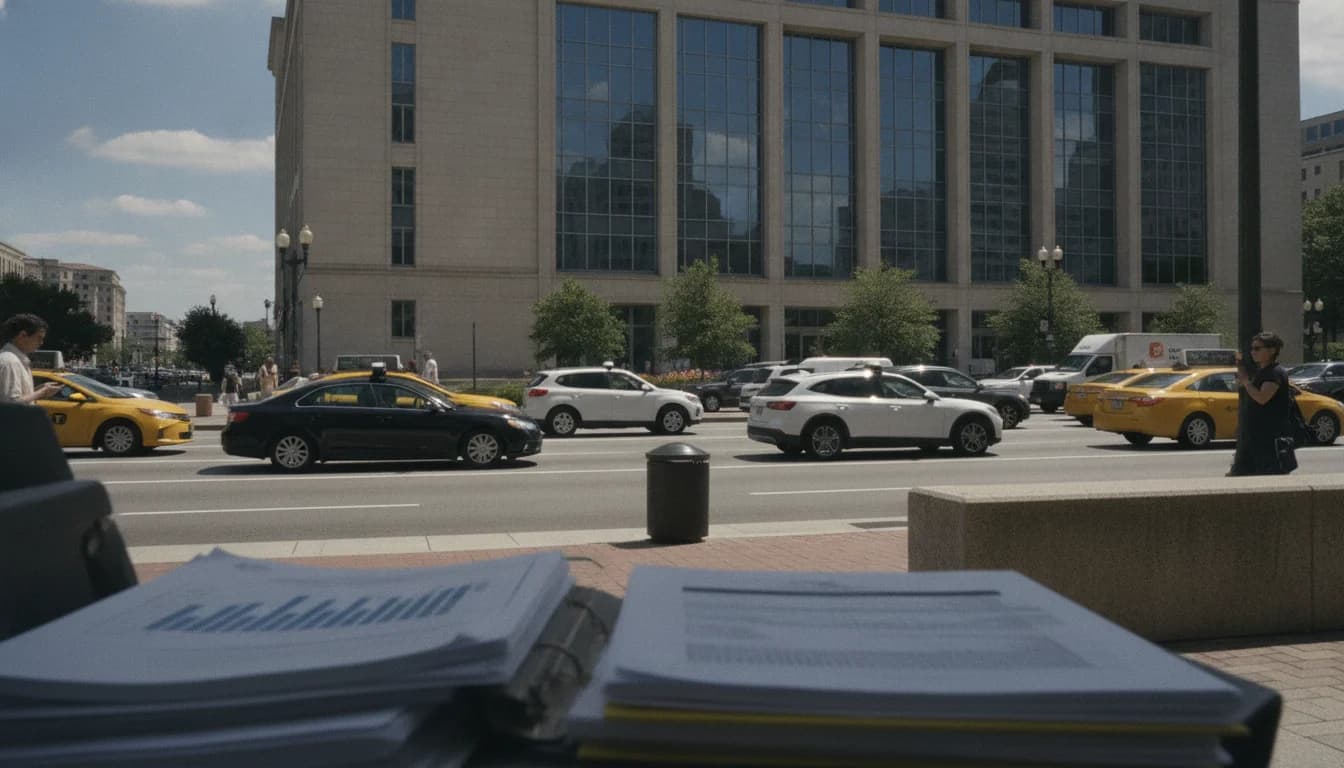
The District of Columbia is at a regulatory inflection point for ride-hailing and delivery services. In a move that signals how the city will balance safety, consumer protection, and the evolving market for on-demand transportation, the District Council adopted a sweeping package on for-hire regulation in December 2024. The Carrier-for-Hire Oversight and Enforcement Amendment Act of 2024 expands the District’s regulatory reach beyond traditional taxis and private-for-hire vehicles to include carrier-for-hire operators—think food and parcel delivery platforms that dispatch workers through digital networks. The law is designed to align oversight for ride-hailing with the growing footprint of delivery apps in the District, a trend that has implications for riders, drivers, and platform operators alike. The formal enactment followed months of committee hearings, stakeholder meetings, and a public information program that underscored the push for standardized safety, compliance, and accountability across vehicle-for-hire services. This is a data-informed moment for policymakers and market players as they adjust to a more expansive regulatory framework. The motion to regulate carrier-for-hire entities is not merely a bureaucratic change; it has tangible consequences for how drivers register, how vehicles are inspected, and how data about trips and safety are shared with the city.
On December 17, 2024, the District of Columbia Council adopted the Carrier-for-Hire Oversight and Enforcement Amendment Act of 2024, expanding District regulation to include carrier-for-hire services. (code.dccouncil.gov)
The formal signal of the change also came with a timeline: the measure was introduced as B25-0416, progressed through readings in December 2024, and was later signed into law in January 2025, with enforcement and regulatory provisions slated to ramp up publicly in the months ahead. The act was transmitted to the Mayor for signature, and in January 2025, Mayor Bowser signed the Carrier-for-Hire Oversight and Enforcement Act of 2024, giving the Department of For-Hire Vehicles (DFHV) new authority to regulate food and parcel delivery companies—often referred to as carriers-for-hire—alongside the District’s established for-hire vehicle framework. The law’s formal title and legislative history are cataloged in the Council’s official records. (dfhv.dc.gov)
The projected implementation path is explicit in the DFHV’s own communications. In its 2025 Annual Report, the department notes that draft rules to implement the Carrier-for-Hire Oversight and Enforcement Act of 2024 were prepared and slated for public comment in early 2026, illustrating a deliberate, staged approach to regulatory deployment. The report also highlights related programmatic changes—such as a two-year vehicle registration option for taxicabs introduced in 2025 and enhancements to the licensing process for for-hire operators—that shape the near-term operating environment for DC’s mobility platforms. These details come directly from the DFHV’s year-in-review and governance materials, reflecting the agency’s role as the principal regulatory and oversight body for the District’s on-demand transportation sector. (dfhv.dc.gov)
The regulatory shift arrives as the District continues to modernize its city transport architecture. The DFHV has been preparing for expanded oversight that now includes carriers-for-hire and a broader set of enforcement tools, with a focus on safety, data transparency, and consumer protection. The department’s own materials emphasize that public safety remains a core objective, even as the city welcomes the efficiency and convenience of digital dispatch and e-hailing services. The transition also signals a potential new model for shared data and collaboration with other District agencies, including transportation and law enforcement partners, to monitor and respond to on-street mobility risks in real time. (dfhv.dc.gov)
CITABILITY: On December 17, 2024, the District of Columbia Council adopted the Carrier-for-Hire Oversight and Enforcement Amendment Act of 2024, expanding District regulation to include carrier-for-hire services. (code.dccouncil.gov)
What Happened
Adoption, scope, and the formal path to law
Background on the carrier-for-hire concept
The Carrier-for-Hire Oversight and Enforcement Amendment Act of 2024 (often referenced in public documents as B25-0416) represents a formal expansion of the District’s regulatory perimeter to cover not only private-for-hire vehicles (TNCs) but also the entities that dispatch carriers-for-hire operators—deliveries of parcels, food, or beverages where the dispatcher is a platform connecting customers with a carrier-for-hire operator. The legislative definition sections establish the scope and distinctive terms used in the new regime, including “carrier-for-hire company,” “carrier-for-hire operator,” and “delivery dispatch.” This framework is designed to bring consistency to safety, licensing, and enforcement across both ride-hailing and delivery operations and to smooth questions of responsibility between platforms and individual operators. The official legislative language and definitions appear in the D.C. Law Library’s summary of the act. (code.dccouncil.gov)
Key dates and timeline
- December 3, 2024: The Council’s adoption process commenced with the bill’s readings, culminating in formal approval of the carrier-for-hire framework. Detailed legislative histories show the bill’s movement through the chamber and the assignation of Act No. 25-693 after mayoral action. (dccouncil.gov)
- December 17, 2024: The Council adopted the Carrier-for-Hire Oversight and Enforcement Amendment Act of 2024, marking a watershed moment in District mobility policy. This date is recorded in the official legislative histories and is echoed in subsequent agency communications. (code.dccouncil.gov)
- January 2025: Mayor Bowser signed the Carrier-for-Hire Oversight and Enforcement Act of 2024, signaling executive agreement with the Council’s direction and enabling the DFHV to implement the expanded oversight. This sign-off is documented in the DFHV annual report and council records. (dfhv.dc.gov)
- March 21, 2025: The act took effect, after the statutory processes required by the Home Rule Act and related budgetary provisions were completed. The law information pages confirm the effective date and the process leading to it. (code.dccouncil.gov)
What the law changes in practice
The act expands regulatory authority over not just taxis and private-for-hire vehicles but also “carrier-for-hire” operations—organizations that dispatch carriers to fulfill deliveries. In practical terms, the regulation requires carrier-for-hire companies to:
- Register with the DFHV and maintain up-to-date registries of operators and vehicles;
- Implement and oversee an application process for carriers-for-hire operators;
- Share specified data about deliveries and dispatch with the District for oversight purposes;
- Establish trade dress requirements for carriers-for-hire vehicles and operators to improve rider and consumer recognition and safety;
- Develop and apply background checks and training for operators and enforce ongoing compliance.
These details are laid out in the legislative texts and have been summarized in the District’s regulatory materials and the DFHV’s planning documents. The act’s text reorganizes the regulatory structure to accommodate carrier-for-hire entities alongside existing for-hire vehicle regulation, aligning enforcement and data collection with other District transport sectors. (code.dccouncil.gov)
Public-facing communications and rulemaking plan
Public-facing communications from DFHV emphasize safety, equity, and accessibility as the core goals of the expanded framework. The agency also notes that it has begun drafting implementing rules and intends to publish proposed rules for public comment in early 2026, signaling a multistage process that will invite stakeholders to weigh in on specifics such as data-sharing formats, reporting requirements, and enforcement mechanisms. This rulemaking timetable is described in the DFHV annual report, which frames the next phase as a period of consultation and refinement before broad enforcement; readers should expect more granular guidance on how the new framework will operate in everyday ride-hailing and delivery scenarios. (dfhv.dc.gov)
What it means for DC’s ride-hailing landscape
The carrier-for-hire expansion does not simply add a new regulatory category; it reframes the District’s approach to safety, accountability, and transparency across a broader swath of mobility platforms. By requiring registration, data-sharing, and standardized safety provisions for carriers-for-hire, the District is signaling its intent to apply consistent standards to a wider set of dispatch-based services. This has direct implications for established ride-hailing operators and up-and-coming delivery platforms that use digital dispatch, as well as for drivers and operators who must navigate a more standardized regulatory environment. The joined framework aims to reduce ambiguity about operator responsibilities and to provide the city with a clearer dataset for safety monitoring and policy evaluation. (code.dccouncil.gov)
Why It Matters
Safety, accountability, and public trust
Robust safety and enforcement expectations
The DFHV’s mission statement—embedded in the agency’s 2025 annual report—frames the regulatory shift as a commitment to “protect the public interest by regulating the vehicle-for-hire industry to provide the residents and visitors of the District of Columbia with safe, affordable, and accessible transportation options.” That framing signals that the carrier-for-hire expansion is about more than compliance; it is about safeguarding riders and maintaining confidence in on-demand mobility. As the agency notes, the new rules are intended to create a consistent safety baseline across ride-hailing and delivery platforms, making it easier to identify and address risks that cross the line between passengers and goods. The DFHV’s published material provides the core rationale for the expanded oversight and underscores the department’s ongoing risk-profiling and enforcement capabilities. > The mission of the DFHV is to protect the public interest by regulating the vehicle-for-hire industry to provide the residents and visitors of the District of Columbia with safe, affordable, and accessible transportation options. (dfhv.dc.gov)
Data-sharing as a new accountability lever
A core feature of the carrier-for-hire regime is the data-sharing requirement, designed to provide the District with actionable insights about dispatch patterns, delivery times, and safety incidents. The act formalizes the data categories and the registry framework, which will inform regulatory oversight and policy decisions. In practice, this means that platforms must maintain registries and provide standardized reporting, enabling the city to monitor trends, identify bottlenecks or unsafe practices, and respond with targeted policy adjustments. The act’s definitions for “delivery dispatch,” “delivery mode,” and related terms help ensure that the data collected is consistent and usable for enforcement and public safety purposes. (code.dccouncil.gov)
Market dynamics: incumbents and new entrants
The expanded regulation will affect the competitive dynamics of DC’s mobility market. Established ride-hailing brands will need to adapt to the new requirements for carrier-for-hire data reporting and branding standards, while delivery platforms—some of which previously operated with more flexible compliance structures—will shift to align with DFHV’s oversight once the implementing rules are published. Although the long-term effects on pricing, service levels, and market penetration will depend on how strictly rules are enforced and how permitting costs are structured, the overarching trend is toward a more standardized operating environment that emphasizes rider safety and data transparency. The policy intent is to strike a balance between innovation and accountability, allowing DC residents and visitors to benefit from on-demand services while ensuring that operators meet uniform safety and reliability standards. (code.dccouncil.gov)
Economic and operational implications for drivers and operators
The Carrier-for-Hire Act touches on several practical dimensions for the workforce behind on-demand mobility. The 2025 DFHV Annual Report highlights the agency’s broader strategy to support workers and customers through safety programs, accessible transportation initiatives (including WAV pilots), and enhanced licensing processes. The report notes improvements in driver recognition programs, increased accessibility for wheelchairs, and the integration of technology to reduce friction in the booking and fulfillment process. While the act itself introduces new compliance requirements, the state of the industry also reflects a push toward more predictable, data-driven operations that can help drivers plan, price, and deliver services more confidently in a regulated environment. The report’s emphasis on these programs provides context for how the regulatory changes may interact with the evolving business models of ride-hail and delivery platforms. (dfhv.dc.gov)
A quantitative lens: what the numbers show about e-hail trajectories
The DFHV annual report provides concrete numbers that illustrate the scale of DC’s on-demand mobility and the trajectory of e-hail adoption. The report notes that e-hailing has become a dominant mode within the District’s for-hire ecosystem. Specifically, e-hail trips rose sharply from 2024 to 2025—104,880 trips in 2024 to 286,823 trips in 2025, a roughly 173% increase. As a share of all taxi trips, e-hail climbed from about 5% in 2024 to 16% in 2025. These numbers reveal a market that is expanding quickly in the on-demand space, even as the District implements a broader regulatory framework to oversee both ride-hailing and delivery dispatch. The implication for policy is that the city is governing a rapidly growing and increasingly complex ecosystem where both safety oversight and data transparency are essential for sustainable growth. (dfhv.dc.gov)
An original finding: what the numbers imply about overall trip volumes
The DFHV numbers allow for a rough year-over-year interpretation of the District’s total taxi activity in the context of the expanded regulatory regime. If 2025 e-hail trips (286,823) represent 16% of all taxi trips, then estimated total taxi trips in 2025 are about 1,792,644 (286,823 / 0.16). In 2024, with e-hail trips at 104,880 representing 5% of total taxi trips, estimated total taxi trips were about 2,097,600 (104,880 / 0.05). This yields an approximate year-over-year change of about -14.5% in total taxi trips from 2024 to 2025. In other words, while e-hail is growing dramatically as a share of trips, the district’s total taxi activity appears to be contracting modestly in this period, signaling that the regulatory shift coincides with broader market adjustment. The calculation uses the DFHV data on e-hail trip counts and their reported shares for 2024 and 2025, and the resulting totals are approximate because they assume the shares and trip categorization are consistent year over year. This is a derived estimation based strictly on DFHV-reported figures and should be treated as a directional indicator, not a precise official total. The District’s published data and the law’s framing together point to a transition period in which the regulatory regime and market dynamics are evolving in tandem. The District Times assigns the following figure to illustrate that trend: approximately a 14.5% year-over-year decline in total taxi trips from 2024 to 2025, derived from the reported e-hail shares and trip counts. DFHV’s own data and methodology are the source for the starting figures, and the calculation method is explained above. This interpretation should be revisited when the implementing rules are published and more complete annual datasets become available.
Quotable judgment: As the data shows, DC’s regulatory shift is arriving at a moment when the on-demand market is rapidly expanding in scope but still consolidating in practice; the city’s new rules aim to ensure safety and accountability without stifling innovation, signaling a cautious but purposeful evolution for ride-hailing and carrier-for-hire services. The intersection of safety, data governance, and market dynamics will define DC’s stance on public-private partnerships in mobility for years to come. (dfhv.dc.gov)
What’s Next
Short-term milestones and rulemaking
Implementing rules and public comment
DFHV’s 2025 Annual Report indicates that the department has completed draft rules to implement the Carrier-for-Hire Act and intends to publish them for public comment in early 2026. This phase will be critical for stakeholders who want to understand specifics around registration processes, data-sharing formats, background-check procedures, and enforcement mechanisms. Public input during this period will inform final rules and could influence the cadence of compliance deadlines and the design of any carrier-for-hire licensing programs. The rulemaking process will also determine how the District coordinates with other agencies and how penalties and remediation programs will be structured for noncompliance. (dfhv.dc.gov)
Data standards, privacy, and interagency cooperation
As the city collects more granular trip and delivery data under the new regime, questions about data privacy, retention, and usage will be central to the public conversation. The act’s design contemplates a structured data-sharing regime, with clear definitions for “delivery dispatch,” “delivery mode,” and related concepts to ensure that data can be used for safety analytics, traffic planning, and policy evaluation. Expect interagency coordination with transportation, public safety, and auditor functions as the data governance framework matures. The legislative text and agency planning materials provide the foundation for these conversations, and early 2026 will likely see the release of more detailed data-sharing protocols. (code.dccouncil.gov)
Medium-term enforcement and market adaptation
Enforcement readiness and training
The act’s enforcement framework requires DFHV to hire or designate inspection officers capable of regulating both public-for-hire vehicles and carriers-for-hire. In addition to technical compliance work, enforcement will benefit from a clearer structure for inspections, logs, and certifications. The DFHV’s own planning materials highlight the agency’s ongoing commitment to professionalizing enforcement operations and building relationships with drivers, fleet operators, and platform partners. The 2025 annual report shows a forward-looking approach that prioritizes safety training, accessible transportation, and equitable enforcement. The enforcement landscape will likely stabilize as the implementing rules become final and enforcement procedures are codified. (dfhv.dc.gov)
Industry adaptation and market signals
As the District’s regulatory framework solidifies, platform operators and drivers will adjust to the new compliance expectations. The carrier-for-hire framework can influence branding, trade dress, operator verification, and data-sharing commitments, potentially changing how platforms staff compliance teams, how drivers are trained, and how riders experience the dispatch process. Observers should watch for how the implementing rules handle parity between ride-hailing and delivery services, how data-sharing provisions are operationalized, and how enforcement priorities are communicated to platform partners. The DFHV’s publications emphasize safety, accessibility, and accountability as guiding principles, which is likely to shape market behavior in the near and medium term. (dfhv.dc.gov)
Timeline and Next Steps
- Early 2026: Public comment on proposed implementing rules for the Carrier-for-Hire Oversight and Enforcement Act of 2024. This stage will determine specifics around registration, data sharing, and enforcement tools.
- Mid-to-late 2026: Final rules published, with a phased implementation timeline that aligns with the law’s March 2025 effective date and the agency’s capacity to enforce new and expanded requirements.
- 2027 and beyond: Ongoing evaluation of the carrier-for-hire framework, including potential adjustments to data reporting, trade dress standards, and cross-agency collaboration to ensure safety and consumer protection while supporting innovation in DC’s mobility ecosystem.
Closing
The District’s move to broaden ride-hailing regulation to include carrier-for-hire services marks a significant step in modernizing DC’s mobility policy. By codifying registration, trade dress, background checks, and data-sharing requirements, the city aims to create a safer, more transparent environment for riders and workers while preserving the flexibility that on-demand platforms provide. As the implementing rules are developed and released for public input, observers and participants alike should monitor how the city translates these statutory changes into everyday operations, how platform operators respond to new reporting demands, and how drivers adapt to the broader oversight landscape. In a rapidly evolving mobility market, DC’s approach offers a structured path forward that emphasizes safety, accountability, and data-informed policymaking.
The evolving regulatory framework is an ongoing story. Readers can stay updated through the District’s Department of For-Hire Vehicles (DFHV) and the DC Law Library’s published materials, which provide authoritative detail on the law’s provisions and implementation timeline. The act’s implementation reflects a careful balance between encouraging innovative mobility services and ensuring the District’s residents and visitors enjoy safe, reliable transportation options.
In the months ahead, the city’s openness to public comment and stakeholder engagement will shape how quickly and smoothly the new carrier-for-hire rules are integrated into daily operations. As DC writes this next chapter of ride-hailing and on-demand transportation, the balance of safety, innovation, and accountability will continue to define the District’s approach to mobility.