DDOT Launches Cool Corridors Pilot at Five Sites
DDOT's Cool Corridors Pilot launches in DC to cool streets, enhance urban resilience, and reduce heat through reflective pavement surfaces.
By Julio Sandoval

August 11, 2026
10 minute read
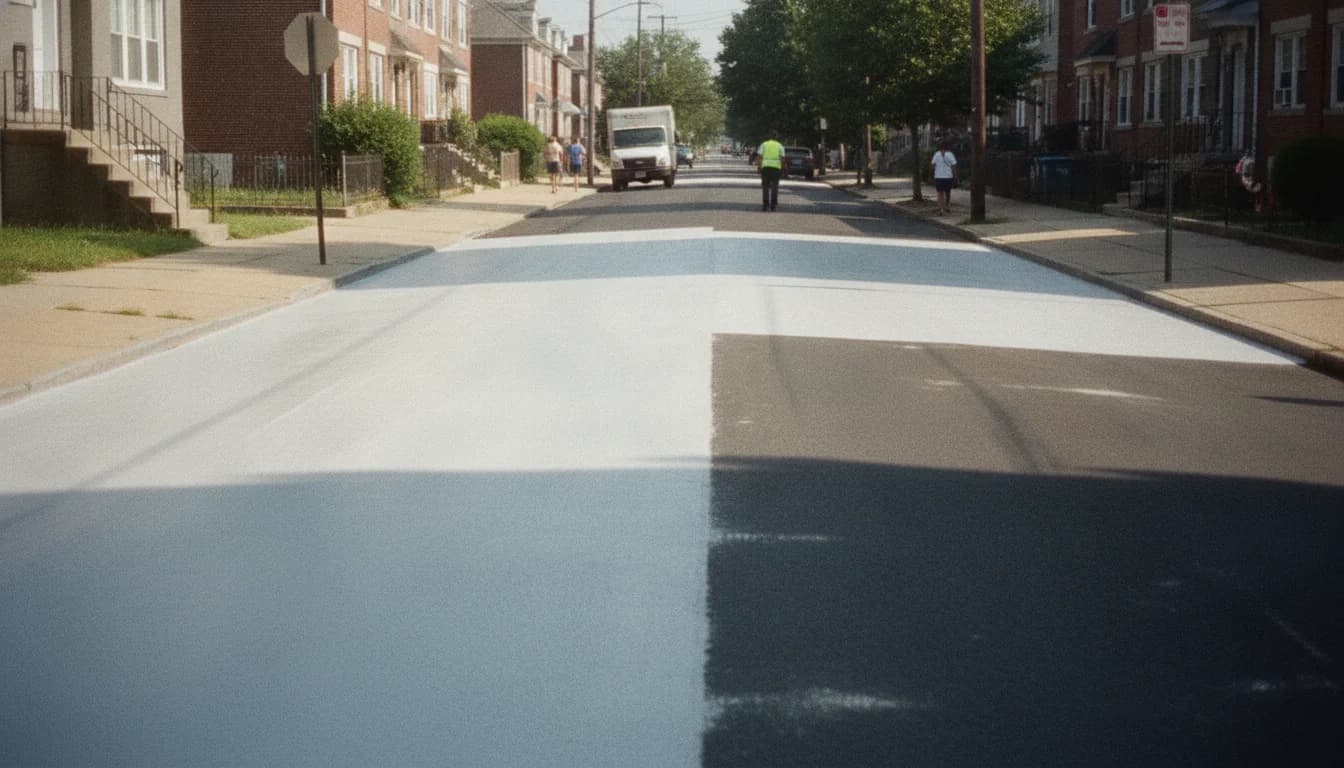
The District of Columbia is rolling out a bold, data-driven effort to cool city streets and fortify neighborhoods against extreme heat. The District Department of Transportation (DDOT) announced the launch of the Cool Corridors Pilot, a targeted street-level cooling program that will apply solar-reflective pavement coatings at five sites across the city. The pilot marks a concrete step in the District’s broader climate resilience agenda and reflects a growing national interest in urban heat mitigation as temperatures rise in many urban areas. Beginning the week of July 27, 2026, the program aims to reduce heat exposure on streets that experience pronounced urban heat island effects and to pair pavement cooling with existing tree canopy and green infrastructure investments. This initiative is not only about comfort; it’s about health, equity, and resilience for District residents, especially those in heat-vulnerable neighborhoods. (ddot.dc.gov)
DDOT officials say the Cool Corridors Pilot is designed to lower surface temperatures and improve pedestrian comfort, while also supporting a longer-term, climate-resilient transportation network. The approach uses light-colored, solar-reflective coatings that bounce sunlight away from pavements and sidewalks, a technology that has shown promise in various cities and is being tested in the District as part of a broader resilience study. In outlining the rationale, DDOT Director Sharon Kershbaum emphasized the goal of delivering innovative transportation solutions that improve quality of life for communities across the District, noting the pilot’s alignment with ongoing investments in the District’s tree canopy and green infrastructure. DOEE, HSEMA, and DOH are partnering with DDOT on the Cool Corridors Multi-Hazard Resilience Study, with funding supported in part by a FEMA BRIC grant secured by HSEMA. (ddot.dc.gov)
The initiative was introduced as part of a coordinated plan that links to the District’s long-range and climate-focused strategies, including moveDC, Sustainable DC 2.0, and Climate Ready DC. By tying street-scale cooling to broader planning efforts, DDOT aims to ensure that cooled corridors connect residents to parks and open spaces, while staying usable and safe during heat events and other hazards. The press release also notes a collaboration with American University to measure the cooling effects and publish a comparative report by the end of 2026, which is intended to guide future investments in cooler, more resilient streets citywide. The five pilot locations were chosen to represent neighborhoods with higher heat exposure and greater community need. (ddot.dc.gov)
Section 1: What Happened
Announcement Details
The Cool Corridors Pilot was officially launched by the District Department of Transportation on July 27, 2026, with a public announcement describing the pilot as a new, environmentally friendly effort to cool District streets and protect residents from extreme summer heat. The program is described as the first step in a broader Cool Corridors Multi-Hazard Resilience Study led by DDOT in partnership with DOEE, HSEMA, and DOH. The District stated that the pilot will begin with on-street applications at five sites across the city, designed specifically to address urban heat islands. The plan emphasizes a combination of reflective paving, green infrastructure, and canopy strategies to maximize cooling and resilience. The press release notes a specific start window during the week of July 27, 2026, and outlines the basic project framework, including the expected project duration, site access considerations, and brief driveway impacts for residents and businesses. (ddot.dc.gov)
Timeline and Pilot Sites
According to the announcement, crews will apply solar-reflective coatings at five locations identified as urban heat islands as part of the Cool Corridors Pilot. The sites include Brightwood NW, North Michigan Park NE, Ivy City NE, Benning NE, and West of Ballpark SW. DDOT explains that the coatings are part of a phased approach designed to test three different cool pavement products that have shown positive results in other U.S. cities. The District indicates that the project schedule includes street closures from 7:00 AM to 7:00 PM during application days, with driveway impacts typically limited to a single day per residence, barring weather-related delays. In addition, the District plans to publish a comparative report by the end of 2026 that will analyze cooling effects and inform future investments. (ddot.dc.gov)
Partnerships and Funding
The Cool Corridors Pilot is described as a collaborative effort involving multiple District agencies and a key academic partner. The press release identifies American University as a partner responsible for measuring results before and after pavement treatments and for producing the comparative analysis by year-end 2026. The collaboration aims to create a data-driven understanding of how reflective pavements interact with urban form, canopy cover, and green infrastructure to influence surface temperatures and pedestrian comfort. The project’s funding includes a FEMA Building Resilient Infrastructure and Communities (BRIC) grant secured by HSEMA, underscoring the federal role in supporting local resilience initiatives. (ddot.dc.gov)
What Happened Next: Public Engagement and Data Sharing
DDOT’s announcement highlights the public engagement aspects of the pilot, including the distribution of notices to residents near the pilot sites and the expectation that data, results, and a comparative report will be shared publicly. The District notes that a map of project sites is available and that the results will be used to guide future investments in cooler streets and enhanced resilience. The press release indicates a strong emphasis on transparency and data sharing, with the American University-led measurement program designed to provide objective, publishable findings about the cooling effects of the pavement treatments. (ddot.dc.gov)
Section 2: Why It Matters
Climate, Health, and Urban Resilience Context
Urban heat islands are a well-documented public health and quality-of-life challenge in cities where pavement, buildings, and limited tree cover trap heat, especially during heat waves. The EPA’s guidance on cool pavements notes that reflective surfaces can help reduce surface temperatures and contribute to energy savings, nighttime visibility, and broader resilience benefits, though it also notes that cool pavement is one part of a broader toolkit. The Cool Corridors Pilot in DC reflects this broader trend of integrating cooling strategies with trees, green infrastructure, and other urban design measures to address heat-related risks. By implementing a city-wide test in five diverse neighborhoods, the District is attempting to quantify benefits in real-world conditions, with the expectation that findings will inform future investments and policy decisions. (epa.gov)
Linking to Districtwide Climate and Equity Goals
The Cool Corridors Pilot aligns with DC’s climate and resilience planning framework. Sustainable DC 2.0 is the District’s overarching plan to become healthier, greener, and more livable, with an explicit focus on climate and resilience challenges across 13 topic areas. Climate Ready DC, the ongoing adaptation plan, frames resilience as a cross-cutting priority across government and communities. The pilot’s focus on urban heat islands, accessibility, and multi-agency collaboration places it squarely within these long-range objectives, which emphasize equity, data-driven decision-making, and the integration of transportation with land use and environmental goals. The District’s leadership has repeatedly tied transit and street-scale interventions to broader resilience outcomes, making the Cool Corridors Pilot a practical test of those commitments. (sustainable.dc.gov)
Impacts for Residents, Businesses, and Frontline Agencies
The Cool Corridors Pilot has immediate and tangible implications for residents and businesses in the pilot areas. While the coatings themselves are designed to reduce surface temperatures, the work schedule requires street closures on application days and potential temporary driveway restrictions. The five sites were intentionally chosen to address areas with higher heat exposure and more significant community needs, signaling a focus on equity in the District’s approach to climate resilience. By partnering with American University for measurement and by anchoring the effort in FEMA BRIC funding, the project also signals a strong commitment to credible evaluation and accountability. These elements matter not only for residents directly affected by the work but also for other districts watching how DC translates resilience planning into on-the-ground action. (ddot.dc.gov)
A National Context: Cool Corridors and Reflective Pavements Across Cities
Washington, DC’s Cool Corridors Pilot sits within a broader national conversation about urban cooling strategies. The press release makes explicit reference to the success of cool pavement concepts in other cities, including Los Angeles, Phoenix, Austin, Charlotte, and Orlando, illustrating a growing, cross-city interest in reflective pavements as a potential complement to tree canopies and green infrastructure. While federal and state guidance remains nuanced about the effectiveness of pavement cooling in different climates, the DC pilot demonstrates a serious, data-driven attempt to validate these techniques in a dense urban context. This aligns with broader research and practice around heat mitigation, while remaining grounded in the District’s governance framework and data-sharing commitments. (ddot.dc.gov)
Measurement, Transparency, and Accountability
A central feature of the Cool Corridors Pilot is its emphasis on measurement and public reporting. American University’s role in measuring the cooling effects and producing a comparative report by the end of 2026 is a concrete commitment to evidence-based decision-making. The District’s plan to publish findings will provide transparency about which coatings perform best in specific DC contexts and how these results interact with canopy and green infrastructure investments. This approach—coupled with a public map of project sites and ongoing public notices—embeds accountability into the pilot and helps citizens understand what the program can and cannot achieve. The data-driven framing is consistent with DC’s broader use of dashboards and progress reports to monitor Sustainable DC 2.0 and Climate Ready DC initiatives. (ddot.dc.gov)
What This Means for DC’s Climate Strategy
The Cool Corridors Pilot is more than a stand-alone experiment. It is a test of how a city can combine street-level engineering with ecological design to address heat, health, and equity concerns in real neighborhoods. If the results show meaningful cooling effects, the District could expand the approach to additional corridors, potentially integrating reflective pavements with shade canopies, porous pavements, or additional green infrastructure elements. The pilot’s alignment with moveDC and the climate resilience framework suggests that outcomes may influence future decisions about transportation infrastructure investments, emergency preparedness, and neighborhood placemaking. The project could serve as a practical model for other jurisdictions seeking to scale up urban cooling strategies in a rigorous, data-driven manner. (ddot.dc.gov)
Section 3: What’s Next
Next Steps and Monitoring
Looking ahead, the five-site Cool Corridors Pilot will enter a period of active deployment beginning the week of July 27, 2026, with crews applying cool pavement products at each site and coordinating with residents and neighborhood associations to minimize disruption. The District expects to gather baseline measurements prior to pavement application and to track cooling effects through the end of 2026, culminating in a comparative report published by American University. The anticipated findings will help guide future decisions about where and how to invest in cooler, more climate-resilient streets across the District. The plan’s emphasis on data-driven evaluation is designed to provide a robust evidence base, addressing questions about the effectiveness of reflective pavement coatings in the DC climate and urban form. (ddot.dc.gov)
Public Data, Public Access, and Future Rollout
In addition to the academic measurement work, the District emphasizes public data sharing, including a project-site map and open channels for community input. Public engagement is a core component of DC’s approach to infrastructure improvements, and the Cool Corridors Pilot follows that tradition by notifying affected residents, coordinating with ANC communities, and making project data accessible for review. If the pilot proves successful, DC officials could consider broader implementation, potentially linking cool pavement investments with tree canopy expansion and stormwater management strategies to maximize co-benefits. The collaboration with American University and the BRIC-funded approach underscores the emphasis on credible, replicable results that other cities can study and adapt. (ddot.dc.gov)
What to Watch For in DC and Beyond
Residents in the pilot zones should monitor local notices for short-term traffic impacts and driveway access changes. Community groups and local media should watch for the publication of the comparative cooling report by the end of 2026, which will provide a data-driven basis for evaluating the program’s success and its scalability. At the broader level, observers should track how DC’s climate resilience planning unfolds across moveDC, Sustainable DC 2.0, and Climate Ready DC, particularly as new data from the Cool Corridors Pilot informs decisions about future investments in reflective pavements, shade, and green infrastructure. As urban centers increasingly confront heat-related challenges, DC’s approach—grounded in collaboration, measurement, and transparent reporting—could serve as a valuable blueprint for other cities pursuing practical, phased cooling solutions. (ddot.dc.gov)
Closing
The Cool Corridors Pilot represents a concrete, data-driven step in the District’s ongoing effort to make streets safer, cooler, and more resilient in a warming world. By targeting urban heat islands with reflective pavement technology and coupling that effort with strong measurement and public reporting, DC is testing a scalable approach that could influence transportation design, climate policy, and neighborhood resilience for years to come. The five pilot sites—Brightwood NW, North Michigan Park NE, Ivy City NE, Benning NE, and West of Ballpark SW—offer a diverse cross-section of the city for evaluating cooling performance, equity implications, and community impact. Residents and observers can stay informed through DDOT’s releases, the Cool Corridors project map, and the American University study, as DC continues to integrate climate-ready strategies into the fabric of daily urban life. (ddot.dc.gov)
—