Adams Morgan Fall Porchfest Draws Crowds
District of Columbia Times reports on Adams Morgan Fall Porchfest, a data-driven look at the 2026 turnout and tech-enabled festival footprint.
By Julio Sandoval

November 22, 2026
8 minute read
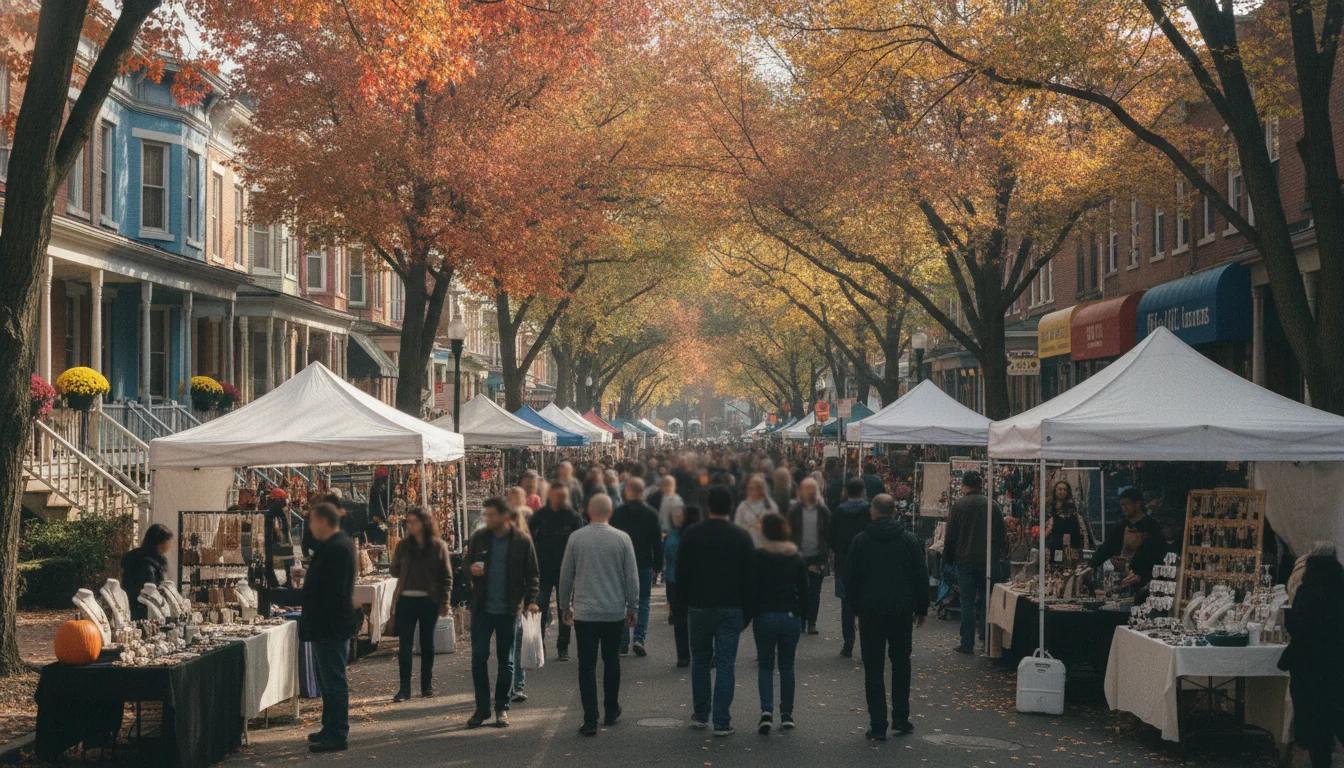
Adams Morgan Fall Porchfest returned to the neighborhood on November 7, 2026, turning 18th Street and its surrounding blocks into a living stage. The event, a free, all-ages music festival organized by the Adams Morgan Partnership BID, drew a broader and more diverse crowd than in previous years, underscoring the district’s ability to blend street-level culture with accessible, data-driven event management. As attendees moved from porch to porch and storefront to storefront, organizers and local businesses tracked activity in real time, leveraging wristbands, digital maps, and on-site information booths to create a cohesive experience across a wide footprint.
In official terms, Adams Morgan Fall Porchfest unfolded on Saturday, November 7, 2026, from noon to 5 p.m., with street closures and parking restrictions in place to accommodate crowds and performers. The Metropolitan Police Department issued a traffic advisory detailing closures on 18th Street from Columbia Road to U Street, along with related detours and safety guidance for pedestrians and drivers. This is the kind of city-supported infrastructure that has become a hallmark of large neighborhood celebrations in Washington, DC, where city agencies coordinate with local business improvement districts to balance public safety with public access. According to organizers, the festival featured more than 100 bands across 20-plus stages, delivering a dense, cross-block listening experience for residents and visitors alike. The official event page confirms the date and the multi-venue format, while other outlets corroborate the schedule and the scale of performances across Adams Morgan.
Section 1: What Happened
Announcement Details
Event Date and Timing
- Adams Morgan Fall PorchFest took place on Saturday, November 7, 2026, with performances scheduled from 12:00 PM to 5:00 PM across dozens of porches, storefronts, and public spaces. The Adams Morgan Partnership BID’s PorchFest page and the LINE DC’s festival coverage both anchor the event on that November Saturday, matching other local listings that consistently describe PorchFest as a free, walkable, community-led music festival. The official event page states: “Fall PorchFest: Saturday, November 7, 2026, noon to 5 p.m., across Adams Morgan. Free.” (adamsmorgan.com)
- A parallel, city-wide view of the day’s events shows that city agencies scheduled street closures and parking restrictions for the event, reflecting the scale and impact on neighborhood traffic. The MPD traffic advisory notes the festival as the occasion for emergency no parking and street closures on key corridors, with a stated time window from 7:00 a.m. to 8:00 p.m. on November 7, 2026. This is the most authoritative, real-time confirmation of the day’s infrastructure requirements. (mpdc.dc.gov)
Scale and Geography of the Festival
- Organizers describe a festival footprint that spans multiple blocks in Adams Morgan, with performances set on porches, business patios, and community spaces. The lineup and map pages emphasize a dense adjacency of stages within a compact urban footprint, creating a “neighborhood-wide” concert experience. The lineup map and “100+ Bands, 20+ Stages” claims illustrate the festival’s breadth, even as some outlets report variations on the exact stage count. The Adams Morgan Partnership page explicitly lists: “100+ Bands, 20+ Stages” and confirms the 12:00–5:00 p.m. window. The LINE DC coverage mirrors the large scale, noting a multi-venue, cross-block experience. (adamsmorgan.com)
- The festival’s footprint was complemented by a vendor market and side events that extended the experience beyond pure music, including a new pre-holiday vendor section. The LINE DC article specifically mentions a vendor market component and a separate “Apple Festival” that occurred on October 24, 2026, illustrating how Adams Morgan uses cluster events to marshal foot traffic across consecutive weekends. (thelinehotel.com)
Real-Time Logistics and Public Information
- Public information for attendees included a wristband system, a digital event map, and multiple info tents to help people navigate the footprint. The PorchFest page highlights wristbands that unlock local business promotions and a digital map for easy navigation, while the lineup page provides up-to-date information on band timing and locations. This combination demonstrates how event designers integrate low-friction access with crowd-sourced discovery. (adamsmorgan.com)
- The festival’s times and the wristband/information systems are reinforced by broader district-wide event infrastructure, including safety and traffic planning coordinated by city agencies. The DC government’s public-facing materials emphasize pedestrian safety and mobility management, consistent with the city’s approach to large-scale neighborhood events. (mpdc.dc.gov)
Section 2: Why It Matters
Economic and Community Impact
Local Business Footprint and Revenue Implications
- Adams Morgan PorchFest is a district-scale event that has evolved from a neighborhood gathering into a significant retail and hospitality stimulus. Local business groups tout the festival as a high-visibility, low-friction sales day that benefits dozens of merchants during a peak shopping window. The event’s wristband program, discounts, and vendor markets create a reciprocal relationship between attendees and local storefronts, increasing average guest spend and patronage concentration. The partnership page notes “Dozens of Adams Morgan businesses offer special deals and promotions during PorchFest” and emphasizes the cross-promotion dynamic across the footprint. (adamsmorgan.com)
- A planning document from the district’s economic resilience program notes that the festival, along with other seasonal events, has delivered substantial foot traffic in recent years, contributing to a measurable uplift in local commerce. The 5-year plan for Adams Morgan, prepared for district stakeholders, references PorchFest as a biannual anchor event and highlights the festival’s role in driving economic activity across the entire community, including the fall edition. This context helps explain why city planners monitor attendance patterns and pedestrian flow as a proxy for small-business performance during major events. (ctycms.com)
Technology-Driven Event Management
- The 2026 Adams Morgan Fall PorchFest demonstrates an increased reliance on technology-enabled event management to balance scale with accessibility. Wristbands double as a loyalty mechanism and data-collection touchpoint for participating merchants, while digital maps enable attendees to optimize routes through a dense urban festival landscape. The official PorchFest materials describe a hybrid approach that blends physical spaces (streets, porches) with digital tools (maps, wristbands) to intensify user engagement while preserving the neighborhood’s walkable character. This blend reflects a broader market trend toward data-informed, community-oriented street festivals that are easier to scale without losing local flavor. (adamsmorgan.com)
- The event’s footprint and schedule illustrate how cities are weathering larger crowds with transparent public information, a trend in which public safety, traffic management, and commercial vitality align through shared data platforms. The DC government’s traffic advisories, along with the festival’s own online lineup and maps, show how public agencies and private organizers co-create a navigable experience for residents and visitors alike. (mpdc.dc.gov)
Attendee Demographics and Cultural Value
- Coverage of Adams Morgan PorchFest in national and local outlets positions the festival as a magnet for neighborhood-level discovery and cross-cultural engagement. A 2024 Washingtonian feature highlighted the event’s scale, noting the potential for hundreds of acts across dozens of venues, and underscoring its role as a key fall cultural attraction in DC. While the numbers vary by year and source, the core point remains: PorchFest is a substantial draw for residents and visitors, with a measurable impact on community identity and local culture. This context helps readers appreciate PorchFest beyond music—it's a vehicle for neighborhood branding and small-business exposure. (washingtonian.com)
Market Context and Comparative Trends
- The Adams Morgan PorchFest model sits at the intersection of music, urban planning, and consumer markets. As cities increasingly turn to open-street concepts to boost vibrancy and commerce, PorchFest-like events offer a testbed for pedestrian-friendly, festival-driven economic activity. A district-wide resiliency plan notes that PorchFest has grown to operate as a biannual anchor event, with fall and spring occurrences expanding the neighborhood’s seasonal foot traffic and retail activity. This trend line has implications for urban policy, business investment, and festival technology adoption across the district and similar urban cores. (ctycms.com)
Section 3: What’s Next
Policy and Planning Implications
Pedestrian Zones and Street Management
- The 2026 planning materials indicate that PorchFest, with its large crowd footprint, is prompting ongoing consideration of pedestrian and vehicle management in Adams Morgan. The district’s planners have discussed expanding pedestrian zones to accommodate growth, balancing the need for street life with safety and traffic flow. These discussions reflect a broader policy discussion in many walkable city neighborhoods about how to scale green-lit cultural events without compromising mobility or emergency access. As PorchFest continues to grow, the city’s approach to street closures and pedestrian safety will remain a key area to watch. (ctycms.com)
Scheduling and Year-Round Engagement
- With PorchFest positioned as a biannual offer, event organizers and district partners will likely focus on coordinating spring and fall editions more tightly to maximize cross-promotion with adjacent events and merchants. The LINE DC’s coverage of the fall edition—paired with the Apple Festival (earlier in October)—illustrates a calendar-centric strategy designed to create long-form neighborhood engagement. Expect continued emphasis on synchronized marketing, cross-event promotions, and expanded vendor markets as part of the 2027 planning. (thelinehotel.com)
Next Steps for Attendees and Local Residents
- Attendees should monitor the Adams Morgan Partnership PorchFest page for lineup updates and maps as the festival date approaches, especially given the potential for schedule adjustments or additional pop-up stages. The organizers emphasize the importance of the free wristbands for discounts and interaction with the digital map, making it easier to navigate the day’s music across multiple venues. (adamsmorgan.com)
- Residents and local business owners should engage with the BID through the Partnership’s channels to optimize participation and promotions in future editions. The festival’s reliance on community sponsors and local vendors suggests a model where ongoing collaboration between merchants, residents, and city agencies will be critical to sustaining growth while preserving neighborhood character. (adamsmorgan.com)
Closing
As Adams Morgan Fall PorchFest demonstrates, the DC neighborhood festival model remains a powerful engine for cultural expression and local commerce when paired with thoughtful logistics, transparent public information, and technology-enabled guest experiences. The November 7, 2026 edition showcased how a walkable, porch-based arts festival can scale up without losing its neighborhood feel, a balance that city planners and local businesses will continue to chase in the years ahead. Readers looking to stay updated on future PorchFest dates and related neighborhood events should follow the Adams Morgan Partnership’s official channels and the District’s event calendars for the latest information and access details.
The weekend’s outcomes offer a useful data point for analysts studying the intersection of culture and commerce in urban neighborhoods. As Adams Morgan tests the boundaries of street-level music and pedestrian-flow management, it also tests a broader market thesis: when cities invest in accessible, data-informed, community-led events, the benefits can be measured in foot traffic, business activity, and a stronger sense of place. The 2026 edition sets a high bar for the next installment and invites other neighborhoods to watch how a well-coordinated festival can fuse art, technology, and local economics into a single, shared experience.