Waterfront Night Market DC 2026 Returns: MarketSW Update
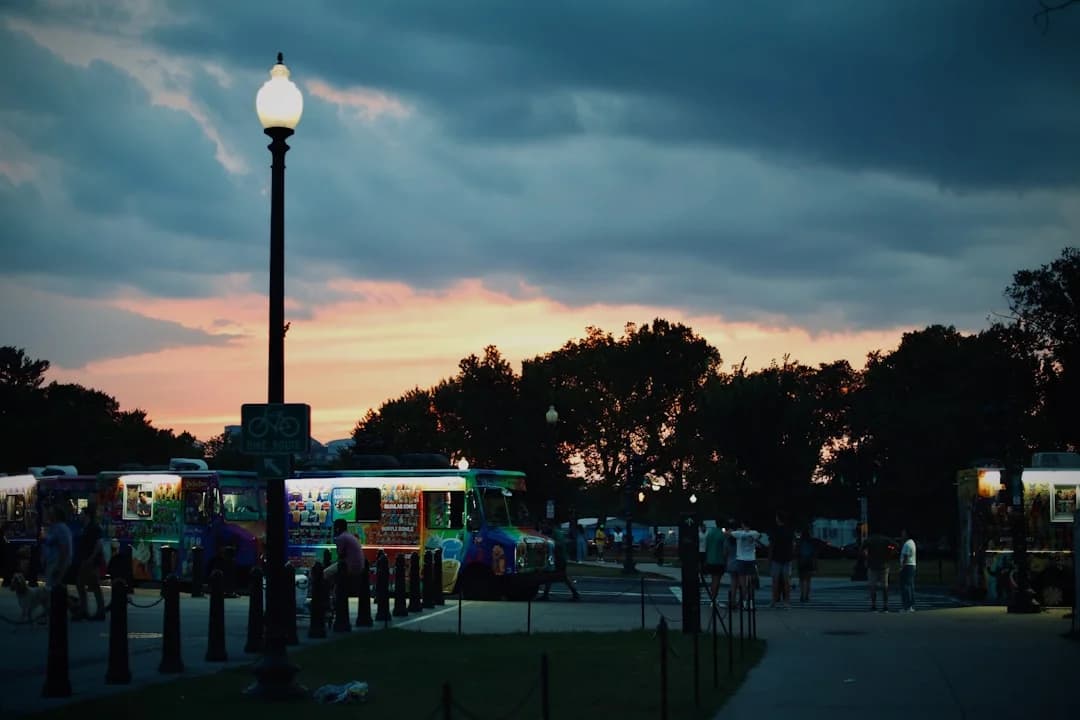
Photo by David YONG on Unsplash
Washington, DC — The District’s waterfront market scene is poised for a landmark season as MarketSW, the DC-area waterfront night market, readies for the 2026 season at Waterfront Station in Southwest DC. MarketSW is designed to blend Friday night markets with Saturday farmers markets, creating a recurring hub for artists, chefs, and small businesses along the Southwest waterfront. In practice, it serves as a test case for how urban waterfronts can sustain seasonal, mixed-use markets that couple culture with commerce in a climate-conscious, data-driven way. The broader neighborhood context around The Wharf and Southwest Washington supports a growing mix of dining, retail, and entertainment options, making MarketSW a focal point for city planners and local entrepreneurs alike. As with most seasonal programs, organizers are balancing vendor recruitment, safety and accessibility requirements, and weather contingencies as they finalize the 2026 schedule. MarketSW’s presence along the waterfront is one of several DC-wide efforts to expand evening economy activity in a way that aligns with technology-enabled business practices and sustainable urban design. The 2026 season, while still subject to final scheduling, is anticipated to mirror the summer-forward cadence that has defined MarketSW in recent years, with Friday nights operating in a 4:00 p.m. to 10:00 p.m. window and a companion daytime or weekend market component when feasible. The exact dates for 2026 will be published by organizers and DC-area partners as the season approaches. (washington.org)
What Happened Announcement and Venue MarketSW, the DC waterfront night market ecosystem, is anchored in Southwest DC at the corner of 4th and M Streets SW, directly opposite the Southwest Waterfront Metro station. The event is described as a combined Friday night market and Saturday farmers market, positioning the waterfront as a multi-use space for commerce, culture, and community engagement. This location places MarketSW in the heart of Washington’s southwest waterfront corridor, an area that has evolved to become a key node for pedestrian traffic, tourism activity, and local transit access. The presence of the Metro station nearby is routinely cited as a driver for foot traffic and accessibility, which matters for both vendors and visitors during peak summer evenings. (washington.org)
Timeline and Key Facts The MarketSW program has historically operated as a summer-night market, with a cadence that blends weekly markets on Fridays with a companion farmers market on Saturdays. The 2025 schedule explicitly documented a Friday night market running from May 2 through September 19, 2025, from 4:00 p.m. to 10:00 p.m., with additional Saturday morning activity as part of the same market umbrella. While the 2026 dates have not yet been published in a single official calendar, organizers have signaled that the summer-night market concept will continue, with a similar window of operations and a preference for aligning with seasonal conditions and market participation. Readers should expect an official 2026 calendar to be released by MarketSW organizers and DC partners as the season nears. (marketswdc.com)
Vendor mix and programming MarketSW is widely described as a night arts market, emphasizing a mix of art, crafts, culinary offerings, and cultural programming alongside traditional market goods. The operational model—an evening market that extends into later hours on Fridays—has been designed to maximize consumer exposure to local artists and small-business vendors while leveraging the waterfront’s evening appeal. The exact roster of vendors changes from year to year, but the core concept remains a weekend-anchored, Friday-night market that leverages the waterfront’s public space to create an experiential shopping and dining environment. MarketSW’s continuing presence at the waterfront underscores the District’s interest in linking public spaces with local entrepreneurship, an approach that aligns with broader strategic goals around the creative economy and small business growth. (washington.org)
Section 1: What Happened (Expanded Timeline and Details)
- The announcement and venue are tied to the MarketSW footprint at 4th & M Streets SW, with the Southwest Waterfront Metro station serving as a pivotal transit access point. This geographic positioning is deliberate, leveraging high-visibility corridor activity and a pedestrian-friendly waterfront environment to draw visitors from across DC’s southwest and beyond. The venue’s public-space attributes are central to program design, including street-side vendor placement, ambient lighting, and circulation planning that supports safe, accessible patron flow. (washington.org)
- The 2025 season’s concrete dates (May 2 to Sept 19) illustrate a defined summer run that aligns with typical DC outdoor-market patterns. Such a schedule helps vendors plan inventory cycles, marketing outreach, and staffing, while giving residents and visitors predictable opportunities to engage with local makers during pleasant evening weather. Although the 2026 schedule is not yet published in full, expectations are that MarketSW will maintain the Friday 4:00–10:00 p.m. window and seek a complementary Saturday activity schedule when feasible, all subject to vendor participation and city coordination. (marketswdc.com)
- The NoMa and Southwest DC market ecosystems—where MarketSW is a prominent component—demonstrate a broader strategy to weave night markets into the district’s urban fabric. The NoMa BID notes that MarketSW is among the events integrated with The Lot SW and the Southwest waterfront area, underscoring the market’s role within a coordinated set of public-space activations. This positioning supports cross-promotion opportunities, transit usage, and neighborhood vitality as part of a broader waterfront development strategy. (nomabid.org)
Section 2: Why It Matters (Impact and Context)
Economic footprint and local business support

Waterfront Night Market DC 2026 initiatives like MarketSW are designed to catalyze economic activity by extending the reach of small vendors into evening hours, increasing exposure for local artisans, food producers, musicians, and craftspeople. The MarketSW model—anchored at a transit-accessible waterfront site—fits within a larger pattern of DC-area markets that aim to convert public spaces into temporary commercial stages, with measurable benefits for participants and nearby storefronts. This dynamic aligns with District economic development objectives that emphasize supporting the creative economy, culinary talent, and tech-enabled small businesses along the waterfront. While precise attendance and vendor counts for 2026 are pending, the historical structure of MarketSW suggests a sizable, recurring foot traffic opportunity for hundreds of participants across the summer season. MarketSW’s ongoing presence at Waterfront Station SW positions the event as a potential keystone in the District’s seasonal outdoor economy. The integration with the Southwest waterfront area and The Wharf corridor reinforces a broader strategy to convert underutilized space into active, revenue-generating experiences. (washington.org)
Community and cultural context
Waterfront-focused markets like MarketSW contribute to DC’s cultural economy by offering a platform for artists, culinary entrepreneurs, and makers who may operate on tight margins or in early-growth stages. The District’s waterfront neighborhoods have become multiday destinations, with The Wharf and nearby developments hosting a range of events and programming that draw residents and visitors alike. The ongoing evolution of the waterfront district, including public spaces, outdoor dining, and pedestrian-friendly zones, supports ongoing experimentation with event formats, partnerships with local organizations, and opportunities to surface new talents in a live market setting. In this context, Waterfront Night Market DC 2026 is not only a shopping experience but also a testbed for how a city can sustain nighttime economy activities on the water while maintaining accessibility and inclusivity. (wharfdc.com)
Technology and market trends
The MarketSW model intersects with broader technology and urban-trends themes that DC policymakers and commercial districts have emphasized in recent years. The District has highlighted the importance of technology-enabled business growth and the creative economy as part of its longer-range strategy, including public-sector initiatives and partnerships that support entrepreneurship and digital-enabled commerce (for example, city strategy documents and economic development reports). While specific tech deployments at Waterfront Night Market DC 2026 (such as pickup/delivery integrations, digital payments, or real-time foot-traffic analytics) have not been publicly enumerated for MarketSW, the market’s evolution toward more efficient vendor management, online application processes, and data-driven programming would be consistent with this broader policy environment. The District’s waterfront markets sit within a larger ecosystem of mixed-use development and tech-forward economic activity along the river, including the ongoing reimagining of public spaces to accommodate evolving consumer preferences and climate resilience. (dmped.dc.gov)
What’s Next (Strategic Outlook)
Next steps for MarketSW and Waterfront Night Market DC 2026 With 2026 dates still pending formal publication, MarketSW organizers are coordinating with the DC public-space framework, the NoMa and Southwest DC business communities, and transit partners to finalize the summer schedule, vendor callouts, and safety protocols. Prospective vendors typically follow a multi-step process to join MarketSW, including applications, eligibility checks, and orientations to ensure compliance with health, safety, and permitting requirements. The MarketSW platform maintains channels for vendor recruitment and participant details, and the NoMa BID’s note about MarketSW and The Lot SW highlights ongoing collaboration with local authorities and community groups. Readers should monitor official MarketSW channels and partner district pages for a final 2026 schedule, participant lists, and programming announcements. (washington.org)
Timeline, next steps, and what to watch
- Early spring 2026: MarketSW and DC partners typically publish the upcoming season’s schedule, including Friday-night market dates, hours, and any changes to the layout or safety requirements. Stakeholders should watch for updates on 4th & M St SW and the Waterfront Station location, including any transit-friendly improvements or street-closure adjustments that could affect operations. (washington.org)
- Vendor recruitment and partnerships: Expect calls for vendors, with emphasis on local artists, food producers, and craftspeople who can offer high-quality offerings aligned with the waterfront setting. The NoMa BID's reference to MarketSW as part of the Lot SW ecosystem indicates ongoing collaboration with city partners to stage events that can drive cross-traffic and local commerce. Vendors and partners should prepare documentation and compliance materials in advance to participate in the 2026 program. (nomabid.org)
- Public-facing programming and safety: As with any city-led outdoor market, the program will coordinate with DC agencies on safety, accessibility, and crowd management. Given the waterfront setting, organizers may explore climate-resilient lighting, weather contingency planning, and accessibility accommodations to ensure a consistent experience for all attendees. The broader DC waterfront development narrative supports these goals, with ongoing investments in public spaces and pedestrian-friendly infrastructure to support such events. (dmped.dc.gov)
What’s Next for Readers and Stakeholders
- Anticipated announcements: MarketSW’s 2026 dates and vendor rosters are likely to be published in the coming weeks to months as spring approaches, with a target to align the schedule with other DC waterfront activities and transit patterns. Interested readers should follow MarketSW’s official channels and partner outlets for timely updates. (washington.org)
- Impact on the waterfront economy: Should Waterfront Night Market DC 2026 proceed with a successful market season, expectations include increased evening foot traffic, amplified exposure for local vendors, and stronger linkages between the waterfront’s dining, retail, and cultural programming. This is in line with a broader push to monetize public spaces and enhance the city’s waterfront as a year-round destination. The district’s ongoing waterfront development efforts and related market events illustrate the potential for synergistic effects across sectors. (credaily.com)
- Implications for technology integration: If Waterfront Night Market DC 2026 expands its use of digital tools, observers can anticipate enhancements in vendor applications, payment processing, and data collection to inform decision-making for subsequent seasons. DC’s economic strategy documents underscore the city’s intent to foster technology-enabled growth across sectors, including the creative economy and retail. While not yet disclosed, MarketSW’s trajectory suggests a potential for more streamlined operations and data-informed programming in 2026. (dmped.dc.gov)
Closing
Waterfront Night Market DC 2026 represents more than a seasonal attraction; it is a live case study in how a city can leverage a waterfront vantage point to blend commerce, culture, and community in a way that resonates with residents and visitors alike. MarketSW’s presence at the Southwest waterfront—anchored by a recognizable transit hub and integrated with the district’s market ecosystem—offers a model for how DC can sustain nighttime economic activity while maintaining inclusivity and accessibility. As the 2026 calendar unfolds, stakeholders will be watching not only attendance and vendor mix but also how technology, public space design, and cross-sector partnerships shape the experience for a new generation of marketgoers. District readers can expect updates as the MarketSW schedule is finalized and as additional DC waterfront programs intersect with the Waterfront Night Market DC 2026 concept.
The waterfront continues to evolve as a dynamic stage for DC’s local economy, and MarketSW’s ongoing experiments along the DC waterfront will be a key data point for policymakers, business owners, and residents alike. To stay informed about Waterfront Night Market DC 2026, follow MarketSW announcements and District Times coverage for the latest dates, vendor rosters, and programming details as the season approaches.