Trump's Washington Arch Design Approval Moves Forward
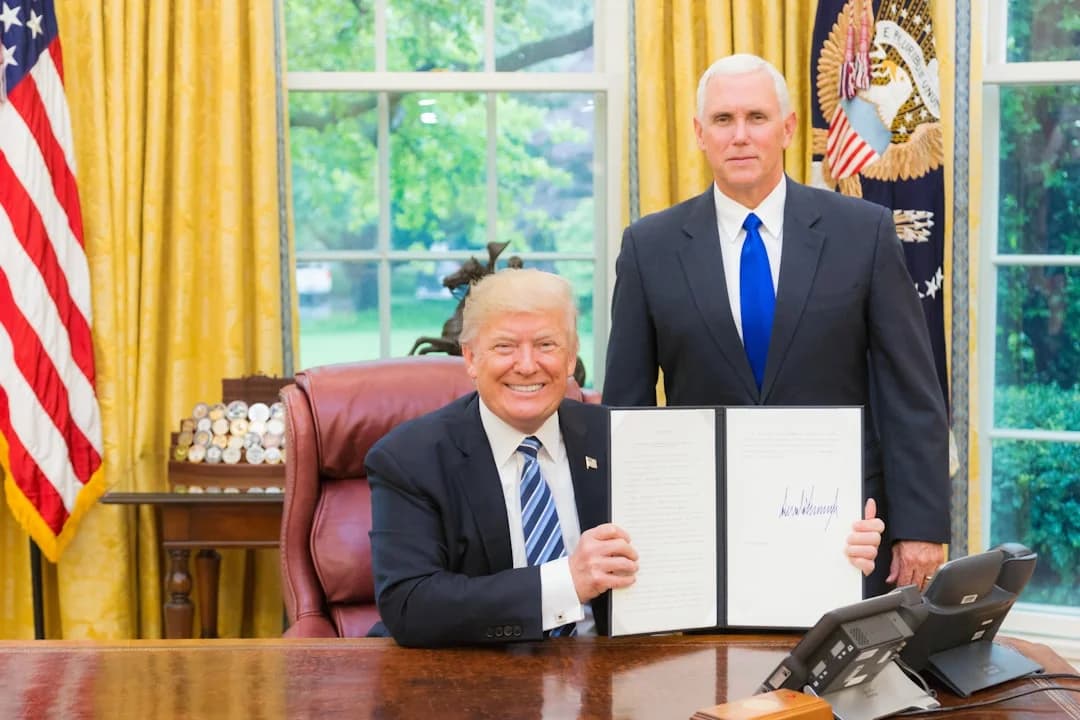
Photo by History in HD on Unsplash
In a development that frames President Donald Trump’s architectural ambitions for the nation’s capital, a key federal design panel gave the latest formal nod to Trump’s Washington Arch design approval. On May 21, 2026, the Commission of Fine Arts (CFA) approved the design plan for the proposed 250-foot triumphal arch set at Memorial Circle, effectively advancing the project into a new phase of review and public scrutiny. The decision, widely reported across major outlets, highlights both the momentum behind the project and the continuing questions around funding, timelines, and how the arch would reshape the visual axis of Washington, D.C. (washingtonpost.com)
The approval comes amid a broader debate about historic sightlines, federal review processes, and the role of symbolic monuments in a capital already dense with memory. While supporters characterize the design as a bold statement aligning with national milestones, critics press for more deliberation and greater public input before any ground is broken. As the administration positions the arch as a landmark linked to the United States’ 250th anniversary, researchers and market watchers are assessing potential implications for tourism, civic identity, and the capital’s ongoing design narrative. Trump’s Washington Arch design approval marks not just a milestone in a single project but a data point in a broader discussion about how monumental architecture intersects with policy, budgeting, and public sentiment. (washingtonpost.com)
Section 1: What Happened
Concept Review and Early Renderings
In the weeks leading up to mid-April 2026, the White House and its architectural partners unveiled renderings for what many have dubbed the “Arc de Trump,” a 250-foot triumphal arch intended to greet visitors at the nation’s capital near Memorial Circle. The proposals signaling the arch’s scale, materials, and axis were designed to provoke a national conversation about architectural symbolism and how Washington’s skyline might be reshaped to mark the United States’ milestone year. The Washington Post reported that the administration released new renderings by Harrison Design as officials began the formal process of seeking advance approvals from federal review bodies, signaling the project’s transition from concept to more concrete planning. While the renderings offered clearer visuals, they also drew scrutiny from advocacy groups and public-customers who questioned the project’s alignment with the city’s preservation goals and budgetary realities. (washingtonpost.com)
A separate set of notes from that period highlighted the tension between a high-visibility national monument and the need to respect National Mall planning conventions. Analysts observed that the arch’s location—across from key memorials and within land managed by the National Park Service—would trigger a multi-agency review and potential modifications to address sightlines, traffic, and pedestrian flow. This stage represented a critical inflection point: even as renderings generated broader interest, the project required formal design approvals to proceed, with congressional engagement anticipated as part of the broader authorization process. (washingtonpost.com)
Final Design Plan Approval
By May 21, 2026, the CFA had moved the project forward with a formal approval of the design plan for Trump’s Washington Arch. The CFA’s vote, described as a milestone by multiple outlets, indicated that the proposed 250-foot arch met the panel’s standards for artistic merit, structural integrity, and compatibility with the Capitol’s environs, while also acknowledging the need for further review and congressional involvement. The Washington Post characterized the result as a key advancement in a process that still requires federal and legislative sign-off. Meanwhile, CBS News noted that the CFA’s approval came alongside ongoing public discussion and that some elements of the design—such as ornamentation and massing—had been streamlined or adjusted in response to critique. (washingtonpost.com)
Other outlets corroborated the development, emphasizing that the design approval was a necessary, but not sufficient, step toward construction. The Los Angeles Times highlighted that the designation to approve the design plan falls within the CFA’s remit, while also pointing to the broader regulatory pathway that includes potential congressional action and additional environmental and planning reviews. In parallel coverage, The Washington Post and related outlets described the project’s location at Memorial Circle and the arch’s height as central to the discussion of scale and axis on the National Mall. (latimes.com)
Key figures and entities involved in this phase included the CFA’s panel members—appointed by federal authorities and led by a chair with long-standing ties to monument design debates—along with the design firm Harrison Design, whose renderings had helped crystallize the arch’s proposed proportions and aesthetics. While the CFA vote represented formal acceptance of the current plan, observers stressed that the approval did not absolve the White House from the congressional process, which remains a critical, and potentially lengthy, next step. (washingtonpost.com)
Key Facts and Timeline in Brief
- April 16, 2026: The CFA publicly reviewed and approved an initial concept for Trump’s arch plan, marking an early milestone in the multi-agency design review process. This stage underscored the project’s technical viability while flagging concerns about alignment with public interests and preservation standards. (washingtonpost.com)
- April 10, 2026: New renderings were released to depict the arch’s massing and visual impact, providing a clearer basis for subsequent policy and public discussions. The industry briefing highlighted how renderings influence both stakeholder sentiment and regulatory expectations. (washingtonpost.com)
- May 21, 2026: CFA approves the design plan for Trump’s Washington Arch, a decisive step toward construction readiness and a signal that the panel found the current design compliant with the review framework. Public commentary, however, noted ongoing concerns about cost, timelines, and the political symbolism of a monumental arch. (washingtonpost.com)
- Ongoing requirement: Congressional approval and additional federal reviews remain necessary for construction funding and authorization, according to reporting on the project’s regulatory crawl. This point is critical for readers to understand the project’s ultimate viability beyond design approval. (apnews.com)
Section 2: Why It Matters
Regulatory Pathways and Congressional Oversight

Trump’s Washington Arch design approval advances the project along a familiar but complex regulatory arc: design intent must pass multiple federal reviews, and crucially, congressional authorization remains a prerequisite for funding and construction at this scale. The design plan’s approval by the CFA does not constitute final permission to build; instead, it flags readiness to enter further stages of review and potential legislative action. Observers from policy and architecture circles have highlighted that the arch’s cross-cutting footprint—situated at Memorial Circle and within the National Park Service’s jurisdiction—will likely invite a mix of environmental, historical preservation, traffic, and urban design considerations in subsequent reviews. The AP report on the CFA’s decision explicitly noted that congressional approval would be required prior to any groundbreaking. This framing is essential for readers who seek to understand why a design victory at the CFA does not guarantee immediate construction. (apnews.com)
Industry analysts also flagged the interplay between monument symbolism and budgeting. A design proposal of this magnitude is not merely about aesthetics; it carries implications for tourism governance, city branding, and the federal budget’s treatment of memorial projects. As The Washington Post outlined, even when a federal design panel clears a plan, the broader timeline can stretch if lawmakers dispute funding allocations or require additional environmental or planning commitments. Market watchers, city planners, and civic organizations have used this moment to frame a longer arc—one that extends beyond a single vote and into the realm of legislative finance and public accountability. (washingtonpost.com)
Public Reception and Civic Dialogue
Public reaction to the Trump’s Washington Arch design approval has been mixed, reflecting broader national debates about the politics of monument-building and the appropriate role of signature public works. Coverage from major outlets has documented protests, concerns about sightlines to other monuments, and warnings from preservation groups about how architectural scale could alter the National Mall’s historic axis. The CFA’s public-vote context has intensified this dialogue, as observers analyze whether the arch would complement or overwhelm existing memorials. The Washington Post’s reporting on the initial and subsequent design discussions highlighted the tension between design ambition and public sentiment, noting that critics question both symbolism and process. (washingtonpost.com)
There is also a scholarly and cultural lens. The Atlantic’s coverage during the period around the design’s emergence argued that the discussion over arches taps into deeper questions about memory, power, and national symbolism in contemporary architecture. While that piece engages more with cultural critique than policy specifics, it helps frame why this particular project has attracted interest beyond architectural circles. For readers seeking a balanced view, the mix of policy coverage and cultural commentary provides a fuller picture of what Trump’s Washington Arch design approval represents in the public imagination. (theatlantic.com)
Architectural Implications and Cultural Context
The arch’s proposed scale—250 feet tall—places it among the most prominent ceremonial structures contemplated in the capital’s recent history. Analysts are weighing not only the visual impact of a large triumphal arch on the Memorial Circle axis but also how its massing, ornamentation, and materials could influence adjacent vistas. Early renderings and subsequent revisions anchored a discourse around proportional balance with adjacent monuments, the reflectivity of surfaces, and how such a monumental statement would read from key approaches along the National Mall. The Times and local outlets offered early and ongoing debates about whether the arch would become a new centerpiece of the capital’s identity or spark controversy among residents and visitors who prize Washington’s traditional monument balance. (washingtonpost.com)
Contextual voices from design professionals have stressed the arch’s potential to act as a declarative gateway—not only as a commemorative object but also as an urban design instrument that could alter pedestrian flow, visitor behavior, and the rhythm of monument viewing. The public discourse, aided by renderings and expert commentary, frames the arch within a larger “axis” narrative: how Washington, D.C., as a city of remembrance, negotiates new monumental projects against a backdrop of established formats and careful planning. Time’s exploration of public reception and design ambitions echoed these themes, highlighting that the project sits at the intersection of national memory and practical urban design considerations. (time.com)
Section 3: What’s Next
Next Approvals and Legal Pathways
With the CFA’s design-plan blessing in hand, Trump’s Washington Arch design approval enters a phase where congressional authorization and additional federal oversight could determine whether the project moves from paper to ground. Public-advocacy groups and civic watchdogs have signaled that continued scrutiny will likely feature legal actions or policy inquiries aimed at ensuring due process and alignment with federal budgeting rules. Al Jazeera’s reporting around the same timeframe noted that Public Citizen and other groups signaled an appetite for further review, including potential litigation that would challenge the sufficiency of current approvals or the funding framework. For readers, this underscores that the arch’s fate hinges on a broader political process that extends beyond architectural design. (aljazeera.com)
From a procedural standpoint, the next steps typically include formal legislative discussions, potential hearings, and the finalization of any environmental assessments or impact statements required by federal agencies. The Washington Post’s coverage of the May 21 CFA vote and surrounding commentary emphasized that the path to construction would require more than a design win; it would demand alignment with funding timelines and political consensus. As such, observers should anticipate a period of legal and policy activity, including possible amendments to project scope or funding arrangements, which could extend the lead time before any site work begins. (washingtonpost.com)
Construction Timeline and Watch Points
Estimating a construction timeline for a project of this scale remains speculative at this stage. Analysts in architecture and policy circles point out that even after formal design approval, scheduling, contractor procurement, and funding approvals can take many months to years. The public record from early 2026 suggests the White House team intends to move the arch from symbolic testing to physical work as quickly as legislative and budget processes permit, but concrete milestones—such as a formal funding bill, environmental clearance, and a groundbreaking date—have not been publicly set. Readers should monitor major outlets for updates tied to congressional proceedings and any new environmental or planning reviews tied to the arch’s footprint and construction logistics. (washingtonpost.com)
Beyond scheduling, another watch point is the arch’s design evolution. Some early design committees suggested revisions to address sight lines and scale. Subsequent reporting indicated ongoing design refinements, including discussions about ornamentation and the arch’s crown elements. As a result, the timeline could be affected by further design reviews or revisions requested by federal panels or stakeholders who want stronger alignment with the Capitol’s architectural language. The Axios summary of the CFA’s vote and related coverage highlighted these iterative steps, which often shape both aesthetics and regulatory compliance ahead of any construction contract awards. (axios.com)
Closing
Trump’s Washington Arch design approval signals a pivotal moment in the ongoing conversation about monumental architecture in the nation’s capital. While the CFA’s May 21 decision advances the project beyond initial design studies and into more detailed consideration, the ultimate fate of the arch remains tied to broader political and fiscal decisions at the federal level. The design’s scale, its symbolic intent, and its location near memorial landscapes ensure that every new development will invite fresh analysis from policymakers, planners, and the public.

As District of Columbia Times continues to cover this story, readers can expect ongoing updates on congressional engagement, additional environmental and planning reviews, and any shifts in the arch’s design in response to feedback from civic organizations and the general public. For now, the narrative remains data-driven: a design plan approved by a key federal panel, the next steps hinging on legislative authorization and funding, and a broader urban design conversation about how a modern memorial can coexist with a city built on the memory of its past.
Readers seeking to stay informed can follow coverage across major outlets that have chronicled the arch’s journey, including The Washington Post, AP News, CBS News, and Al Jazeera, among others. As the process unfolds, District of Columbia Times will continue to provide clear, fact-based reporting that situates the Trump’s Washington Arch design approval within the evolving landscape of national monuments, urban design, and public policy. The arc of the story—from concept to design approval to construction—will be measured not only by the arch’s physical presence but by the ongoing dialogue it catalyzes about the nation’s capital and its symbolically charged future. (washingtonpost.com)