Rosselli Italian Restaurant Opening in Downtown DC Opens

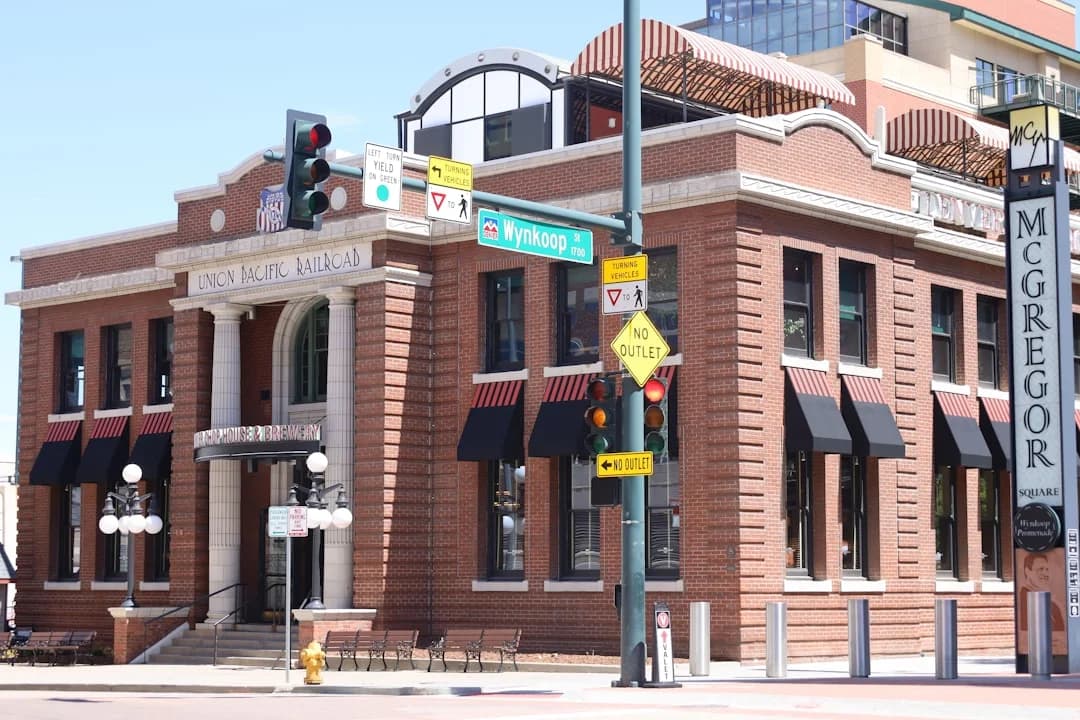
Photo by Andres Haro on Unsplash
The news has moved quickly in downtown Washington, D.C. over the past several weeks as Ashok Bajaj’s Knightsbridge Restaurant Group unveiled Rosselli, a Michelin-tipped Italian concept led by Carlos Cardona. The Rosselli Italian restaurant opening in downtown DC marks a notable shift in a neighborhood that has been trying to regain its post-pandemic energy. The project, announced and then brought to life in early April 2026, aims to re-energize the core by pairing chef-driven Italian cuisine with a design-forward space that nods to Milanese and Roman grand residences. For local readers watching the city’s evolving dining scene, the opening signals more than a new menu; it signals a calibrated bet on downtown nightlife, weekday dinners, and a refreshed image for a district long defined by federal offices and government traffic. The restaurant’s debut also carries implications for hospitality tech adoption, urban activation, and the broader market dynamics that govern central business district dining in the District. The opening timeline, leadership, and early reception will be critical as analysts track how Rosselli influences downtown dining patterns in 2026 and beyond. (axios.com)
Rosselli’s public debut arrived in early April 2026, with a staged rollout that began with dinner service and will introduce lunch service soon after. A press-led profile from Axios Washington, published on April 7, 2026, notes that Rasika restaurateur Ashok Bajaj opened Rosselli as a “glitzy new Italian spot downtown,” situated near CityCenter in the former Modena space. The article confirms that Rosselli will initially offer dinner, with lunch service planned for early summer, signaling an intentional ramp-up aligned with the downtown rhythm as office occupancy trends gradually improve. The opening date, framed as a milestone for the district’s reinvestment in higher-profile concepts, places Rosselli at the center of Downtown Washington’s evolving restaurant ecosystem. The kitchen is led by Carlos Cardona, a respected name in fine Italian cuisine who recently worked at Noi, a two-Michelin-starred restaurant in Hong Kong, underscoring Bajaj’s emphasis on a chef-driven, globally informed menu. (axios.com)
The address and physical footprint of Rosselli reinforce the downtown focus of Bajaj’s project. The official communications place the restaurant at 1100 New York Ave NW, with the entrance described as being at the corner of 12th and H Streets NW. The design-forward concept is underscored by interior planning led by Martin Vahtra of Project Design Associates, who is credited with creating a space that blends intimate dining alcoves with a dramatic marble-topped bar. Hoodline’s March 17, 2026 feature confirms the building’s location a few blocks from Metro Center and the former Modena site, and notes that the interior is intended to feel like an elevated private residence—a theme Bajaj has long favored in his downtown projects. The PoPville recap, based on a press release, further specifies the official opening date as Monday, April 6, 2026, and reiterates the 1100 New York Avenue NW, with the entrance on 12th and H Streets. Collectively, these sources establish a clear public record for the venue, its leadership, and the urban context in which it operates. (hoodline.com)
Rosselli’s executive team and culinary direction anchor the restaurant’s positioning within the District’s competitive dining landscape. The kitchen leadership—Carlos Cardona—was highlighted by Axios as a chef with a track record of high-end Italian cuisine, including experience at Noi in Hong Kong, which adds credibility to the concept’s fine-dining ambitions. The restaurant’s design narrative—centered on an intimate dining room built around a marble-topped U-shaped bar—was described by Hoodline in terms that emphasize energy and circulation, designed to draw late-evening traffic and create a social hub in a compact footprint. The use of a chef-driven model and a design that channels historic European apartments aligns with a broader trend in downtown markets where operators are leveraging strong culinary identities and immersive interiors to attract both local workers and visitors. (axios.com)
Section 1: What Happened
Opening Details and Timeline
-
Opening milestone: Rosselli officially opened in downtown Washington, D.C. in early April 2026, with a formal press release noting an opening date of Monday, April 6, 2026. The downtown opening was reported by multiple outlets, including PoPville, which cited the press release and confirmed the address as 1100 New York Ave NW, with the entrance at 12th and H Streets. This marks a notable addition to the neighborhood’s dining roster after Modena previously occupied the space. The Axios profile corroborates the April 2026 advent of Rosselli, highlighting the restaurant’s debut and its dinner-focused launch with lunch service to follow. (popville.com)
-
The chef and concept: The kitchen is led by Carlos Cardona, a Michelin-recognized figure who previously worked at NOI by Paulo Airaudo in Hong Kong. The concept is described as modern Italian with a strong emphasis on seasonal ingredients and refined technique, building on Bajaj’s history of high-profile, chef-led ventures. Cardona’s leadership is presented as a core differentiator for Rosselli, positioning the restaurant to deliver a contemporary Italian dining experience that nods to traditional craft while embracing modern presentation and technique. (axios.com)
-
The physical footprint and interior design: Rosselli’s interior is described as intimate and design-forward, with Martin Vahtra of Project Design Associates shaping the space to evoke grand historic Italian apartments. The space is designed to feel both sophisticated and inviting, with a focus on a central, marble-topped bar and a layout that prioritizes energy and interaction without sacrificing a sense of occasion. This design approach is consistent with Bajaj’s broader strategy to activate downtown dining through spaces that invite longer stays and social gatherings, particularly in a district that has experienced post-pandemic shifts in foot traffic and evening activity. (hoodline.com)
-
Location and operational scope: The restaurant sits in the heart of downtown Washington, D.C., a few blocks from Metro Center, in a space formerly occupied by Modena. The address widely cited by press reports is 1100 New York Ave NW, with the entrance described as at the corner of 12th and H Streets NW. Hours for Rosselli, as listed on the restaurant’s own site, show dinner service Monday through Saturday with lunch to be added later, aligning with the initially elevated, dinner-centric model common to chef-driven downtown concepts. Valet parking is available on peak dining nights, which is a practical feature for a neighborhood where street parking can be competitive. The restaurant’s own site lists a Monday-Wednesday dinner window 5:00 pm to 9:15 pm and Thursday-Saturday 5:00 pm to 9:30 pm, with Sunday closed, illustrating a tightly managed service schedule designed to concentrate peak dining demand in evenings. (rossellidc.com)
Leadership, Design, and Market Position
-
Bajaj’s role and strategy: Ashok Bajaj’s Knightsbridge Restaurant Group has expanded its portfolio in recent years, including Rasika and related concepts. The Rosselli project is described as a strategic bet on downtown energy and long-term viability, reflecting Bajaj’s confidence in a post-pandemic rebound and his willingness to invest in a high-profile space that had previously housed notable Italian concepts. The Axios report describes the move as "betting big on downtown," signaling that Rosselli’s opening is meant to catalyze greater evening activity in a district that has faced mixed foot traffic trends. (axios.com)
-
Interior design and atmosphere: The interior design is a focal point of Rosselli’s brand, with Martin Vahtra designing a space that combines the glamour of historic Italian urban apartments with modern materials and luminous detailing. This approach is intended to produce an atmosphere that feels both timeless and contemporary, a combination Bajaj has pursued in other downtown projects to attract both local professionals and visitors seeking a refined dining environment. The emphasis on a social, bar-centric layout supports the idea of Rosselli as a late-evening destination, a goal that aligns with the downtown market’s evolving needs for after-work and post-work dining options. (hoodline.com)
Section 2: Why It Matters
Implications for Downtown Dining and Nightlife
-
A catalyst for evening economy in a post-pandemic downtown: Rosselli’s opening is being watched as a potential catalyst for reactivating downtown Washington, D.C.’s evening economy. Bajaj himself has acknowledged downtown’s slower-than-desired rebound, framing Rosselli as a driver for more active evenings and a more vibrant core. If the concept achieves a steady flow of guests during dinner and eventually lunch, it could signal a broader pattern of chef-led, design-forward concepts returning to central business districts with the potential to draw visitors from surrounding neighborhoods. Hoodline notes Bajaj’s emphasis on “energy and intimacy” in the design, which is part of a broader strategy to create a space that works for after-work crowds and private events, potentially boosting foot traffic in adjacent shops and transit hubs. (hoodline.com)
-
Market context: The downtown market in 2024–2026 has shown mixed signals. Washington Post reporting in 2024 highlighted the city’s recovery as tourism rebounded but population dynamics and office occupancy remained fluid, with ongoing concerns about office attendance and retail performance. More recent analyses in 2025–2026 emphasize a cautious, albeit improving, outlook for downtown retail and dining, with ongoing adjustments in tenant mix, pricing, and operating hours as landlords and operators recalibrate to a hybrid work reality. These dynamics create both risk and opportunity for high-profile openings like Rosselli, which are designed to capture both local business patrons and out-of-area visitors. (washingtonpost.com)
-
The importance of chef-driven concepts in downtown markets: The Rosselli project reflects a broader trend toward chef-driven Italian concepts in major urban markets. The combination of Cardona’s background and Bajaj’s restaurant group—known for its emphasis on dining experiences that pair culinary craft with sophisticated design—positions Rosselli within a category that research suggests can attract discretionary dining dollars in dense urban cores when managed with a clear value proposition, consistent hours, and a strong reservation and service strategy. This approach aligns with broader market observations about the evolving downtown dining mix, where food quality and experiential design are increasingly important differentiators in a competitive landscape. (axios.com)
Stakeholders and Affected Parties
-
Local workers and residents: For office workers and residents in the downtown core, Rosselli offers a refined option for dinner and private events, potentially providing a new social locus after business hours. The restaurant’s positioning as a late-evening anchor could influence after-work routines, commuting patterns, and spillover effects on nearby establishments, from transit hubs to retail and entertainment venues. The design and service model (bar-centric, intimate dining rooms) is tailored to capture short-visit and longer-stay dynamics that are increasingly relevant in markets where hybrid schedules shape daily rhythms. The downtown market’s evolving energy—ranging from government offices to private sector employers—will influence how Rosselli’s performance is measured in the near term. (hoodline.com)
-
Competitors and collaborators: Rosselli’s presence adds a new Italian option in a competitive space that already includes multiple established Italian concepts in the broader DC market. While competition can drive quality and innovation, it also compresses margins if foot traffic remains uneven. At the same time, a successful Rosselli could create opportunities for cross-promotions with nearby cultural venues, hotels, and coworking or business centers. The restaurant’s collaboration with a Chef of Cardona’s caliber may also influence competitors to invest more heavily in chef-led programs or design-forward spaces to recapture audiences. The market context suggests a cautious optimism for high-profile openings that pair culinary excellence with a distinctive atmosphere. (axios.com)
Broader Economic and Urban Context
-
Downtown’s long arc of recovery: The DowntownDC BID’s 2024 State of Downtown report highlighted positive tourism trends and reduced crime, but also documented ongoing challenges in office/retail vacancies and the need to rebalance the submarket. The District’s economy has grappled with a post-pandemic shift, including hybrid work patterns and shifts in federal employment. These macro factors shape the risk calculus for any new downtown restaurant, especially one that targets dinner crowds and after-hours activity. The Rosselli opening sits within this wider narrative of downtown reinvestment and urban activation, where the success of a premium Italian concept can influence investor sentiment and future project timelines. (downtowndc.org)
-
Market signals from the city’s real estate and retail sectors: The DC office and retail markets in 2025–2026 show signs of stabilization, albeit at a measured pace. Commercial outlets, financial services reports, and urban planning documents suggest that downtown markets are recalibrating around new occupancy levels, with ongoing attention to foot traffic and dwell times in core districts. These signals matter for a restaurant like Rosselli because a stable, growing downtown footfall enhances the likelihood of sustained dinner business, weekend occupancy, and potential lunch service adoption. Analysts also point to the potential for mixed-use developments to activate street-level spaces with a steady cadence of activity, something that aligns with Rosselli’s aim of creating a social hub in a high-visibility location. (commercialobserver.com)
Section 3: What’s Next
Near-Term Milestones and Actions
-
Grand opening and ongoing service evolution: Rosselli’s April 6, 2026 opening marks just the beginning of a longer rollout. In the weeks immediately following launch, observers will watch for changes in menu depth, dinner pacing, and early feedback from guests. The Axios reporting notes that lunch service is planned for early summer, which will broaden Rosselli’s reach to include daytime office workers and nearby residents. The evolution from dinner-only to lunch service tends to influence occupancy patterns, staffing models, and supply chain logistics, all of which are critical to a chef-driven concept’s long-term viability. (axios.com)
-
Menu and culinary program adjustments: Cardona’s leadership suggests a focus on seasonal Italian dishes with an emphasis on seafood and contemporary preparations. As the restaurant stabilizes, expect the menu to cycle with seasonal ingredients and possibly limited-time tasting options designed to entice repeat visits. The initial menu highlights—such as arancini, burrata, seafood crudo, and house-made pasta—set a tone that the team is likely to maintain while calibrating portions, pricing, and wine pairings to fit the downtown dining audience. Cardona’s background in high-end dining and his stated goal of presenting classic Italian cuisine with modern craft indicate a potential for evolving tasting menus or signature dishes that could become talking points for local media and diners. (axios.com)
-
Private events and venue programming: Rosselli’s private dining spaces—described as capable of hosting intimate gatherings and larger celebrations—offer a revenue stream beyond standard dining. If demand materializes, the restaurant may expand private-event capacity and diversify offerings (seasonal menus for events, wine-pairing nights, or corporate client programs). The private-event capabilities align with Bajaj’s strategy of leveraging high-end spaces to attract corporate or social events in a downtown environment, potentially driving off-peak business and creating word-of-mouth buzz in professional networks. (rossellidc.com)
Medium- and Long-Term Prospects
-
Downtown energy and operator sentiment: If Rosselli achieves a successful initial run, it could influence broader operator sentiment about investing in high-profile downtown addresses. The downtown market has benefited from improvements in tourism and some stabilization in office occupancy, but it remains sensitive to macroeconomic shifts and federal workforce patterns. The restaurant’s reception—and its ability to sustain a steady dinner flow while launching lunch—will provide a useful data point for market watchers tracking the pace and scale of downtown revival. Observers will likely examine metrics such as reservation pacing, guest repeat rates, and the restaurant’s ability to attract visitors from outside the city core. (washingtonpost.com)
-
Competitive landscape and collaboration opportunities: Rosselli’s presence in a premium downtown slot could trigger a cascade of nearby openings or strategic collaborations as other operators reevaluate their concepts and operating hours. The market’s competitive tension can spur improvements in service quality, interior design, and menu innovation across the district. In a city with a robust hospitality ecosystem, new openings often become reference points for the quality bar in the area, raising expectations for both guests and the media. Analysts will monitor how Rosselli’s performance influences not only other Italian concepts but the broader mix of high-end dining in the downtown core. (hoodline.com)
What to Watch For
-
Reservation trends and guest feedback: In the first 90 days, reservation patterns will provide the most immediate signal of Rosselli’s market fit. Industry observers will track booking velocity, average check size, table turnover times, and guest satisfaction (via post-visit surveys and media reviews). Given the restaurant’s design-forward approach and chef-driven menu, early guest sentiment will likely emphasize the balance between atmosphere and culinary execution, with notable attention to how well the space handles dinner crowds in a busy downtown corridor. (axios.com)
-
Hours optimization and service pacing: The transition from dinner-only to lunch service introduces new variables for the kitchen and front-of-house teams. Observers will watch whether the lunch program complements the dinner crowd or competes for the same pool of diners, and how the hybrid schedule affects labor costs, inventory management, and supplier relationships. Cardona’s team will need to calibrate the menu for daytime dining while preserving the restaurant’s refined Italian identity, which could involve lighter plates or compact tasting options that still convey Rosselli’s signature ethos. (axios.com)
-
Long-term urban impact: If Rosselli becomes a recurring destination for private events and special evenings, it could contribute to a broader recalibration of downtown dining patterns, where late-night foot traffic is more predictable and consistent. This would support a more stable after-work economy and potentially encourage additional development in the immediate vicinity, including elevated food-and-beverage concepts and complementary retail offers. Market observers will evaluate these outcomes against DowntownDC BID’s ongoing efforts to activate street life, attract tourism, and promote safe, vibrant public spaces. (downtowndc.org)
Closing
The Rosselli Italian restaurant opening in downtown DC positions the city to test whether a chef-led Italian concept, combined with a design-forward space and a strategy to re-activate evening life in a still-recovering downtown, can sustain a higher-end dining experience in a highly visible location. With Cardona at the stove and Bajaj steering the strategic direction, Rosselli embodies a deliberate bet on downtown resilience—one that aims to harmonize culinary excellence with urban activation. For readers tracking the intersection of technology, market trends, and hospitality, the Rosselli rollout offers a case study in how data-informed planning, real estate dynamics, and customer expectations converge in a modern urban dining environment. Analysts will watch how the restaurant navigates its initial launch, integrates lunch service, and contributes to the broader conversation about downtown Washington, D.C.’s post-pandemic evolution. The early signals suggest a thoughtful, measured approach to reviving a central district’s dining scene, and if Rosselli succeeds, it could serve as a blueprint for future chef-led, design-centric downtown openings across major U.S. cities. (axios.com)
Readers who want to stay updated on Rosselli and other downtown DC dining developments can follow local business journals, restaurant trade outlets, and the Knightsbridge Restaurant Group press releases. The city’s urban renewal narratives increasingly hinge on the ability of high-profile concepts to draw both in-town workers and visitors, converting late-week dining into a reliable anchor for street-level activity. As downtown DC continues to navigate the balance between office-driven foot traffic and a revived entertainment economy, Rosselli’s opening will be read as a litmus test for how quickly a premium Italian concept can contribute to a more vibrant, data-informed urban dining ecosystem. (downtowndc.org)