National Geographic Museum of Exploration Opening DC

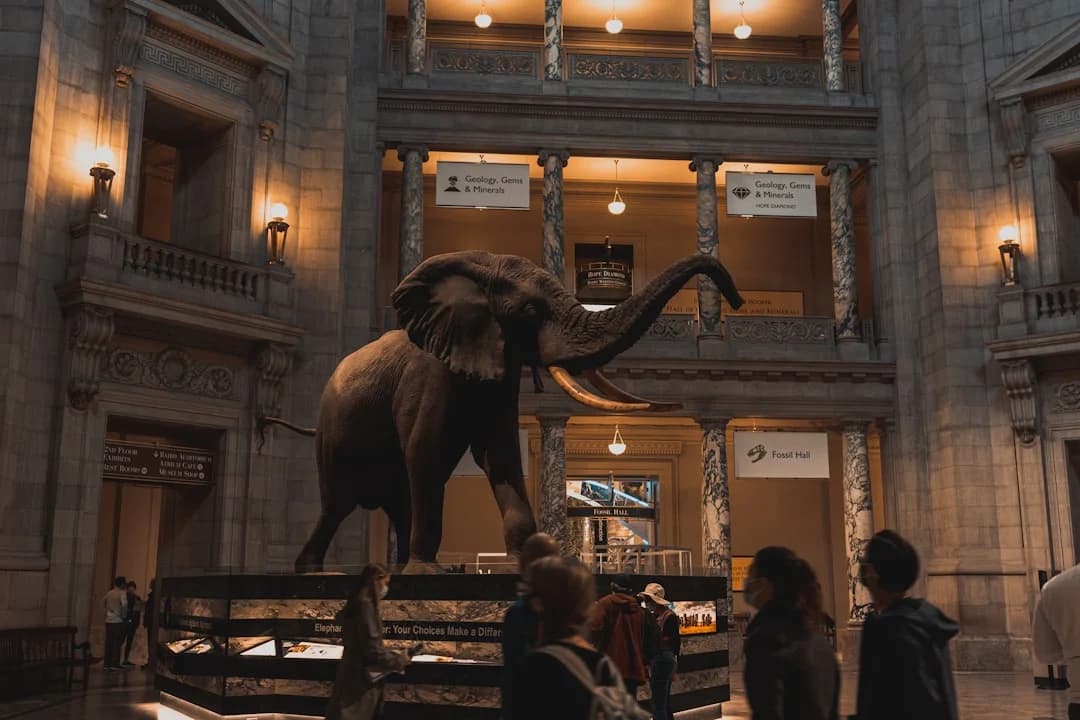
Photo by J. Amill Santiago on Unsplash
The District of Columbia Times reports a landmark development for Washington, DC’s cultural and tech-forward landscape: the National Geographic Society has announced the National Geographic Museum of Exploration opening DC on June 26, 2026. The news arrived with a flurry of detail about the new campus expansion, a facility described as a state-of-the-art, 100,000-square-foot destination that aims to fuse immersive technology, global storytelling, and education in a way that resonates with both locals and visitors. The official timeline, ticketing framework, and inaugural programming have been published by National Geographic’s Museum of Exploration (MOE) team, signaling a deliberate shift in how science, exploration, and public engagement converge in the nation’s capital. The grand-opening date, the scope of the project, and the ambitious programming lineup are central to readers tracking technology-enabled experiences and market opportunities around DC’s museum ecosystem. National Geographic Museum of Exploration opening DC is more than a date; it’s a signal of how major cultural institutions are integrating digital tools, curated archives, and community partnerships to broaden access to science and world culture. (moe.nationalgeographic.org)
The announcement aligns with National Geographic’s broader campus evolution as it expands its public-facing Base Camp into a new era of discovery. The MOE project will sit at the National Geographic Society’s reimagined campus in Washington, DC, with programming designed to highlight explorers’ work while leveraging innovative technologies to create immersive environments. The starting point for readers is clear: opening DC on June 26, 2026, is positioned to reshape visitor expectations for what a modern geography- and science-themed museum can deliver. Early details emphasize a curated mix of immersive experiences, photography, and interactive displays, underscored by exhibitions like Photo Ark: Animals of Earth. Ticketing information indicates that general admission begins at $29.99 for adults, with dynamic pricing anticipated ahead of the grand opening. These specifics matter for families, educators, and tech enthusiasts planning visits or investing in the region’s cultural economy. (moe.nationalgeographic.org)
In the weeks leading to the launch, the MOE team also previewed a curated courtyard and a lineup of inaugural experiences designed to orient visitors as soon as they arrive at the campus. A press release described features such as a welcoming courtyard that invites guests into a world of discovery and a robust educational ecosystem built around hands-on learning, digital storytelling, and access-friendly design. The integration of a new mobile app, developed in collaboration with EPAM, promises to extend the visitor journey beyond the gallery walls, enabling real-time interactions with living environments and digital overlays. The emphasis on accessibility—braille instruction, tactile maps, and ASL interpretations across media—speaks to a broader commitment to inclusive design, a topic that local planners and national organizers alike are watching closely as DC seeks to broaden museum participation. In short, National Geographic Museum of Exploration opening DC is framed not just as a new exhibit space but as a technology-forward public platform with explicit accessibility commitments. (moe.nationalgeographic.org)
Section 1: What Happened
Announcement and Opening Date
A formal timeline and the opening date
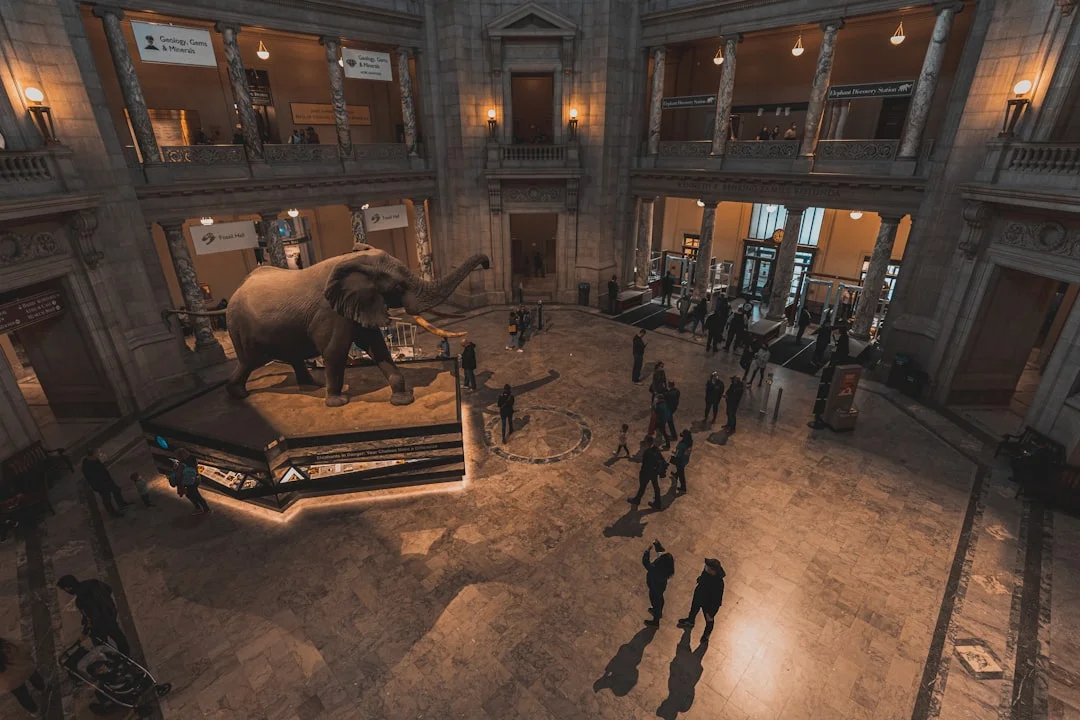
Photo by J. Amill Santiago on Unsplash
The National Geographic Society publicly announced the Museum of Exploration, confirming a grand opening on June 26, 2026. The press materials describe the MOE as a “state-of-the-art, sustainably built destination” located at the Society’s reimagined campus in Washington, DC. This opening is positioned as a major milestone in the organization’s history, representing a substantial expansion of its public-facing footprint and a new era of exploration-driven experiences for visitors. The opening date has been reiterated across multiple channels, including NatGeo’s official MOE site, National Geographic Society communications, and local travel and media outlets. For readers tracking major cultural happenings in DC, June 26, 2026 is the anchor date around which ticket sales, programming, and media coverage will coalesce. (moe.nationalgeographic.org)
Location and facility scale
The MOE project is described as a large-scale attribute of the National Geographic campus, with early reporting indicating a development footprint on the order of about 100,000 square feet. The size places the Museum of Exploration among major urban science- and culture-facing facilities in the capital, offering substantial space for immersive exhibits, photography archives, interactive zones, and experiential theaters. The exact address is typically framed as part of the National Geographic Society’s Washington, DC campus—an area already well known to residents and visitors for educational, cultural, and research activities. The broader context suggests a high-visibility placement that could influence visitor flows for years to come. (axios.com)
Inaugural programming and ticketing
In addition to the grand-opening date and space, MOE communications outline an inaugural programming slate anchored by “Photo Ark: Animals of Earth,” the continuation of exhibition storytelling through National Geographic’s photography and conservation mission, and a series of experiential components designed to showcase exploration as a living discipline. The inaugural exhibition will be part of a broader three-part programming season that includes special events, lectures, and community-centered activities. Ticketing details released ahead of the opening indicate a baseline adult admission of $29.99, though National Geographic’s MOE materials emphasize dynamic pricing and promotions tied to specific events and times. This ticketing approach mirrors practices seen in other major DC attractions that balance access with premium experiences during peak periods. (moe.nationalgeographic.org)
Inaugural Exhibitions and Key Elements
Photo Ark: Animals of Earth
A centerpiece of the MOE’s inaugural lineup is Photo Ark: Animals of Earth, an immersive presentation built around Joel Sartore’s iconic portraits and conservation-focused storytelling. This exhibition is designed to leverage digital and physical media to convey biodiversity, species decline, and conservation action in a way that resonates with a broad audience—ranging from students to seasoned explorers. The inclusion of Photo Ark aligns with NatGeo’s long-running emphasis on high-impact visual storytelling as a mechanism for public education and global empathy. The exhibition has been repeatedly highlighted in MOE communications as a cornerstone of the opening phase. (moe.nationalgeographic.org)
The Archives and learning-centered spaces
Another facet of the MOE’s inaugural program is a dedicated Archives space—supported by Lilly Endowment Inc.—that wants to translate National Geographic’s deep historical resources into accessible, participatory experiences. The Archives component is complemented by a Learning Launchpad powered by Cengage, designed to engage learners with hands-on activities and guided exploration. Together, these elements position the MOE not just as an exhibit hall but as an active learning ecosystem that can serve classrooms, families, and curious adults. This integrated approach reflects a broader trend in museum design that links galleries with education, workforce development, and community programming. (moe.nationalgeographic.org)
The courtyard, technology, and accessibility features
A third pillar of the opening program focuses on the site experience itself: a redesigned courtyard acts as a living prelude to the exhibitions, while a new mobile app—developed with EPAM—adds digital depth to the on-site journey. The app offers interactive features that place digital overlays, animal renderings, and contextual information in the visitor’s path as they move through the entrance and into the galleries. This blend of physical space, digital experience, and real-world exploration embodies a core trend in modern museums—using technology to lower friction for first-time visitors, extend engagement beyond the walls, and provide measurable analytics on audience behavior. Accessibility remains a central thread in MOE’s design, with narrated media, sign language support, tactile content, and accessible wayfinding designed to ensure inclusivity across diverse audiences. (moe.nationalgeographic.org)
Programming Partnerships and Community Roles
Grand Opening Festival and public programming
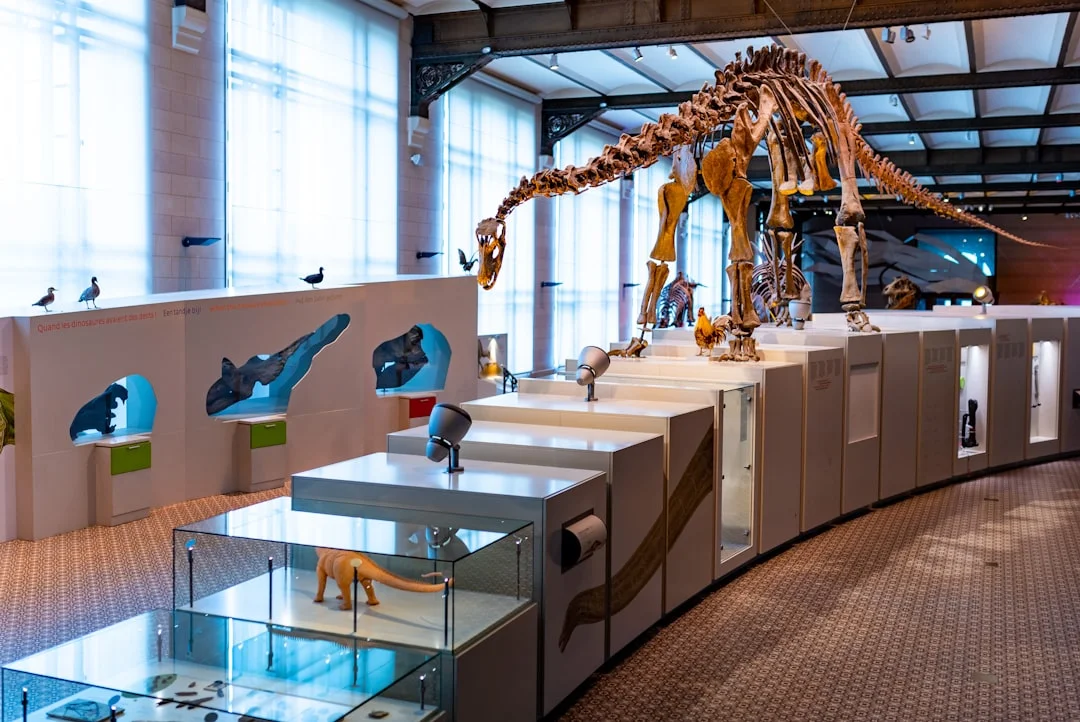
Photo by Michael Van Kerckhove on Unsplash
The MOE’s grand opening is described as a multi-day festival designed to welcome a broad public audience and showcase the campus’s potential for cross-disciplinary programming. The festival concept includes performances, expert talks, and conversations with National Geographic Explorers, highlighting the diverse ways that science, culture, and storytelling intersect in contemporary exploration. Partnerships with local cultural groups and national networks help ensure a broad geographic reach, while DC-based cultural institutions and municipal offices are noted as collaborators in the broader opening festivities. This collaborative approach aligns with broader city initiatives that emphasize DC as a hub for science, technology, and arts experiences. (moe.nationalgeographic.org)
Educational and research collaborations
Beyond its public-facing exhibits, MOE’s opening framework emphasizes partnerships with educational institutions and research communities. The MOE project leverages National Geographic’s network of explorers, scientists, and educators to produce programming that can be integrated into school curricula, after-school activities, and community outreach programs. National Geographic’s own communications emphasize that visitors’ participation supports the broader work of National Geographic Explorers around the world—an implicit invitation for educators and students to engage with authentic science and conservation efforts through a flexible, tech-enabled museum experience. (moe.nationalgeographic.org)
What’s Next: Next Steps in the MOE Journey
Grand Opening Festival timeline and first-year programming
As the June 26, 2026 opening approaches, the MOE team has outlined a detailed schedule for its inaugural days, including a three-day Grand Opening Festival and a subsequent year-long programming calendar that aligns with broader National Geographic initiatives such as America 250 celebrations and related DC-area activities. The festival is described as a cornerstone moment for the MOE, designed to showcase the museum’s immersive tech, live performances, and expert-led conversations. The national and local partners involved in DC’s DC250 and Destination DC frameworks are highlighted as collaborators, signaling a robust public-private engagement model designed to maximize attendance and economic impact. (moe.nationalgeographic.org)
Ticketing, hours, and access
Ticketing for the MOE is expected to feature dynamic pricing with standard adult tickets starting at $29.99, alongside potential bundled experiences or timed-entry options during high-demand periods. Hours of operation, special exhibit scheduling, and member benefits are typically rolled out in the weeks leading up to the grand opening; readers should monitor MOE’s official pages for the most up-to-date information as the opening date nears. The MOE site and related National Geographic communications emphasize accessibility and inclusive design, suggesting ongoing updates to accommodations, media formats, and translation services for diverse audiences. (moe.nationalgeographic.org)
Exhibitions beyond Photo Ark: long-term plans
While Photo Ark: Animals of Earth anchors the opening season, MOE’s longer-term programming includes a range of exhibitions, experiential galleries, and rotating presentations designed to sustain interest and repeat visits. The MOE communications discuss a curated pipeline of exhibitions and experiences that will evolve over time, including partnerships with external organizations and living collections that reflect the broad scope of National Geographic’s work. For readers tracking market dynamics and cultural economics, this ongoing development is a signal that the MOE expects to become a recurring driver of museum traffic and a platform for tech-enabled storytelling. (moe.nationalgeographic.org)
Why It Matters
Educational and Economic Impact
A new anchor for DC’s science and tech tourism
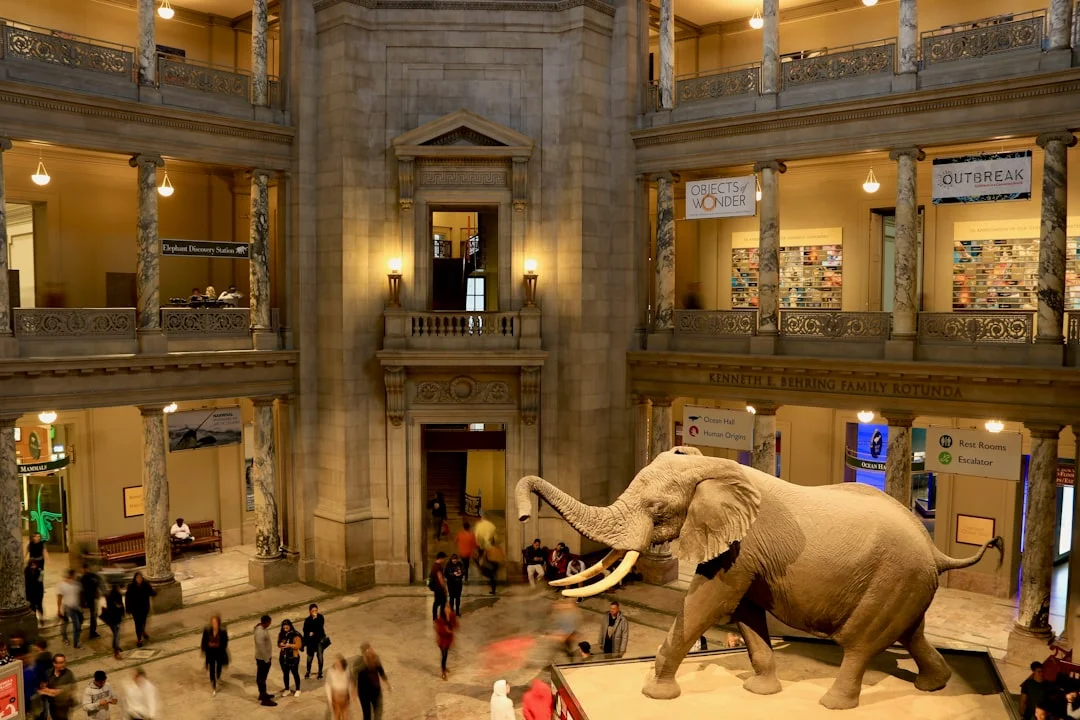
National Geographic Museum of Exploration opening DC introduces DC to a major, tech-forward cultural venue that blends immersive environments with high-profile conservation storytelling. The 100,000-square-foot footprint and the MOE’s multi-faceted program are expected to attract local residents, school groups, out-of-town visitors, and scholars, thereby contributing to the district’s tourism economy and educational ecosystem. Early discussions from partners and press materials underscore the MOE’s potential to become a magnet for families and learners, while also serving as a venue for professional development and public discourse on exploration and science communication. In practical terms, the museum could influence hotel occupancy, local dining activity, and transit demand during peak openings and major exhibitions. (axios.com)
Alignment with DC’s cultural strategy
The MOE launch sits within a broader urban-context narrative in which Washington, DC, is actively positioning itself as a hub for science- and technology-inflected culture. DC-specific collaborations around America 250 and related events indicate a conscious effort to align new institutional magnets with city-branding and economic development objectives. The MOE’s opening is not an isolated event; it’s part of a coordinated set of initiatives that include partnerships with Destination DC, Events DC, and the Mayor’s office, reflecting a deliberate strategy to maximize visibility, accessibility, and community engagement. Readers should view the MOE as a potential catalyst for expanded public-private programming, internships, and community partnerships with local schools and universities. (moe.nationalgeographic.org)
Accessibility and inclusive design as a market differentiator
The emphasis on accessibility—braille content, tactile maps, ASL translations—positions the MOE as a leader in inclusive museum design within the national landscape. In a market where accessibility is increasingly recognized as essential for audience growth, MOE’s approach could set a benchmark for other institutions seeking to broaden participation among underserved communities, families with diverse needs, and visitors for whom language or mobility presents barriers. The combination of immersive experiences with inclusive features aligns with contemporary expectations for public institutions to serve broad audiences without compromising depth of content. This positioning matters for policy makers, funders, and strategists tracking the next generation of museum design. (moe.nationalgeographic.org)
Technology-enabled experiences as a differentiator for Nat Geo
The MOE’s forward-looking use of technology—ephemeral digital scenes, mobile-app integrations, and immersive projection systems—reflects a broader industry trend toward hybrid physical-digital experiences. The collaboration with EPAM on the mobile app and the integration of high-end display technologies reinforce National Geographic’s commitment to leveraging modern tools to convey scientific storytelling. In markets where immersive tech is proliferating, the MOE could become a reference point for best practices in user experience, data analytics for visitor behavior, and scalable digital content that enriches in-person visits. The market implications extend to potential partnerships with tech vendors, content creators, and education-focused publishers who see the MOE as a proving ground for new formats of public science education. (moe.nationalgeographic.org)
The “Photo Ark” effect and conservation storytelling
Photo Ark’s prominence within the inaugural program is particularly significant. By centering the exhibition around conservation photography and animal portraits, the MOE connects art, science, and advocacy in a way that resonates with a broad audience. This pairing offers a meaningful bridge between aesthetic engagement and environmental action, which can drive broader engagement with Nat Geo’s conservation mission. For local stakeholders, partners, and educators, the exhibition acts as a focal point for discussions about biodiversity, climate resilience, and responsible storytelling. The inherent cross-disciplinary appeal supports the MOE’s aim to attract families, students, researchers, and general audiences who are curious about the natural world. (moe.nationalgeographic.org)
National Geographic Museum of Exploration opening DC within the broader Nat Geo ecosystem
The National Geographic Museum of Exploration opening DC is not simply a new venue; it’s a keystone in a broader ecosystem of Nat Geo’s public-facing initiatives. The MOE is framed as part of a curated continuum—an expansion of the organization’s campus, a platform for Explorer-led programming, and a laboratory for exploring how audiences engage with science and exploration in a digitally enhanced environment. For readers who track nonprofit mission-driven ventures and cultural market dynamics, the MOE’s launch is a signal of how large cultural institutions are recalibrating their physical spaces, digital tools, and community partnerships to stay relevant in a rapidly changing media and education landscape. (moe.nationalgeographic.org)
What’s Next: Timeline and Watchpoints
Short-term milestones to monitor
- June 26, 2026: Official grand opening of the National Geographic Museum of Exploration opening DC, with a festival atmosphere and a first wave of immersive experiences. This date is the anchor for media coverage, ticket availability, and city-wide promotion. Readers should expect immediate ticketing updates, press coverage, and on-site programming rosters as the opening approaches. (moe.nationalgeographic.org)
- Summer 2026: Inaugural programming continues with the Photo Ark: Animals of Earth exhibition and related experiences, with possible updates to the Exhibition Gallery and courtyard installations as the MOE ramps up to peak attendance periods. The MOE’s own press materials emphasize the inaugural programming cadence and public-facing events during the early months after opening. (moe.nationalgeographic.org)
- 2026–2027: Ongoing exhibitions and rotating experiences, informed by feedback from visitors, partners, and Nat Geo Explorers. As with other large museums, expect intermittent updates to ticket packages, family-friendly offerings, school partnerships, and corporate or philanthropic collaborations that support ongoing operations and programming. (moe.nationalgeographic.org)
Long-term implications and expectations
- Economic and cultural impact: The MOE is positioned to become a steady magnet for visitors and a platform for local partnerships, potentially influencing hotel occupancy, transit usage, dining district footfall, and nearby retail—especially during major exhibitions and special events. The scale of the project and its alignment with DC’s cultural strategies suggest a meaningful, multi-year impact on the city’s tourism and education markets. (axios.com)
- Educational integration: With Learning Launchpad and Archives programming, MOE is expected to attract schools, universities, and educational organizations seeking hands-on experiences tied to current National Geographic exploration and conservation priorities. This has implications for curriculum alignment, teacher professional development, and after-school program design in the regional education landscape. (moe.nationalgeographic.org)
- Technology deployment and data-driven insights: The museum’s tech-forward approach will likely generate detailed visitor analytics, device-enabled engagement metrics, and feedback loops that inform future exhibit design and visitor services. Stakeholders in the DC tech community may view this as a proof point for collaborations that pair enterprise software, immersive media, and public science communication. (moe.nationalgeographic.org)
Closing
As the District of Columbia Times continues to monitor the National Geographic Museum of Exploration opening DC, readers can expect a steady stream of updates on ticketing, exhibit details, and event calendars as June 26, 2026 approaches. The MOE is poised to become a pivotal venue for exploring the intersection of technology, storytelling, and science education in the nation’s capital, offering new pathways for residents and visitors to engage with National Geographic’s mission in a hands-on, accessible format. With a grand opening framed by a three-day festival and an inaugural lineup centered on Photo Ark: Animals of Earth, the MOE promises to blend awe-inspiring visuals with thoughtful, data-driven programming that informs, inspires, and invites sustained inquiry into the wonders of our world. Washington, DC’s cultural landscape stands to benefit from this ambitious expansion, as a new generation of explorers—and a broader public—will have a modern, immersive way to experience the science and stories that shape our planet. (moe.nationalgeographic.org)
The District of Columbia Times will continue to track how National Geographic Museum of Exploration opening DC unfolds, including ticket price incentives, accessibility enhancements, and community partnerships designed to broaden participation in science, geography, and conservation. Readers are encouraged to check MOE’s official channels for the latest details on hours, pricing, special events, and programming schedules as the summer of 2026 approaches and the campus opens its doors to explorers from around the world. (moe.nationalgeographic.org)