
National Cherry Blossom Festival 2026: DC Tech Trends

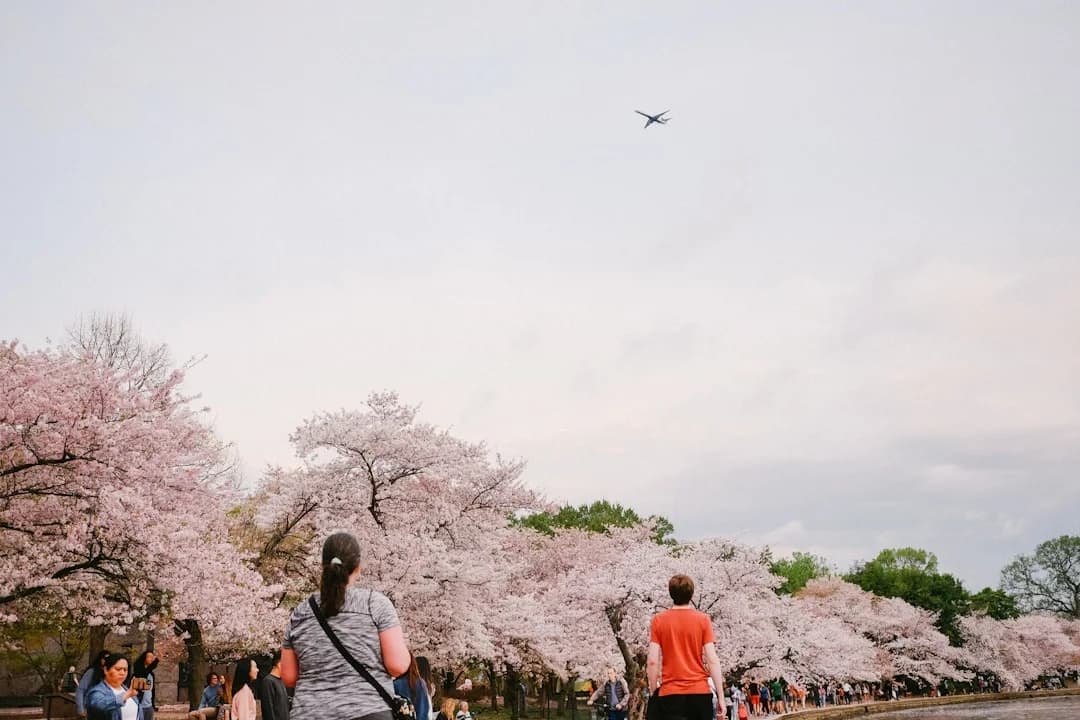
Photo by Sean Lee on Unsplash
Washington, DC is preparing for a marquee spring event that blends culture, tourism, and technology-driven planning: the National Cherry Blossom Festival 2026. The festival is scheduled to run from March 20 through April 12, 2026, a four-week window designed to align with the Yoshino cherry bloom cycle around the Tidal Basin and adjacent neighborhoods. Organizers frame the festival as a celebration of the enduring friendship between the United States and Japan, and the 2026 edition is expected to combine traditional offerings with modern, data-informed programming aimed at improving visitor experience, safety, and economic impact. The official four-week calendar and its core dates are critical for businesses, residents, and visitors who rely on accurate scheduling to plan travel, staffing, and marketing campaigns. (nationalcherryblossomfestival.org)
The festival’s formal kickoff is anchored by the Opening Ceremony on March 21, 2026, initiating a lineup of flagship events that shape the city’s spring calendar. The Blossom Kite Festival is slated for March 28, and Petalpalooza is set for April 4, with programming distributed across venues that include the Tidal Basin, the Yards, Diamond Teague Park, and other DC waterfront spaces. These events draw substantial crowds and drive year-over-year interest in the region’s technology and hospitality sectors, reinforcing the synergy between DC’s events economy and its data-driven planning capabilities. (nationalcherryblossomfestival.org)
Beyond the dates and venues, the National Cherry Blossom Festival 2026 sits within a broader conversation about bloom timing, tourism demand, and urban mobility. Forecasters commonly describe peak bloom as the moment when roughly 70 percent of Yoshino cherry blossoms are open, a benchmark used to coordinate viewing opportunities and event scheduling. While exact bloom timing can shift due to weather patterns, the festival’s window is designed to maximize visibility of the blossoms while minimizing disruption to city operations. In 2026, forecasts indicate a late-March to early-April bloom window, but observers caution that unusually cold conditions could delay peak bloom. Local outlets and national forecasters alike emphasize the importance of monitoring official channels for real-time updates as bloom dynamics evolve. (nationalcherryblossomfestival.org)
Opening the 2026 season also underscores the festival’s economic footprint and how technology shapes planning. In recent years, the festival has attracted millions of visitors and generated hundreds of millions in spending across the DC metropolitan area, underscoring the need for coordinated transportation, safety, and digital engagement strategies. While the precise economic impact fluctuates year to year, industry observers highlight the ongoing importance of the festival as a driver for hotels, restaurants, transit operators, and retail, as well as a living lab for data-driven event management. The most recent long-form reporting on attendance and economic impact points to significant visitor volumes and spending in recent seasons, reinforcing why stakeholders treat the festival as a major regional event. (washingtonpost.com)
Section 1: What Happened
Official Dates and Major Milestones
Festival Window and Core Programming
The National Cherry Blossom Festival 2026 is scheduled to run from March 20 to April 12, 2026, encompassing a four-week span that aligns with the cherry trees’ bloom cycle in Washington, DC. The official dates confirm a broad programming slate that includes cultural events, performances, family activities, and waterfront programming designed to maximize public engagement with the blossoms. The festival’s four-week frame is intended to capture peak bloom opportunities while supporting orderly operations around the Tidal Basin and neighboring venues. Opening ceremonies and signature events are planned within this calendar, with specific program dates announced by the festival organizers. (nationalcherryblossomfestival.org)
Signature Events and Milestones
Key events anchor the calendar, including:
- Opening Ceremony on March 21, 2026, marking the formal start of the festival. This ceremony remains a centerpiece for ceremonial activities, civic engagement, and media coverage. (nationalcherryblossomfestival.org)
- Blossom Kite Festival scheduled for March 28, providing a high-visibility outdoor gathering that blends kite artistry with family-friendly programming. This event is a long-running staple of the festival ecosystem and typically draws participants from across the region. (nationalcherryblossomfestival.org)
- Petalpalooza slated for April 4, a large, multi-venue celebration that includes music, performances, and waterfront programming at The Yards and Diamond Teague Parks, among other sites. The event calendar specifies a full-day program that runs into the evening, highlighting the festival’s multi-venue, multi-day approach. (hsema.dc.gov)
Venue Footprint and Access Points
The festival’s core footprint centers on the Tidal Basin and surrounding waterfront corridors, with additional programming in nearby DC neighborhoods that host concerts, displays, and cultural activities. The Tidal Basin Welcome Area, co-hosted with the National Park Service, serves as a central information hub where visitors can obtain festival materials, guidance, and live updates during peak bloom periods. For families and travelers planning ahead, the festival provides a helpline and a structured information ecosystem to support planning and on-site navigation. (nationalcherryblossomfestival.org)
Public Information and Safety Resources
Festival organizers maintain a robust information and safety apparatus to support visitors. The National Cherry Blossom Festival, Inc. publishes press materials, media toolkits, and contact information to facilitate accurate reporting and responsible event coverage. Key public-facing resources include the Festival Hotline and official updates through the festival’s information tents and partner agencies, ensuring that attendees have access to current event logistics, weather considerations, and transit advisories. (nationalcherryblossomfestival.org)
Section 2: Why It Matters
Economic and Tourism Impacts
Visitor Footprint and Spending

The National Cherry Blossom Festival has long functioned as a major magnet for tourism in the DC region, with historical data indicating multi-million visitor days and substantial economic spillovers. A high-profile national newspaper report reflecting recent seasons noted that the festival drew approximately 1.6 million visitors and generated around $202 million in spending in the prior year, underscoring the event’s role as a critical economic engine for hotels, restaurants, and local businesses. As the 2026 edition unfolds, stakeholders will be watching how visitor volumes align with the festival’s enhanced digital engagement and safety measures to sustain or grow this economic impact. (washingtonpost.com)
Market and Technology Trends Shaping the Festival
From a market-trends perspective, the National Cherry Blossom Festival 2026 sits at the intersection of culture, tourism, and technology-enabled planning. The official festival ecosystem includes a comprehensive media toolkit, press releases, and digital assets designed to streamline communications with attendees, media, sponsors, and city agencies. This emphasis on transparent information sharing and data-informed operations reflects a broader shift in event management toward ensuring safety, accessibility, and positive visitor experiences while preserving the cultural integrity of the celebration. (nationalcherryblossomfestival.org)
Environmental and Climate Context
Bloom timing remains a central factor for attendees and vendors alike, given that peak bloom is weather-dependent. The definition — peak bloom occurs when roughly 70 percent of Yoshino blossoms are open — provides a measurable anchor for planning, but actual bloom timing can drift due to temperature patterns and late-winter conditions. For 2026, forecasters and local experts emphasize the potential for a late-March to early-April bloom window; however, a particularly cold winter could delay bloom and shift the planning playbook for businesses and visitors. This climate context matters for transit operators, retailers, and accommodation providers who calibrate staffing, inventory, and marketing calendars in response to bloom forecasts. (nationalcherryblossomfestival.org)
Who It Affects and the Broader Context
Residents, Businesses, and Local Economy
Residents along the Tidal Basin corridor and in adjacent neighborhoods experience heightened activity during the festival, with spillover benefits for small businesses, cultural organizations, and hospitality providers. The festival’s four-week cadence creates sustained demand for transportation, lodging, dining, and retail, even as the city coordinates with transit authorities to minimize congestion and maintain safety. The economic ripple effects extend to cultural institutions, vendors, and service providers who participate in or support festival programming, reflecting the event’s multi-stakeholder impact. The Washington Post’s reporting on visitor volumes and spending underscores the scale of these effects and provides a benchmark for assessing the festival’s ongoing economic value. (washingtonpost.com)
Tech and Infrastructure Stakeholders
Tech-focused stakeholders—ranging from software developers enabling ticketing and wayfinding to data scientists analyzing crowd patterns and transit utilization—play a growing role in the National Cherry Blossom Festival 2026. The festival’s emphasis on data-driven planning, communications, and safety coordination aligns with broader urban-tech trends in which city events serve as live labs for testing digital tools, real-time analytics, and citizen-facing information platforms. This dynamic has implications for local tech firms, startups, and researchers who see the festival as a case study in scalable, resilient event management. The official resources emphasize transparency and coordinated information dissemination as core components of the festival’s approach. (nationalcherryblossomfestival.org)
Public Safety and Resilience Considerations
Public safety planning is integral to large-scale outdoor events in urban settings. The Petalpalooza venue and the broader festival ecosystem require collaboration among federal, city, and event partners to address crowd management, transit flows, and emergency readiness. The event pages and official communications reflect a structured approach to stakeholder coordination, with information tents and helplines designed to assist attendees in navigating logistics and safety considerations. This integrated approach helps balance accessibility with risk management, ensuring a safe environment for families, solo travelers, and business travelers alike. (hsema.dc.gov)
What It Reveals About Market Trends
Tourism Dynamics and Seasonal Events

The National Cherry Blossom Festival 2026 illustrates how a seasonal cultural event can anchor a city’s marketing and tourism strategy. By aligning with a well-known natural phenomenon—the blooming of cherry trees—official organizers create an anchor point for marketing campaigns, hospitality partnerships, and city branding. Data-driven planning helps optimize programming, transportation, and security, while media and sponsorships leverage the event’s broad appeal to attract diverse audiences. The festival’s four-week structure and high-profile signature events help maintain a steady stream of visitors and related economic activity across multiple neighborhoods and business sectors. (nationalcherryblossomfestival.org)
Climate-Resilient Planning and Communication
As bloom timing adapts to climate variability, the festival’s planning approach increasingly emphasizes resilience and adaptability. The possibility of bloom timing shifts requires contingency planning for events, ticketing, and transit operations. Analysts and city planners will be watching bloom forecasts closely, ready to adjust programming windows or communicate changes to attendees through official channels and partner networks. This dynamic highlights how major public celebrations must remain flexible in the face of environmental uncertainty, a trend likely to persist in future editions. (axios.com)
Section 3: What’s Next
Timeline, Next Steps, and What to Watch For
Ongoing Schedule Updates and Public Communications
As the National Cherry Blossom Festival 2026 unfolds, expect ongoing updates to programming, venue operations, and safety measures. The official calendar remains the definitive source for confirmed dates, times, and locations, with additional updates published through the festival’s information tents and partner channels. The festival’s leadership has indicated that beyond the core events—Opening Ceremony, Blossom Kite Festival, and Petalpalooza—there will be a broad suite of performances, exhibitions, and cultural programming distributed across the city. Attendees and media outlets should monitor official communications for any last-minute adjustments or weather-related advisories. (nationalcherryblossomfestival.org)
Key Milestones and Public Engagement
Looking ahead, planners should track:
- March 20, 2026: Official start of the festival window.
- March 21, 2026: Opening Ceremony.
- March 28, 2026: Blossom Kite Festival.
- April 4, 2026: Petalpalooza.
- April 12, 2026: Festival wrap-up, with ongoing events and programs as announced. These milestones anchor the city’s spring-season activity and offer practical planning cues for residents, visitors, businesses, and public agencies. The dates above reflect the official framing provided by the festival organizers and city partners. (nationalcherryblossomfestival.org)
Planning for Bloom Windows and Visitor Experience
Forecasts suggest that the peak bloom window for 2026 will likely fall in late March to early April, a natural target for maximizing visibility of the blossoms and the success of outdoor programming. However, cold snaps or unusually severe winter conditions could shift bloom timing, creating a need for flexible scheduling and dynamic communications. Attendees should be prepared for variation and rely on official updates as bloom conditions become clearer closer to the event. This approach aligns with the festival’s emphasis on data-informed planning and real-time information sharing. (axios.com)
How to Plan a Visit and What to Watch For
Getting There, Getting Around, and Viewing Tips

For visitors, the festival offers several predictable vantage points and access options, with the Tidal Basin area serving as the primary viewing zone. The festival Information Tent at the Tidal Basin Welcome Area, co-hosted by the National Park Service, provides on-site guidance, maps, and updates to help attendees optimize their day. Transportation options, including Metro services, bus routes, and riverfront access points, are typically highlighted in official planning materials and partner communications. While the core events are free and open to the public, some auxiliary programs may require tickets or reservations, and attendees should verify details in advance via official sources. (nationalcherryblossomfestival.org)
Family and Community Programming
The festival’s family-friendly programming includes a range of performances, crafts, and cultural demonstrations that reflect the United States–Japan collaboration at the heart of the celebration. In addition to the core events, partner venues around the city—such as museums, cultural centers, and waterfront venues—often host concurrent programs that expand the festival’s reach and create cross-promotional opportunities for local organizations. Stakeholders should monitor both the festival site and partner calendars to plan multi-day itineraries that maximize access to diverse experiences. (nationalcherryblossomfestival.org)
Safety, Accessibility, and Real-Time Updates
The city’s safety and accessibility considerations are central to the festival’s planning approach. Attendees should remain aware of transit advisories, crowd management practices, and weather-related updates published by the festival and city agencies. The festival’s public-facing resources provide a reliable channel for updates, emergency information, and accessibility accommodations, ensuring that visitors of all ages and abilities can enjoy the celebration. (nationalcherryblossomfestival.org)
Closing
The National Cherry Blossom Festival 2026 represents more than a seasonal spectacle; it is a data-informed, multi-stakeholder effort that blends culture, tourism, and technology to create a coordinated, citywide experience. With a scheduled window from March 20 through April 12, 2026, and flagship events including Opening Ceremony (March 21), Blossom Kite Festival (March 28), and Petalpalooza (April 4), the festival offers a consistent base for planners, businesses, and residents to align operations, marketing, and visitor services around a beloved DC spring tradition. As bloom forecasts are refined and day-to-day conditions evolve, official channels will remain the most reliable source of timely information. By coupling cultural programming with a disciplined, data-driven approach to logistics and communications, the National Cherry Blossom Festival 2026 stands to deliver a high-quality visitor experience while sustaining the local economy and community well into the spring season. (nationalcherryblossomfestival.org)
Readers seeking the latest updates should monitor the official festival website and trusted city partners for real-time scheduling and safety notices. The festival’s four-week footprint offers multiple opportunities to engage with DC’s vibrant tech, hospitality, and cultural ecosystems, all while celebrating a centuries-old tradition that continues to resonate with residents, visitors, and international guests alike. For those planning a visit, consider aligning travel plans with the peak bloom window, staying flexible in the event of weather-driven changes, and leveraging official resources for the most accurate, up-to-date information. (nationalcherryblossomfestival.org)