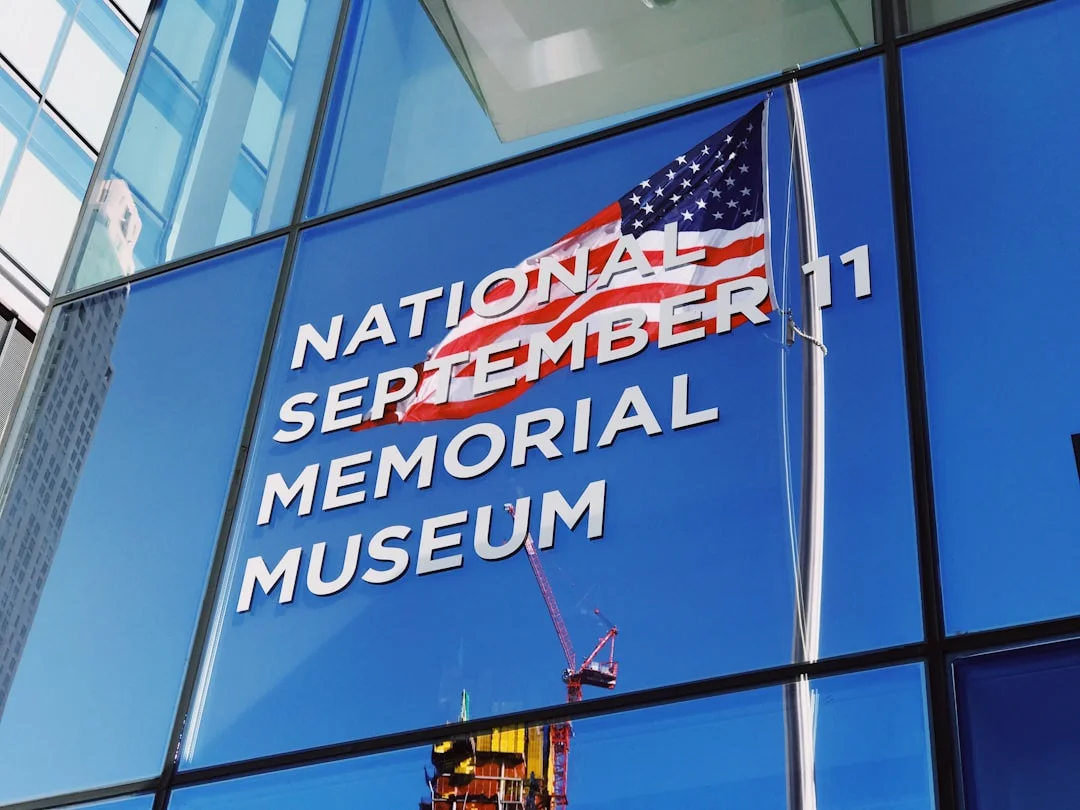
National Air and Space Museum Renovation 50th Anniversary

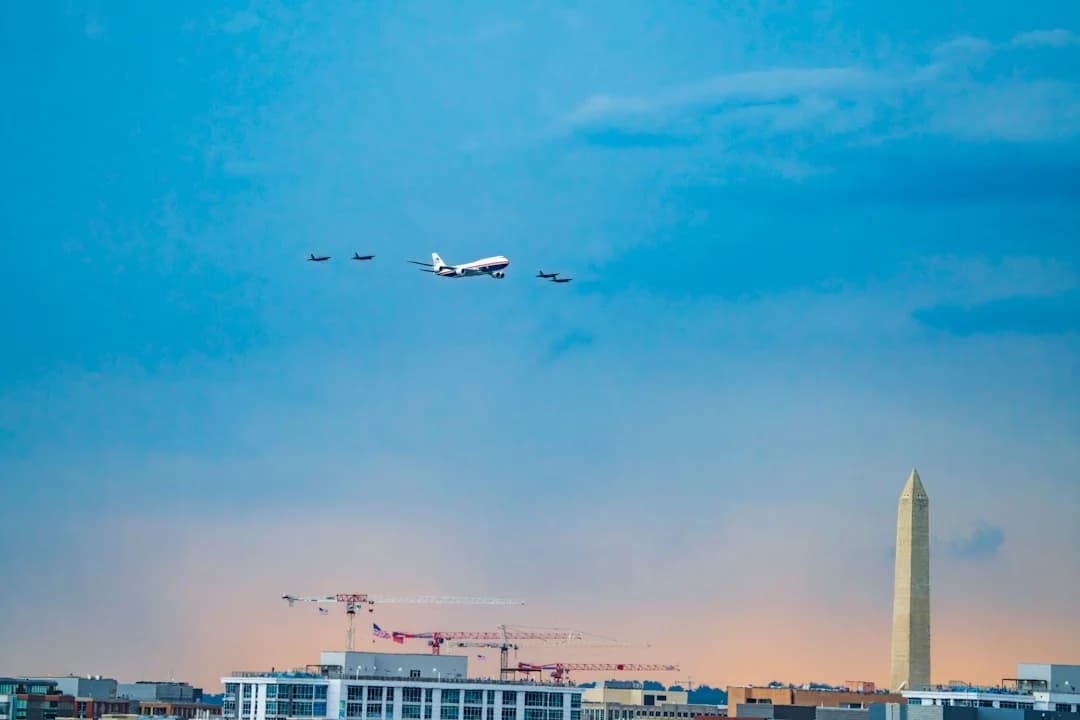
Photo by Ben Kelsey on Unsplash
The National Air and Space Museum on the National Mall is marking a milestone while continuing a major modernization. As the building approached its 50th anniversary on July 1, 2026, the Smithsonian institution announced that five new galleries would open on that date, with the remaining two renovated spaces to follow in the fall. The multi-year renovation, which began in 2018, aims to refresh all 20 galleries, overhaul exterior cladding, upgrade mechanical systems, and bring the museum’s exhibits into a contemporary, visitor-centered era. This milestone aligns with the nation’s 250th anniversary and signals a broader push to update how aerospace history is presented to new generations. (airandspace.si.edu)
Beyond the galleries themselves, the museum has scheduled programming to accompany the openings, including a film series, lectures, and digital initiatives designed to celebrate 50 years of operation while offering new ways to engage with space and aviation history. The press materials emphasize a yearlong slate of activities, with the 50th anniversary film series, possibly tied to objects in the expanded collections, and digital storytelling intended to broaden access to artifacts across the Mall and the Udvar-Hazy Center in Chantilly, Virginia. (airandspace.si.edu)
As construction rolls toward the finale, the museum’s leadership frames the renovation as a long-term commitment to accessibility, safety, and immersive learning. The project, which began in 2018, has progressed in phases, with a first tranche of openings in fall 2022 and a second wave in summer 2025, culminating in the summer 2026 milestone. The trajectory is designed to deliver a more integrated experience that couples hands-on learning with refreshed interpretive themes, while preserving the institution’s core mission of connecting visitors with the story of flight and space exploration. (airandspace.si.edu)
Section 1: What Happened
Timeline of the NASM renovation
The National Air and Space Museum’s flagship underwent a long-running modernization that began in 2018, part of a comprehensive effort to refresh all 23 exhibitions and the surrounding infrastructure. A first wave of renovations opened in October 2022, delivering eight new or reimagined exhibitions along with the Northrop Grumman Planetarium, the museum store, and the Mars Café, signaling the start of a phased approach rather than a single, sweeping overhaul. The second phase followed in July 2025, introducing five additional exhibitions and updating several prominent galleries in advance of the 50th anniversary. These phased openings paved the way for the five new galleries scheduled to debut on July 1, 2026, which mark a major milestone in the renovation narrative. The museum also noted that the government shutdown in fall 2025 necessitated adjustments to the planned seven remaining galleries’ schedule, with the five July 2026 openings still on track and the remaining two slated for the fall. (airandspace.si.edu)
Five new galleries will open July 1, 2026, to coincide with the museum’s 50th anniversary and in time for the nation’s 250th birthday celebration. The galleries to be unveiled on opening day are Flight and the Arts Center, Jay I. Kislak World War II in the Air, U.S. National Science Foundation Discovering Our Universe, RTX Living in the Space Age, and Textron How Things Fly. The project’s broader scope includes redesigning all 20 exhibition spaces and a complete exterior refacing, along with upgraded mechanical systems and related repairs. The remaining two renovated galleries are planned for a fall opening, completing the current renovation phase. (airandspace.si.edu)
The museum has also provided a broader context for these changes, noting that the renovation is designed to modernize facilities, improve visitor flow, and expand interpretive capacity for space and aviation history. The first half opening in 2022 included a set of refreshed or new exhibits, a reimagined entry experience, and updated amenities; the 2025 phase continued that momentum with further exhibits and learning spaces. By design, the renovation aims not only to enhance exhibit quality but also to address technical upgrades, energy efficiency, and accessibility improvements across the building. (airandspace.si.edu)
Gallery lineup and new spaces
The five galleries slated for July 1, 2026—Flight and the Arts Center, Jay I. Kislak World War II in the Air, U.S. National Science Foundation Discovering Our Universe, RTX Living in the Space Age, and Textron How Things Fly—form a centerpiece of the final installation wave. The Flight and the Arts Center is described as a two-level exhibit space that will connect art and flight through a combination of artifacts and interactive experiences, while Jay I. Kislak World War II in the Air examines the wartime aviation revolution and its broader implications for technology and culture. Discovering Our Universe is expected to showcase advances in astronomical instrumentation and discovery, RTX Living in the Space Age ties space technology to everyday life on Earth, and How Things Fly offers hands-on demonstrations of the aerodynamic principles that govern flight. The five-space opening is part of a broader refresh of all 20 exhibition spaces, reflecting a concerted effort to reframe the museum’s narrative for a modern audience. (airandspace.si.edu)
In addition to these newly opened spaces, the museum’s ongoing renovation has included the revitalization of core galleries and public spaces that anchors the visitor journey. For example, the 2022 opening wave introduced eight new or reimagined exhibitions and expanded physical spaces, while the 2025 wave added another batch of enhancements that emphasize interactive learning and more coherent storytelling across topics from aviation history to space exploration. These changes collectively aim to modernize the museum’s infrastructure and exhibitions, ensuring that artifacts remain accessible and engaging for visitors of all ages. (airandspace.si.edu)
A broader context for the gallery refresh is the ongoing conversation about how major cultural institutions manage large-scale renovations without interrupting public access. The National Air and Space Museum’s approach—opening new spaces in phases while maintaining core public programs—serves as a model for other museums undertaking similar, resource-intensive modernization efforts. The renovation’s pace and phasing are designed to minimize disruption while delivering visible milestones that coincide with landmark dates on the national calendar. (airandspace.si.edu)
Renovation scope and infrastructure upgrades
The press materials describe the renovation as a sweeping modernization designed to reimagine all 20 exhibition spaces, reface the exterior, and replace outdated mechanical systems and other essential infrastructure. By the project’s stated timeline, the first half opened in October 2022, bringing new or refreshed experiences to the West Wing and related spaces, while the second phase opened in July 2025, delivering additional galleries and improved facilities ahead of the 50th anniversary celebrations. This phased approach culminates in July 2026 with five new galleries and two additional galleries opened in the fall, representing a substantial completion of the multi-year effort. The renovations also include a broader strategy to improve visitor access, ensure long-term resilience of the building, and modernize the museum’s ability to host interactive and digital programming. (airandspace.si.edu)
The project has also been tracked by external observers as part of national-level cultural and infrastructure investments tied to the National Mall and the Smithsonian’s mission to preserve and showcase American aviation and space history. In this broader context, the renovation aligns with similar modernization efforts in the surrounding district and within the Smithsonian system, which have included energy-efficient retrofits, updated accessibility features, and updated curatorial approaches intended to engage diverse audiences in a rapidly evolving media landscape. While the NASM project remains a standalone effort, its scale and ambition are emblematic of the challenges and opportunities facing large museums as they adapt to changing technology, audience expectations, and public funding dynamics. (axios.com)
Section 2: Why It Matters
Educational impact and visitor engagement
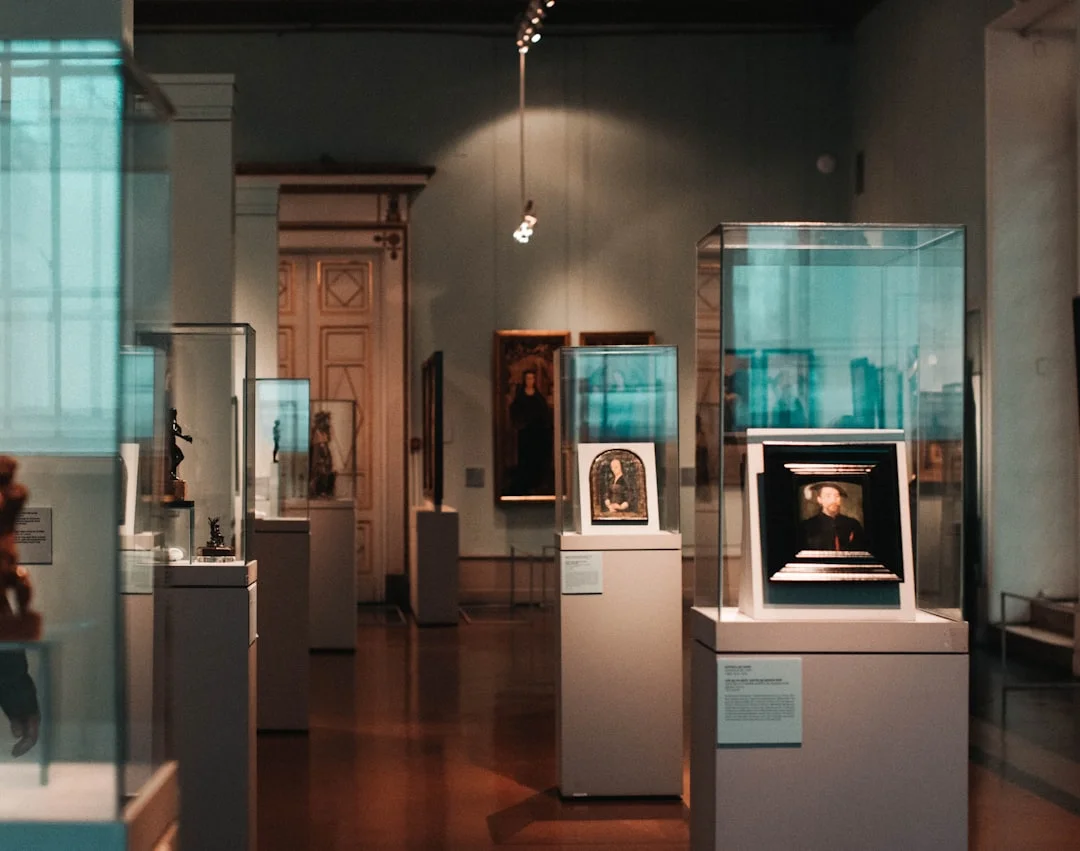
The renovation is designed to expand the museum’s ability to engage visitors through hands-on experiences, immersive environments, and modern storytelling. One highlight noted by museum officials is the expanded How Things Fly gallery, which emphasizes interactive experiences to teach the physics of flight. The museum underscores that it aims to balance accessibility with depth, offering experiences that appeal to a broad range of ages and learning styles. The Washington Post describes the space as among the most dynamic offerings of the renovation, with features like a wind tunnel and a hands-on atmosphere intended to encourage experimentation and curiosity. The goal is to make the museum not just a place to view artifacts but a venue for active exploration of the science of flight. > This is as close as we get to being a science center, Kinney says, emphasizing the hands-on, learn-by-doing approach that the renovation aims to support. (washingtonpost.com)
In parallel, the museum has positioned the renovation as a way to preserve and present a broader story—one that connects aviation and space exploration to culture, technology, and daily life. The renovated Living in the Space Age gallery and related spaces illustrate how space technology intersects with fashion, communications, and even sports, reflecting a contemporary understanding of technology as embedded in everyday experience. The Washington Post article highlights how artifacts such as Skylab, the Apollo 11 era, and modern satellites help tell these broader stories, while also acknowledging the enduring appeal of historic aircraft and space hardware. This approach aligns with a data-driven understanding of how museums can increase relevance for today’s audiences by linking historical artifacts to current and future technological trajectories. (washingtonpost.com)
Economic and tourism implications
The National Air and Space Museum is a cornerstone of Washington, D.C.’s cultural tourism ecosystem. The phased openings and milestone anniversaries can be expected to drive incremental visitation from both domestic and international travelers seeking landmark experiences tied to aerospace history. While the museum provides free timed-entry passes, the transformed spaces and new exhibitions offer fresh reasons for repeat visits, particularly during the summer and fall windows around July 1, 2026. The renovation’s coordination with the nation’s 250th anniversary adds an additional layer of national relevance to the museum’s programming and outreach efforts, potentially amplifying media attention and tourism interest. In industry coverage, the project is often cited as a large-scale example of a museum modernization effort that combines exhibit redesign with infrastructure upgrades to extend the life of a major cultural asset. (airandspace.si.edu)
From a market-trends perspective, the NASM renovation reflects a broader pattern in which major cultural institutions are seeking to refresh flagship attractions to remain competitive in a crowded and digitally enabled landscape. The inclusion of interactive experiences, new galleries, and planned expansions like the Bezos Learning Center, as reported by industry outlets, points toward a trend of integrating experiential learning facilities with traditional artifact-based exhibits. This aligns with contemporary expectations for museums to offer both educational depth and engaging, hands-on experiences that translate science and history into practical, everyday understanding. While some figures and project budgets are cited in reporting, the core takeaway remains: modernization, visitor-centric design, and expanded learning opportunities are central to sustaining long-term relevance for national museums. (axios.com)
Broader historical and cultural context
The NASM renovation carries symbolic weight as a 50-year commemoration of the building’s opening on July 1, 1976, a moment that coincided with a national sense of achievement in the space race era and the broader story of American innovation. The renovation’s timing—culminating in the 50th anniversary—emphasizes a continuity of mission: to preserve, interpret, and present the history of flight and exploration in a way that speaks to contemporary audiences. In parallel, the project’s alignment with the nation’s 250th birthday adds a wider civic context, turning a museum modernization into part of a larger narrative about national identity, science literacy, and public investment in culture. The NASM’s ongoing transformation thus sits at the intersection of cultural diplomacy, science education, and technology industry trends, offering a data-informed lens on how public institutions adapt to evolving expectations while preserving a shared memory of pivotal moments in aviation and space exploration. (airandspace.si.edu)
Accessibility, technology, and audience considerations
A notable element of the renovation is the emphasis on accessibility and inclusive design, ensuring that a broader cross-section of visitors can engage with the exhibits. This extends to digital offerings, virtual tours, and online access to its vast collection records, which are being made available to the public as part of the anniversary programming. The combination of physical and digital access aligns with current museum practices that seek to democratize access to cultural heritage while preserving in-person experiences for hands-on learning. The project’s approach to interactives, such as wind tunnels and hands-on exhibits, is designed to appeal to a diverse audience, including younger learners and families seeking engaging STEM experiences. (airandspace.si.edu)
Section 3: What’s Next
Timeline and upcoming milestones
The National Air and Space Museum’s 50th anniversary milestone on July 1, 2026 represents a major culminating moment in a seven-year renovation. With five galleries opening on that date, the museum will have completed a substantial portion of its planned enhancements, followed by two additional renovated galleries opening in the fall of 2026. The project’s press materials emphasize a phased completion strategy, with ongoing programming and new exhibits to accompany each milestone. The national calendar context—most notably the 250th anniversary of the United States—provides a backdrop for the museum’s efforts to attract broader attention and align its exhibitions with national storytelling. (airandspace.si.edu)
Looking beyond July 2026, observers should monitor the museum’s public-facing communications for any updates on additional exhibits, programming, or potential future expansions. The NASM’s public statements indicate that programming will continue throughout the anniversary year and beyond, including digital initiatives and limited-edition merchandise designed to commemorate the renovation and anniversary. The press materials suggest that the anniversary era will be marked by a blend of historical retrospectives and contemporary exhibits that explore how space technology shapes daily life and future possibilities. (airandspace.si.edu)
What to watch for visitors and researchers
For visitors planning trips, the opening calendar remains a key signal for planning. The five galleries opening July 1, 2026 will immediately affect how audiences experience the museum, especially given the museum’s entry practices and passes. Free timed-entry passes remain in effect, and visitors should prepare for new gallery layouts and redesigned entrances. The museum’s address, hours, and entry policies are available on its official site, and recent press materials note the North Entrance on Jefferson Drive as the primary access point for visitors in the renovated period. These operational details help ensure a smooth visitor experience during a period of substantial change. (airandspace.si.edu)
As the final galleries prepare to open in fall 2026, scholars and enthusiasts will likely pay close attention to how the new interpretive strategies shape the interpretation of aviation and space history. The renewed emphasis on hands-on interactivity, combined with updated artifacts and new narrative threads, offers opportunities for researchers to examine how museums balance historical accuracy with contemporary engagement strategies. The museum’s ongoing updates—paired with external coverage—provide a rich, data-driven basis for analyzing how large public institutions manage long-term capital projects while maintaining public trust and educational impact. (washingtonpost.com)
Closing
The National Air and Space Museum’s renovation 50th anniversary marks a turning point in how the institution preserves, interprets, and presents the story of flight to contemporary audiences. With five new galleries opening on July 1, 2026, and the final two scheduled for the fall, the project signals a renewed commitment to immersive science learning, interactive experiences, and accessible, data-informed storytelling. As the museum enters the home stretch of its seven-year modernization, District of Columbia Times will continue to monitor the rollout, assess visitor impact, and report on how these changes influence public engagement with aviation and space history. For readers seeking the latest developments, official NASM communications and the museum’s newsroom remain the most authoritative sources for timeline updates, gallery details, and upcoming programming. (airandspace.si.edu)