Janeese Lewis George Mayoral Primary 2026: DC's Next Mayor

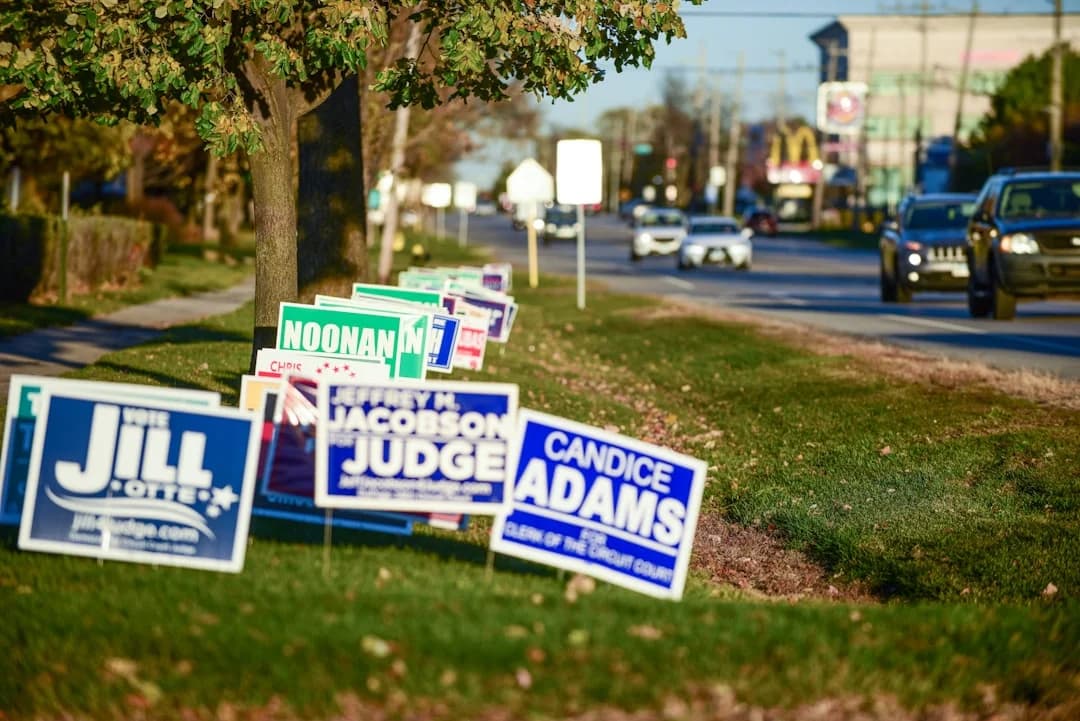
Photo by Michael Carruth on Unsplash
In a watershed moment for Washington, D.C. politics, Janeese Lewis George secured the Democratic nomination in the June 16, 2026 mayoral primary, positioning herself as the frontrunner for the city’s next chief executive. The race, open after outgoing Mayor Muriel Bowser elected not to seek a fourth term, drew wide interest from residents and national observers alike who watched how the district would balance affordability, public safety, and governance in a rapidly changing urban ecosystem. By mid-June, Lewis George led in early returns and polls, signaling a potential transition in the city’s approach to technology-enabled policy and fiscal strategy. Kenyan McDuffie, her principal rival, conceded the Democratic primary on June 18, 2026, marking a clear path toward the November general election. This development has immediate and longer-term implications for how District residents will experience governance, digital services, and market conditions in the years ahead. (apnews.com)
The significance of this open mayoral race goes beyond a single election cycle. The District of Columbia has not seen a truly open mayoral contest in nearly two decades, and the outcome is widely viewed as a bellwether for how progressive and data-driven policy ideas can translate into executive leadership in a major American city. As observers noted, the campaign’s trajectory has intersected with broader national conversations about housing affordability, technology-enabled governance, and the role of Democratic socialist ideas in urban policy. The race has drawn endorsements from labor unions and local officials, reflecting a breadth of organizational support that could influence how the next administration negotiates budget priorities, workforce development, and public services. Analysts emphasize that the race’s result could push the city to accelerate investments in data infrastructure, digital public services, and tech-enabled transit and housing solutions. (washingtonpost.com)
Section 1: What Happened
Primary results and timeline
- The Democratic primary took place on June 16, 2026, in the District of Columbia, with Janeese Lewis George emerging as the leading candidate in the ranked-choice voting count and setting the stage for the general election in November. The District’s official candidate listings confirm Lewis George as a Democratic candidate for mayor in the June 16, 2026 primary. This open-seat race followed Bowser’s decision not to seek re-election, effectively inaugurating a new era of leadership for the city. (dcboe.org)

Photo by Clay Banks on Unsplash
- As results began to settle, Lewis George’s early position in the vote tally drew attention from local observers and national outlets alike, with several outlets reporting that she held a substantial lead in the first- and second-choice tallies as ballots were counted. While final tallies can vary with ranked-choice processing, the early indicators were consistent with a lead that positioned her as the candidate to beat in the general election. (fox5dc.com)
Key events and milestones
- Concession by the top rival: Kenyan McDuffie conceded the Democratic primary in the days following the June 16 vote, effectively acknowledging Lewis George’s path to the nomination. The concession, reported by AP News, marked a turning point in a tightly watched race and signaled momentum for Lewis George as the party’s standard-bearer in a city with a longstanding Democratic tilt. The concession occurred in mid-June 2026, aligning with national coverage that highlighted the close contest but Lewis George’s eventual lead. (apnews.com)
- Ongoing national and local interest: In the days surrounding the primary, national outlets tracked polling data, endorsements, and fundraising milestones to gauge Lewis George’s potential to translate polling momentum into a durable victory in November. The mix of local and national attention reflected the race’s potential to shape urban policy narratives around affordable housing, data-driven governance, and the balance between city autonomy and federal oversight. (washingtonpost.com)
Campaign milestones and fundraising
- By May 2026, campaign disclosures and press releases highlighted a sustained fundraising surge, with the candidate reporting thousands of individual DC donors contributing to the mayoral bid and signaling broad resident engagement. Campaign communications cited more than 5,730 DC residents as donors, a figure presented as a record for a mayoral primary in the city’s modern political history. The fundraising narrative was paired with endorsements from prominent figures and organizations, underscoring a broad base of support as the race moved toward the summer vote. (janeesefordc.com)
- Endorsements and organizational backing: The Lewis George campaign also touted support from notable local figures and unions, including Karl Racine (the former Attorney General of the District) and Ward 6 Councilmember Charles Allen, among others. These endorsements were framed by the campaign as evidence of cross-community appeal and a readiness to implement a policy agenda anchored in data and worker-friendly priorities. (janeesefordc.com)
Polls and public sentiment
- Pre-election polling suggested a favorable trajectory for Lewis George, with publications noting her lead in a field that included multiple serious contenders. A June 5, 2026 Washington Post/Schar School poll, for example, indicated that Lewis George held a lead over her closest competitor, while recognizing substantial voter indecision in a dynamic race. The coverage emphasized the importance of turnout, the ranked-choice voting process, and how suburban-urban divides and policy priorities could shape final results. (washingtonpost.com)
- Additional analysis from local and regional outlets underscored a movement among younger and progressive voters who aligned with Lewis George's policy framing on affordability, housing, and public services, even as opponents argued for more incremental approaches. A City Cast DC segment and multiple national outlets charted a path where Lewis George’s coalition of renters, labor advocates, and progressive-leaning organizations could translate into decisive support in the general election. (dc.citycast.fm)
Campaign themes and policy positioning
- Lewis George’s campaign materials highlighted a platform centered on affordable housing, living-wage opportunities, and a tech-forward approach to city governance. The candidate’s messaging frequently framed technology as a tool for expanding transparency, improving delivery of services, and enabling more responsive budgeting and program evaluation. Campaign communications cited “Good Jobs For All” and other policy frames that emphasize inclusive growth, with endorsements from labor and community organizations reinforcing those priorities. (janeesefordc.com)
- The broader national context around the race emphasized a trend in which Democratic socialist ideas gained traction in urban elections, a dynamic that observers argued could influence how the district negotiates federal policy, budgetary constraints, and social programs. This framing appeared in multiple pieces examining the race’s momentum and its implications for urban governance in the post-Trump era. (axios.com)
Section 2: Why It Matters
Policy directions and tech governance
A turning point for data-driven city management

Photo by Element5 Digital on Unsplash
Washington, D.C. enters a new administration phase with a mayoral winner who has positioned technology and data as central levers for governance. Lewis George’s campaign materials and public statements stressed a commitment to expanding data-informed decision-making, bolstering digital services, and using analytics to improve service delivery and accountability. In practice, this could translate into expanded open data initiatives, more rigorous performance metrics for city programs, and greater emphasis on cost-benefit analysis for new technology deployments. Observers note that a data-centric approach can help the city calibrate investments in housing subsidies, transportation infrastructure, and public safety using real-time or near-real-time information. The national trend toward tech-enabled governance and performance-based budgeting adds depth to this local shift and provides a framework for evaluating the next administration’s first-year priorities. (washingtonpost.com)
Housing affordability and tech-enabled solutions
Housing affordability remains a central issue in D.C. politics, and the Lewis George campaign highlighted policy instruments that blend public investment with private-sector collaboration and data-driven targeting. Supporters point to technology-enabled permitting processes, speedier zoning reviews, and data dashboards that illuminate where subsidies are most effective. Critics warn that rapid tech-enabled strategies must address equity and avoid unintended displacement. The race’s coverage—including national analysis of how urban progressive candidates interpret affordability—frames Lewis George as part of a broader movement prioritizing ambitious, tech-assisted policy solutions rather than incremental reforms. The discourse reflects how market dynamics, policy design, and data transparency intersect in the District’s real estate and economic development sectors. (theguardian.com)
Public safety, policing, and digital partnerships
Public safety and policing have long been central to DC elections. Campaign messaging and subsequent coverage emphasize modernizing the city’s approach to safety with technology, including data-informed crime analytics, community policing partnerships, and targeted investments in trusted community organizations. While the policy debate on these topics remains nuanced, Lewis George’s stance—paired with endorsements from labor and civic groups—suggests a governance philosophy that favors coordinated, evidence-based approaches to public safety, mindful of civil liberties and community trust. National and local coverage during the primary highlighted these tensions as essential to understanding the policy path the next administration may pursue. (washingtonpost.com)
Federal relations and autonomy
The 2026 mayoral race unfolded in a political environment where federal interactions with the District can become a focal point of policy debate. Coverage during and after the primary noted that dialogues with the federal government—especially regarding budget autonomy and home-rule powers—could take on new significance depending on the administration’s approach to governance and external pressures. The Guardian and other outlets documented how the election’s trajectory intersected with national political dynamics, including President Trump’s public commentary on the District’s governance and autonomy. As the city navigates a post- Bowser era, the leadership style and policy priorities Lewis George advances will influence how the District negotiates federal—and international—attention to urban policy. (theguardian.com)
Broader urban-electoral trends and market implications
Analysts have framed Lewis George’s rise within a broader wave of urban candidacies championing progressive, data-driven policy as a route to addressing pressing urban market challenges. A growing cohort of mayors in major US cities has pursued ambitious housing, transit, and technology investments, and DC’s race appears to be part of that same macro trend. The early national coverage underscored that the outcome could affect how markets respond to policy uncertainty, how capital flows into city-backed tech initiatives, and how private sector players position themselves for a DC policy environment that prioritizes transparency, robust data ecosystems, and broad-based economic opportunity. (axios.com)
Who it affects and how
- Residents and renters: The affordability story remains central to policy choices, budget allocations, and program design, with technology being deployed to improve targeting of subsidies, streamline access to services, and reduce friction in program enrollment. (washingtonpost.com)
- Public employees and unions: Endorsements from organized labor and job-centered organizations signal potential collaboration on workforce development and tech-forward service delivery that supports municipal workers and contractors. This could influence collective bargaining dynamics and deployment of new digital platforms. (janeesefordc.com)
- Local businesses and startups: The District’s approach to data governance and digital services may shape how city procurement and regulatory environments accommodate tech-enabled solutions, from housing tech platforms to public-facing digital services. Market observers look for signal cues about public-private collaboration and investment in local innovation ecosystems. (washingtonpost.com)
Implications for District and markets
The mayoral primary’s results reverberate through DC’s policy and market ecosystems in several concrete ways. First, the leadership will set the tone for the city’s fiscal priorities during the upcoming budget cycle, including funding for housing, transit, and public-safety technology investments. The fundraising momentum and broad base of supporters suggest a mandate for big-ticket policy initiatives that rely on data and technology to achieve tangible outcomes for residents. Second, the transition period often accelerates policy experimentation—pilot programs, dashboards for program performance, and new approaches to regulatory oversight—creating opportunities for tech firms, non-profit partners, and civic groups to participate in the city’s modernization efforts. Finally, the outcome affects investor and developer sentiment in a market where affordable housing remains a critical constraint; the policy mix that emerges will influence how projects are financed, permitted, and scaled in the coming years. (janeesefordc.com)
Section 3: What’s Next
General election trajectory and transition planning
Photo by Sunil Chandra Sharma on Unsplash
November path and potential challenges
With the Democratic primary settled, Janeese Lewis George now faces the November general election in a city that leans heavily Democratic. The general election’s dynamics will likely hinge on turnout, mobilization of in-district voters, and national sentiment around urban governance, affordability, and technology-enabled policy tools. Analysts caution that while the primary closed a major chapter, the general contest could still emphasize debates over cost-of-living, public services, and the city’s relationship with federal authorities—areas where Lewis George’s data-driven approach may offer a distinct contrast to opponents. The Washington Post’s polling during the campaign highlighted ongoing interest in leadership style and policy priorities, which will be central in the fall contest. (washingtonpost.com)
- DC’s official process and timelines remain on track for post-primary transition activities, including organizational planning, stakeholder outreach, and implementation of the policy agenda the campaign signaled as essential. The District’s public records and election authorities provide ongoing updates as the general election period unfolds, and journalists will continue to monitor fundraising, endorsements, and field efforts. (dcboe.org)
Transition priorities and governance plan
- As the city prepares for a new administration, residents and markets will watch for concrete transition efforts around how Lewis George plans to translate campaign promises into executable programs. This includes the design and rollout of data dashboards for city services, expansion of open-data initiatives, and the establishment of cross-agency task forces to accelerate digital service delivery. Observers expect a transition focused on clarity, accountability, and measurable outcomes, with an emphasis on equity and inclusive growth. Campaign materials and post-primary statements provide a framework, but specifics will emerge as the transition team aligns on a priority list for the first 12 to 18 months in office. (janeesefordc.com)
What to watch in the weeks ahead
- Certification and legal processes: The District’s election board will finalize results and certify the primary winner, a standard procedural step that solidifies the transition timeline. Journalists will track any legal challenges or recounts if they arise, though early indicators suggested Lewis George’s leadership position was secure. (dcboe.org)
- Endorsements and coalition-building: The Lewis George camp has demonstrated broad support across labor unions, neighborhood organizations, and elected officials. In the weeks ahead, observers will watch how this coalition translates into policy collaboration, budget support, and public messaging as the city moves toward the general election. (janeesefordc.com)
- Tech and data policy milestones: Given the campaign’s data-driven orientation, expect announcements around new dashboards, performance metrics, and governance reforms designed to increase transparency and stakeholder participation. This could include public-facing dashboards on housing subsidies, transit investments, and safety initiatives, as well as procurement reforms that prioritize innovative tech solutions. (washingtonpost.com)
What readers should watch for in DC media coverage
- Real-time election results and analysis: Local outlets and national partners are likely to provide ongoing updates on the general election timeframe, including polling, turnout patterns, and district-specific issues that emerge as voters weigh the candidates. The race’s prominence has attracted coverage from major wires and regional outlets, ensuring a steady stream of data-driven reporting to inform residents and market participants. (fox5dc.com)
- Policy dossiers and fiscal implications: As the transition progresses, journalists will produce deeper examinations of Lewis George’s policy platforms, including the economic impact of proposed housing programs, digital governance reforms, and the city’s ability to finance innovative public services. Endorsement timelines, donor disclosures, and contract-award announcements will provide tangible signals about implementation readiness and political viability. (janeesefordc.com)
- National and regional context: The DC race remains a reference point for broader conversations about urban governance in a post-2020s policy environment. Observers will compare DC’s trajectory with other major cities pursuing progressive, tech-forward approaches and assess how those models translate to the District’s unique governance framework and federal relationship. (theguardian.com)
Closing
As Washington, D.C. looks toward a November general election and a new administration, the Janeese Lewis George mayoral primary 2026 outcome marks a turning point for the city’s policy direction, governance style, and market outlook. The convergence of data-driven governance, a broad coalition of supporters, and a high-stakes policy agenda places Lewis George at the center of debates over affordability, digital transformation, and urban resilience. Residents, businesses, and civic organizations alike will be watching closely as the transition unfolds, with the aim of translating campaign promises into tangible improvements across housing, transit, safety, and public services. The next chapters will hinge on how effectively the administration translates lessons from the campaign into measurable outcomes for all District residents. (washingtonpost.com)