Georgetown Waterfront Adaptive Reuse Transit 2026: a New Era

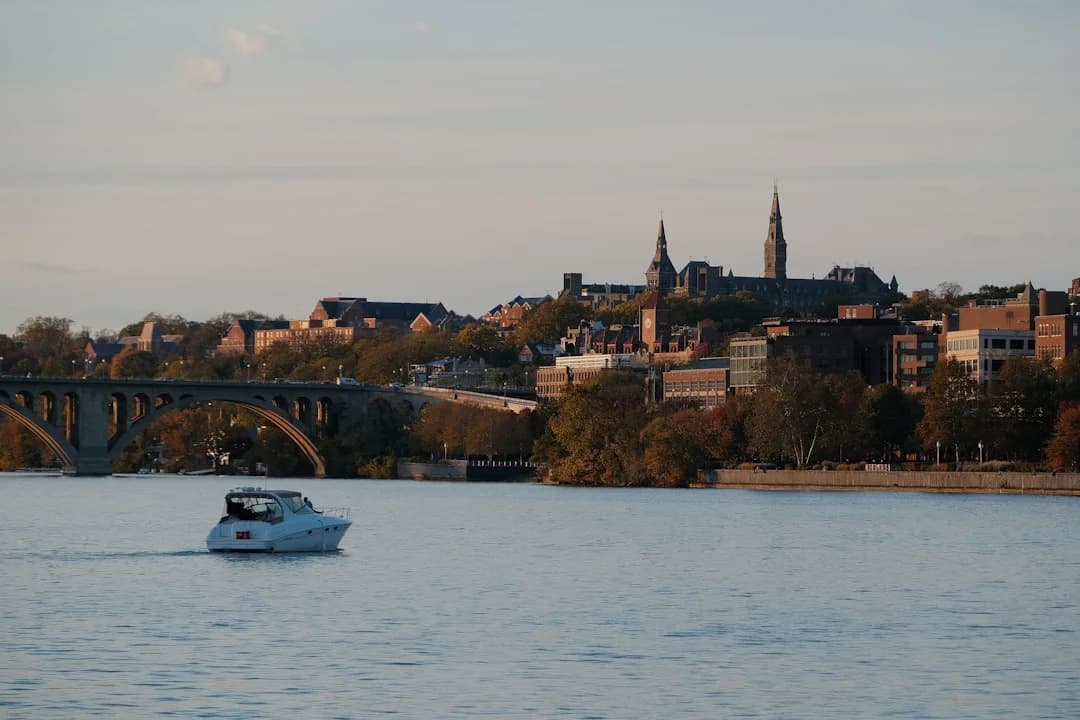
Photo by Ivy Tang on Unsplash
Georgetown Waterfront adaptive reuse transit 2026 is shaping up as a pivotal moment for Washington, DC’s riverfront economy and mobility. In early 2026, a wave of coordinated actions across private development, public infrastructure, and riverfront programming is repositioning Georgetown’s western edge from a historic waterfront district into a connected, mixed‑use hub. The news comes as a slate of high‑profile projects advances in tandem: a warehouse-to-hotel conversion that embodies adaptive reuse, new transit detours and trail enhancements due to ongoing Potomac River improvements, and a landmark land exchange intended to expand public access to the water. Together, these developments are altering who visits, works, and lives along the Georgetown Waterfront, and they are doing so with a visibly data‑driven, plan‑forward cadence that civic leaders have pursued for years. (rebusinessonline.com)
At the heart of the 2026 momentum is a concrete example of adaptive reuse that ties directly to the waterfront’s evolving transit narrative. A former warehouse on the Georgetown waterfront is being repositioned as the citizenM Georgetown hotel, a project financed with a $42 million C‑PACE loan provided by DC Green Bank and Nuveen Green Capital, with the borrower identified as Another Star. The project targets a 230‑room hotel, emphasizing energy efficiency upgrades and modern building systems as part of the waterfront’s hospitality‑driven growth. Financing closed on February 10, 2026, and the developer indicates a summer completion and hotel opening thereafter, marking a concrete milestone in Georgetown’s 2026 waterfront strategy. This effort sits alongside other 2026 openings and private investments that Georgetown BID’s 2025 Market Review had flagged as shaping a more dynamic riverfront economy. (rebusinessonline.com)
Meanwhile, the transit and public‑realm dimension of Georgetown Waterfront adaptive reuse transit 2026 is being advanced through coordinated public projects. The Capital Crescent Trail, a key non‑vehicular mobility spine for Georgetown, has seen a new, temporary detour path opened at the Georgetown Waterfront Park site to navigate construction related to the Potomac River Tunnel project. The January 16, 2026 DC Water notice specifies detour routes for pedestrians and cyclists and notes that Water Street traffic continues but drivers should expect more bicycle activity. The tunnel project itself remains on a long‑range timeline, with construction anticipated to wrap up in 2030 and a substantial reduction in combined sewer overflows once complete. These infrastructural movements are explicitly designed to strengthen non‑auto access to the riverfront while keeping essential riverfront circulation active. (dcwater.com)
Beyond the private‑sector adaptive reuse and the public‑realm improvements, the waterfront’s governance and planning context provide critical guardrails for what’s unfolding in 2026. The Georgetown waterfront’s design and development are guided by historic design standards and waterfront guidelines, including the 2003 Georgetown Waterfront Area Design Guidelines that address adaptive reuse of commercial properties and ensure new work respects the historic fabric while enabling contemporary uses. The guidelines explicitly discuss adaptive reuse as a recognized pathway for waterfront properties and set expectations for compatibility with historic properties, façade rhythm, and site planning. These standards form the backdrop for projects like citizenM’s warehouse conversion and future mixed‑use proposals along the water. (cms7files.revize.com)
In parallel, Plan Georgetown’s framework (public release draft in 2021) provides a broad lens on integrated transportation planning, land use, and waterfront activation that informs current redevelopment momentum. While the plan itself predates 2026, its emphasis on multimodal access, waterfront connectivity, and sustainable growth continues to shape how stakeholders evaluate new hotel, office, and residential projects along the riverfront. The plan’s emphasis on coordinated implementation tools and partnerships remains central to how Georgetown’s waterfront proposals move through design reviews, zoning, and public engagement processes. (georgetowndel.com)
Section 1: What Happened
Adaptive reuse and hospitality momentum along the water
-
The citizenM Georgetown hotel project represents a high‑profile adaptive reuse of a Georgetown warehouse into a 230‑room hotel. Financing for the project closed in February 2026, with DC Green Bank and Nuveen Green Capital providing a $42M C‑PACE loan to the borrower, Another Star. The project’s scope includes energy‑efficient mechanicals, upgraded insulation, and other efficiency upgrades aimed at delivering long‑term operating savings. The hotel is expected to be completed in the summer of 2026, signaling a concrete milestone in Georgetown’s 2026 waterfront development slate. This specific hotel project sits within a broader wave of hospitality and residential conversions around the waterfront and near the western edge of Georgetown. (rebusinessonline.com)
-
The 2025–2026 market and development outlook for Georgetown’s waterfront highlighted a pipeline of openings and conversions intended to diversify the waterfront’s mix of lodging, dining, and residential units. The Georgetown BID’s Market Review noted planned openings for 2026 and underscored the growing hospitality and residential mix anchored by waterfront assets, with this period framed as a catalyst for foot traffic, retail activation, and public realm enhancements. The citizenM project is a centerpiece of that forecast, along with other announced developments across the riverfront. (districtofcolumbiatimes.com)
Public realm and transit enhancements tied to the riverfront
-
Public access and trail connectivity are central to Georgetown Waterfront’s 2026 momentum. A landmark land exchange announced on June 10, 2025—publicized by Georgetown University, the National Park Service, and the District of Columbia—allocated riverfront parcels for a new university boathouse near the Key Bridge and expanded public access along the Potomac River, while preserving public access to the Capital Crescent Trail. The agreement envisions the donation of a riverfront parcel to the National Park Service to augment the Chesapeake and Ohio Canal National Historical Park, the transfer of parcels for a Georgetown University boathouse, and enhanced public access on the eastern side of the Key Bridge. This coordination between the city, the university, and NPS is designed to synchronize riverfront programming with the waterfront’s broader economic and reputational ambitions. The press coverage and university announcements frame this as a major milestone in unlocking non‑motorized access and integrating riverfront programming with campus life. (georgetown.edu)
-
The public‑sector momentum is complemented by ongoing transit analysis and pilot enhancements. A Federal City Council–led transit enhancement study, conducted in collaboration with DC DOT, NCPC, and partner agencies, concluded in October 2023 that Georgetown needs a dedicated transit connection to the regional Metro system. The study identified a short list of viable options, including two bus rapid transit alternatives and an aerial gondola option, to improve transit reliability, frequency, and access between Georgetown and Metrorail stations. Although the study did not commit to a single technology, it underscored a shared understanding that a high‑quality, multimodal connection—paired with surface transit improvements—could meaningfully expand access to Georgetown’s waterfront and employment hub. The study’s findings continue to inform ongoing discussions about transit upgrades that would accompany waterfront redevelopment through 2026 and beyond. (federalcitycouncil.org)
Planning and design framework in practice
-
The waterfront design guidelines from Georgetown’s Architectural Review Board provide a practical reference for how adaptive reuse projects and new ground‑floor configurations should relate to the historic waterfront. The guidelines specify that adaptive reuse projects should be compatible with the historic property and preserve the rhythm and front façade relationships of waterfront commercial buildings. They also delineate expectations for storefronts, material choices, and mechanical system integration so that renovations like the citizenM conversion respect Georgetown’s historic character while delivering modern hospitality functionality. This design framework helps ensure that the 2026 waterfront upgrades contribute to a cohesive streetscape and consistent public realm experience. (cms7files.revize.com)
-
Plan Georgetown’s public release draft from 2021 continues to provide a comprehensive backbone for transport, land use, and activation strategies in Georgetown. While not a project‑by‑project timetable, Plan Georgetown explicitly emphasizes multimodal access, riverfront activation, and coordinated implementation as essential to realizing Georgetown’s long‑term urban vitality. As waterfront openings and transit improvements unfold in 2026, planners and developers frequently revisit the plan’s guiding principles to align investment decisions with a shared citywide ambition for a more connected riverfront. (georgetowndel.com)
Section 2: Why It Matters
Economic and market implications for Georgetown and the region
-
The citizenM Georgetown hotel is a concrete example of adaptive reuse that translates the waterfront’s industrial past into a contemporary hospitality asset. The $42M C‑PACE loan for the project signals continued private sector willingness to finance energy‑efficient, design‑forward conversions in an iconic waterfront submarket. This development, alongside other announced projects on the Georgetown Waterfront, contributes to a more diversified, pedestrian‑oriented core that can attract local residents, nearby university communities, and regional travelers. Market observers anticipate that such adaptive reuse activity will influence property values, tax revenues, and the District’s ability to attract visitors and talent to the Georgetown waterfront district. (rebusinessonline.com)
-
The broader waterfront renewal is not limited to hotels. District of Columbia Times coverage and Georgetown University communications outline a multi‑faceted agenda that includes a 72‑unit Four Seasons Residences component and expanded public spaces, which the market review suggests could lift ground‑level activation and retail demand. When combined with new riverfront programming, these developments create a more complete, 24/7 waterfront experience that can extend visitor stays and support year‑round commerce. Although precise 2026 occupancy multiples are project‑specific, the momentum is real: a suite of openings, residencies, and a public realm package is being rolled out in a coordinated fashion. (districtofcolumbiatimes.com)
Mobility, accessibility, and transit resilience
-
The transit narrative around Georgetown Waterfront adaptive reuse transit 2026 is driven by the recognition that Georgetown’s status as a major employment center hinges on reliable, multimodal access. The Federal City Council’s transit study highlighted the need for a dedicated connection to the Metro system and identified viable alternatives that could dramatically increase accessibility to Georgetown’s waterfront employment and activity nodes. While no single solution has been adopted as of early 2026, the study’s framing—focusing on ridership, reliability, and climate‑friendly choices—underpins ongoing discussions about bus rapid transit, gondola‑style connections, and other innovative transit investments that could complement waterfront development. (federalcitycouncil.org)
-
Trail connectivity and pedestrian safety are also central to the city’s mobility aspirations. The Capital Crescent Trail detour around the Potomac River Tunnel construction demonstrates a practical, near‑term measure to keep pedestrians and cyclists moving while major riverfront infrastructure is under construction. By actively re‑routing non‑motorized traffic and maintaining access to the waterfront, the city preserves a key quality‑of‑life element that supports local businesses and riverfront programming even as large projects unfold. (dcwater.com)
Public space, access, and equity considerations
- The 2025 land exchange and 2026 waterfront activation plan reflect a deliberate push to expand public access to the Potomac along Georgetown’s waterfront. The boathouse project, along with expanded docking options, improved trail connectivity, and a potential public ramp or pier, are positioned as steps toward a more inclusive riverfront experience. The university and city narratives emphasize that these enhancements aim to broaden who benefits from waterfront improvements—students, residents, visitors, and local workers alike—while reinforcing Georgetown’s unique value proposition as a riverfront university town and employment hub. These themes are echoed in coverage of the agreement’s public‑realm goals and the anticipated 2026 program rhythm. (georgetown.edu)
Section 3: What’s Next
Timeline, milestones, and next steps
-
Hotel completion and occupancy in 2026: The citizenM Georgetown hotel is targeted to open in the summer of 2026, following the February 2026 C‑PACE financing closure and subsequent construction milestones. The hotel’s program emphasizes energy efficiency and modern design, aligning with the waterfront’s broader sustainability and adaptive reuse objectives. Stakeholders will watch for final design approvals, permits, and the issuance of a certificate of occupancy linked to a fully operational hotel. (rebusinessonline.com)
-
Public realm and access enhancements: The land exchange that enables a Georgetown University boathouse near the Key Bridge and expands public access along the Potomac is moving through governance and permitting processes, with waterfront programming and university activities expected to ramp up through 2026. City and university officials have signaled that the public riverfront, Capital Crescent Trail, and boathouse facilities will begin to take shape in the near term, with ongoing coordination among District agencies, NCPC, NPS, and the university. Watch for design reviews, environmental reviews, and interagency agreements that translate the 2025 agreement into concrete riverfront improvements. (georgetown.edu)
-
Transit and mobility studies in practice: While a single, final multi‑modal solution for Georgetown’s transit access has not yet been chosen, the 2023 transit enhancement study’s findings—highlighting the value of Bus Rapid Transit options and gondola‑style connections—will continue to inform any near‑term implementation plans that accompany waterfront investments. DDOT and other agencies are likely to stage follow‑on analysis, environmental reviews, and public engagement as the waterfront’s private‑sector momentum converges with public mobility investments. (federalcitycouncil.org)
What to watch for in the coming months
-
Zoning and design approval milestones for the citizenM project and other waterfront developments are expected to proceed through standard DC review channels. The adaptive reuse framework defined in the waterfront design guidelines suggests that applicants should prepare for detailed massing studies, façade studies, and site plan adjustments to harmonize with the historic waterfront context while accommodating new hotel operations, retail, and public plaza upgrades. The plan is to monitor for official announcements about approval milestones, community meeting schedules, and approvals from the Old Georgetown Board and the Commission of Fine Arts as projects advance. (cms7files.revize.com)
-
Public programming and park activation: The 2025–2026 horizon includes new public park elements and waterfront programming tied to the Four Seasons Residences and the university’s boathouse initiative. City and university communications point to year‑round programming and outdoor activities as the waterfront becomes more accessible and better integrated with the surrounding university and business districts. Expect announcements about park openings, seasonal programming, and potential community events anchored by the new riverfront amenities. (districtofcolumbiatimes.com)
Closing
Georgetown’s waterfront is simultaneously a proving ground for adaptive reuse and a testing ground for transit and public realm enhancements. The citizenM Georgetown hotel exemplifies how an aging warehouse can be transformed into a modern hospitality asset while contributing to a broader waterfront economy. The Capital Crescent Trail detour and the Potomac River Tunnel work illustrate how major infrastructure projects can coexist with everyday mobility needs, ensuring residents and visitors continue to move around the riverfront with minimal disruption. The waterfront’s land exchange and boathouse development signal a bold step toward expanding public access and integrating riverfront programming with campus life, a combination that could redefine how Georgetown and the District engage riverfront spaces in the 2020s and beyond.

As 2026 unfolds, readers should monitor official city and university communications, planning commission agendas, and major project milestones for concrete updates on occupancy timing, park openings, and transit investments. The Georgetown Waterfront redevelopment narrative—anchored by adaptive reuse, transit enhancements, and public realm upgrades—offers a data‑driven lens on how a historic riverfront can evolve into a resilient, connected urban experience. For ongoing updates, city press releases, university announcements, and trusted local outlets will remain key sources of record as the waterfront moves from planning to live, everyday life on the river.