Georgetown Waterfront Redevelopment 2026 Update
Neutral, data-driven update on Georgetown Waterfront redevelopment 2026 with new access, hotels, and a university boathouse.
By Terrence Holt

April 22, 2026
11 minute read
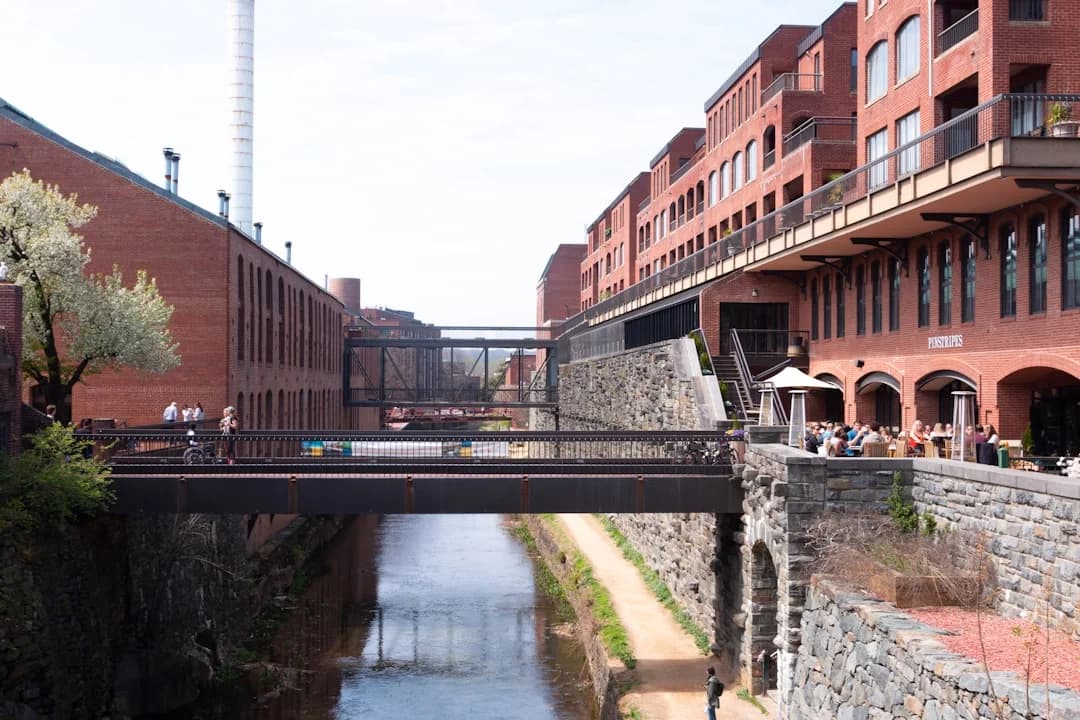
The Georgetown waterfront is entering a new chapter with a coordinated set of public access enhancements, university-led amenities, and hospitality-driven development tied to the broader Georgetown Waterfront redevelopment 2026. On June 10, 2025, the District of Columbia, Georgetown University, and the National Park Service announced a landmark agreement to increase public waterfront access along the Georgetown Waterfront and to establish a Georgetown University boathouse near the Key Bridge. This move is widely viewed as a pivotal step in a multi-decades-long effort to reconnect residents and visitors with the Potomac River, while anchoring Georgetown’s waterfront as a more active, year-round destination. The decision matters not only for recreation and quality of life but also for the surrounding commercial and hospitality ecosystem that has quietly shifted toward a more hybrid, mixed-use model in recent years. As early as 2026, the convergence of land transfers, trail connections, and new public amenities could noticeably shift how people experience Georgetown’s riverfront and how businesses plan their next 12 to 24 months of investment. (mayor.dc.gov)
Under the terms of the agreement, Georgetown will donate a parcel of land on the Potomac River to the National Park Service to be added to the boundary of the Chesapeake and Ohio Canal National Historical Park. This parcel includes an easement along the Capital Crescent Trail, which would be extinguished when the land is donated. In return, the National Park Service will transfer administrative jurisdiction of two parcels at the base of the Key Bridge to the District for boathouse development. The District will transfer the site to the west of the bridge to Georgetown University for construction of a University boathouse. On the site to the east of the Key Bridge, the District will begin planning to provide improved public access to the Potomac River, support the use of the Capital Crescent Trail, and connect to the Georgetown Waterfront Park. The officials framed the deal as a way to consolidate parcels, streamline access, and unlock public riverfront use that has long been envisioned but not fully realized. “This collaborative effort transforms underutilized space along our treasured Potomac River into a beautiful, new boathouse that Georgetown University and the community will enjoy,” Mayor Muriel Bowser said. The project is designed to support public access to the water, outdoor recreation, and educational programming around rowing and water sports. (mayor.dc.gov)
This development storyline is not unfolding in isolation. A parallel land swap process, described by city officials and reported by local outlets, is targeting greater public shoreline access near the Key Bridge and along the waterfront, with potential for a future public boat ramp or pier and enhanced trail connectivity. The plan aligns multiple jurisdictions and stakeholders around a shared goal: to unlock public access, improve safety and enjoyment of the riverfront, and add anchor institutions and amenities that spur economic activity and urban vitality. The June 2025 reporting timeline places public access improvements as a near-term objective, with waterfront programming and boathouse operations expected to begin taking shape over the ensuing months and into 2026. (wtop.com)
What Happened
Agreement Details and Partners
A tri‑party commitment to public access
The June 10, 2025 press release from the District of Columbia Mayor’s office details an agreement among the District, Georgetown University, and the National Park Service to reconfigure waterfront parcels and extend public access along the Georgetown Waterfront. The exchange includes donating a riverside parcel to become part of the Chesapeake and Ohio Canal National Historical Park, extinguishing an easement along the Capital Crescent Trail, and transferring adjacent sites for a Georgetown University boathouse. The arrangement is described as the culmination of a decades‑long effort to expand non-motorized boating on the Potomac and to knit together public land and campus facilities in a way that benefits both residents and visitors. Georgetown University will gain year‑round public access to its dock facilities, while Thompson’s Boathouse space will be freed up for broader DC use. The City, Georgetown University, and NPS portray the agreement as a careful balance of preserving national lands and expanding public riverfront access. “This collaborative effort … transforms underutilized space along our treasured Potomac River into a beautiful, new boathouse that Georgetown University and the community will enjoy,” said Mayor Bowser. (mayor.dc.gov)
Public access, trail integration, and boathouse planning
Key elements include access improvements to the Potomac River, continued operation and relocation plans for Key Bridge Boats, and a new boathouse to be built by Georgetown University near the Key Bridge. The press release emphasizes year‑round public access to docking and river activities as part of the broader waterfront strategy. The package also notes that the Capital Crescent Trail will remain integral to the waterfront experience, with the new land arrangement designed to “connect to the Georgetown Waterfront Park.” These pieces collectively form the core of what many observers describe as a phased but coherent approach to reconnecting Georgetown with its riverfront legacy. (mayor.dc.gov)
Timeline implications and next steps
The agreement signals near‑term planning activity and infrastructure work, with the 2025–2026 horizon marking a critical transition period. While the press release centers on the legal and logistical steps of land transfer and boathouse development, city and university officials have underscored that the waterfront’s public access and recreational offerings will evolve over the next several months and into 2026. The District’s planning processes will be complemented by Georgetown University’s boathouse program and the National Park Service’s management of canal boundary areas, together creating a more integrated waterfront experience. (mayor.dc.gov)
Public reception and context
Media coverage surrounding the agreement frames it as a long‑anticipated milestone in the Georgetown waterfront’s redevelopment trajectory. Local business communities and neighborhood associations have tracked the development as part of a broader push to convert aging riverfront assets into dynamic public spaces, mixed‑use districts, and river‑adjacent amenities. The timing coincides with other signals of active private development around the waterfront, including announced hotel and residential projects, which are expected to drive foot traffic and new demand for public spaces, dining, and activity programming in 2026. (georgetowndc.com)
Public Impact and Infrastructure Connections
Expanded access with practical impact

Photo by Adam Kring on Unsplash
The land exchange and riverfront enhancements are designed to increase publicly accessible riverfront real estate and improve connections to the Capital Crescent Trail, a DC area rail‑trails corridor that runs through Georgetown. The WTOP report on the land swap highlights the practical implications of consolidating parcels to “provide more waterfront access, more public access to the water,” and to improve trail connections from Georgetown toward the National Mall area. These changes are expected to support non‑motorized boating, kayaking, paddleboarding, and other water activities, broadening the waterfront’s appeal to families, fitness enthusiasts, and visitors alike. (wtop.com)
Economic and social equity considerations
From a market perspective, Georgetown’s waterfront redevelopment 2026 is unfolding within a broader district strategy that includes hotel openings, new residential units, and a revitalized retail landscape. The Georgetown BID’s 2025 Market Review points to 14 retail and restaurant openings expected in 2026, a continued decline in vacancy rates relative to citywide averages, and a growing mix of ground‑level amenities that complement new riverfront access and park space. The document also reports strong visitor metrics and a robust tourism footprint, underscoring the potential for public waterfront improvements to translate into sustainable economic activity. For example, 13.2 million domestic visits occurred in 2025, with visitors staying roughly 99 minutes on average; this suggests that enhanced waterfront programming could capture more day‑tripper and local traffic. (georgetowndc.com)
Campus and cultural integration
The agreement’s boathouse component is notable not only for athletics but for campus and community programming. Georgetown University’s new boathouse near the Key Bridge is designed to support the rowing programs and provide a year‑round public access point to the Potomac, expanding opportunities for youth and amateur athletes while preserving the university’s training facilities. The plan aligns with a broader campus strategy to integrate riverfront activities with student life and community outreach, reinforcing Georgetown’s historic connection to the river while broadening access for DC residents. (mayor.dc.gov)
Why It Matters
Public access as a citywide priority
The Georgetown Waterfront redevelopment 2026 agenda is closely tied to a DC policy emphasis on waterfront access, trail connectivity, and river‑adjacent parks. The June 2025 mayoral release frames the project as a way to bring public lands closer to communities that have long sought inclusive, walkable access to the Potomac. By linking the waterfront to the Capital Crescent Trail and expanding docking options, the project aligns with a broader push to create multi‑use waterfronts that serve residents, students, tourists, and local workers alike. This is not merely about a single building or a new park; it is about reimagining the river as an everyday amenity that anchors a broader urban experience. (mayor.dc.gov)
Economic implications for Georgetown and DC
Georgetown’s evolving waterfront strategy intersects with a cluster of private development projects that represent a major economic opportunity for the district. The Georgetown BID’s 2025 Market Review highlights anticipated openings in 2026, including a major hotel project (citizenM) and a large residential component tied to Four Seasons Residences. These developments are expected to generate foot traffic, spur retail activation, and increase demand for public spaces that support economic activity and quality of life. The market review cites 14 planned openings for 2026 and notes an expansion of the waterfront’s hospitality and residential mix, which could raise property values, tax revenues, and the city’s competitiveness as a tourism and business destination. (georgetowndc.com)
Social and urban design implications
Beyond economics, the waterfront enhancements carry implications for urban design, public realm quality, and social equity. By expanding public river access and integrating active uses with university facilities, the project aims to distribute benefits more broadly across the DC community and its visitors. The presence of a new 1‑acre public park tied to the Four Seasons Residences project and the anticipated increase in waterfront programming signal a shift toward a more people‑centered, pedestrian‑friendly waterfront that invites both leisure and organized activity. The Market Review’s forward look suggests that these changes will be felt not just on Wisconsin and M Streets but along the entire riverfront corridor as new ground‑floor retail and public realm improvements come online. (georgetowndc.com)
What’s Next
Upcoming Milestones and 2026 Outlook
Openings and development pace

The Georgetown BID’s 2025 Market Review projects a notable push of 2026 openings that will reshape the riverfront’s character and activity mix. Specifically, the report notes that the waterfront will welcome the citizenM Hotel in early 2026, adding 228 hotel keys to Georgetown’s western edge. Across the street, Georgetown University’s investment in a new boathouse near the Key Bridge is expected to deliver year‑round access to the river and to reallocate Thompson’s Boathouse space for broader use by DC‑area teams and the community. The Four Seasons Residences—part of the West Heating Plant redevelopment—are also highlighted as a major 2026 milestone, with 72 residential units in the project and accompanying ground‑floor retail and plaza enhancements. These developments collectively illustrate a rapid acceleration of riverfront activity and a more integrated waterfront economy. (georgetowndc.com)
Public spaces and pedestrian experiences
In addition to the hotel and residential components, the 2025–2026 pipeline includes planned enhancements to public spaces, parks, and streetscapes along the waterfront. The Market Review mentions a new one‑acre public park connected to the waterfront, signaling a broader emphasis on green space, pedestrian permeability, and inviting public plazas that can host programming, markets, and outdoor dining. As developers deliver ground‑floor retail and upgrades to adjacent plazas, the waterfront experience will become more cohesive, with better wayfinding, accessibility, and seating that supports extended stays along the riverfront. (georgetowndc.com)
What’s Next (continued)
Infrastructure coordination and governance
With multiple property parcels and institutional actors involved, governance and coordination will be critical to the timeline’s success. The DC government’s land exchange and the university’s boathouse plan require ongoing interagency collaboration, public engagement, and permitting processes. The WDCEP’s summary of the June 2025 agreement emphasizes the role of city and university leadership in moving from planning to implementation, and the WTOP coverage underscores the practical implications for trail connectivity and access to the water. In the months ahead, expect updates on environmental reviews, design approvals, and programming plans that will determine the cadence of 2026 milestones and the cadence of 2027 post‑opening activity. (mayor.dc.gov)
Market dynamics and visitor experience
As hospitality and residential projects come online, Georgetown’s waterfront will likely experience shifts in visitor behavior, mixed‑use occupancy, and retail demand. The 2025 Market Review data suggest that the district is actively expanding its retail and dining mix, with several 2026 openings anticipated and continued high visitation. This context implies that the Georgetown Waterfront redevelopment 2026 timeline is not a standalone event but part of a larger urban renewal narrative that blends public access, campus amenities, and private investment into a more dynamic riverfront ecosystem. The market data serve as a backdrop for readers to interpret the pace and scale of waterfront improvements and their implications for local residents and business operators. (georgetowndc.com)
Closing
The Georgetown Waterfront redevelopment 2026 presents a coordinated urban renewal story grounded in public access, university‑led activation, and hospitality‑driven growth. The June 2025 agreement among the District, Georgetown University, and the National Park Service establishes critical land transfers, a new boathouse, and riverfront enhancements that align with a broader market‑driven trajectory evident in Georgetown’s 2025 Market Review. By early 2026, the waterfront could feature a new 228‑room citizenM hotel, a 72‑unit Four Seasons Residences project, and a landmark university boathouse—all set against an expanded public park, improved trail connections, and more accessible docking and paddling opportunities. These developments are expected to shape not only the daily rhythms of Georgetown but also the district’s economic and tourism dynamics for years to come. For readers seeking updates on the Georgetown Waterfront redevelopment 2026, city press releases, Georgetown University communications, and the Georgetown BID publications will remain the most reliable sources for official timelines and milestones. As the momentum builds, planners and residents alike will need to monitor planning approvals, construction progress, and the evolving mix of public spaces and private investment that will define the waterfront’s next era. (mayor.dc.gov)

Photo by Johnny Johnson on Unsplash