DC250 Semiquincentennial Celebrations Rise in DC 2026

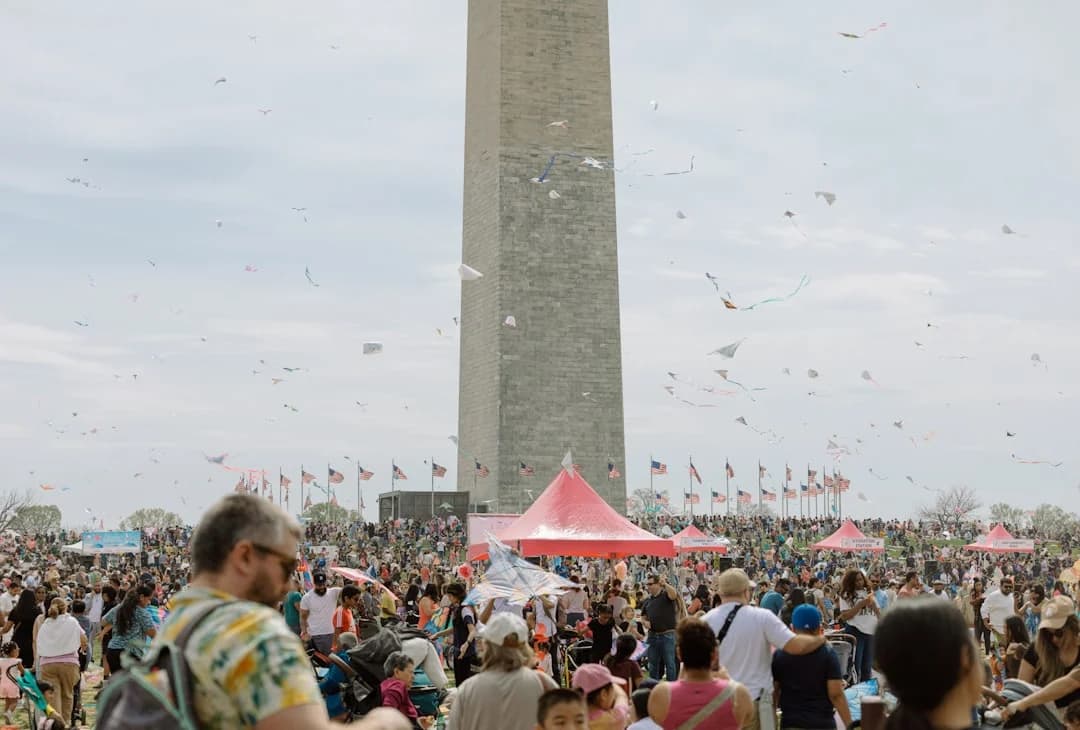
Photo by Connor Gan on Unsplash
Washington, DC is poised to become the nation’s focal point for the DC250 semiquincentennial celebrations in 2026. City and national partners unveiled a comprehensive, year-long program that blends history with innovation, culture with commerce, and education with public engagement. The January 2025 announcement framed DC as the front door to America’s 250th birthday, signaling a coordinated push across museums, cultural institutions, and city agencies to welcome residents and visitors alike into a sustained, data-informed celebration. The plan emphasizes accessibility, inclusivity, and a broad calendar of events designed to showcase the district’s history while spotlighting the region’s technology-driven economic vitality. These developments matter not only to tourists and locals but also to policy makers and market watchers tracking the intersection of culture, tourism, and technology in one of the nation’s busiest urban centers. This coverage examines what happened, why it matters, and what to expect next as DC — and the nation — enter a transformative year of Semiquincentennial programming. (washingtonpost.com)
The DC250 semiquincentennial celebrations are being organized as a multi-institutional effort anchored by the National Archives, the Smithsonian Institution, and Destination DC (the city’s tourism authority). Officials described a plan to extend the commemoration from the National Mall into neighborhoods, museums, schools, and public spaces across the city, with a mix of free and ticketed experiences. A central theme centers on celebrating the founding ideals while acknowledging the complex history that has shaped the American experience. The organizers also highlighted a strong desire to leverage technology and digital platforms to broaden access to content and to distribute programming beyond the core downtown corridors. In short, the DC250 celebrations are being designed as a nationwide footprint with a local, data-informed approach aimed at maximizing civic engagement and economic impact. The plan also underscores a strategic push to fill hotels and restaurants with patriotic visitors throughout 2026, setting the stage for a sustained tourism cycle and a lasting civic legacy. (washingtonpost.com)
Opening
The year 2026 marks a milestone for the country as a whole, but Washington, DC, intends to center the narrative of America’s 250th birthday around the nation’s capital. The city’s plan for DC250 semiquincentennial celebrations is not simply a calendar of festivals; it is a coordinated, data-driven effort to knit together cultural exhibits, educational programs, and public events with measurable ambitions for attendance, economic impact, and public engagement. The January 2025 briefing by National Archives officials, Smithsonian curators, and Destination DC leadership highlighted a robust slate of offerings designed to attract visitors from across the United States and around the world, while also inviting local communities to participate in a living history of the American experience. The approach aims to balance reverence for founding documents with contemporary storytelling—an essential feature of a 21st-century commemoration that seeks to resonate with diverse audiences. The public-facing message was clear: DC will host a national moment that is anchored in historical artifacts, enriched by new media experiences, and amplified by a year-long calendar of activations across city venues and digital channels. This is the essence of DC250 semiquincentennial celebrations — a city-led, nationally coordinated initiative designed to engage audiences of all ages, backgrounds, and interests. (washingtonpost.com)
Major partners described DC250 as more than a series of museum openings or a single parade. It is a longitudinal program that will unfold through 2026 in phases, starting with a citywide launch event and continuing through the summer peak and into fall cultural programming. The plan envisions a month-long festival called “Of the People,” expanding on the Smithsonian Folklife Festival, and integrating state and territorial celebrations into a nationwide tapestry of events. The Smithsonian and National Archives have announced major exhibitions and festivals that will travel across campuses and across the city, with a connective thread that emphasizes civics education, historical reflection, and forward-looking innovation. The announcement confirmed a broad calendar of activities that will shape the district’s cultural and economic landscape for the entire year. (washingtonpost.com)
Section 1: What Happened
Announcement and Coordination
DC250 Commission formation and governance

-
In early 2025, DC Mayor Muriel Bowser announced the creation of the DC250 Commission to coordinate the city’s semiquincentennial activities and ensure inclusive, representative planning across neighborhoods. The commission’s work includes public liaison, program curation, and cross-agency coordination to align municipal resources with national leadership on the semiquincentennial effort. Until now, the Commission has met to map out governance, budgets, and public engagement strategies, with additional meetings noted through fall 2025. This governance framework is designed to keep the public informed and to allow for ongoing updates as plans evolve. (washingtonpost.com)
-
The DC250 Commission’s structure and public-facing activities are described in open-government channels, signaling transparency and a willingness to incorporate community input into a high-profile city-wide program. For example, a scheduled meeting on October 14, 2025, demonstrates ongoing deliberations about the event slate and how to allocate city assets most effectively. This level of detail underscores a deliberate, data-informed approach to orchestration, risk management, and community engagement. (open-dc.gov)
Coordination with national and regional partners
- The DC plan sits within a broader national framework, with America250 (the federally recognized semiquincentennial commission) coordinating across states and the District. The January 2025 briefing noted that DC was aligning its calendar with national programming while contributing city-specific activations to highlight local heritage and modern innovation. The national context, including the America250 blueprint and federal support, provides a backdrop for DC’s local strategy and helps explain the scale of funding and public messaging surrounding the DC250 semiquincentennial celebrations. (washingtonpost.com)
Kickoff events and early activations
- A key kickoff event occurred at the National Archives Museum, signaling the project’s public-facing start and confirming the central role of the Declaration of Independence and related founding documents in DC’s commemorative programming. The National Archives and the Smithsonian collaborated to curate a cross-institutional launch that underscored the synergy between historical artifacts and contemporary storytelling—a hallmark of DC’s approach to the DC250 semiquincentennial celebrations. (washington.org)
Signature programming and exhibitions
-
The Smithsonian’s Our Shared Future: 250 programming was publicly introduced in March 2026 and represents a primary pillar of the national effort. The Smithsonian describes a national initiative across all its museums and centers, designed to illuminate American history and future possibilities through exhibitions, storytelling, and partnerships. The program includes a mix of traveling exhibitions, digital storytelling, and regionally embedded experiences designed to connect communities with the nation’s story. This is a core element of DC’s year-long plan, reflecting a national-to-local continuum that leverages the Smithsonian’s reach to amplify DC’s role as the center of gravity for semiquincentennial celebrations. (si.edu)
-
In parallel, the National Archives has advanced its own Declaration 250 programming, including the Spirit of Independence Festival and related exhibitions (such as Road to Revolution), creating a complementary programming track that runs parallel to Smithsonian initiatives. The Archives’ approach emphasizes public access to primary documents and stories, a critical dimension of any historically grounded commemoration. Together, these partner institutions create a robust ecosystem of content and experiences around the 250th birthday. (archives.gov)
Public-facing venues and city-wide expansion
- Destination DC (the city’s tourism marketing organization) has positioned DC250 as an urban-wide celebration, extending beyond museum spaces to include the National Mall, theaters, neighborhoods, and outdoor public spaces. The press materials describe a year-long set of activations designed to engage residents and visitors across multiple facets of city life, encouraging longer stays and diverse participation. This approach aligns with the city’s broader strategy to grow visitation and support local businesses during the semiquincentennial year. (washington.org)
What Happened: Key Facts, Dates, and Timeline
Timeline anchor events for 2026
-
Early 2025: The DC250 planning effort is publicly unveiled by city leaders in collaboration with the National Archives and Smithsonian, with a commitment to a year-long slate of programming across the city. The January 2025 Washington Post report captures the scale of the announced plan, including plans for a month-long “Of the People” festival and the inclusion of rotating exhibitions to reflect diverse perspectives on American history. (washingtonpost.com)
-
Spring 2026: The National Museum of American History unveils “In Pursuit of Life Liberty and Happiness,” featuring 250 objects and a design that aligns with the semiquincentennial theme. This marks a concrete, time-bound exhibition opening that dovetails with other Smithsonian and partner programs. The Smithsonian also lists a broad set of exhibitions and upcoming openings as part of the Our Shared Future: 250 portfolio, illustrating how 2026 will be a year of concentrated, high-visibility activity across multiple museums. (washingtonpost.com)
-
June–July 2026: The plan envisions a major calendar of events on the National Mall, including enhancements to exhibits and a broader festival calendar that mirrors the Smithsonian’s festival timeline. The DC300-level sharing of venues and experiences includes a National Mall Gateway digital platform to help residents and visitors curate civics-focused tours and learn about the history and ongoing civic conversations that define America’s 250th year. The National Archives’ Spirit of Independence Festival is scheduled for early June 2026, followed by other national and local programming across the summer. (washington.org)
-
July 4, 2026: The nation’s 250th birthday celebration culminates in a nationwide and local programmatic crescendo, with DC hosting a set of commemorative activities that extend from the National Mall to neighborhood venues. The Washington, DC calendar emphasizes both large-scale national happenings and local engagements in neighborhoods across the city. While the exact schedule for every venue remains dynamic, the published materials indicate a clear expectation of significant Fourth of July celebration activity in the nation’s capital as part of the semiquincentennial programming. (washington.org)
Signature exhibitions and partnerships
-
Smithsonian’s Our Shared Future: 250 includes a host of programming across the Smithsonian network that ties into broader cultural and educational aims. The March 2026 Smithsonian release details a robust lineup of exhibitions, including “Culture of, by and for the People” and “In Pursuit of Life, Liberty & Happiness,” as well as digital initiatives and cross-institution collaborations designed to bring the 250th anniversary to life for a wide audience. The breadth of programming—ranging from festivals to new museum installations—highlights the scale and ambition of DC’s role in the semiquincentennial celebrations. (si.edu)
-
National Archives’ Spirit of Independence Festival (June 2026) and Road to Revolution exhibitions: The National Archives has positioned these experiences as core elements of the national commemoration, with a focus on public access to primary documents and a narrative that connects colonial-era events to contemporary civic life. The Spirit of Independence Festival, in particular, is designed to attract families and scholars while linking content across institutions in Washington, DC, and beyond. (washington.org)
Public infrastructure and digital engagement
-
The DC Mall experience is designed to be enhanced by new digital tools and an expanded public programming calendar. The DC250 calendar includes the National Mall Gateway, a digital platform intended to help visitors curate civics content, access live programming, and explore underrepresented stories that illuminate America’s journey to its semiquincentennial. This technology-forward element signals a shift toward digital, participatory experiences that extend the reach of in-person events into households and classrooms nationwide. (washington.org)
-
The Smithsonian is expanding beyond its traditional museum walls by engaging with communities through festival networks and online storytelling initiatives such as Our Shared Heritage: Revolution Crossroads, which explores the role of AI in historical research and public accessibility. Such programs demonstrate the integration of technology with history education in a national celebration context. (si.edu)
Why It Matters
Section 2: Why It Matters

Economic and tourism impact
-
DC’s 250th-year programming is positioned as a major catalyst for tourism, hospitality, and local business activity. Destination DC has framed the semiquincentennial as an opportunity to draw visitors year-round, with a particular emphasis on a summer peak around late June to early July and a broad line-up of cultural experiences that will extend across neighborhoods and venues. Industry observers expect a meaningful economic impact given the city’s pre-pandemic visitor volumes and the 2023–2024 performance data showing strong tourism demand (and the potential for a sustained lift in lodging and restaurant activity during the 2026 calendar). The city’s leadership has underscored the strategic goal of turning DC250 into a multi-month, multi-venue economic engine as well as a civic celebration. (washington.org)
-
National-level projections and city-level marketing efforts point to increased visitation, with a broader ripple effect on small businesses, cultural venues, and transit providers. Local partner metrics and early market signals suggest that DC’s tourism ecosystem could experience elevated demand during peak summer weeks of 2026, alongside a broad set of cross-promotional opportunities for hotels, museums, restaurants, and entertainment venues. Such dynamics are consistent with broader semiquincentennial activity reported by national outlets and industry groups. (washington.org)
Cultural and educational value
-
The DC250 semiquincentennial celebrations are being framed as a civics-focused, educationally rich set of experiences. The Smithsonian’s Our Shared Future: 250 initiative foregrounds the nation’s history while inviting conversations about its future, an approach that aligns with the district’s goal of making history accessible, relevant, and engaging to diverse audiences. By transforming the Smithsonian Folklife Festival into a national event called “Of the People,” Smithsonian officials are expanding the reach of cultural programming while preserving educational depth and inclusivity. The National Archives complements this effort with accessible exhibitions and a curricular emphasis designed to engage students, teachers, and families in hands-on exploration of founding-era documents and the continuing evolution of American democracy. (si.edu)
-
The collaboration across institutions — National Archives, Smithsonian, DAR Museum, National Gallery, and others — signals a multi-perspective approach to history that emphasizes primary sources, inclusive narratives, and a celebration of regional culture within a national frame. This alignment with educational goals is particularly relevant for schools and libraries seeking standards-aligned programming in 2026. The Archives’ Road to Revolution and Spirit of Independence exhibitions, along with Smithsonian exhibitions and the Festival of Festivals, cross-pollinate content and maximize opportunities for classrooms and public programs to connect with living history. (archives.gov)
Civic and policy implications
-
The DC250 planning process — including the Commission’s ongoing meetings and public briefings — illustrates how a large-scale commemoration can be used to foster civic participation and public accountability. The involvement of city agencies, nonprofit partners, and private sector allies demonstrates a model for collaborative governance in a complex urban event. The public nature of planning meetings, as reflected in the Open DC records, suggests an emphasis on transparency and community input, which are critical for maintaining broad-based legitimacy for a project of this scale. (open-dc.gov)
-
From a policy perspective, the semiquincentennial program raises questions about funding, resource allocation, and the balance between free and paid experiences. City stakeholders and private partners have discussed hotel packages, public programming, and grant-supported exhibitions as a way to maximize reach while ensuring sustainability. As DC weighs these options, the strategy will likely influence future public-facing cultural initiatives that seek to scale across a city’s institutions and neighborhoods. (washington.org)
Technology and market trends
-
The DC250 effort signals a broader trend toward digitized, participatory history experiences. With the National Mall Gateway, a digital content hub, and the Smithsonian’s Weaving of AI into historical inquiry through programs like Revolution Crossroads, the district is positioning itself at the intersection of culture and technology. This approach aligns with current market expectations for museums and cultural institutions to offer hybrid experiences that combine in-person access with online storytelling, interactive exhibits, and data-driven engagement strategies. The Smithsonian’s Our Shared Future: 250 programming explicitly includes digital and cross-institutional elements intended to broaden access and participation. (si.edu)
-
These technology-forward components also reflect a market reality: consumers increasingly seek immersive experiences, personalized itineraries, and educational content that fits into busy schedules. The National Mall Gateway and related digital initiatives can help visitors maximize their time, diversify their routes, and discover lesser-known venues while enabling institutions to capture attendance data, track engagement, and tailor future programming to audience preferences. The combination of physical exhibits and digital experiences is a core trend in 2026’s cultural economy, and DC’s plan is well positioned to capitalize on it. (washington.org)
Section 3: What’s Next
Upcoming milestones and calendar highlights
-
Spring 2026 will feature the opening of several major Smithsonian exhibitions and museums’ programming aligned with the semiquincentennial celebration. The Smithsonian centers plan to roll out a wave of new content, including AR/VR-enabled experiences, traveling exhibitions, and regionally distributed storytelling, culminating in a National Mall-wide festival that will transform the DC landscape for weeks. The Smithsonian’s official programming calendar illustrates a multi-site approach across the District and beyond, with a focus on the “Our Shared Future: 250” initiative and related collaborations. (si.edu)
-
The Spirit of Independence Festival at the National Archives, scheduled for June 5–7, 2026, will anchor early summer programming and provide a flagship, family-friendly experience that leverages public exhibitions and live performances. This three-day festival is designed to be a cornerstone event in Constitution Avenue, connecting DC’s world-class archival content with national storytelling about independence, democracy, and civic participation. The National Archives’ calendar highlights this festival as a linchpin in the DC250 schedule. (washington.org)
-
National Mall-focused activations will roll out in May–July 2026 as part of a broader “National Mall 250” series, with exhibits, concerts, and civics learning forums intended to engage visitors and local residents alike. The DC calendar also outlines a “National Mall Gateway” initiative to enable digital-guided experiences and to support a civic learning agenda that complements physical displays. Observers should anticipate a summer of large-scale events, culminating in July 4, 2026, fireworks and national celebrations, with DC venues hosting both free and ticketed experiences. (washington.org)
Who will be involved and how to participate
-
The DC250 Commission and partner organizations are actively inviting broad public participation, including schools, community groups, and residents who want to contribute to the planning process or participate in events. The commission’s ongoing meetings (including October 2025 sessions announced via Open DC) indicate a commitment to transparency and community input, as well as opportunities to influence the shape of programming for neighborhoods across the District. Interested readers can follow Open DC updates for agendas, outcomes, and post-meeting summaries. (open-dc.gov)
-
On the national side, Smithsonian, National Archives, and allied institutions have detailed programming and exhibition calendars that are accessible to the public. The Smithsonian’s March 2026 release provides a map of major exhibitions and timelines, and the National Archives offers a statewide and nationwide network of Road to Revolution and Spirit of Independence programming, with a focus on accessibility and public engagement. These sources serve as key touchpoints for educators, museum professionals, and families seeking to participate in the semiquincentennial. (si.edu)
What to watch for in the near term
-
New exhibits and partnerships: Expect additional openings, loan programs, and cross-institutional collaborations announced throughout 2026 as DC’s cultural ecosystem collaborates to deliver a cohesive semiquincentennial experience. The Smithsonian’s ongoing expansion of its 250th programming and the National Archives’ evolving exhibition roster will be critical indicators of how the celebration evolves. (si.edu)
-
Public engagement metrics and economic indicators: Given Destination DC’s emphasis on year-long visitation and hotel occupancy, analysts will monitor hotel performance, tourism receipts, and local business activity during 2026. While precise impact figures depend on later data, early signals from city marketing campaigns and industry partners suggest a positive, multi-month impact—especially during the late spring and early summer peak window. (washington.org)
-
Technological innovations in public programming: The DC Mall digital gateway, AI-informed storytelling tools, and cross-institutional data-sharing initiatives will be watched as indicators of a forward-looking approach to cultural programming. Observers should assess how these technologies affect accessibility, visitor flow, and educational outcomes across museums and public venues. (washington.org)
Closing
The DC250 semiquincentennial celebrations are more than a commemorative spectacle. They represent a carefully choreographed, data-informed effort to blend the district’s rich historical assets with contemporary technology, public engagement, and economic development. By aligning city planning with national programming and leveraging the Smithsonian and National Archives as anchors, Washington, DC is crafting a yearlong experience that could redefine how major American anniversaries are celebrated in urban centers. The emphasis on inclusive programming, neighborhood access, and digital engagement suggests a model that other cities may study as a blueprint for future large-scale, civics-centered celebrations. For readers and residents, the coming months will reveal the depth of content and the extent of public involvement behind DC’s ambitious plan. Stay tuned to DC’s official channels, the Smithsonian’s 250th announcements, and Destination DC updates to follow the DC250 semiquincentennial celebrations as they unfold across 2026. (washingtonpost.com)

The district’s approach to this milestone — anchored in transparency, cross-institution collaboration, and a commitment to broad public access — promises a lasting legacy beyond a single event. As DC continues to reveal new partnerships, exhibitions, and experiential programming, observers should expect a steady stream of updates that reflect both the city’s history and its evolving role as a major hub for culture, technology, and commerce. The DC250 semiquincentennial celebrations will likely serve as a case study in how a metropolitan area can leverage a national birthday to promote civic learning, economic vitality, and inclusive storytelling for generations to come. (washington.org)