D.C. tax decoupling blocked by Congress (Feb 2026)

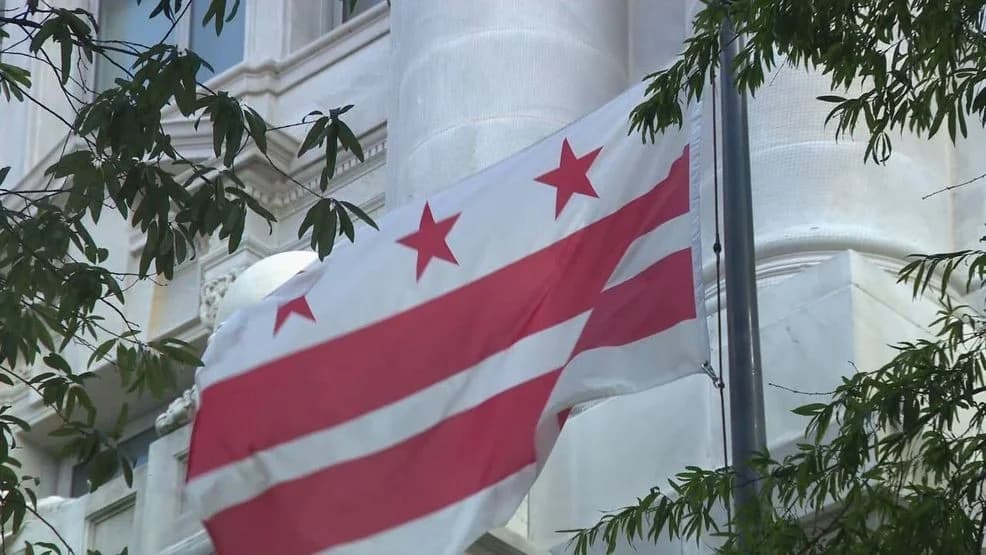
The District of Columbia is at a pivotal juncture as Congress moved to block D.C. tax decoupling efforts tied to the local response to federal tax changes. On February 4, 2026, the U.S. House of Representatives advanced a disapproval resolution aimed at overturning the District’s recent move to decouple portions of its local tax code from provisions embedded in the One Big Beautiful Bill Act (OBBBA). In practical terms, the resolution—H.J.Res. 142—would prevent the district from implementing certain tax policy changes that were designed to align D.C.’s code with federal reforms. The action set the stage for a potential revenue impact that local policymakers warned could approach several hundred million dollars over the next several fiscal years. The decision reflects a broader, high-stakes clash over local autonomy versus federal oversight in the nation’s capital. (washingtonpost.com)
As lawmakers in Washington continued their work, the scope of the dispute widened beyond a single bill. The linked provisions in the D.C. act—often described in local coverage as a decoupling from select federal tax changes—had been part of a broader package intended to restore targeted credits for families and to adjust earned income tax credits within the district. Proponents argued the decoupling was essential to preserve local revenue streams and to maintain programs aimed at reducing child poverty and supporting working families. Opponents argued the change would undermine federal tax policy and penalize residents who benefit from the federal framework. The contrast between local priorities and federal oversight is not new in D.C. governance, but the Feb. 2026 action marks a rare and high-profile moment in that ongoing tension. (dcfpi.org)
This article provides a data-driven overview of what happened, why it matters for residents and businesses, and what could come next. It draws on official documents, independent policy analysis, and sustained media coverage to present a balanced picture of the fiscal and political dynamics at play. The central thread remains clear: D.C. tax decoupling blocked by Congress (Feb 2026) has potential implications for local revenue, service delivery, and the district’s broader economic environment, even as stakeholders continue to debate the merits and risks of local tax autonomy in a federal district.
Opening The anchor event is the federal disapproval of D.C.’s local decoupling move. On February 4, 2026, the House of Representatives passed H.J.Res. 142, a disapproval resolution aimed at overturning the D.C. Council’s December 2025 actions related to tax conformity and decoupling from portions of the federal tax code. The resolution’s path moves to the Senate and, if enacted, could block the District from implementing local changes intended to mirror certain federal tax provisions under the One Big Beautiful Bill Act (OBBBA). The political and fiscal implications of this action are broad, with local officials warning of a potential revenue shortfall that could amount to roughly $600 million through 2029. The exact timing of federal action matters for the District’s 2026 tax season, budgeting plans, and service commitments for residents who rely on targeted credits and benefits. (washingtonpost.com)
Beyond the House vote, the Congressional process continued to unfold in early February 2026. The Senate subsequently considered the measure, with coverage noting a tight partisan divide as the chamber weighed the implications of blocking local decoupling. In a parallel development, the DC Fiscal Policy Institute and other local observers highlighted the potential long-run effects on revenue and program participation. DC officials estimated that the decoupling reversal could affect funding for child poverty reduction programs and for the expanded earned income tax credit, while supporters of the disapproval argued that preserving the federal tax framework would stabilize tax policy and minimize complexity for taxpayers and employers. The interplay between national policy and district autonomy is a recurring theme, but the February 2026 moment is notable for its scale and visibility. (dcfpi.org)
Section 1: What Happened Background and policy scope
- What is being blocked and why it matters. The law at the heart of the dispute—DC’s decoupling from select OBBBA provisions—was designed to align the District’s local tax code with certain federal changes while preserving local policy objectives, including a local child tax credit expansion and adjustments to the earned income tax credit. In December 2025, the D.C. Council enacted a temporary measure to decouple from specified OBBBA provisions, a move transmitted to Congress for review under the District of Columbia Home Rule Act. The local act in question is frequently described in policy circles as a partial insulation from federal tax reforms intended to flow through to DC residents and businesses. Congressional action to disapprove this decoupling would restore the relationship between the local tax code and federal tax changes and thus block the district’s targeted credits and other provisions. This is a central element of the current dispute. (taxnews.ey.com)
Timeline of key events leading to the February 2026 disapproval
-
December 2025–January 2026: DC acts to decouple and transmit to Congress. In late December 2025, the D.C. Council passed a measure intended to decouple portions of the local tax code from certain federal tax changes enacted under OBBBA. The measure, accompanied by revisions to the local income and franchise tax rules, was transmitted to Congress in late December 2025, as required by the Home Rule Act. The district’s action was framed by local policymakers as a way to preserve critical revenue streams and to sustain programs designed to support families and low-income residents in a challenging fiscal environment. The DC Council’s action was also described in policy analyses as a targeted approach to maintain program integrity during transitions in federal tax policy. The emergency and transitional nature of some decoupling provisions raised questions about timing and administrative implementation, given the ongoing evolution of the federal tax code. (congress.gov)
-
February 4, 2026: House disapproval and passage of H.J.Res. 142. The U.S. House of Representatives passed H.J.Res. 142, disapproving the District’s December 2025 action and effectively blocking the decoupling. The House action would nullify the district’s decoupling provisions if enacted into law and signed by the President, a scenario that would maintain the alignment of D.C.’s tax code with the federal framework rather than allowing the district to proceed with its local decoupling plan. Coverage at the time highlighted the potential $600 million revenue impact over four years if Congress were to stop the decoupling and the district retained its broader policy changes, including local child tax credits and expanded EITC. The vote line was narrow, reflecting broader partisan dynamics around tax policy and home rule. (washingtonpost.com)
-
February 12, 2026: Senate consideration and action. Following the House action, the Senate took up the matter, with coverage noting a closely divided chamber and discussions about the constitutional and practical implications of overriding a local tax decision in the District. The Washington Post reported that the Senate approved the disapproval measure, signaling that Congress was prepared to intervene decisively in a DC tax matter with significant fiscal consequences for local programs and residents. The eventual status would depend on presidential action, but the February 12 vote represented a major milestone in the ongoing confrontation over local tax policy versus federal oversight. (washingtonpost.com)
-
February 2026: Current status and next steps. By mid-February 2026, Congress appeared poised to complete action on H.J.Res. 142, with the individual actions in both chambers carrying potential implications for the District’s revenue streams, budgeting, and service delivery. Policy observers, including DC-focused think tanks and advocacy groups, tracked the evolving political calculations and identified the immediate near-term consequences for taxpayers, businesses, and city agencies as the federal framework and local policy diverge under the cloud of the disapproval process. The exact outcome hinges on presidential action, but the trend lines are clear: the disapproval would prevent the local decoupling and impose the federal framework’s tax dynamics on the district for the near term. (washingtonpost.com)
Key facts and numbers
-
Revenue impact estimate. Analysts and policy groups widely cited an estimated revenue impact of roughly $600 million across the four-year horizon if Congress disallows the decoupling and the district reverts to the pre-OBBBA alignment. This is not a universal forecast; it reflects modeled scenarios based on the district’s tax base and the anticipated effects of retaining certain federal tax changes at the local level. The estimate has become a central talking point in the policy debate and has been echoed by local fiscal watchdogs and policy institutes. (washingtonpost.com)
-
The policy instruments in play. The crux of the dispute centers on whether the D.C. Council’s action to decouple from specific OBBBA provisions can stand in the face of congressional disapproval, and whether such disapproval is consistent with the Home Rule Act’s procedures. The concrete policy instruments include the D.C. Income and Franchise Tax Conformity and Revision Temporary Amendment Act of 2025 (the local decoupling measure) and the disapproval resolutions (H.J.Res. 142 and related Senate actions) designed to negate that decoupling. The specifics of the statutory language and the procedural steps are available in the congressional record and in DC-specific policy summaries, which show the explicit decoupling provisions and the proposed disapproval language. (congress.gov)
-
Local policy context and credits at stake. The decoupling move was tied to locally targeted tax credits and credits expansions intended to address child poverty and support working families. DC officials have framed the decoupling as crucial to preserve these programs in a fiscal environment aggravated by federal policy shifts and federal funding constraints. Critics have warned that the disapproval could hinder progress on child poverty reduction and other social objectives, while proponents have argued it ensures consistency with federal policy and avoids duplicative or misaligned tax benefits. The debate has thus centered on both revenue sufficiency and programmatic outcomes for vulnerable residents. (dcfpi.org)
Section 1 Subsections What happened on the policy side
-
The D.C. law in question, its decoupling provisions, and the federal alignment issue. The December 2025 D.C. Act 26-217, transmitted to Congress, sought to decouple select local tax provisions from parts of the OBBBA, preserving local policy choices while remaining tethered to federal changes in a targeted way. The legislative language several observers tracked included the temporary nature of the decoupling and its alignment with the district’s budgetary and social policy goals. This action followed a year in which the district faced fiscal pressures and sought to phasing out certain credits as part of its broader tax strategy. The congressional process began with explicit notification to Congress and was followed by formal review under the Home Rule Act. (congress.gov)
-
The congressional disapproval and its procedural steps. H.J.Res. 142, introduced by Rep. Brandon Gill, moved through the House with a reported 2–3 weeks of debate and committee consideration before passage on February 4, 2026. The text of the joint resolution and the roll-call data were publicly posted, and the action signaled a clear federal stance on the district’s tax policy shift. The move proposes to nullify the D.C. decoupling provisions and restore the pre-OBBBA alignment in the district’s tax code. The D.C. Council and local policymakers criticized the measure as an overreach, while federal supporters framed the measure as delivering tax relief to residents and businesses by preserving uniformity with federal tax changes. The procedural record is accessible via Congress.gov and contemporaneous press coverage. (congress.gov)
Why It Matters Fiscal and economic implications for residents and businesses
-
Revenue stability vs. local policy autonomy. The central question in this episode is whether the federal disapproval of the D.C. decoupling will stabilize or destabilize the district’s revenue base. On one hand, proponents argue that keeping in lockstep with federal changes protects the district from unanticipated revenue volatility caused by patchwork of local adjustments. On the other hand, critics warn that reverting to the federal-only framework could blunt targeted tax credits designed to uplift low- and moderate-income families and could increase the cost of living for residents who rely on the earned income tax credit and child tax credit expansions. Independent analyses cited by DC-focused think tanks have highlighted the potential revenue gap and the policy trade-offs, including how these choices interact with city services, public safety, and social programs. (dcfpi.org)
-
Tax compliance and administration. The reversal or halting of decoupling can affect tax administration timelines and filings for DC residents and employers. Taxpayers may experience changes to withholding and filing practices if the district re-aligns with federal rules rather than retaining local decoupling provisions. The transition period could introduce administrative complexities, particularly during the ongoing tax season, as local agencies align systems with the federal framework or adjust to the non-decoupled state. Observers emphasize that communication and clear guidance from the DC Department of Finance and Revenue will be critical to minimize confusion and ensure timely processing of returns. (washingtonpost.com)
-
Social policy and poverty-related programs. The decoupling provisions were connected to targeted credits intended to mitigate child poverty and support low-income workers. DC policy experts warn that blocking the decoupling could slow or complicate progress on these measures, potentially affecting families that rely on the district’s child tax credit and expanded EITC. The policy debate thus spans not only revenue numbers but also outcomes in areas like poverty reduction, workforce participation, and household stability. The DC Fiscal Policy Institute and allied organizations have attached numbers and qualitative assessments to these concerns, underscoring the human dimension of the policy choices. (dcfpi.org)
Political dynamics and implications for home rule
-
The broader context of federal oversight in a home-rule system. The confrontation over D.C. tax policy is a reminder of the unique constitutional and political status of the District of Columbia, where Congress retains authority to review and potentially overturn local laws. The February 2026 action is one of the rare cases where Congress took explicit steps to block a local tax policy decision, highlighting the ongoing debate about the balance between local autonomy and federal oversight. Analysts note that such interventions provoke questions about governance, jurisdiction, and fiscal accountability in a city that functions as the national capital, hosting both federal institutions and a large, diverse resident population. (washingtonpost.com)
-
Reactions from local officials and advocates. Local leaders, including DC policymakers and advocacy organizations, have framed the disapproval as an overreach that threatens local self-determination and the ability to tailor policy to community needs. Supporters of the disapproval emphasize that uniform federal tax policy benefits residents across the country by preventing duplication or misalignment of tax benefits, while critics highlight the loss of locally targeted programs that address specific district priorities. The spectrum of responses reflects a broader national conversation about the proper reach of federal authority over local tax and budget decisions in the district. (washingtonpost.com)
What It Means for Markets and Tech Sectors
-
Implications for business planning and market signals. For technology companies operating in D.C. and for organizations with DC-based operations, the disapproval could influence hiring, investment, and capital expenditure decisions tied to the District’s workforce and consumer base. Changes to EITC and child credit provisions affect disposable income and consumer demand, which, in turn, shape local market dynamics and technology adoption, especially in sectors like fintech, software services, and hardware supply chains that intersect with local procurement and payroll costs. Analysts note that a stable tax regime—whether aligned with federal policy or tailored through local decoupling—helps reduce uncertainty for businesses evaluating DC's market conditions. (dcfpi.org)
-
Public technology and the policy environment. The District’s policy environment often intersects with technology and innovation initiatives, including programs aimed at workforce development, digital inclusion, and data-driven city services. The policy dispute over decoupling may influence how the city funds and prioritizes technology investments, as reallocation of revenue streams could impact grants, credits for hiring, or subsidies for tech-focused programs aimed at low-income residents. While the immediate fiscal impact remains a central focus, the long-run effect on DC’s technology ecosystem will depend on how the political process resolves funding for critical programs in the wake of federal intervention. (dcfpi.org)
-
Regional and national implications. The District’s tax policy choices are watched by policymakers and researchers well beyond its borders. Analysts note that the DC case could set a precedent for how the federal government exercises its oversight powers in districts with unique governance structures and how localities balance tax policy autonomy with national policy alignment. The debate thus has relevance for other jurisdictions that seek to pursue local tax reforms in the context of broader federal policy changes, offering a real-time case study in fiscal federalism and urban governance. (washingtonpost.com)
Section 2 Subsections Impact analysis and stakeholder views
-
Residents and families. For residents and families, the decoupling debate centers on who benefits from local tax credits and how changes to tax policy affect take-home pay and eligibility for credits. Some residents stand to gain from protected or expanded credits in a decoupled framework, while others express concern that federal disapproval reduces access to district-targeted programs. The DC Fiscal Policy Institute’s analysis emphasizes the potential consequences for anti-poverty initiatives and the importance of maintaining policy flexibility to support vulnerable populations. > quote from Erica Williams (condensed for reporting): “Residents have the right to decide their own local tax policies, just like residents in other jurisdictions that exercise more autonomy.” (dcfpi.org)
-
Businesses and employers. Employers in D.C. face a potentially shifting landscape as tax rules and credits change, influencing payroll costs, benefits, and compliance requirements. Business groups have argued that predictability in tax policy is critical for hiring and investment decisions, especially in a city that hosts a large federal workforce and a growing tech sector. The policy dispute thus has a direct channel into the operating environment for startups, professional services firms, and multinational affiliates with DC-based operations. The forecasted revenue impacts and potential changes in credits could affect hiring incentives and wage dynamics over time. (washingtonpost.com)
-
City governance and policy advocates. DC policymakers and advocacy organizations see the episode as a test of the district’s fiscal independence and the ability to shape policy to address local priorities. The ongoing debate touches on questions about how to balance the district’s budget, maintain essential services, and support social programs in a changing federal tax landscape. Advocates call for careful monitoring of the fiscal trajectory, transparent reporting on tax receipts, and ongoing engagement with residents to explain policy choices and expected outcomes. (dcfpi.org)
-
National observers and scholars. Outside the immediate DC circle, researchers and policy analysts view the episode as a high-profile case study of home rule and fiscal federalism. The decision to block decoupling raises questions about the limits of local tax experimentation in a city that functions as the nation’s capital, and about the implications for urban policy experimentation in other jurisdictions facing similar tensions. Scholarly commentators emphasize the need for robust data on revenue consequences, program outcomes, and long-term economic effects to inform future policy debates. (washingtonpost.com)
What’s Next Next steps in Congress and beyond
-
Congressional motion and presidential action. With the House action completed and the Senate weighing its own vote, the next stage will hinge on presidential action. If the President signs the disapproval resolution, DC’s decoupling provisions would be blocked, preserving the federal tax framework in the district. If the President vetoes, the measure could still advance if Congress achieves the necessary majority in both chambers. The exact timetable depends on the legislative calendar, the priorities of the administration, and the leverage points among members of Congress who are weighing the implications for district autonomy and federal policy coherence. The congressional texts and official statements provide the framework for this decision. (congress.gov)
-
Budgetary planning and district responses. Regardless of the congressional outcome, the District will need to adapt its budgeting and financial planning. If Congress blocks decoupling, district agencies may adjust to the federal framework, re-evaluate revenue projections, and reassess how to maintain local programs that rely on the decoupled framework. If Congress allows decoupling to proceed, district agencies will implement the decoupled provisions and monitor the resulting revenue and programmatic impacts. The DC Fiscal Policy Institute and other local policy groups have been tracking the revenue implications and will likely issue updated analyses as the situation evolves. (dcfpi.org)
-
Administrative and systems considerations. Tax administration systems, employee payroll, and reporting processes may require updates depending on the final outcome. The district’s finance department will need to align with whichever policy framework is in effect, including potential changes to withholding, credits, and reporting requirements. Clear communication to taxpayers and businesses will be essential to minimize confusion and ensure timely compliance during any transition. (washingtonpost.com)
-
Monitoring and accountability. In a situation with high political and fiscal stakes, ongoing monitoring of revenue performance, program uptake, and service delivery is critical. The District’s budget office, inspector general, and independent policy analysts are likely to publish periodic updates on the fiscal trajectory, the impact on anti-poverty programs, and the broader economic climate. Readers should expect interim reports as Congress completes its action and the district assesses the realized effects on tax receipts and public services. (dcfpi.org)
What to watch for next
-
Legislative timing. The final outcome will hinge on the timing of the President’s decision, Senate action, and any subsequent legislative maneuvering. Observers monitor for statements from key lawmakers, potential amendments, and the possibility of a negotiated agreement that would preserve some local policy elements while addressing federal concerns. The congressional record and press coverage provide the best ongoing chronicle of these steps. (congress.gov)
-
Economic indicators. In addition to legislative actions, standard economic indicators—unemployment rates, tax receipts, consumer spending trends, and business sentiment indices—will shed light on the real-world impact of any policy shift. Analysts emphasize that the near-term period around a tax season and budgetary transitions is particularly sensitive to such indicators, and they will help determine whether the policy move translates into measurable economic effects or remains largely fiscal in nature. (dcfpi.org)
-
Community impact reporting. Local media and policy groups will likely publish follow-up reports that quantify the effects on families, individuals, and small businesses. In particular, coverage of the child tax credit, EITC adjustments, and any changes in program eligibility will help residents understand what the policy means for their personal finances and long-term planning. Expect data-rich reports, including case studies and anonymized analyses, to accompany ongoing policy debates. (washingtonpost.com)
What’s Next: Timeline and watchpoints
-
Short term (0–3 months). Congressional action on the disapproval resolution remains the central driver. The outcome will determine whether DC’s decoupling provisions are blocked or allowed to proceed. In the absence of a final presidential decision, the status quo could persist for a window of time, during which DC residents and businesses will continue to operate under current rules while observers await a definitive resolution. (congress.gov)
-
Medium term (3–12 months). If Congress ultimately blocks the decoupling, DC’s policy environment and revenue forecasting will be recalibrated to reflect the federal framework. If the decoupling is allowed to stand, the district will implement its decoupled provisions and monitor the outcomes, including revenue changes and programmatic effects. In either case, transparency around tax receipts and program funding will be crucial for maintaining public trust and informing policy refinements. (washingtonpost.com)
-
Long term (12+ months). The broader governance implications—how Congress interacts with the District on tax policy, the resilience of social programs in the face of shifting revenue streams, and the technology sector’s adaptation to a potentially evolving tax environment—will shape public discourse and policy design. The DC policy community’s ongoing analyses will contribute to a more robust understanding of how to align local tax policy with federal reforms while preserving essential district priorities. (washingtonpost.com)
Section 3: What’s Next Next steps and anticipated developments
-
Legislative process and final action. The next pivotal step is the final legislative decision by Congress and the president. If the disapproval remains in place and the President signs the measure, the District will not be able to implement the decoupling provisions, effectively aligning DC’s local tax policy with the federal framework. If the President vetoes or Congress fails to override, the decoupling could proceed, with the district continuing to pursue its local tax policy modifications. The official texts and voting records provide the exact procedural path and the votes in each chamber. (congress.gov)
-
Policy and programmatic implications. Depending on the final outcome, expect public announcements from the DC Council, the Mayor’s Office, and federal lawmakers detailing the impact on tax credits, revenue projections, and program funding. The district may release updated budget guidance and anticipated fiscal trajectories, while advocacy organizations and policy institutes will publish analyses to help residents understand the consequences. (dcfpi.org)
-
Community outreach and guidance. In the event of policy changes or clarifications, DC agencies are likely to issue guidance on tax filing, credits, and compliance. Community organizations may host informational sessions or publish guidance materials to help residents navigate any changes in the tax landscape and to explain how potential revenue shifts could affect services. (washingtonpost.com)
Closing As the D.C. policy drama unfolds, the central question remains: how will the District reconcile the need for local policy experimentation with a federal system that reserves broad oversight power? The February 2026 moment—D.C. tax decoupling blocked by Congress (Feb 2026)—represents a critical test of fiscal autonomy, programmatic resilience, and the social contract between the District and its residents. Stakeholders are watching not only the immediate revenue numbers but also the longer-term implications for local governance, economic vitality, and the city’s capacity to innovate within a federal framework. For residents, businesses, and policymakers, the coming weeks will deliver clarity on whether Congress will uphold the disapproval or allow decoupling to proceed, and the resulting path will shape the District’s tax policy landscape for years to come. Stay tuned to updates from the DC Council, the Mayor’s Office, and national outlets as the situation evolves and as data-driven analyses illuminate the actual fiscal and social outcomes of this high-profile policy moment. (washingtonpost.com)