DC tax conformity blocked by House: Update Feb 2026

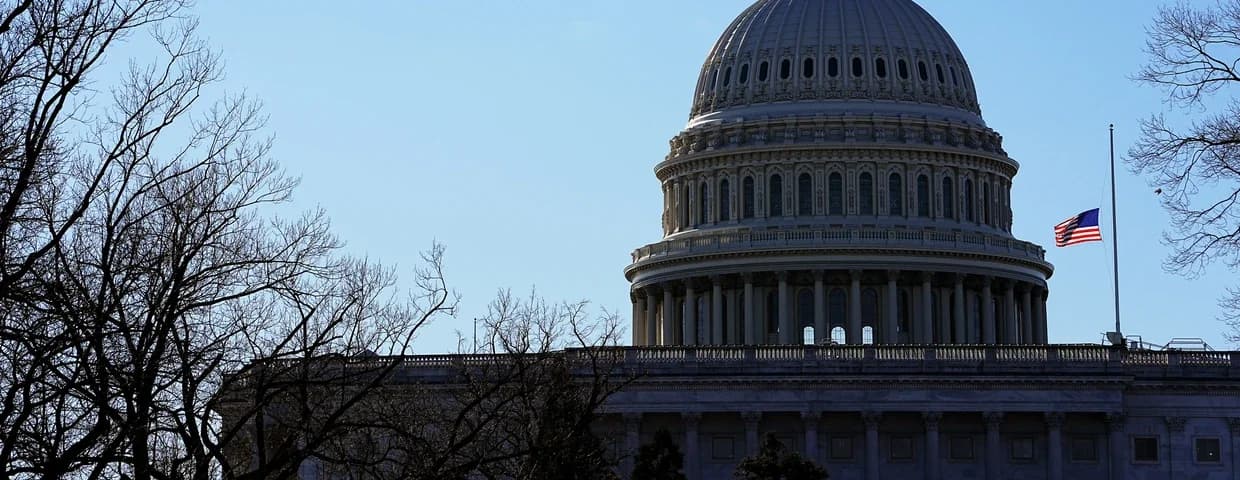
Washington, D.C. — In a move that reverberated through the district’s budget planning and tax season, the U.S. House of Representatives moved to disapprove the District of Columbia Council’s December 2025 decision to decouple from certain federal tax provisions. The action, framed as a step to preserve local control and federal tax relief opportunities, has sparked immediate debates about revenue protections for local programs and the potential administrative disruption for taxpayers. The development is unfolding at a moment when DC tax policy and federal oversight intersect with tech-sector funding, social welfare programs, and the city’s broader economic strategy. The latest developments center on the House’s role in a long-running Home Rule dynamic and what comes next for filers, city services, and market sentiment. The DC tax conformity debate—now labeled by some observers as the “DC tax conformity blocked by House” scenario—continues to shape conversations about local autonomy, fiscal stability, and the practical realities of mid-season tax changes. (congress.gov)
The immediate stakes are clear: city officials warn that blocking the tax conformity could upend planned local revenue initiatives and complicate the tax filing season. The House’s action follows months of fiscal forecasting that hinged on the district’s ability to retain a substantial revenue buffer tied to its December measure, including a local child tax credit and expanded earned income tax credit. If the disapproval stands, the district could see shifts in cash flow, potential adjustments to filing deadlines, and the need for rapid policy recalibration. The Washington Post’s reporting underscores the potential for roughly $600 million in revenue to be impacted through 2029, along with the likelihood of tax-season chaos for hundreds of thousands of District residents and business owners. The timing matters: the bill’s fate has moved through Congress during a compressed window of the 2026 tax season, with immediate operational implications for the city’s finance apparatus. “What matters now is the texture of implementation,” said one city official who spoke on background, highlighting the practical tasks of updating forms, guidance, and third-party services. (washingtonpost.com)
As analysts track the sequence of events, the broader context frames the House action as part of an ongoing tension between federal oversight and local governance in the District. The council’s December 2025 decision to decouple elements of the District’s tax code from federal changes—an approach designed to preserve local revenue and fund targeted programs—was controversial from the outset, drawing both praise from steered-growth advocates and criticism from fiscal conservatives who argued it created a complex and potentially unstable tax environment. The timing of the House intervention, followed by Senate action and a presidential expectation to sign, marks a rare instance in which Congress has used its Home Rule oversight to override DC policy with potential revenue consequences. The episode is being watched closely by policymakers, the local business community, and tax professionals who are navigating an unusual mid-season policy shift. Bowser and other city leaders have framed the move as a test of local autonomy, while opponents argue the override is a necessary check on what they see as unsustainable deviations from federal policy. The debate—capturing questions about equity, revenue adequacy, and administrative feasibility—has significant implications for the District’s technology-driven growth strategy and its competitive position in the national market. > The moment also foregrounds the practical realities of a city that relies on a combination of local and federal policy levers to fund child services, workforce programs, and infrastructure investments. (washingtonpost.com)
What Happened
Timeline of key actions
-
December 20, 2025 — The District of Columbia Council enacted DC Law 26-458, titled the D.C. Income and Franchise Tax Conformity and Revision Temporary Amendment Act of 2025. This emergency and temporary measure decoupled elements of the DC tax code from portions of the federal tax regime enacted under the One Big Beautiful Bill Act (OBBBA) and related reforms, with the aim of preserving hundreds of millions in local revenue and funding programs like a local child tax credit and enhanced earned income tax credit. The Council’s action was presented as a targeted, revenue-protective move, intended to address local budgeting needs while maintaining fiscal flexibility. The law’s official status and background are detailed in the District of Columbia Law Library and the Council’s announcements, which note the legislative history and the effective framework of decoupling. (code.dccouncil.gov)
-
February 4, 2026 — The U.S. House of Representatives passed H.J.Res.142, a joint resolution disapproving the District of Columbia Council’s December 2025 action. The House vote was 215-210, recorded as Roll Call Vote No. 56. This marked a decisive federal intervention aimed at nullifying DC’s local tax policy change and reinstating conformity with certain federal provisions. The House action was a procedural step in a multi-chamber process, with the resolution then moving to the Senate for consideration. (congress.gov)
-
February 11–12, 2026 — The Senate considered and then passed the measure, delivering a party-line 49-47 vote to disapprove. The Senate’s action underscored the narrow margins in play and the partisan dimension of the policy clash. The measure was later presented to the President on February 12, 2026. The procedural flow behind these votes is captured in the official Congress.gov actions, which show the sequence from House passage to Senate consideration and ultimately to presidential submission. (congress.gov)
-
February 12, 2026 — The disapproval was presented to the President, marking a pivotal moment in the process. The same day, the Senate’s action was certified, and the House's disapproval was forwarded as part of the ongoing reconciliation of DC tax policy with federal law. The Washington Post summarized the moment as a rare congressional rebuttal to a D.C. policy decision, emphasizing the potential economic and administrative consequences for the District. (washingtonpost.com)
-
February 12, 2026 — The DC policy framework remains in a flux state as the President’s decision would determine whether the disapproval becomes law. The House’s 215-210 vote, the Senate’s 49-47 vote, and the executive step together create a high-stakes environment for DC tax administration, federal-state relations, and local funding for child and workforce programs. The updated status is captured in Congress.gov’s Bill Summary and Actions, confirming the sequence and outcomes. (congress.gov)
What the resolution does and what it reverses
-
The joint resolution, H.J.Res.142, disapproves the District of Columbia Council’s December 2025 action that decoupled parts of the DC tax code from the federal changes enacted in 2025. If enacted, the resolution nullifies the DC law and reinstates the pre-December 2025 tax provisions, restoring conformity with federal changes and the OBBBA-era framework in many, though not all, respects. The latest official summary and the bill’s text indicate that the effect would be to revert to the earlier tax code structure, including the standard deductions, treatment of tips, depreciation rules, and related provisions. This has broad implications for the District’s revenue mix, including anticipated funds for the local child tax credit and the expanded EITC, which were part of the decoupling policy. The official legislative path shows the impact in procedural terms and highlights the potential for reduced local revenue if conformity is enforced. (congress.gov)
-
The DC Law 26-89, enacted by the District in February 2026, became effective on February 12, 2026, and codified the temporary conformity and revision framework. The law’s status and the timing of its effective date are documented by the DC Law Library, which notes that the act was part of the District’s attempt to manage the balance between rolling conformity with federal changes and local revenue objectives. The confluence of this act and the federal disapproval action creates a complex legal and administrative landscape for tax practitioners and residents navigating the 2026 filing season. (code.dccouncil.gov)
Key provisions blocked or restored
-
The December 2025 DC decoupling sought to preserve local revenue by avoiding certain federal tax changes, including provisions related to tips and overtime, the standard deduction, and other targeted deductions. The DC plan also anticipated funding a local child tax credit and an enhanced EITC, among other measures. By disapproving the DC action, Congress would effectively restore the DC tax code to align with pre-decoupling provisions, delaying or altering those local programs depending on the final legislative and executive actions. The House-voted text and Senate-confirmed language show the policy’s reversal dynamics and the potential timing implications for tax processing, as outlined in the congressional records and accompanying press coverage. (congress.gov)
-
Local program implications, particularly the local child tax credit and EITC expansion, became a focal point in the debate. City officials and researchers projected that conformity with federal changes could have changed the scope or availability of these programs, provoking concerns about child poverty rates and working-poor families in the District. The Washington Post and DC Fiscal Policy Institute documented the potential revenue trade-offs and the possibility of mid-season tax filing changes, which would affect households and small businesses alike. The policy tension between revenue preservation and targeted anti-poverty measures remains central to how the city frames its fiscal strategy in a shifting legal environment. (washingtonpost.com)
Why It Matters
Revenue implications for the District

-
The central economic question is how a federal override or disapproval of the DC decoupling would reshape the District’s revenue picture through 2029. The House and Senate votes have helped crystallize a scenario in which the District could lose roughly $600 million in revenue if the local tax changes are not allowed to move forward as planned. City officials have warned that such a revenue shortfall could trigger a cascade of effects on services, capital projects, and social support programs. The magnitude of the potential revenue impact underscores why the issue has drawn attention from policymakers, tax professionals, and market observers alike. The Washington Post reported on the $600 million figure as a central element of the debate, a figure that DC policymakers see as a critical threshold for budget planning and program funding. (washingtonpost.com)
-
The DC Fiscal Policy Institute’s coverage of the House disapproval highlights how the temporary decoupling was designed to preserve local revenue while enabling targeted anti-poverty measures. The analysis notes the delicate balance between revenue preservation and the risk of mid-year tax changes that could disrupt filers and the city’s cash flow. This perspective helps explain why the issue matters beyond procedural politics, touching on the practical realities of how DC funds essential services and supports low-income residents. (dcfpi.org)
Tax filing implications and administrative disruption
-
The timing of the federal action—occurring during tax season—raises concerns about potential filing extensions, form revisions, and guidance updates for thousands of District filers. City CFOs have warned that mid-season changes could necessitate temporary suspensions of tax filings and refiling, with associated costs. The potential for administrative chaos during an active filing window underscores the need for clear, timely guidance from the city and coordination with state and federal partners. The Washington Post’s coverage emphasizes the practical consequences for tax filers, including possible reprocessing and extended deadlines. (washingtonpost.com)
-
The policy tension surrounding the Home Rule Act—where Congress retains authority to block local legislation—remains a deeply analyzed aspect of D.C.’s governance. Critics argue that federal intervention in DC tax policy undercuts local autonomy and the ability to tailor policies to local needs, particularly in a city managing rapid growth, a dynamic tech sector, and distinctive social programs. Supporters counter that a uniform federal tax framework can simplify compliance and ensure consistency with nationwide tax systems, reducing confusion for residents and businesses. The Washington Post article frames this tension as a rare, high-stakes override, highlighting the broader national implications of local tax policy decisions in a federal district. (washingtonpost.com)
Broader context for technology and market trends
- DC’s approach to tax conformity has direct implications for the technology sector and the broader market climate in the nation’s capital region. Tax policy decisions at the district level can influence business investment, hiring, and capital deployment in a region with a growing tech ecosystem, government contracts, and a dense concentration of high-skill employment. Industry observers point to the potential for policy uncertainty to affect project timelines, workforce planning, and incentive programs that aim to attract and retain tech firms. While the immediate policy question centers on federal conformity, the longer-term market implications touch on corporate strategy, regional competitiveness, and the ability to deliver local programs that support both workforce development and innovation. Analysts emphasize the importance of transparent, timely communication from city leadership to market stakeholders as the policy landscape evolves. (washingtonpost.com)
Reactions from stakeholders and the public debate
- City leadership, including Mayor Muriel Bowser, has argued that Congress’s disapproval undermines local autonomy and could disrupt essential services while complicating the tax filing process. In the wake of the House and Senate actions, business and civic groups have urged caution and argued for a more deliberate approach to federal-state-policy alignment. The DC Fiscal Policy Institute notes the potential impact on low-income residents and households, stressing the policy’s social dimensions. The debate has also drawn into relief the perspectives of political leaders from neighboring states who have watched the District’s policy shifts with interest due to their own tax and budget dynamics. The Washington Post’s reporting captures the emotional and practical stakes of the dispute, including the concerns raised by tax filers who might face last-minute changes and the potential for delayed refunds or adjustments. Quotes from Bowser and CFO statements provide a window into the real-world consequences of high-stakes policy decisions. > The tension is not just about tax bills; it’s about the District’s ability to fund child-focused programs and to manage a tax system that can flex with economic realities. (washingtonpost.com)
What’s Next
Timeline and next steps
-
The current status, as of mid-February 2026, places the DC tax conformity question in a transitional phase. If the President signs the disapproval, the DC Council’s December 2025 action would be nullified, and conformity with the federal changes would be restored for DC tax purposes, affecting the local tax code’s treatment of various provisions. The executive sign-off would cement the reversal, with only limited room for revision through new DC legislation or federal action. The Congress.gov record shows that the measure became law upon presidential signature if the President acts on it, which adds a presidential dimension to the already complex intergovernmental dynamic. The post-signature regime would likely prompt updated guidance from the DC Chief Financial Officer’s office, revised tax forms, and renewed public messaging to filers and tax preparers. (congress.gov)
-
In practical terms, residents and businesses should anticipate the following next steps:
- Tax filers may receive updated guidance and potential deadline adjustments from the DC Office of Tax and Revenue, and tax professionals may prepare for potential mid-season changes to deductible items and exemptions.
- The District’s CFO and budget office will monitor cash-flow implications and adjust cash management plans in response to the revised revenue trajectory, particularly if Congress’s disapproval affects anticipated funding for the local child tax credit and EITC expansion.
- Local service programs that relied on the increased revenue from the decoupling may reassess funding allocations, while the city communicates updates to stakeholders on how program delivery could be affected during the transition.
What to watch for in the coming weeks and months
- Presidential action and any subsequent legal challenges or clarifications from the District of Columbia's attorney general and council leadership will be pivotal. The President’s signature would finalize the congressional action; in its absence, the policy environment would still reflect a high degree of policy uncertainty as courts and agencies interpret the interplay between local law changes and federal disapproval.
- The Senate’s and House’s ongoing oversight activities or potential amendments could reshape the policy landscape, as lawmakers weigh the balance between preserving local revenue autonomy and aligning with federal tax reforms. Market observers will watch for any new fiscal impact assessments, updated revenue forecasts, and notices from the DC Council on potential responses to the federal action.
- The technology and business communities will monitor any shifts in tax policy that would affect incentives, depreciation allowances, and cross-border or cross-jurisdictional tax considerations for firms operating in the District and the broader DMV region. The evolving policy environment could influence decision-making around investment, hiring, and capital allocation.
Closing
The District’s tax policy confrontation—captured by the phrase DC tax conformity blocked by House—reflects a broader, perennial tension between local priorities and federal oversight. The sequence from December 2025 decoupling to February 2026 congressional action highlights how policy decisions in Washington, DC, reverberate through city budgets, tax administration, and the technology-driven economy that anchors so much of the region’s growth. For residents, business leaders, and policymakers alike, the key to navigating this moment lies in timely information, transparent guidance, and deliberate planning that accounts for both immediate operational realities and the longer-term fiscal trajectory. As the process unfolds, the District and its partners will continue to publish updates through official channels, with major news outlets and policy analysis organizations providing context, data, and expert interpretation to help readers understand what these changes mean for daily life, long-term planning, and the region’s tech-forward future. (washingtonpost.com)