
DC tax code decoupling blocked by Congress

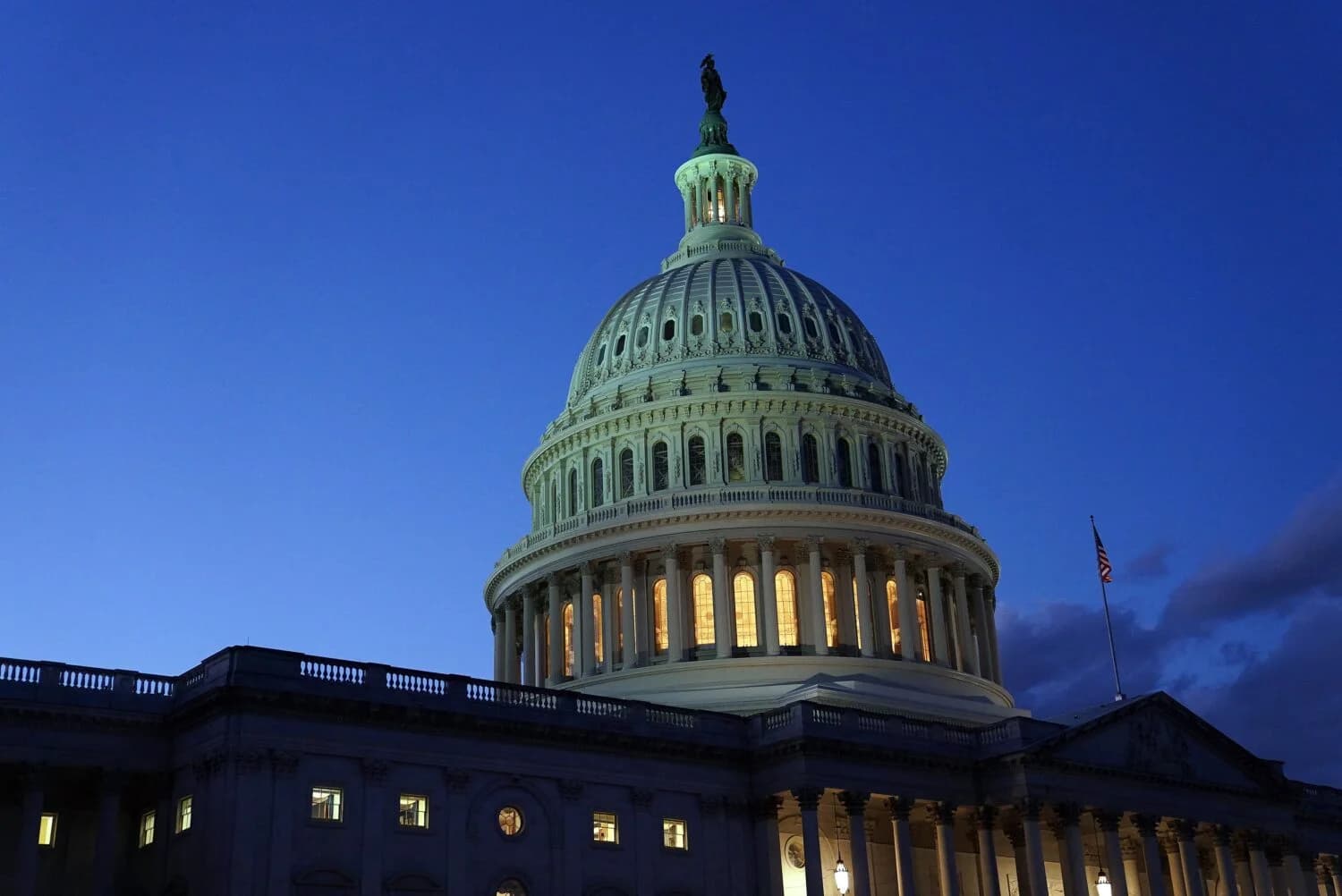
The District of Columbia is experiencing a high-stakes clash over tax policy that could reshape how the city funds its programs and supports its workforce, including the tech sector that fuels job growth in the region. On February 4, 2026, the U.S. House of Representatives narrowly advanced a disapproval resolution aimed at overturning a local D.C. law that would have decoupled the District’s tax code from certain federal changes enacted under the One Big Beautiful Bill Act (OBBBA). The proposed disapproval would restore the pre-OBBBA tax framework and block the District from implementing locally targeted credits, including a new child tax credit and an expanded earned income tax credit (EITC). The momentum in Congress comes amid a broader debate about fiscal autonomy for the District and the implications for revenue, administrative efficiency, and the ability to pursue local priorities that affect residents, workers, and local businesses, particularly in technology and innovation sectors. This development matters for readers who track how federal policy influences local tax administration, revenue forecasting, and the incentives that shape market trends in the nation’s capital. (washingtonpost.com)
By mid-February 2026, Congress appeared poised to decide the fate of D.C.’s decoupling efforts. The Senate carried the measure forward, with discussions highlighting the tension between local governance and federal oversight under the Home Rule Act of 1973. If Congress ultimately blocks the decoupling, the District could see a material revenue impact and a delay to planned social and economic initiatives designed to support families and workers. The exact fiscal effect has been quantified by local officials and policy analysts as a potential shortfall in local revenue—commonly cited at around $600 million through 2029—if the local reforms remain in place only to be reversed or delayed by federal disapproval. The potential disruption to tax processing, return filings, and vendor software updates has prompted concerns among taxpayers and the city’s administration about administrative churn and the reliability of tax-season timing. The ongoing federal intervention is a rare instance in which Congress directly overrides a District policy, underscoring the complexities of home-rule governance and the evolving relationship between local needs and national policy. (washingtonpost.com)
Section 1: What Happened
Timeline of the Disapproval
The sequence began in late 2025 when the District Council enacted emergency legislation to decouple specific provisions of the District income and franchise tax from the federal provisions embedded in the One Big Beautiful Bill Act (OBBBA). This decoupling allowed the city to pursue locally deliberate tax reform, fund targeted credits, and manage revenue expectations in a way aligned with District priorities. In December 2025, DC Council adopted B26-0458 to decouple select provisions from the IRC, with the measure taking effect after a 30-day Congressional review period and lasting for 225 days. This temporary framework was designed to address anticipated shifts in federal tax policy while preserving the District’s ability to fund social programs and to adjust tax incentives as needed. The law’s temporary status and its scope—decoupling from certain OBBBA provisions—were reported by Bloomberg Tax and reported locally by the Council press office. (news.bloombergtax.com)
The federal response came quickly. On January 22, 2026, the House introduced H.J.Res.142, a disapproval resolution aimed at nullifying the District’s 2025 tax-change package, effectively reinstating pre-OBBBA tax provisions in D.C. law. The summary and status of H.J.Res.142 show that this congressional action would overturn the District’s decoupling and rely on the federal changes as codified prior to the DC action. This is part of a broader, ongoing debate about conformity versus decoupling—the tension between a state- or city-level desire for autonomy and Congress’s authority to review and block local laws under the Home Rule Act. (congress.gov)
The House moved forward with the disapproval in early February 2026, and the decisive vote proceeded against the District’s local tax changes. A February 4, 2026 Washington Post article details the House’s disapproval action, describing a narrow, party-line vote that would cost the city hundreds of millions in revenue if enacted. The disapproval would block the District’s planned local child tax credit and the expanded EITC, among other conformity adjustments, which the city reported as essential to supporting low- and moderate-income residents and sustaining important social programs. The House action set up a potential Senate vote and presidential decision, with potential long-term implications for DC’s fiscal policy, governance, and social safety net. (washingtonpost.com)
In parallel, the District Council and local officials have stressed the practical implications of federal intervention. The DC Council’s mid-2025–late-2025 actions highlighted a deliberate strategy to fund targeted local credits and social programs by decoupling from federal provisions, and to adjust resources to maintain services even as the federal policy landscape shifted. The local narrative centers on preserving a safety net for families, safeguarding child poverty reductions, and maintaining a stable revenue stream for critical services, while acknowledging the risk of federal disapproval and its consequences for municipal operations. The DC Council’s communications and associated press releases provide the most concrete articulation of the intended policy directions and the rationale behind the decoupling move. (dccouncil.gov)
Congressional Action and Local Policy Context
The federal action is anchored in the Home Rule framework, which grants Congress broad oversight over DC laws while allowing limited self-government. The disapproval mechanism, invoked through H.J.Res.142 in the 119th Congress, represents a formal method by which Congress can override local DC fiscal policy. The bill’s summary and docketed actions illustrate that the disapproval would nullify the DC law, reinstate pre-OBBBA tax provisions, and thereby roll back notable local tax policy reforms, including the locally funded child tax credit and the intensified EITC match. This dynamic is critical for readers to understand, as it frames the potential revenue shortfalls and the administrative upheaval that would accompany any reversal of the local policies that had been designed to address pressing needs in the District. (congress.gov)
Beyond formal proceedings, observers note the potential for a multiparty political dispute that could extend into the Senate and the White House, particularly given the symbolic and practical implications of blocking a city’s tax reforms. The Norton-led congressional office statements and other related communications emphasize opposition to the disapproval resolution as an assertion of local autonomy, while supporters argue that conforming DC tax changes align with federal policies and simplify administration for taxpayers who interact with both federal and local tax systems. The public commentary and official statements thus reflect a broader debate about how much latitude a city should retain in shaping its tax code when federal law changes have outsized effects on local revenue and social programs. (norton.house.gov)
Section 2: Why It Matters
Fiscal Implications for DC and the Tech Economy
The fiscal forecast accompanying the decoupling and its possible reversal has immediate and longer-term consequences for DC’s budget, public services, and strategic priorities. City officials have warned that conforming to federal changes could trigger a substantial revenue shortfall for the District, affecting programs that underpin technology sector growth, workforce development, and social safety nets. The implication for tax processing, software updates, and filing timelines could create operational disruptions during the current tax season, with potential delays and increased costs for residents and businesses. While proponents of decoupling argue that targeted local credits (such as a local child tax credit) and a robust EITC match would help protect low- and middle-income families, a federal reversal could undermine those gains and complicate budgeting for prudent investment in education, infrastructure, and technology ecosystems that are central to the District’s economic strategy. Analysts and policy advocates have estimated a revenue impact in the hundreds of millions of dollars range through 2029, with figures often cited around $600 million, underscoring the scale and urgency of the debate. (washingtonpost.com)
The tech sector’s role in the District’s economy makes these policy questions especially salient. The District’s tech community depends not only on a stable tax environment but also on the predictability of public investments and targeted credits that can help attract and retain talent. The possibility that Congress could override local tax decisions feeds into broader investor sentiment and workforce planning in the region. While the technical details of how specific conformity changes would affect corporate tax treatment are complex—and subject to the evolving interpretations of the IRC and related DC amendments—the core message for technology firms is that federal intervention could alter the city’s ability to compete for talent and to deliver local incentives designed to support startups and established tech employers. This is particularly true for small and mid-sized tech businesses that rely on predictable tax costs to plan hiring, expansion, and capital investments. (dccouncil.gov)
Impacts on Residents, Businesses, and Public Services
The proposed disapproval’s potential to derail the locally targeted credits has direct implications for residents, especially families with children and workers who benefit from expanded EITC and the local child tax credit. If Congress blocks the decoupling, these programs could be curtailed or delayed, affecting household budgets and consumer spending—an important anchor for the District’s local economy, including its service and tech sectors. Local authorities have stressed that the decoupling was designed to allow the city to maintain or improve social programs at a time of changing federal policy, ensuring that vulnerable populations receive targeted support while the city manages a complex and shifting tax environment. The interplay between these local policies and federal oversight illuminates the tension between rapid policy experimentation at the district level and the slower, more deliberative processes at the federal level. (dccouncil.gov)
The broader policy context includes ongoing debates over conformity versus decoupling in other jurisdictions and the potential lessons for the District. Tax policy researchers and policy centers have noted that states and municipalities balance the benefits of conformity—simplified administration and reduced compliance costs—with the autonomy to pursue local priorities, potentially at the cost of revenue volatility. The Tax Policy Center’s coverage of continued conflicts and tax conformity underscores the structural trade-offs facing DC: conformity can reduce complexity but may constrain the city’s ability to address local needs or to adopt innovative tax provisions tailored to its economy. This lens helps readers understand why the District’s decoupling attempt, and the federal response, matter beyond a single policy choice. (taxpolicycenter.org)
The “Home Rule” Conversation and Political Dynamics
The dispute is also a case study in the enduring question of how much home rule the District can exercise versus how much Congress should or can regulate DC tax policy. The Home Rule Act grants Congress oversight, including disapproval powers, but it also recognizes the district’s authority to manage local affairs. The current moment illustrates how political dynamics in Congress—across both chambers—can shape or derail local policy experiments even when those experiments have been designed to address pressing social and economic issues. The district’s leadership argues that local decisions—such as investing in a child tax credit and expanding EITC—are essential for reducing poverty and fostering a stable, inclusive economy, while federal critics frame conformity as a matter of ensuring consistency with national tax policy and preventing revenue shortfalls that could undermine essential services. The divergence in perspectives is likely to continue influencing the policy conversation in the weeks and months ahead. (congress.gov)
Section 3: What’s Next
Timeline, Next Steps, and Watch Points
Looking ahead, the immediate questions center on what the Senate will do with the House disapproval resolution and whether the White House will sign a final disapproval into law. Observers expect a potential, high-stakes game in which the Senate could approve the House measure, prompting a presidential decision that would determine whether DC’s decoupling provisions stand or fall. The 119th Congress documentations, including H.J.Res.142, outline the procedural path and the legislative mechanics by which Congress would overturn the DC law, but the final outcome depends on cross-chamber negotiations and executive action. The timeline remains highly time-sensitive due to the ongoing tax filing season and the need for clear guidance to filers and software developers who support DC taxpayers. (congress.gov)
Second, if the disapproval is enacted, DC policymakers and the CFO would need to recalibrate the city’s revenue forecast and adjust budget plans accordingly. This could involve rethinking the allocation of resources to fund the local Child Tax Credit and the enhanced EITC match, as well as potential changes to planned investments in infrastructure, technology education, workforce training, and other initiatives designed to strengthen the District’s competitive position. The tax policy implications would also extend to local businesses that rely on a predictable tax environment to plan investments, hire staff, and engage in capital-intensive projects. Analysts have warned that the administrative burden of re-aligning tax software, payroll systems, and filing processes to reflect newly reversed or paused changes could extend into the next filing season, affecting taxpayers’ experience and the efficiency of the District’s tax collection operations. (washingtonpost.com)
What Taxpayers Should Watch For
Taxpayers in the District should monitor several practical developments in the near term. First, watch for any new guidance from the District’s Office of Tax and Revenue and the CFO on how a potential reversal would affect filing deadlines, payment timing, and the treatment of deductions and credits that had been expanded or introduced under the decoupled regime. If Congress blocks decoupling, filers may be required to adjust their 2025 tax returns or anticipate changes to 2026 filings, particularly for those who would have benefited from the local child tax credit and enhanced EITC. Second, stay attentive to any interim or emergency measures that the District Council might adopt to preserve essential services if federal action results in a revenue shortfall. Emergency decoupling provisions, temporary extensions, or targeted credits could be reconsidered in response to the evolving federal landscape. Finally, observe how the broader political dynamic unfolds in Washington, as cross-chamber negotiations could influence not only DC tax policy but also perceptions of the District’s autonomy and the practical consequences for local governance. (dccouncil.gov)
What’s Next in the News Cycle As observers await a formal Senate vote and potential presidential action, journalists and policy analysts will likely focus on several critical questions: How would the disapproval, if enacted, affect DC’s revenue forecast through 2029? What are the precise administrative costs and timelines associated with reconstituting DC tax code provisions that conform to federal changes? How would a reversal impact the District’s social programs, particularly the local child tax credit and enhanced EITC, and what would be the political and fiscal trade-offs for local leaders? These questions will shape ongoing reporting and analysis in District policy circles, and they will inform readers who rely on the District’s tech-driven economy and its public services to understand the potential risks and opportunities in a rapidly evolving tax policy environment. (washingtonpost.com)
Closing
The fight over DC tax code decoupling blocked by Congress is more than a technical tax policy dispute; it is a test of local autonomy, fiscal resilience, and the ability of a major metropolitan economy to navigate a complicated federal framework without sacrificing social objectives and the conditions for technological growth. For District residents, workers, and businesses—especially in technology and related sectors—the outcome will influence economic stability, the pace of investment, and the availability of targeted supports designed to relieve poverty and expand opportunity. As the political process unfolds, the District and its supporters will continue to advocate for policies that balance fiscal prudence with social investment, while federal policymakers assess the broader implications for governance and revenue resilience. Readers should stay tuned to updates from the DC Council, the CFO’s office, and national lawmakers as the situation progresses through the legislative cauldron in Washington. (dccouncil.gov)
The District’s dynamic policy environment—where local needs meet national oversight—offers a lens into the broader questions facing cities that rely on flexible, innovative tax strategies to fund essential services and support a growing tech economy. As more information becomes available, District residents and stakeholders can expect continued reporting on the fiscal impact, the policy trade-offs, and the evolving narrative around DC tax policy, home rule, and the balance between local priorities and federal authority. Stay with District of Columbia Times for timely, data-driven updates that connect numbers to real-world consequences for families, workers, and the technology community.