DC Green Roof Mandate Expansion 2026: Policy Outlook
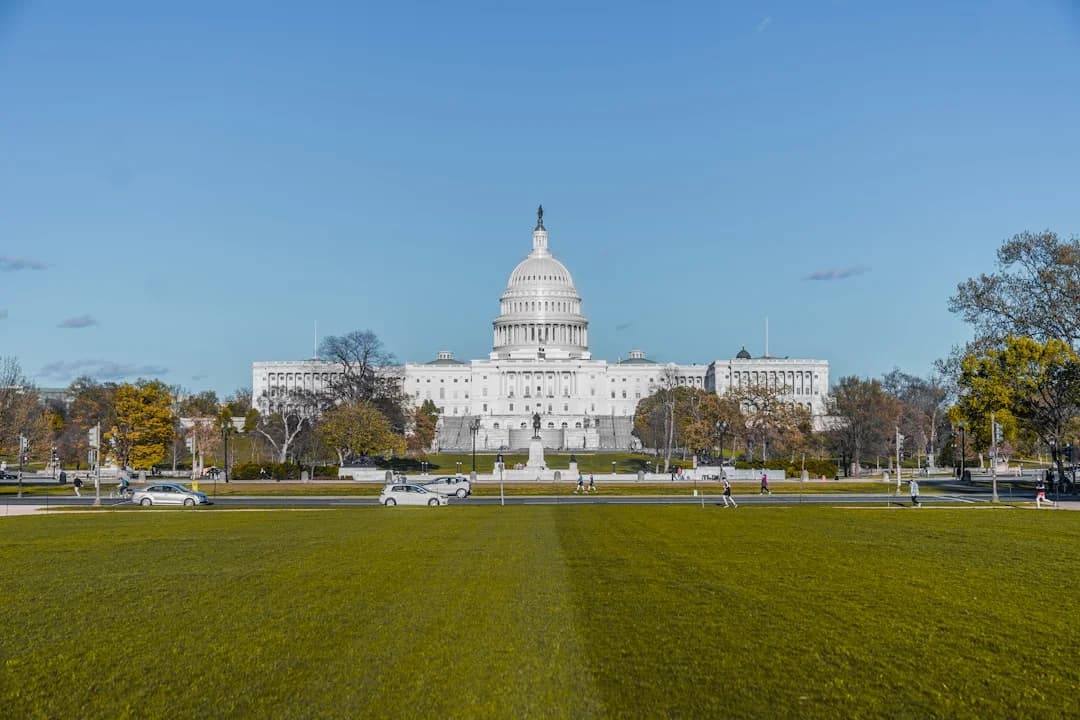
Photo by Ryan Kosmides on Unsplash
The District of Columbia today sits at a crossroads of green building policy and rooftop infrastructure, as 2026 regulatory actions shape what comes next for green roofs, energy standards, and the broader urban sustainability agenda. While there is no single, explicit “DC green roof mandate expansion 2026” proclamation announced in isolation, the capital's ongoing shift toward net-zero energy standards and stricter high-performance building requirements is accelerating conversations about rooftop green infrastructure as a core element of climate resilience, stormwater management, and energy efficiency. Public officials and industry stakeholders are watching how emergency and permanent measures unfolding in 2026 could tilt the economics, permitting timelines, and market demand for green roofs among commercial, multi-family, and public-sector properties. This article provides a data-driven look at what happened, why it matters, and what’s next for readers across planning, development, and facilities management in the District. (code.dccouncil.gov)
The policy environment around DC’s green building requirements has been evolving for years, with 2022 marking a turning point through two major acts: the Clean Energy DC Building Code Amendment Act (which set net-zero energy standards for new construction and substantial changes to certain buildings) and the Greener Government Buildings Amendment Act (which expanded net-zero energy requirements to District-owned or financed projects). These acts are the backbone for today’s conversations about rooftop infrastructure, including green roofs, and they set the timeline for the District’s ambition to reach NZE (net-zero energy) standards by the mid- to late-2020s. The Green Building Act of 2006 remains the baseline framework that districts green building policies build upon, with subsequent amendments shaping the path to NZE for public and private projects alike. (code.dccouncil.gov)
Opening
The District’s regulatory apparatus is now operating under a new, time-bound set of amendments designed to accelerate net-zero energy performance and energy-efficient construction. On February 3, 2026, the DC Council passed the Net Zero Modification and Preservation Emergency Amendment Act of 2026 (GB Act emergency measures), which became effective March 6, 2026. This emergency legislation modifies, on a temporary basis, the Green Building Act of 2006 to adjust net-zero energy compliance for a subset of projects, while also clarifying the pace and scope of NZE requirements for nonresidential developments. It introduces a transitional framework for projects with permits submitted before October 1, 2024, creating a defined window during which certain NZE obligations do not apply under the emergency regime. The act is designed to ensure that emergency energy standards are manageable in the short term while still preserving the District’s longer-term climate objectives. The emergency status means the legislature intended to act quickly to address shifting market realities and construction schedules, while providing a mechanism for monitoring and adjustment. This is a key signal for developers and building operators who planned renovations or additions in 2026, as it shapes timing, expectations, and compliance costs. (code.dccouncil.gov)
Meanwhile, the broader context remains anchored in a 2022 package of laws that aim to push DC toward NZE by 2026 for new construction and substantial improvements of covered buildings. The Clean Energy DC Building Code Amendment Act (2022) requires that certain new construction and substantial improvements achieve a net-zero energy standard, with NZE provisions tied to Appendix Z and the District’s energy conservation code framework. The intent is to phase in NZE across commercial and larger residential sectors, setting the stage for a more extensive deployment of high-performance solutions in the built environment. The timeline indicates that final regulations and the associated building code amendments would guide implementation through 2026 and beyond, including the establishment of reporting and governance mechanisms to track progress. (code.dccouncil.gov)
For observers focused on green roofs as a climate-smart mitigation and resilience strategy, the pictured expansion in 2026 is not a stand-alone green roof mandate, but part of a larger shift toward integrated green infrastructure and high-performance building practices. The District has historically used incentive programs to promote green roofs, most notably RiverSmart Rooftops, administered by the Department of Energy & Environment (DOEE) in partnership with a local nonprofit grantee. However, the RiverSmart Rooftops program is no longer active in its original form, and current guidance emphasizes broader green infrastructure and energy performance standards rather than a universal green roof requirement. This context matters for readers assessing the likelihood and timing of any future, explicit DC green roof mandate expansion in 2026 or beyond. (frontdoor.dc.gov)
Section 1: What Happened
1.1 Emergency net-zero energy amendments take effect in 2026
In early 2026, DC enacted a set of emergency amendments aimed at preserving progress toward net-zero energy goals while managing short-term permitting realities. The Net Zero Modification and Preservation Emergency Amendment Act of 2026 (GB Act emergency) modifies the Green Building Act’s net-zero energy compliance rules for certain projects and introduces transitional provisions tied to permit timing. The act takes effect on March 6, 2026, and remains in effect for a limited emergency period, with sections that address the scope of NZE compliance for existing and new projects, as well as transitional clauses for projects that predate the emergency measure. The emergency act explicitly references the possibility that a project submitted for permits before October 1, 2024, may benefit from a defined transition, which is critical for developers planning Level 2 vs. Level 3 alterations and the NZE track under the current framework. These provisions reflect a balancing act between aggressive decarbonization timelines and practical permitting realities in a busy urban market. (code.dccouncil.gov)
This emergency amendment sits within a broader policy trajectory that includes the 2022 Clean Energy DC Building Code Amendment Act. That act requires NZE performance for new construction and substantial improvements to covered buildings, with the Mayor directed to issue final regulations by the end of 2026. The goal is to push District-wide NZE implementation forward, leveraging Appendix Z and related provisions of the DC Building Code to codify energy performance expectations for commercial and tall residential buildings. The 2022 act serves as the policy anchor for the 2026-24 timeline and provides a framework within which the emergency provisions operate. The relationship between these laws matters for understanding how a potential “expansion” of green roof requirements would fit into the energy performance equation going forward. (code.dccouncil.gov)
Key details to note from the emergency act:
- The act introduces NZE-related amendments to the Green Building Act and to the Green Building Act’s enforcement framework, with explicit references to net-zero energy compliance standards and the ability to adjust those standards in emergency fashion. This is especially relevant for commercial and large-scale projects subject to the Green Building Act. (code.dccouncil.gov)
- It also includes a provisional path for certain projects submitted before October 1, 2024, to navigate the transition without immediate full NZE compliance, reflecting a pragmatic approach to permit timing and construction schedules. (code.dccouncil.gov)
1.2 NZE trajectories under the 2022 Act and Appendix Z
The DC building code amendments enacted in 2022 set a long-range timetable for NZE across new construction and substantial improvements, with the expectation that the District will adopt an NZE building code by 2026 for covered projects. The 2022 legislation is anchored by the Clean Energy DC Building Code Amendment Act and the Green Building Act (as amended by the GGBA). The final regulations to implement NZE requirements by 2026 were anticipated to provide the legal scaffolding for BEPS-like programs (Building Energy Performance Standards) and the broader shift toward fossil-fuel-free construction in the District. While emergency actions in 2026 adjust certain transitional obligations, the underlying 2022 framework continues to influence how rooftop and building-scale strategies—such as green roofs and other green infrastructure—are weighed in the permitting and design process. (code.dccouncil.gov)
The district’s green building governance continues to be overseen by the Green Building Advisory Council (GBAC), which reviews and issues guidance on compliance, exemptions, and the interplay between the Green Building Act and the GGBA amendments. GBAC serves as a key forum for industry stakeholders to understand how NZE rules apply to projects and what exemptions may be granted in specific cases. The council’s work also helps inform decisions around the potential expansion of green roof requirements as part of the energy performance equation. (doee.dc.gov)
1.3 Oversight and background: Green Building Act, NZE standards, and existing incentives
Beyond the 2022 and 2026 dynamic, DC’s green building framework rests on the Green Building Act of 2006, together with implementing building codes and annual updates to codify performance standards. The act forms the baseline for today’s energy and rooftop-related policies, while the NZE provisions, as codified in the 2022 amendments and the 2026 emergency changes, define the energy performance expectations for new and renovated buildings. The Green Building Act and the Green Building Fund are instruments used to fund and finance compliance work, though the specific funding mix and schedules have evolved over time. For readers interested in the governance, the Green Building Advisory Council and the DC building codes under Appendix Z provide the most direct sources of procedural guidance and compliance expectations. (doee.dc.gov)
In practice, the District has used incentives and pilots to encourage green roofs as part of broader green infrastructure strategies. The RiverSmart Rooftops program served as a notable example of a direct green roof incentive, offering a rebate of $15 per square foot up to the project cost to residential, commercial, and community properties in eligible blue-area blocks. Although the RiverSmart Rooftops program has since closed in its original form, the program’s existence demonstrates the market’s responsiveness to rooftop green infrastructure and highlights the ongoing gap between incentive programs and mandatory requirements. For readers, this history matters because it shows how public support for roof-based green infrastructure has evolved in DC and how future expansions might be structured—whether as mandates, tax incentives, or grant-based programs. RiverSmart Rooftops provides a concrete data point: the district has invested in rooftop green infrastructure in the past, but program design and availability can change with budget cycles and policy priorities. (frontdoor.dc.gov)
Section 2: Why It Matters
2.1 Implications for developers, owners, and investors

Photo by Vlad Tchompalov on Unsplash
The 2026 emergency and the ongoing NZE framework have tangible implications for developers and building owners. NZE requirements drive considerations such as energy efficiency design, on-site renewable generation, and the potential need for grid interconnection or backup energy solutions. The emergency act’s adjustments for certain projects and the ongoing requirement for NZE for new construction signal that developers must plan for a higher upfront cost envelope, even as the District continues to refine the path to compliance. The fiscal impact of these policy shifts is a live consideration in project budgeting, procurement, and risk assessment. The emergency amendment includes a fiscal note, underscoring that decisions about design and schedule will ultimately involve trade-offs among cost, schedule, and energy performance. While the emergency act provides temporary relief for certain projects, the longer-term trajectory remains firmly oriented toward NZE and high-performance construction. (code.dccouncil.gov)
From a market perspective, this creates a two-track environment: some projects will push to align early with the 2022 NZE framework and be well positioned for future incentives and code interpretations, while others may proceed under transitional rules that allow more flexibility in the near term. In practice, property owners may weigh the value of green roofs and other green infrastructure as part of a holistic approach to energy efficiency, stormwater management, and long-term operating costs. DC’s building code and energy policies suggest a continued emphasis on resilient roofing strategies, but the size and structure of incentives will determine how quickly the market adjusts to more rooftop-based installations. (code.dccouncil.gov)
2.2 Implications for the DC green roof market and stormwater programs
Green roofs have historically been tied to DC’s stormwater management goals and its broader environmental objectives. The RiverSmart Rooftops program, which offered $15 per square foot rebates for green roofs in eligible areas, illustrates how rooftop green infrastructure has been cultivated as a policy instrument. With the RiverSmart Rooftops program now closed, the District’s incentive landscape has shifted, potentially reducing direct, targeted support for new green roof projects in the near term. The absence of an ongoing, District-administered green roof rebate program means developers and owners may need to rely more on energy-related incentives, private financing, or other stormwater credits to justify rooftop installation. This is an important factor when evaluating the business case for expanding green roofs in the context of NZE compliance and evolving code requirements. The broader stormwater and green infrastructure framework remains active through DOEE guidance on green roofs and related resources, but the explicit, monetized incentives are no longer available through RiverSmart Rooftops as before. (frontdoor.dc.gov)
In the longer run, the District’s climate and energy strategy—anchored by NZE by 2026 and by BEPS-like programs—could indirectly influence rooftop decisions. For example, the district’s BEPS framework and NZE trajectory may promote rooftop energy strategies and integrated rooftop ecosystems that pair energy efficiency with stormwater management. This alignment could incentivize architects and building owners to consider green roofs as a component of meeting energy and environmental targets, even if a standalone green roof mandate is not in place. DC’s official guidance on Green Building Act exemptions and GBAC-advised interpretations will be critical for industry players as they navigate the evolving landscape. (doee.dc.gov)
2.3 The policy horizon: BEPS, NZE, and the role of climate commitments
Beyond the code text, DC’s climate and energy plans emphasize a broader shift toward building decarbonization and energy performance. The BEPS approach—Building Energy Performance Standards—has been a focal point of the District’s policy, and the 2022 amendments laid groundwork for implementing NZE standards through regulation. The 2026 emergency changes indicate a willingness to adjust the path as projects advance, test regulatory clarity, and ensure that the market can respond to a changing policy tempo. For stakeholders, this means that rooftop decisions should consider not just the current code text but also the likely direction of official guidance, guidance for designers and developers, and the types of documentation and testing that will be required to demonstrate NZE compliance over time. The White House and other DC planning authorities emphasize that DC’s long-range plan is to reach aggressive climate and energy goals, and these code amendments are the operational mechanism to reach those targets. (code.dccouncil.gov)
Section 3: What’s Next
3.1 Timeline and next steps for policy and code updates
Looking ahead, the District’s NZE plan hinges on the regulatory timetable set by the 2022 Clean Energy DC Building Code Amendment Act and the ongoing GBAC oversight. The 2022 act requires the Mayor to issue final regulations by 2026; those regulations will define the precise standards and enforcement mechanisms for NZE across covered buildings and may influence future rooftop strategies as part of the energy performance mix. The emergency 2026 amendment complements this by providing a short-term adjustment mechanism to NZE compliance in response to market realities, while preserving the longer-term objective of net-zero energy-ready building stock. The net effect for readers is that 2026 remains a year of significant transition, with compliance expectations likely to tighten over time and with opportunities for rooftop strategies to align with energy and weather resilience goals. For those tracking the policy, key sources include the Green Building Act, the GGBA amendments, and the GBAC’s ongoing guidance and exemption processes. (code.dccouncil.gov)
3.2 What to watch for in the months ahead
- Regulatory finalization and technical guidance: The Mayor’s final regulations implementing NZE standards for the 2022 Act will shape how rooftop strategies, including green roofs, are treated within NZE compliance. GBAC’s submission timelines and exemption processes will remain a focal point for developers seeking clarity on applicability and potential exemptions. (code.dccouncil.gov)
- Permit and project timing windows: The emergency act’s explicit transition provisions for permits submitted before October 1, 2024, create a moving target for some projects. Developers will want to confirm their project’s eligibility and the applicable energy requirements with DOB and GBAC staff as planning proceeds into 2026 and beyond. (code.dccouncil.gov)
- Market signals on rooftop infrastructure: Even without a formal “green roof mandate expansion” in 2026, a policy environment that emphasizes NZE, energy performance, and climate resilience can sustain demand for rooftop green infrastructure, especially as buildings chase energy credits and stormwater performance. Industry groups and contractors should monitor the Green Building Advisory Council’s guidance, and developers should keep an eye on DC Water and stormwater credit programs, which can influence rooftop adoption. (doee.dc.gov)
Closing
DC’s 2026 policy moment is less about a single, explicit expansion of a green roof mandate and more about a shifting regulatory frame that increasingly pairs rooftop infrastructure with energy performance and climate resilience. The emergency Net Zero Modification and Preservation Act of 2026 signals a willingness to adjust NZE obligations in the face of market realities while preserving the District’s ambition for net-zero energy building stock. At the same time, the 2022 Clean Energy DC Building Code Amendment Act provides the longer-range anchor for what NZE compliance will look like for new construction and substantial improvements, and GBAC remains the primary forum for guiding policy interpretation and exemptions. For readers in the District’s planning, development, and facilities management communities, the coming months will be pivotal as final regulations, guidance documents, and exemption processes take shape and as project pipelines adapt to a more stringent but clearer energy performance framework.

Photo by Far Chinberdiev on Unsplash
The market is watching carefully. Rooftop green infrastructure continues to be a tool for stormwater management and energy efficiency, even as direct subsidies like RiverSmart Rooftops have evolved or concluded. The combination of NZE by 2026 obligations, the emergency tweaks in 2026, and the ongoing GBAC oversight creates a complex but navigable landscape for property owners who want to align with DC’s climate goals while preserving project timelines and budget. As DC moves toward its climate and energy targets, the public and private sectors will gain a clearer sense of how rooftop strategies, including green roofs, fit into the city’s evolving emphasis on high-performance buildings, net-zero energy, and resilient urban infrastructure. Readers should stay tuned to updates from GBAC, the Department of Buildings (DOB), the Department of Energy & Environment (DOEE), and planning officials as the 2026 regulatory environment continues to unfold and as the DC green roof mandate expansion conversation—policymakers, markets, and communities alike—continues to evolve in real time. (code.dccouncil.gov)
To stay updated, consult the GBAC page for notices and meeting information, the Green Building in the District overview, and the Green Building Act exemption guidelines, which collectively provide the official schedule, submission windows, and guidance documents that shape how DC green building policies evolve through 2026 and beyond. (doee.dc.gov)