DC Boutique Hotel Boom 2026: Trends and Impacts

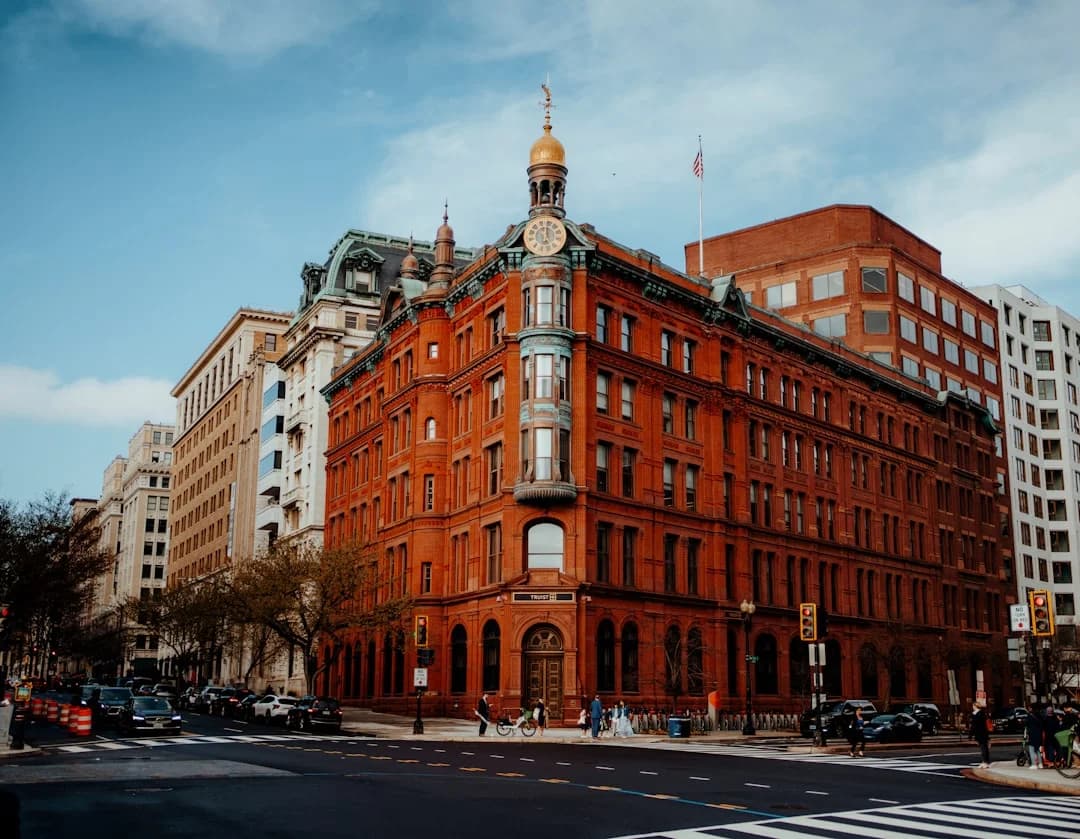
Photo by Dima DallAcqua on Unsplash
Washington, DC is entering a new chapter for intimate, design-focused stays as 2026 unfolds. The District’s boutique hotel scene is expanding beyond traditional downtown lodgings, driven by adaptive reuse of historic buildings, a wave of openings in Dupont Circle and Shaw, and a broader push to blend tech-enabled guest experiences with locally rooted design. Observers say the DC boutique hotel boom 2026 is not just about more rooms; it’s about a recalibration of what guests expect from a city stay—personalized service, neighborhood immersion, and smarter, more sustainable operations. Early 2026 data and recent openings point toward a market reshaped by a mix of conversions, new builds, and strategic partnerships that aim to balance luxury, accessibility, and local flavor. (wdcep.com)
In this data-driven moment, stakeholders emphasize that the DC boutique hotel boom 2026 is anchored in measurable activity. The Washington DC Economic Partnership’s 2025/2026 Development Report highlights notable conversion momentum and hotel development across the downtown core, underscoring how mixed-use redevelopment is redefining where guests stay and how they experience the city. The report notes more than 3,330 residential units and 264 hotel rooms delivered through recent conversions, with another wave of incentives and approvals shaping future projects. These numbers reflect a broader trend toward repurposing underused properties—office-to-residential, hotel-to-residential, and mixed-use infill—that align with Downtown DC’s evolving economic and urban strategy. (wdcep.com)
Industry observers also point to concrete openings and announcements that signal momentum in 2025–2026. Dupont Circle, a long-time hub for boutique lodging, welcomed Sixty DC in 2025, a property that quickly became a touchstone for the neighborhood’s adaptive-reuse wave and its emphasis on design-forward comfort. Local business groups cataloged the Gryphon site’s transformation into Sixty DC as a milestone in the district’s ongoing shift from a strictly corporate downtown to a mixed-use, live-work-play environment. By late 2025, Sixty DC’s footprint and new energy-efficient focus were highlighted in regional press and industry briefs. In Shaw, Realm Rooftop Bar & Lounge opened atop the Hyatt House in late October 2025, adding a high-design, Seychelles-inspired dining and nightlife experience that also enhances the neighborhood’s boutique appeal. Together, these openings illustrate a rapid expansion of the boutique segment in the nation’s capital. (bizjournals.com)
Opening waves aren’t happening in isolation. The district’s overall hotel performance has faced pressures in early 2026, with industry trackers noting a broader pause in hotel performance across the DC region since early 2025. While the boutique space shows promise in terms of new rooms and distinct guest experiences, market data from CoStar and other industry sources indicate that regional performance remains challenging, underscoring the need for operators to balance innovation with efficiency and smart pricing. The juxtaposition of new boutique projects and ongoing market softness highlights a nuanced picture: the DC boutique hotel boom 2026 is real, but it operates within a broader, uneven market climate that rewards adaptive management and differentiating guest experiences. (costar.com)
Section 1: What Happened
Recent openings and neighborhood shifts
Dupont Circle’s front-row seat to boutique growth

Dupont Circle stands at the center of the district’s boutique surge. The arrival of Sixty DC in 2025—developed as a modern, energy-efficient property in the former Gryphon space—became a defining moment for the neighborhood’s transformation from a traditional hotel corridor to a more vibrant, mixed-use district. Industry observers and local press noted the project’s scale and design-forward approach as indicators of how Dupont is redefining itself as a destination for both locals and visitors. The ribbon-cutting and subsequent opening activities underscored Dupont’s role as a proving ground for the DC boutique hotel boom 2026. (bizjournals.com)
Realm Rooftop Bar & Lounge, a Seychelles-inspired concept atop the Shaw-area Hyatt House, opened on October 30, 2025, adding a high-profile hospitality anchor to the neighborhood’s boutique mix. The venue brings a distinctive culinary and beverage program to a key transit-connected neighborhood, helping Shaw compete with more established boutique corridors. Coverage from Washington outlets and industry news confirmed the opening date and the concept’s emphasis on skyline views, chef-driven plates, and a social, venue-led experience. The project complements other Shaw developments and signals a broader shift toward rooftop-centric and experiential offerings in DC’s boutique segment. (lindarothpr.com)
Adaptive reuse and the Golden Triangle momentum
Beyond Dupont and Shaw, the downtown core—especially the Golden Triangle—has continued its decade-long evolution from office and retail use to mixed use that includes boutique hotel components. A number of projects illustrate this trend, with notable hotel components integrated into adaptive reuse plays and large-scale redevelopment. Local BID communications and industry coverage highlighted the ongoing pipeline of conversions and new hotel projects in downtown districts, reinforcing the notion that 2026 will be a year when the city’s core becomes even more hospitable to boutique brands seeking proximity to museums, government offices, and a robust dining and entertainment scene. (goldentriangledc.com)
The Beacon’s reentry and 2026 horizon
In Dupont Circle, The Beacon is positioned as a forthcoming boutique hotel experience, with public-facing messaging indicating a Summer 2026 reintroduction. The property’s plan to re-enter the market as a refreshed boutique option adds to the sense that the DC boutique hotel boom 2026 is supported by deliberate branding and repositioning efforts in mature neighborhoods. While specifics on operational details remain pending, the property’s official page and local industry chatter confirm the timeline. (thebeaconhoteldc.com)
Key timing and numbers shaping the year
Snapshot of a bustling 2025–2026 window
The district’s official redevelopment data, combined with credible press coverage, shows a clear timing pattern: 2025 delivered new boutique properties and significant adaptive-reuse projects; 2026 is consolidating that momentum with a mix of openings, openings-of-openings (pilots or soft launches), and planned re-entries into the market. The WDCEP Development Report’s 2025/2026 edition, released in April 2026, details the scale of redevelopment activity and its implications for occupancy, visitation, and local employment, all of which influence how the boutique segment performs in a competitive market. The report’s emphasis on conversion momentum—plus incentives tied to downtown housing and office-to-residential projects—helps explain how DC’s boutique players are positioned for the medium term. (wdcep.com)
The broader boutique market context
National and global market perspectives on boutique hotels reinforce that DC’s local trend is part of a wider industry arc. Market analyses published in early 2026 depict boutique properties as continuing to outperform midscale peers in terms of guest appeal and market differentiation, even as macroheadwinds persist. A recent industry overview notes that luxury and boutique segments are increasingly prioritizing guest personalization, sustainability, and localized design—factors that align with DC’s own emphasis on context-rich properties in walkable neighborhoods. While these sources offer a broader frame, DC-specific data remains the strongest signal for local policy and business decision-making. (globenewswire.com)
What happened, in brief
In short, the DC boutique hotel boom 2026 is anchored by a set of concrete developments: new boutique openings (Sixty DC in Dupont Circle in 2025), a high-design rooftop venue (Realm in Shaw opened Oct 2025), ongoing adaptive reuse in the Golden Triangle that expands boutique capacity, and a confirmed reentry in Dupont Circle with The Beacon slated for Summer 2026. These movements are complemented by data-driven redevelopment metrics that signal how the city is repurposing real estate to support a more diverse, design-forward lodging ecosystem. (bizjournals.com)

Section 2: Why It Matters
Economic and market implications
Hotel supply growth and neighborhood dynamics

The DC Development Report underscores a broader supply shift that matters for the DC boutique hotel boom 2026. As more properties convert or are newly designed as boutique experiences, Downtown DC’s hotel mix becomes more varied in terms of style, price points, and guest demographics. This diversification can help stabilize occupancy during market cycles, but it also raises competition for prime locations and prime dates. In the short term, the influx of boutique rooms, particularly in well-trafficked corridors like Dupont Circle and Shaw, could pressure rate discipline; in the longer term, it could lift average daily rate by elevating the city’s overall appeal as a boutique destination. (wdcep.com)
Neighborhood value and urban outcomes
The ongoing transformation of downtown DC — driven by adaptive reuse from offices to residences and life-style amenities — has become a defining urban narrative. Industry briefings and district-level updates point to increased foot traffic, more diverse dining and cultural offerings, and enhanced visitor experiences that accompany boutique lodging. This trend aligns with DC’s broader policy aims to optimize land use and maximize the economic return of downtown narratives, which benefits both hoteliers and adjacent businesses. The Golden Triangle’s continued momentum—driven by new lodging that complements existing offices and cultural venues—illustrates how a well-curated boutique strategy can contribute to district vitality. (goldentriangledc.com)
Sector-wide context and performance signals
The boutique hotel segment, while facing some headwinds in 2026, remains a focal point for developers seeking distinctive experiences that command premium pricing. A 2026 boutique-hotel market outlook notes that personalization, guest-data-driven service, and operational efficiency are central to competitiveness. In the U.S. market context, boutique hotels have continued to attract traveler segments seeking immersive experiences, even as the broader hotel market experiences volatility. For Washington, DC, this translates into a need for operators to balance unique design and local flavor with pragmatic revenue management and cost controls. (globenewswire.com)
Who is affected and what it means for readers
Travelers and residents
For visitors, the 2026 boutique surge translates into more options in walkable neighborhoods with distinctive design, intimate service, and curated dining and nightlife experiences. For residents, the boutique hotel boom may boost neighborhood vitality but could also alter street-level dynamics, traffic patterns, and storefront activity. In practical terms, readers might see more neighborhood-focused promotions, targeted events, and partnerships between hotels and local cultural institutions. The net effect is a DC visitor economy that is more diverse and more neighborhood-centered, which aligns with a data-driven, place-based approach to urban hospitality. (dc.eater.com)
Businesses and policy considerations
Local businesses, developers, and city planners are watching how boutique hotels attract labor, visitors, and ancillary spending. The WDCEP report’s conversion numbers and incentives suggest policy levers that could either accelerate or temper development activity. Stakeholders may look for clear guidance on permitting timelines, incentives for energy efficiency and sustainability, and alignment with neighborhood plans to ensure that boutique expansion supports overall urban health. The policy context matters because it shapes project timelines, financing structures, and the likelihood of successful long-term operations for new boutique properties. (wdcep.com)
Technology and guest experience trends
Tech-enabled hospitality and design-forward standards
A notable dimension of the DC boutique hotel boom 2026 is the integration of technology to elevate guest comfort and operational efficiency. Properties like Eaton DC—though not a new opening in 2026—underscore a trend toward combining boutique hospitality with coworking and flexible space solutions, appealing to remote workers and blended-use guests. This tech-enabled, mixed-use approach is increasingly common in boutique projects that aim to differentiate through flexible spaces, robust connectivity, and digitally enhanced guest services. (eatonworkshop.com)
Rooftop experiences and destination dining
Realm’s opening adds a layer of experiential technology and design to the DC boutique mix, with a rooftop that doubles as a social hub and a stage for events. The combination of creative culinary programming and panoramic views aligns with a broader industry emphasis on event-driven guest experiences. These elements are not only about dining; they’re about creating a multi-sensory destination that encourages longer stays and repeat visits, especially in a market where guests increasingly value social and cultural experiences near their lodging. (lindarothpr.com)
Sustainability and energy efficiency
Sustainability has become a competitive differentiator in the boutique space. Sixty DC’s energy-efficient design and financing through local programs underscore how sustainability criteria intersect with hotel branding and investment. The use of green financing and energy performance targets is now part of the value proposition for boutique hotels seeking to attract eco-conscious travelers and municipal incentives alike. This aligns with broader market data showing a growing emphasis on sustainable operations within the boutique segment. (dcgreenbank.com)
The bigger picture: DC as a boutique hotel lab
DC’s boutique hotel boom 2026 is not simply about more beds; it’s about a coordinated urban strategy that leverages historic assets, adaptive reuse, and neighborhood-scale experiences. The emergence of properties like Sixty DC and Realm, plus ongoing efforts in the Golden Triangle and beyond, positions DC as a living lab for boutique hospitality in a major U.S. city. It also places a premium on data-driven decision making—from financing and incentives to occupancy management and guest engagement strategies. As the district continues to publish and refine its development trajectory, readers can expect more precise performance data to emerge in annual dashboards and quarterly market updates. (wdcep.com)
Section 3: What’s Next
Timeline and upcoming milestones
2026 and beyond: confirmed dates and anticipated openings
- The Beacon Dupont Circle: Summer 2026 reintroduction as a refreshed boutique property, adding to Dupont’s boutique cluster and offering a new guest experience in one of DC’s best-known neighborhoods. This timeline is reflected on the Beacon’s official communications. (thebeaconhoteldc.com)
- Continued adaptive reuse and hotel-integration projects in the Golden Triangle and central downtown: The ongoing pipeline includes conversions and new-builds that align with the district’s planning and incentive programs. Industry coverage and BID updates highlight the continued importance of this corridor to DC’s boutique strategy. (goldentriangledc.com)
- Additional openings and neighborhood activations: While Sixty DC’s May 2025 opening established a template for future projects, 2026 is expected to bring additional boutique entries or rebranded properties anchored by local design partners and sustainability commitments. Market signals and press coverage indicate a steady cadence rather than a single peak, suggesting a longer horizon for boutique-labeled growth in DC. (bizjournals.com)
What to watch in the second half of 2026
- Occupancy and rate trends in the boutique segment: With broader market headwinds persisting, operators will likely emphasize yield management, guest segmentation, and targeted marketing to sustain profitability while maintaining the intimate guest experience that defines boutique hotels. CoStar’s early-2026 market notes highlight ongoing performance challenges in the DC region, making it essential for boutique operators to differentiate through design, service, and city-aligned experiences. (costar.com)
- Neighborhood-led partnerships and cultural programming: The boutique model increasingly relies on collaborations with local venues, cultural institutions, and food-and-beverage partners to deliver a curated guest journey. Realm’s restaurant and lounge partnerships exemplify this approach and foreshadow similar tie-ins at other DC properties in 2026 and beyond. (lindarothpr.com)
- Financing and incentives for sustainable upgrades: The DC Green Bank and related financing programs continue to influence which projects move forward and how quickly they scale. Observers will want to monitor new press releases and public filings for updates on energy-performance targets and green financing milestones tied to boutique developments. (dcgreenbank.com)
Next steps for readers and stakeholders
- For travelers: Expect more neighborhood-driven boutique options with unique design narratives and experiential menus. Booking strategies may shift toward properties that emphasize one-of-a-kind rooftop experiences, curated local partnerships, and flexible spaces that accommodate work and leisure.
- For developers and operators: The DC market encourages boutique concepts that fuse sustainability with distinctive guest experiences, particularly in walkable neighborhoods with strong dining and cultural ecosystems. Aligning with the city’s adaptive-reuse momentum and neighborhood plans will be critical for long-term success.
- For policymakers: The WDCEP data highlight the need to balance development with infrastructure and neighborhood quality of life. Ongoing collaboration with industry stakeholders will be essential to ensure that boutique growth supports broader urban vitality without compromising resident experience or traffic management.
Closing
Washington’s 2026 boutique lodging landscape reflects a deliberate, data-informed evolution of DC’s urban hospitality. The confluence of new boutique openings, adaptive reuse projects, and a policy environment designed to encourage sustainable growth suggests that the DC boutique hotel boom 2026 is more than a trend; it’s a foundational shift in how the city defines guest experiences, neighborhood vitality, and economic resilience. As the year unfolds, readers can expect continued updates on openings, financing, and performance metrics that illuminate the path forward for boutique lodging in the nation’s capital. By staying attuned to neighborhood developments, financing signals, and guest experience innovations, travelers and local stakeholders alike will be better positioned to navigate this dynamic period in Washington’s hospitality economy.