Consolidated Appropriations Act 2026 – DC funding

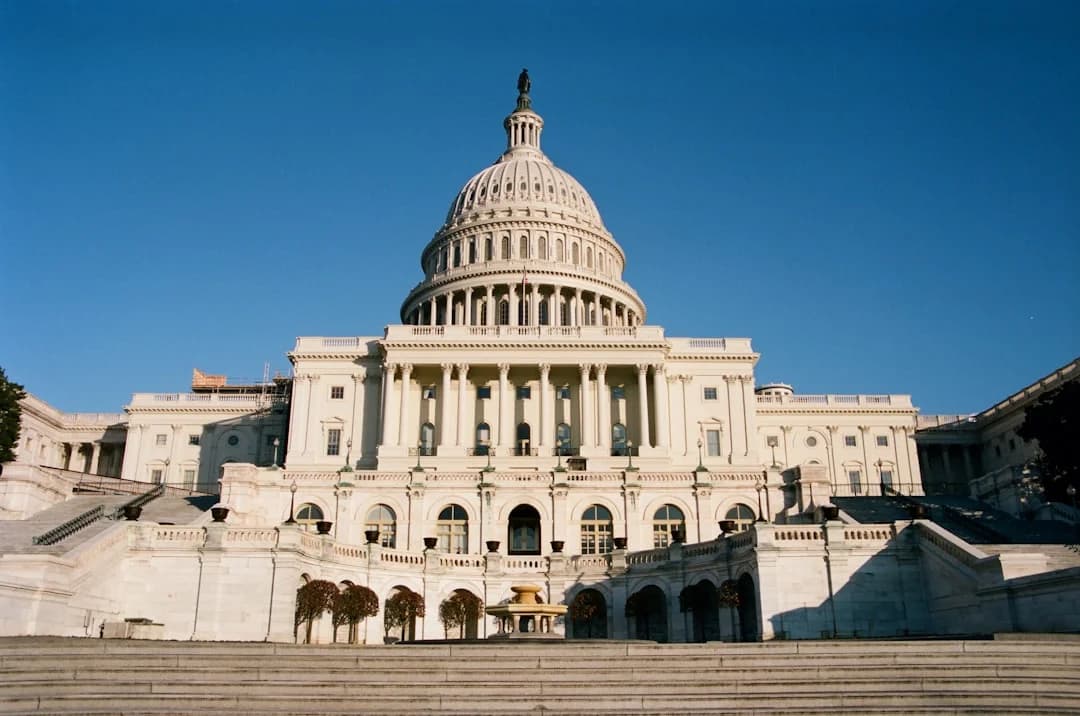
Photo by Chad Stembridge on Unsplash
The District of Columbia Times is delivering a data-driven look at how the Consolidated Appropriations Act 2026 – DC funding will shape Washington, DC’s technology landscape, emergency preparedness, and local market dynamics. On February 3, 2026, Congress completed work on the fiscal year 2026 funding package, and the legislation was signed into law the same day. This development comes as federal activity in the nation’s capital surges for the year’s slate of national events, and it places a specific emphasis on DC’s ability to manage safety, education access, and public infrastructure while aligning with broader national funding priorities. The act’s DC-specific provisions—especially the Emergency Planning and Security Fund and the District’s Tuition Assistance Grant program—are poised to influence technology adoption, public sector modernization, and market opportunities for local tech firms and service providers. The District’s technology ecosystem, which includes cybersecurity firms, government contractors, and civic tech initiatives, stands to be both a beneficiary and a stakeholder as federal funds flow through DC channels to support safety, education, and infrastructure. (mayor.dc.gov)
Early this year, DC officials and national lawmakers signaled a shared planning horizon for fiscal year 2026 that centers DC’s ability to operate with greater resilience amid a busy year for federal activity in the capital. The House Appropriations Committee publicly framed the Consolidated Appropriations Act, 2026 as a bipartisan, bicameral effort designed to deliver full-year funding across all 12 FY26 bills, including the Financial Services and General Government (FSGG) title that encompasses DC-related federal payments and services. In this context, the DC-appropriate elements of the package—while part of a larger national budget—carry direct implications for emergency planning, security costs, and higher education funding in the District. The Committee’s January 19, 2026 release underscored the act’s role in advancing complete FY26 funding and highlighted investments intended to support DC’s capacity to serve federal partners while sustaining local public goods. (appropriations.house.gov)
In a broader backdrop, the act’s passage and signing also carry signals for transportation funding, urban mobility, and the technology tools needed to manage large-scale public safety and transit projects in a capital city accustomed to high-profile events and federal activity. The U.S. Senate Committee on Appropriations summarized the package’s structure in a February 3, 2026 release, noting the bill’s support for court security, disaster response, and other core government functions, in addition to the District of Columbia’s own federal payments related to education and security. The act’s transit-related components, delivered under the THUD title, reflect a multi-year approach to upgrading transit infrastructure and project delivery that have meaningful implications for local planners, technology vendors, and urban mobility startups. The act was signed into law on February 3, 2026, marking a milestone in this year’s capital-market and government-tech cycle. (appropriations.senate.gov)
Section 1: What Happened
Enactment and status timeline
- The Consolidated Appropriations Act 2026 is the culmination of bipartisan negotiations that advanced through the House and Senate in January 2026 and was signed into law on February 3, 2026. The House’s formal release about a week earlier – January 19, 2026 – framed the act as the finishing step to complete all FY26 appropriations, with detailed sections across the major funding titles, including Defense, Homeland, LHHS, and THUD, and with an emphasis on emergency preparedness and security. This timeline reflects the administration’s push to finalize funding before the year’s critical federal activities in DC ramp up. (appropriations.house.gov)
- The Senate’s February 3, 2026 press release confirms that Congress approved the FY 2026 Financial Services and General Government appropriations bill, delivering targeted investments and setting the stage for enactment. It also notes a lump-sum, national view of the discretionary funding tied to DC-related federal payments and services, which will be administered in part through the District’s own budget and programs. In short, the act represents a formal, year-long funding package that blends national priorities with district-specific appropriations. The signing into law occurred on February 3, 2026. (appropriations.senate.gov)
Key DC allocations and their precise details
- Emergency Planning and Security Fund: The District is set to receive $90 million for the Emergency Planning and Security Fund as part of the FY 2026 Financial Services and General Government Appropriations Bill. This allocation is designed to enhance DC’s ability to coordinate with federal partners, bolster public-safety infrastructure, and maintain the safety of high-traffic federal sites during a year notable for national commemorations and presidential-related events. Mayor Bowser publicly welcomed this provision, emphasizing its role in keeping streets and public spaces safe as federal activity increases. The figure of $90 million is directly cited in the mayor’s January 12, 2026 statement. (mayor.dc.gov)
- DC Tuition Assistance Grant (DCTAG) funding and education uplift: The same package maintains $40 million for DCTAG and includes a significant uplift in grant support, increasing the maximum annual award from $10,000 to $15,000 and raising the lifetime cap from $50,000 to $75,000. This education-oriented provision is designed to expand access to postsecondary opportunities for DC residents and to help address rising costs of higher education, which has long been a key policy objective for local leaders and advocates. Mayor Bowser highlighted these changes in her January 12, 2026 statement, noting both the continued program funding and the enhanced grant amounts and caps. (mayor.dc.gov)
- District of Columbia federal payments and education/security funding: The Senate’s FY 2026 FSGG highlights also show direct federal payments to DC that help finance the district’s courts, defender services, and related supports, underscoring the broader financial relationship between the federal government and DC’s public services. The act designates a total level of funding for DC’s operations and security, illustrating how federal appropriations are wired to the district’s most critical public services. The Senate’s line-item summary includes figures such as “Federal Payment for Emergency Planning and Security Costs: $90 million” and related education funding lines in DC. (appropriations.senate.gov)
- Transit, infrastructure, and technology implications: The act’s transport-related components—under the THUD umbrella—provide substantial funding for transit formula grants, investment grants, and related programs that influence DC’s mobility and urban-tech ecosystem. Mass transit coverage from the act notes roughly $21 billion for public transit nationwide and $14.6 billion in FTA formula grants, with additional allocations for capital investment grants and related initiatives. For the District, these funds can enable technology-enabled transit improvements, smarter infrastructure, and modernized facilities, all of which create demand for local technology providers, cybersecurity vendors, and data analytics services. The Mass Transit piece confirms the act’s transit funding and the signing date, which aligns with the federal-government-to-DC funding pipeline. (masstransitmag.com)
What happened, in plain terms, is that Congress assembled a comprehensive FY26 funding package, allocated DC-specific resources for emergency planning and higher education, and cleared the way for transit and infrastructure investments to flow through the District. The act’s passing and signing signal a coordinated federal effort to stabilize funding for essential services while enabling DC to pursue modernization and growth in technology-driven sectors. The official announcements from House and Senate appropriations committees, and the DC mayor’s office, provide the primary, verifiable points of reference for these events and numbers. (appropriations.house.gov)
Section 2: Why It Matters
Public safety and emergency preparedness in DC
- The most immediate DC-specific impact of the Consolidated Appropriations Act 2026 – DC funding is the boost to the Emergency Planning and Security Fund with a $90 million allocation. In a year marked by large-scale events and yearlong observances in Washington, the availability of dedicated funding to these readiness activities matters for city operations, first responders, and the coordination framework across federal, local, and contract-security entities. DC officials have framed this investment as essential to maintaining safety in the face of increased federal activity and public gatherings. The precise amount and purpose are documented in the mayor’s January 12, 2026 statement and echoed in the Senate’s subsequent authorization details. (mayor.dc.gov)
- The security and emergency-readiness focus comes at a moment when DC’s public-safety and infrastructure modernization agendas are closely aligned with federal priorities. As the capital hosts high-profile visits and events connected to the 250th anniversary celebrations, the act’s security funding is positioned to support enhanced surveillance, emergency response readiness, and resilience planning. Analysts and DC policymakers view this as a strategic alignment of federal resources with local capacity-building goals, potentially accelerating the deployment of safety technologies, data-sharing platforms, and interoperable communications—areas where DC’s tech ecosystem already engages with federal partners. While some observers debate the best models for security funding, the DC-specific allocation remains a substantial anchor point for budgeting and capital planning in 2026. (mayor.dc.gov)
Education access and workforce development in DC
- The DCTAG program’s funding and the increases in maximum awards and lifetime caps are central to the act’s social policy dimension for DC. By elevating the annual award to $15,000 and the lifetime cap to $75,000, the act expands the reach and impact of federal assistance for DC students seeking higher education. This matters for the District’s long-run technology and knowledge-economy goals, since a more educated workforce supports higher-skill tech firms, research groups, and innovation infrastructure. Mayor Bowser highlighted these changes as critical steps toward making higher education more affordable and accessible for DC residents. These figures and policy aims are explicitly stated in Bowser’s statement. (mayor.dc.gov)
- In a broader sense, access to higher education feeds into the District’s talent pipeline for its growing tech and innovation sectors. While the DC tech scene features a mix of federal contractors, cybersecurity firms, and startup activity, the availability of more affordable and accessible higher-education options indirectly supports a stronger workforce for local tech employers and public-sector modernization initiatives. National coverage of education funding in FY26 packages further illustrates how Congress is balancing national priorities with district-level needs, including the DCTAG program. (appropriations.senate.gov)
Transit funding, urban mobility, and technology
- The act’s transit funding, including formula grants and capital investment grants, intersects directly with technology-enabled mobility and smart-city initiatives in DC. While the DC-specific transit authorities and agencies will translate federal funds into projects, the broader funding pool signals a continued emphasis on modernized transportation infrastructure, electrification, and project delivery improvements. The Mass Transit article confirms that the act provides significant transit funding and outlines the statutory delivery timeline and rules, underscoring the potential for DC-area technology and engineering firms to participate in nationwide modernization programs. This has implications for local job creation, vendor opportunities, and partnerships between public agencies and tech firms. (masstransitmag.com)
- For DC’s technology and market trends, federal investment in transit and infrastructure is a catalyst for demand in several tech-adjacent spaces: sensors and data platforms for real-time transit operations, cybersecurity solutions for critical infrastructure, and software ecosystems that support mobility-as-a-service, asset management, and predictive maintenance. DC-area startups and established firms focused on transportation tech and urban systems may see increased opportunities to win contracts or collaborate with federal and local authorities as THUD funding flow continues. While the broader national coverage notes the transit funding levels and the law’s signing, the direct impact on DC’s market will depend on how local agencies translate the federal dollars into concrete projects and procurement. (masstransitmag.com)
Technology, markets, and the DC ecosystem in the wake of the act
- The Consolidated Appropriations Act 2026 embodies a broader federal commitment to IT modernization, cybersecurity, public-safety tech, and infrastructure upgrades—areas central to DC’s tech economy and its role as a hub for federal contractors. Industry observers note a growing convergence between defense/industrial policy and regional tech ecosystems, with DC serving as a focal point for both federal procurement and local innovation. Reports and analyses in leading outlets and think tanks discuss how federal IT budgets and industrial policy shape local markets and innovation opportunities, with DC's unique proximity to federal agencies amplifying these effects. This broader context helps explain why DC’s tech firms and researchers watch federal appropriations closely, particularly as they pertain to security, data analytics, and high-skill workforce development. (forbes.com)
- At the same time, there is ongoing public policy debate about the most effective ways to deploy federal dollars to spur innovation and ensure accountability. Observers point to the re-emergence of targeted spending and transparent processes as a potential path to aligning district needs with national priorities, while others warn about efficiency, oversight, and the risk of misalignment with local market conditions. The act’s public-facing milestones—committee disclosures, press releases, and the DC mayor’s remarks—offer a framework for understanding how DC’s technology and market players can engage with the federal funding process, monitor compliance, and plan for the post-signing period. The act’s explicit DC-related provisions provide a concrete basis for such engagement, including the security fund and higher-education funding as anchor points for policy discussions and market activity. (appropriations.house.gov)
What’s Next: The road ahead for DC and technology markets
- Monitoring and implementation timelines: With the act signed into law on February 3, 2026, DC agencies will begin implementing the Emergency Planning and Security Fund and DCTAG provisions as part of the FY26 budget plan. The DC government and federal partners will likely publish implementation milestones, procurement opportunities, and timelines for security-related projects, education grants administration, and related programs. Readers should watch for DC-specific budget amendments, agency solicitations, and updates from the Mayor’s Office and the DC Department of Education as they translate federal appropriations into on-the-ground programs. The official action timeline and allocations were laid out in the January 12, 2026 statement and the February 3, 2026 enactment announcements. (mayor.dc.gov)
- Procurement and contracting dynamics for DC tech and security vendors: The security and emergency-planning investments, combined with the larger THUD transit and infrastructure package, create procurement opportunities for DC-based technology and security firms, system integrators, cybersecurity vendors, and data analytics providers. Local contractors and national firms with DC offices will be evaluating bidding processes, contract vehicles, and partnership opportunities with federal and DC agencies to participate in emergency-response readiness, school-improvement initiatives, and transit modernization. Industry observers and policy analyses emphasize that DC’s proximity to federal procurement ecosystems makes it a likely beneficiary of these funding streams, though success will depend on competitive procurement outcomes, compliance with federal rules, and effective project-management capabilities. (appropriations.senate.gov)
- Long-term market implications for DC’s technology cluster: In the longer term, the act’s emphasis on emergency preparedness, security, and education funding may influence DC’s tech-cluster dynamics by attracting talent, encouraging startups focused on safety-tech and smart-city solutions, and prompting existing firms to scale capabilities related to federal contracting. Local incentives and resources for technology incentives in DC’s ecosystem, as outlined by the DC Department of Small and Local Business Development, may interact with federal funds to accelerate private investment and job growth in cybersecurity, data science, cloud-based services, and digital-government modernization. While these policy levers operate in tandem with the act’s funding, the ultimate market outcomes will hinge on successful implementation, contract awards, and the competitive evolution of DC’s tech landscape in 2026 and beyond. (dslbd.dc.gov)
Section 3: What’s Next
Next steps for DC agencies and stakeholders
- Implementation milestones and reporting: As DC agencies begin to deploy funds from the Emergency Planning and Security Fund and DCTAG-related enhancements, expect a series of reporting updates, progress reviews, and procurement notices. Local officials will likely publish dashboards detailing security investments, grant disbursements, and student-award distributions. Stakeholders should monitor official DC channels, including the Mayor’s Office and the DC Council, for quarterly updates and annual spending disclosures tied to the Consolidated Appropriations Act 2026 – DC funding. The January 12, 2026 mayoral release and the subsequent federal action confirm the focus areas and the political will to move quickly on implementation. (mayor.dc.gov)
- Federal oversight and transparency: The act’s return of consolidated funding to federal and local partners will necessitate ongoing transparency around spending, performance metrics, and program outcomes. Observers may watch for congressional oversight hearings, agency reports, and district-level audits assessing the effectiveness of the Emergency Planning and Security Fund and related investments. Congressional and agency press materials from February 2026 illustrate the broader accountability framework surrounding FY26 appropriations, which will shape how DC vendors and residents experience program execution on the ground. (appropriations.senate.gov)
What readers should watch for now
- Short-term watch items: Immediate procurement notices for emergency-management technology, security systems, and public-safety solutions; updates to DCTAG administration and award disbursement schedules; and district transportation projects that leverage THUD funding. These items will be tracked by local press, DC government updates, and trade outlets as projects move from planning to execution.
- Medium-term watch items: The evolution of DC’s tech talent pipeline as a result of enhanced education funding; new private-sector partnerships formed to bid on federal and DC projects; and the degree to which federal transit funding translates into job growth and new-market opportunities in the DC metro area.
- Long-term watch items: The sustainability of DC’s technology ecosystem amid shifting appropriations cycles and the potential for future reauthorizations to influence ongoing modernization programs. Analysts will assess whether the Consolidated Appropriations Act 2026 – DC funding acts as a stabilizing force for DC’s tech economy or creates near-term competition for scarce federal contracting opportunities.
Closing The Consolidated Appropriations Act 2026 – DC funding marks a pivotal moment for Washington, DC, as it aligns federal funding with local priorities in emergency planning, education, and transport modernization. The $90 million allocation to the Emergency Planning and Security Fund and the DCTAG enhancements are particularly notable for their potential to shape DC’s public-safety posture and access to higher education for residents. At the same time, the act’s broader transit and infrastructure investments create a backdrop of opportunity for technology firms and civic-technology initiatives that aim to connect data, people, and services more efficiently in the nation’s capital. As DC agencies begin implementing these funds, the District’s technology and market ecosystems will be watched closely for how this federal support translates into safer streets, stronger student outcomes, and a more connected, innovative city. For readers seeking ongoing updates, the DC government’s official statements, congressional releases, and trade-press coverage will remain essential sources of real-time information on how this landmark funding package unfolds in 2026 and beyond. (mayor.dc.gov)