No WMATA Electric Potomac Ferry Yet, Despite the Interest
Explore a data-driven analysis of WMATA's all-electric Potomac Ferry and its promising potential impact on sustainable DC transit solutions.
By Julio Sandoval

August 9, 2026
10 minute read
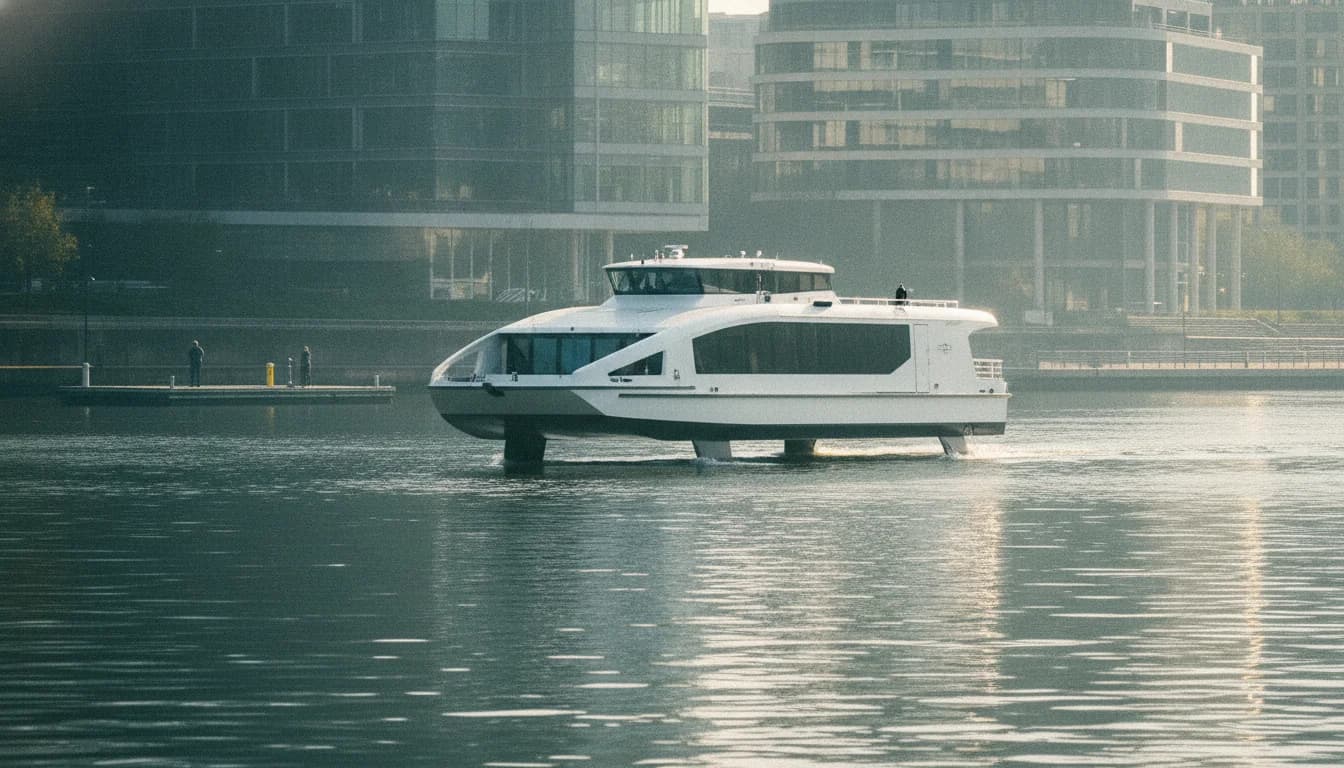
The District of Columbia Times has learned that there is no official WMATA press release confirming a WMATA all-electric Potomac Ferry service as of August 9, 2026. In the broader Washington, DC region, interest in electrified waterborne transit is rising, powered by federal funding opportunities and growing demonstrations of electric ferry technology along the Potomac and nearby waterways. While several players are exploring electric ferries and related infrastructure, WMATA’s published materials to date emphasize electrification of its bus and rail assets, along with related facilities and energy programs. This article provides a data-driven view of where things stand, what could change the outlook, and what readers should watch for in the months ahead.
Public interest in electric ferries around the Potomac River has grown in recent years, helped by high-profile demonstrations and policy incentives designed to decarbonize urban transit. For DC-area readers, this matters because WMATA’s ability to cross the river without emitting pollutants could reshape commuter options, asset utilization, and regional planning. The federal government has signaled ongoing support for electric and low-emitting ferry projects through funding opportunities that invite local and state applicants to modernize ferry fleets and terminals. The timing and scope of any WMATA all-electric Potomac Ferry project, however, remain contingent on a formal decision from WMATA leadership and securing the necessary funding and environmental reviews. These dynamics are essential for readers to understand as the region contends with climate goals, budget pressures, and the evolving economics of fast, low-emission water transit. As readers will see, the issue sits at the intersection of technology, finance, and public policy.
Section 1: What Happened
Timeline
Federal support signals for electric ferries
- In the Fiscal Year 2026 funding opportunities, the U.S. Federal Transit Administration (FTA) opened competitive opportunities for Electric or Low-Emitting Ferry Pilot Programs, which fund capital projects including electric ferries and related charging infrastructure. This program is designed to reduce on-board emissions and accelerate adoption of zero-emission vessels in urbanized areas. The existence of this program matters for readers assessing WMATA’s potential path toward an all-electric Potomac Ferry, because it creates a defined funding channel that WMATA could pursue if it chooses to proceed. (transit.dot.gov)
- The same funding framework highlights that agencies across the country can apply for electric or low-emitting ferry projects, which broadens the potential options for the Washington, DC region if WMATA decides to pursue a cross-river service. This is not a WMATA announcement, but it is a critical context for understanding the financial and regulatory landscape that could enable an all-electric Potomac Ferry in the future. (transit.dot.gov)
Related policy and programmatic context
- The wider policy environment around zero-emission and electric-ferry pilots includes the IIJA (Infrastructure Investment and Jobs Act) provisions that authorize and guide these programs, underscoring that federal support exists for projects like electric ferries. The presence of such programs is relevant to readers evaluating WMATA’s potential options for a WMATA all-electric Potomac Ferry in the future. (transit.dot.gov)
Local demonstrations and adjacent activity
- In the Washington, DC region, private demonstrations and market interest in electric and hydrofoil ferries have occurred. For example, Candela’s electric hydrofoil ferries have been showcased around the Potomac, illustrating the technology’s viability and the public’s appetite for faster, quieter waterborne transit. While these demonstrations are not WMATA ferries and do not constitute WMATA announcements, they provide a backdrop against which a WMATA all-electric Potomac Ferry could be evaluated. (washingtonpost.com)
Key Facts
- As of August 9, 2026, there is no official WMATA press release confirming a WMATA all-electric Potomac Ferry service. This is a critical factual point for readers to anchor expectations and to avoid assuming a service is already in operation. Public materials from WMATA continue to emphasize electrification in buses, energy planning, and related capital programs, rather than cross-river ferry service launches. (wmata.com)
- WMATA’s published materials show a strong emphasis on de-carbonizing and modernizing the agency’s land-based transit assets (buses and rail), as well as energy procurement and sustainability planning. While these initiatives lay groundwork for broader electrification, they do not by themselves confirm a WMATA all-electric Potomac Ferry — a distinction readers should note when interpreting WMATA’s broader electrification strategy. (wmata.com)
What officials have publicly discussed
- Market observers and regional transit commentators have referenced the DC region’s interest in ferries and new mobility along the Potomac, including private water-taxi services and novel concepts like electrified or high-speed ferries. These discussions illustrate the policy and market tailwinds that could support a formal WMATA ferry initiative in the future. However, publicly available coverage up to August 9, 2026 does not confirm that WMATA has launched or will imminently launch a WMATA all-electric Potomac Ferry. (axios.com)
Section 2: Why It Matters
Environmental and Public Health Implications
Emissions, air quality, and climate targets
- An all-electric Potomac Ferry under WMATA would align with broader regional goals to reduce transportation emissions and improve air quality along the Potomac corridor. Electric propulsion eliminates tailpipe emissions during operation, which could contribute to lower urban noise and local air pollution in neighborhoods and communities adjacent to river crossings. However, the actual environmental benefits would depend on the electricity mix, charging efficiency, vessel design, and operating patterns. The broader national trend toward electrification of ferry fleets, supported by federal funding mechanisms, underscores why readers should consider the potential climate and health benefits of such a program, even as no formal WMATA plan has been publicly confirmed. (transit.dot.gov)
Transit network integration and accessibility
River crossing options and congestion relief
- A WMATA all-electric Potomac Ferry would represent a cross-river mobility option that could complement existing river crossing alternatives, including buses and limited shuttle services that cross the Potomac during peak periods. The DC region already features water-based transit and private ferry services that connect Georgetown, The Wharf, National Harbor, and other waterfront destinations, illustrating a market appetite for waterborne mobility in a city with abundant riverfront opportunities. If WMATA pursued an all-electric Potomac Ferry, it could potentially improve cross-river connectivity for riders who seek reliable, low-emission alternatives to road-based crossings. However, any such benefit would hinge on a formal WMATA plan, funding, and coordinated scheduling with bus and rail timetables. (axios.com)
Economic and equity considerations
Costs, subsidies, and access
- The economics of launching an all-electric Potomac Ferry would depend on capital costs for vessels and charging infrastructure, operating costs, maintenance needs, and potential fare or subsidy structures. The federal emphasis on electric or low-emitting ferries, supported by grant programs, suggests a pathway to offset some up-front costs for transit agencies willing to pursue pilots or full deployments. Readers should watch for any WMATA procurement activity or partnerships that could signal a shift toward electric ferry operations, particularly if WMATA seeks to leverage federal funding opportunities under the Electric or Low- Emitting Ferry Pilot Program. (transit.dot.gov)
Rider experience and service quality
Noise, vibration, reliability
- Electric propulsion has the potential to reduce noise and mechanical vibrations compared with traditional diesel ferries, improving rider comfort and potentially enabling more flexible operating hours. The public’s response to similar electric and hydrofoil vessels in other markets (for example, demonstration services around the Potomac as well as international trials) indicates a strong rider interest in quieter, faster water transit. Any WMATA all-electric Potomac Ferry would need to translate these technical advantages into a reliable, predictable schedule that integrates with existing Metro services. (washingtonpost.com)
Policy and regulatory context
Federal and regional planning frameworks
- The Electric or Low-Emitting Ferry Pilot Program and related IIJA provisions create a formal mechanism for funding and regulatory compliance that a WMATA ferry project would need to navigate. WMATA’s own capital program and sustainability planning indicate the agency’s ongoing focus on electrification and energy efficiency, which could position WMATA to participate in future ferry-related opportunities if the agency chooses to pursue them. The existence of these programs reinforces the importance of ongoing monitoring for readers who want to understand how policy shifts could influence any potential WMATA all-electric Potomac Ferry. (transit.dot.gov)
Section 3: What’s Next
What WMATA Might Do
Decision points and near-term milestones
- If WMATA decides to pursue an all-electric Potomac Ferry, the typical sequence would involve a business case assessment, environmental review (as applicable under federal and local laws), development of a financing plan, procurement of vessels and charging infrastructure, testing and commissioning, and integration into the existing timetable with cross-river operations. Each of these steps would require coordination with local authorities, waterway management agencies, and potential private partners for terminal access and operations. Readers should monitor WMATA press releases and the agency’s capital improvement program updates for any signals of ferry-related activity. The presence of active funding opportunities for electric ferries indicates that such a project would ride a defined funding path if pursued. (transit.dot.gov)
Timelines and constraints to watch
- Given the precedents in federal funding cycles and regional transit planning, any WMATA all-electric Potomac Ferry would likely unfold over multiple years from initial decision to full operation. Watch for:
- Formal WMATA announcements or board-approved action items related to cross-river ferry service or water transit pilots.
- Updates to WMATA’s Capital Improvement Program (CIP) pages or sustainability plans that explicitly mention ferry technology pilots or electrified waterborne transit.
- Partnerships with federal or state agencies to secure grant funding under the Electric or Low-Emitting Ferry Pilot Program.
- Environmental reviews or stakeholder engagement processes required for any new cross-river service.
- Substantive progress on vessel procurement, charging infrastructure, and interagency coordination with river authorities and port facilities.
What Other Actors Are Doing
Private and public sector activity around DC-area ferries
- While WMATA has not issued a formal declaration about an all-electric Potomac Ferry, the region’s waterfront ecosystem features ongoing water-taxi services and a climate of experimentation with electric and high-speed ferry concepts. Private demonstrations of electric ferries and hydrofoils around the Potomac have drawn attention to the technology’s viability and the potential for future public transit alignments. Although these efforts are not WMATA projects, they inform readers about the competitive landscape, the technology maturation curve, and the regulatory environment shaping any future WMATA involvement. (washingtonpost.com)
Competitive landscape and policy signal
- DC-area discussions of high-speed or aerial-electric ferry concepts have captured media attention and public curiosity, but the critical point for WMATA remains whether a formal partnership, funding package, and procurement plan materialize. The existence of policy debate around electric ferries at the national level, and the federal funding programs in place, means that the door remains open for WMATA or other regional agencies to pursue this path if they choose to commit to it. Readers should stay alert for any official WMATA communications or regional planning documents that explicitly address cross-river ferry operations. (washingtonpost.com)
Closing
As the Washington, DC region contemplates new ways to move people across the Potomac with fewer emissions and less noise, the idea of a WMATA all-electric Potomac Ferry sits at a critical inflection point between ambitious technology demonstration and practical, funded deployment. The lack of an official WMATA announcement as of August 9, 2026 means readers should treat any current announcements with careful scrutiny and look to primary sources—WMATA board materials, CIP updates, and federal funding notices—for confirmation. The broader pattern, however, is clear: electric and low-emitting ferries are moving from concept to potential reality in urban transit planning, supported by federal programs and a growing body of real-world demonstrations. Whether WMATA advances a cross-river vessel in the near term remains to be seen, but the policy and market signals clearly point to continued interest in this space.
DM readers who want to stay informed should watch for WMATA press releases, board meeting agendas, and CIP progress reports. In parallel, keep an eye on federal funding cycles and regional waterfront planning activities that could shape the cost structure, timelines, and success metrics for any future WMATA all-electric Potomac Ferry project. As the region continues to explore new mobility options, the prospect of a WMATA all-electric Potomac Ferry remains a salient, data-driven topic that intersects technology, finance, and public policy—and one that DC-area residents will want to follow closely in the coming years.
References and context for readers seeking deeper background:
- Electric or Low-Emitting Ferry Pilot Program and IIJA funding opportunities, including eligibility and scope, which outline the federal framework for potential WMATA ferry projects. (transit.dot.gov)
- Washington, DC-area demonstrations and coverage of electric ferry concepts around the Potomac, illustrating technology feasibility and public interest. (washingtonpost.com)
- WMATA’s broader electrification and energy planning context, which informs the agency’s capability to consider non-traditional cross-river assets alongside its land-based transit modernization. (wmata.com)
- WMATA Capital Improvement Program materials highlighting ongoing electrification efforts in buses and related infrastructure, providing the backdrop for any ferry-related conversations by showing the agency’s current planning orientation. (wmata.com)
- Regional and private mobility context, including water taxi services and DC waterfront activity, to help readers evaluate how a WMATA all-electric Potomac Ferry could fit into the existing transportation tapestry. (axios.com)