Smithsonian Takes Folklife Festival Nationwide
The Smithsonian Folklife Festival expands beyond the National Mall through a nationwide Festival of Festivals initiative.
By Terrence Holt
August 16, 2026
11 minute read
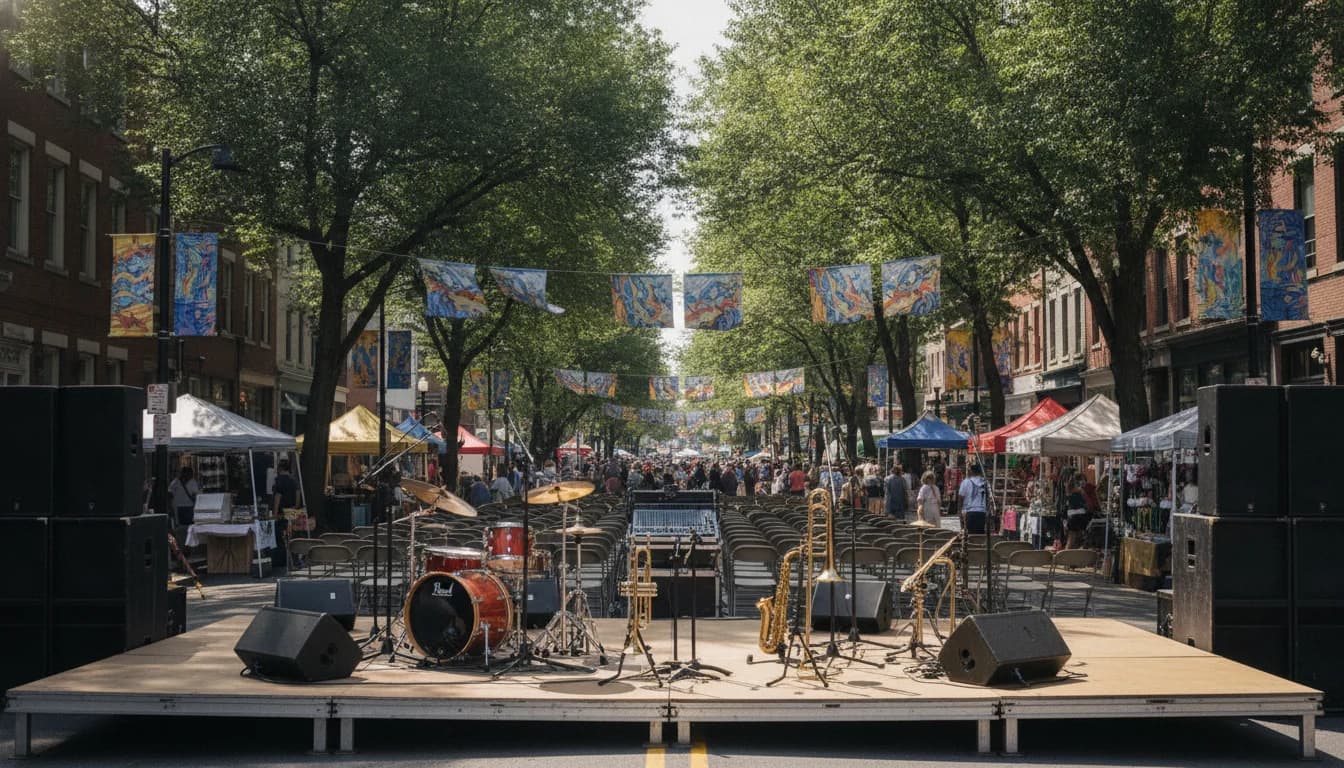
The District of Columbia Times reports a landmark shift for the Smithsonian Folklife Festival in 2026: the annual celebration of living cultural traditions is expanding beyond the National Mall to join gatherings nationwide. This expansion, branded as part of a broader “Festival of Festivals” initiative, positions the Smithsonian’s flagship folklife event as a catalyst for regional cultural exchange during a milestone year in American history. The announcement arrives at a moment when national attention on culture, technology-enabled engagement, and community storytelling is heightened by ongoing conversations about equity, accessibility, and economic impact associated with large-scale public events. The news matters not only for DC-area residents who have long attended the festival on the National Mall, but for partner communities across the country seeking to showcase Indigenous and diverse cultural practices through a standardized, data-informed platform.
Historically, the Smithsonian Folklife Festival has been a marquee summer event on the National Mall since its inception in 1967, drawing visitors from around the country and abroad to a carefully curated program of performances, crafts, cooking demonstrations, and storytelling. The 2025 edition, which ran July 2–7, provided a blueprint for scaling up a national approach with a theme centered on youth and the future of culture, including activities that highlighted arts, technology, and intergenerational knowledge transfer. Those patterns—public accessibility, a focus on living traditions, and a commitment to data-driven programming—now inform the 2026 plan as the Smithsonian builds a national footprint around the core festival. A key takeaway from last year’s scheduling and public engagement is that the festival’s official site now publishes a calendar and an interactive map to help audiences find events near them, a model that will scale with the national rollout. (si.edu)
Opening paragraph and the lead-in are followed by a broader context: the Smithsonian’s mission to celebrate contemporary living cultural traditions remains central, while the logistics and reach of the festival are evolving. The national expansion aligns with the institution’s approach to audience access—free events, open data, and online tools that help people discover programs in their communities. The 2026 plan is framed as part of the nation’s 250th anniversary conversations, a backdrop that designers and organizers say will amplify cross-cultural dialogue and local partnerships. The festival’s leadership has emphasized that the “Festival of Festivals” concept is designed to bring the vitality of Smithsonian Folklife Festival programming to more venues, while maintaining the integrity of the festival’s traditional focus on voice, place, and practice. (folklife.si.edu)
What Happened
Expansion Details and Timeline
In 2026, the Smithsonian Folklife Festival expands beyond Washington, D.C., joining gatherings in hometowns around the United States. The announcement, described in official Smithsonian communications, marks a strategic pivot from a single-location festival to a nationwide network of regional events that share programming themes, curatorial standards, and a common evaluation framework. This is the clearest articulation to date that the festival will operate on a national scale in the near term, a move designed to reach more audiences while preserving the federal festival’s core commitments to cultural representation, accessibility, and educational value. The expansion is framed as part of the nation’s 250th anniversary conversations, linking the festival's mission to a broader national storytelling effort. (festival.si.edu)
National Collaboration Model and Governance
The national rollout relies on a coordinated network model in which partner communities host events that mirror the festival’s typologies—music and dance performances, craft demonstrations, elder- and youth-led conversations, and cooking traditions—while adhering to a shared governance framework provided by the Smithsonian Center for Folklife and Cultural Heritage. This approach is designed to maintain program integrity across venues, ensure consistent access for audiences, and enable standardized data collection to inform ongoing evaluation. The national collaboration is described by festival leadership as an intentional step toward culturally diverse communities participating in a nationwide dialogue about tradition and contemporary life. This model is designed to be adaptable to regional contexts while preserving the festival’s core values and curatorial standards. (folklife.si.edu)
Scheduling, Access, and Digital Tools
A central feature of the expansion is the continued emphasis on digital access to festival programming. The Smithsonian’s Folklife Festival site provides a 2026 calendar and an interactive StoryMap to help residents locate events in their region. The online schedule complements traditional in-person sites and augments outreach to schools, libraries, and community organizations that have historically participated in the festival. In 2025, the festival published a full schedule and a grid of activities, and the 2026 site indicates that regional events will be integrated into a national calendar with local delivery. This digital layer is intended to reduce barriers to attendance and to foster cross-regional exchange of cultural practices. (festival.si.edu)
Local and Regional Partnerships
The national expansion explicitly involves collaboration with a broad network of regional partners who will host festival-related programming in their own communities. Smithsonian materials emphasize that the national rollout will feature regional storytelling, Indigenous voices, and living traditions from across the Americas, leveraging local knowledge while connecting audiences to Smithsonian-curated themes. This model seeks to preserve the festival’s authenticity by centering local bearers of culture and ensuring mutual benefit for host communities through programming that is accessible, educational, and culturally respectful. The initiative is presented as a way to extend the festival’s reach while preserving the quality and integrity readers have come to expect from Smithsonian Folklife Festival programming. (folklife.si.edu)
Workforce and Volunteer Considerations
As part of the national expansion, the Smithsonian Center for Folklife and Cultural Heritage notes that there are staffing and temporary employment opportunities tied to the 2026 festival activities. The festival often relies on a blend of Smithsonian staff, partner organizations, local volunteers, and event contractors to manage programming, logistics, and outreach. Information about 2026 job opportunities is publicly posted, and prospective applicants can expect to encounter a range of roles that align with the expanded scale of events. This uptake signals not only an expanded cultural program but also a broader economic footprint for the festival in host communities. (folklife-media.si.edu)
Why It Matters
Economic, Cultural, and Social Impact
Expanding the Smithsonian Folklife Festival beyond the traditional National Mall footprint signals more than a geographic expansion; it reflects a broader strategy to unlock economic and cultural benefits across multiple communities. Local organizers anticipate heightened foot traffic at partner events, increased tourism-related spending in host cities, and opportunities for small businesses, craftspeople, and performance groups to reach new audiences. The festival’s national rollout aligns with a long-standing public mission: to illuminate living cultural traditions, support artists and culture bearers, and enable communities to learn from one another. The national expansion is also timely given the ongoing emphasis on inclusive storytelling and equitable access to cultural resources. By taking festival programming into multiple locales, the Smithsonian hopes to democratize access to cultural heritage while preserving the integrity and depth of the festival’s curatorial approach. (folklife.si.edu)
Tech-Driven Engagement and Access
A key driver of the expansion is technology-enabled access and engagement. The festival’s official site now highlights a 2026 calendar and an interactive story map designed to help audiences discover events near them. This digital infrastructure supports not only attendance planning but also education and outreach—schools can synchronize lessons with regional festival offerings, libraries can host complementary programming, and community centers can integrate festival content into local programming. The emphasis on digital tools is consistent with the festival’s broader strategy to reach diverse audiences across the country, a move that becomes particularly important as the festival scales to a nationwide footprint while maintaining an accessible, no-cost format for attendees. (festival.si.edu)
Indigenous Voices and National Dialogue
A central thread in the Smithsonian Folklife Festival’s expansion is the continued emphasis on Indigenous voices and living traditions within the Americas. By “going national,” the festival intends to elevate Indigenous knowledge, language, and cultural practices within a broader American narrative. This aligns with the Smithsonian’s ongoing commitment to presenting authentic voices from Indigenous communities and ensuring that programs reflect the richness and diversity of Native and other cultural communities. The 2026 narrative around “Indigenous Voices of the Americas” remains a guiding principle as the festival scales across multiple regions, preserving opportunities for direct dialogue between culture bearers and audiences. This approach reinforces the festival’s unique value proposition as both an educational platform and a community-building event. (folklife.si.edu)
Public Perception, Accessibility, and Equity
Public reception to cultural programming of this scale depends on clear, consistent communication and robust accessibility. The national expansion requires thoughtful coordination with local institutions, public venues, and transportation networks to ensure that festival content remains accessible to a wide cross-section of communities. The Smithsonian’s emphasis on free admission, online calendars, and accessible venues supports the goal of equitable access. The partnership model also provides an opportunity to tailor content to regional audiences while maintaining a consistent set of standards for quality and representation across venues. As District of Columbia Times and other outlets monitor the rollout, readers can expect ongoing data-driven reporting on attendance, audience demographics, and program impact, enabling a transparent evaluation of how the national expansion affects local participation and cultural exchange. (si.edu)
Alignment with the 250th Anniversary Milestones
The 2026 national rollout is linked to the United States’ 250th anniversary conversations, a context that frames the festival as part of a broader national storytelling and commemorative effort. Festival leadership has highlighted that the expansion is designed to contribute to the nation’s ongoing dialogue about identity, heritage, and the living traditions that shape communities across the country. The alignment with national milestones adds urgency to the project while reinforcing the festival’s long-standing role in connecting people to the nation’s cultural landscape. The historic trajectory—from a DC-centered event to a nationwide series of regional gatherings—reflects evolving models of cultural memory, public programming, and cross-cultural collaboration. (folklife.si.edu)
What’s Next
Regional Rollout Timeline and Milestones
Looking ahead, the Smithsonian Folklife Festival’s 2026 calendar is designed to display regional programming as part of a coordinated nationwide effort. The festival’s own site notes that audiences can explore events across the country through a calendar and map interface, with regional partners shaping locally relevant content while drawing from Smithsonian-curated themes. Stakeholders should expect a staggered rollout, with partner communities launching programming at different times during June and July, depending on local conditions, venue availability, and community engagement goals. The national map and calendar will be updated as new events are confirmed, offering readers a reliable, centralized way to track progress and participate in regional programs. (festival.si.edu)
What to Watch for in the Coming Months
Several indicators will matter as the national expansion unfolds. First, the depth and variety of regional programming: will partner communities emphasize Indigenous voices at scale, or will they explore broader regional cultural practices in parallel with Smithsonian-curated themes? Second, audience reach and engagement: how many attendees participate in regional events, and how do digital tools (like the interactive StoryMap) enhance access for remote audiences or schools? Third, workforce and partnerships: how many local organizations join the network as collaborators, and what kinds of opportunities do temporary staff and volunteers gain from participating in the program? Finally, the economic and social spillovers: will local economies benefit from tourism and events tied to festival programming, and how does this influence future funding and community partnerships? These questions will likely be addressed through ongoing reporting, official updates, and independent analyses as data becomes available. (festival.si.edu)
Next Steps for Readers and Stakeholders
For District of Columbia Times readers and regional partners, the immediate next steps are clear. Stay updated via the Smithsonian Folklife Festival’s official channels, including the 2026 schedule and the interactive map for regional events. Schools, libraries, cultural organizations, and community groups should identify potential partnerships with local festival organizers to align curricula, workshops, or public programs with regional festival activities. Local media outlets can play a crucial role in translating national-level programming into accessible neighborhood-level stories—highlighting community voices, showcasing artists and craftspeople, and reporting on the economic and cultural impact of regional events. As the national rollout progresses, continued coverage of attendance, programming diversity, and community feedback will be essential to maintain transparency and public trust. (festival.si.edu)
The Road Ahead: A National Festival Ecosystem
The Smithsonian Folklife Festival’s 2026 expansion marks a transition toward a national ecosystem of cultural exchange. While the National Mall event will continue to hold symbolic significance, the broader network of regional programs will broaden access and deepen engagement with living traditions across the United States. This shift has implications for event planning, audience development, and cultural policy at the local level. It also raises questions about how such a nationwide initiative can preserve authenticity while scaling, how to measure impact across diverse communities, and how to balance national coordination with local autonomy. Reporting over the coming months will track how the “Festival of Festivals” model evolves, how communities participate, and how the Smithsonian structures support for partner organizations to ensure consistent quality and respectful representation. (folklife.si.edu)
Closing
The Smithsonian Folklife Festival’s decision to go national in 2026 represents a notable shift in how a storied cultural event can scale its mission without sacrificing its core values. By widening access, embracing digital tools, and elevating Indigenous and regional voices across the country, the festival is positioning itself as a nationwide platform for cultural exchange. As host communities prepare to welcome festival programming into schools, town centers, and regional venues, readers should expect continued updates about schedules, partner collaborations, and public programming that reveals the living textures of American cultural life. The District of Columbia Times will monitor the rollout and report on the economic, social, and educational impacts of this ambitious expansion, ensuring that readers have a clear, data-driven view of how the Smithsonian Folklife Festival is evolving in the national landscape. For ongoing information, audiences can follow the Smithsonian Folklife Festival’s official channels and District of Columbia Times coverage to learn about new events, dates, and opportunities to engage with living cultural traditions in communities across the country. (festival.si.edu)