RFK Campus Activation Moves Forward
DC Times covers the RFK Campus activation in detail as the comprehensive master plan advances, backed by insightful data-driven projections.
By Diane Prescott
September 27, 2026
12 minute read
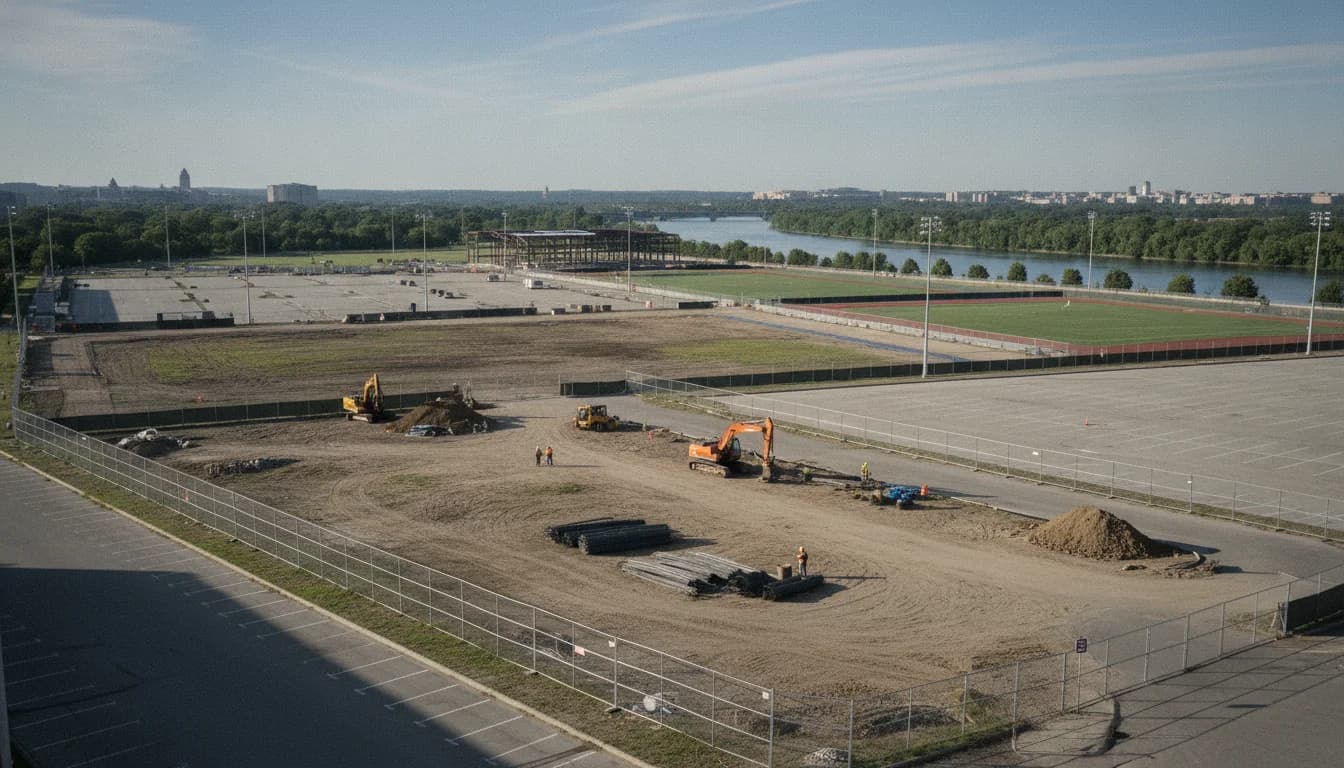
The District of Columbia is moving forward with RFK Campus activation as a centerpiece of its long-range redevelopment, anchoring a new stadium and a year-round, mixed-use campus on the banks of the Anacostia River. On April 28, 2025, Mayor Muriel Bowser and the Washington Commanders announced a deal to bring the team back home and activate 180 acres of RFK Campus, detailing a path that combines a state-of-the-art stadium with housing, parks, recreation, hotels, and commercial districts. The plan outlined a substantial private-public investment and a multi-decade economic development outlook, with explicit job and revenue projections that positioned RFK as a potential engine for the city’s economy. This framework sets the stage for a landmark, data-informed approach to urban redevelopment in the nation’s capital. The official release described a package that would catalyze the broader transformation of the RFK Campus, focusing on both the stadium and surrounding parcels, and highlighted the public policy lever of activating a once-idle site for a dense, mixed-use district. The District’s announcement also stressed the importance of public input and community benefits as central to shaping the project’s momentum. (dc.gov)
As the city moves into 2026, the conversation around RFK Campus activation has shifted from a high-level agreement to a detailed master plan designed to govern the site’s development through public hearings, environmental reviews, and zoning updates. On September 24, 2026, Mayor Bowser and the DC Office of Planning transmitted the RFK Campus Master Plan to the Council, marking a pivotal moment in the process. The plan lays out a four-district framework, with two districts dedicated to parks and recreation, and it emphasizes year-round uses, riverfront access, and enhanced transit connections, including WMATA’s planned Gold Line Bus Rapid Transit route and a broader Stadium-Armory Metro expansion. The Council was scheduled to hold a public hearing on September 30, 2026, with an expected vote by year’s end. This development signals a shift from concept to implementable policy, with a clear timeline for permitting, infrastructure upgrades, and district-wide benefits. (dc.gov)
In parallel to the DC government’s official briefings, national outlets have tracked the RFK Campus activation narrative as part of a broader trend: cities infilling large, underutilized sites with multi-use campuses designed to attract jobs, housing, and entertainment while preserving green space. The Washington Post, reporting on September 25, 2026, framed Bowser’s master plan as a historic milestone in the city’s economic strategy, underscoring the plan’s ambition to create a year-round destination and to anchor a new wave of urban development in the district. This coverage aligns with DC’s public messaging—emphasizing the plan’s scale, the partnership with the private sector, and the potential for long-run fiscal and community benefits. Axios and AP also highlighted the master plan’s scope and the project’s potential to reshape transit, housing, and public spaces around RFK. Taken together, these sources illustrate a multi-faceted, data-driven approach to redevelopment that communities seeking to revive large, dormant sites frequently pursue. (washingtonpost.com)
Section 1: What Happened
Announcement Details
The April 28, 2025 deal established a framework for bringing Washington Commanders back to RFK Campus and activating 180 acres of surrounding land. The deal was described by Mayor Bowser and the team’s leadership as a catalyst for housing, parks, recreation, hotels, and retail alongside a new, roofed, year-round stadium. The press release detailed major commitments, including the Commanders’ responsibility to invest at least $2.7 billion in stadium-related works, and the District’s financial participation to facilitate infrastructure and access. This arrangement was positioned as the District’s fastest route to bringing RFK Campus to life while advancing the nearby economy. The executive summary of the release highlighted a broad economic framework, with thousands of jobs anticipated and a long-run revenue and spending outlook tied to the project. For readers seeking the primary source, the DC government release provides the official statements and figures. (dc.gov)
The master plan process progressed through 2026, culminating in the transmission of the RFK Campus Master Plan to the Council on September 24, 2026. The document outlines a four-district development concept with dedicated park and recreation zones, clear development and infrastructure guidelines, and a long-term strategy for pedestrian, bicycle, and transit integration. Community engagement figures accompany the plan, noting more than 3,000 written comments and over 30 engagement events during the 2026 process. The plan is designed to guide development and to synchronize priorities with federal stakeholders while aligning with the city’s Comprehensive Plan framework. The public hearing was set for September 30, 2026, with a Council vote anticipated by year-end. This formal step represents a turning point where planning becomes policy and project milestones transition toward construction. (dc.gov)
Timeline and Key Facts
2025-04-28: Announcement of RFK Campus activation deal between Mayor Bowser and the Washington Commanders. The release spelled out a public-private investment structure, housing goals, a large-scale stadium, and the broader campus redevelopment. Notably, it called for 14,000 construction jobs and 2,000 permanent jobs, with estimated tax revenue and direct spending implications across a multi-decade horizon. The official figures and the date are drawn from the DC government release. (dc.gov)
2026-09-24: Transmission of the RFK Campus Master Plan to the Council by Mayor Bowser and the Office of Planning. The plan envisions 180 acres of riverfront redevelopment organized into four districts plus parks and recreation zones, alongside transit enhancements and a phased development path. The release underlines the plan’s public input history and its role as the blueprint for siting, zoning, and infrastructure. Public hearings and legislative steps are explicitly described, with a timeline that anticipates Council action by year-end. (dc.gov)
2026-09-25 (media coverage): The Washington Post reports Bowser’s master plan as a historic, large-scale economic development initiative for the city, highlighting the plan’s scope and potential impact on jobs, housing, and public amenities. The report situates RFK Campus activation within a national trend of stadium-centric urban redevelopment and notes the plan’s emphasis on year-round use and riverfront access. This coverage adds context for readers who want a broader media perspective beyond official filings. (washingtonpost.com)
Analysis and numbers are anchored in primary sources. The April 28, 2025 DC release provides the core financial and employment figures, while the September 24, 2026 master plan transmission outlines the plan’s zoning, phasing, and public engagement framework. The following table (for readers’ quick reference) distills the headline numbers that appear across the primary sources:
- Private investment (Commanders): at least $2.7 billion
- District investment (non-stadium costs): up to roughly $500 million
- Stadium capacity (approximate): 65,000 seats
- Anticipated construction jobs: approximately 14,000
- Permanent jobs: approximately 2,000
- Estimated total tax revenue: about $4 billion over the project lifecycle
- Estimated direct spending: more than $15.6 billion over 30 years
- Parking capacity (full buildout): up to about 8,000 spaces
- Housing units (new): 5,000-6,000, with at least 30% affordable housing
These numbers help ground expectations about RFK Campus activation in specific commitments and economic projections that the city and its partners have publicly stated. See the primary source materials for the exact wording and context around each figure. (dc.gov)
Subsection: Business and Development Implications
The deal structure and master plan reflect a common approach in large-city redevelopment: align a major sports venue with a broader ecosystem of uses to maximize the site’s public value. In this instance, the DC government has emphasized that the stadium will be the anchor while a substantial portion of the surrounding parcels will host housing, retail, parks, and entertainment options. The public-facing rationale is to create a year-round, multi-use district that remains vibrant beyond game days. Supporters argue this approach could catalyze similar projects across the city by combining a marquee attraction with an integrated urban district. Critics, however, frequently scrutinize the risk of displacing existing communities, the affordability trajectory of new housing, and the long-run fiscal commitments required to maintain infrastructure and public services related to a project of this scale. The public discourse is reflected in the engagement process that accompanied the master plan, which included thousands of public comments and numerous community meetings. (dc.gov)
- In 2025, the deal’s launch generated immediate attention to the broader DC economy, with projections of tens of thousands of jobs across construction and long-term operation. The official materials detail a multi-decade tax and spending outlook, positioning the RFK Campus activation as a potential economic catalyst for Ward 7 and adjacent neighborhoods, as well as for the city at large. The collaboration between the District and the Commanders is framed as a “catalytic investment” designed to unlock a broader redevelopment of the RFK site, which has sat largely dormant for years. The claim aligns with prior DC redevelopment patterns where a sports anchor helped spur surrounding district improvements. (dc.gov)
Section 2: Why It Matters
Economic Impact and Fiscal Projections
The District’s official materials frame RFK Campus activation as a multi-faceted economic engine. The April 2025 release projects approximately 14,000 construction jobs and 2,000 permanent jobs, with the overall development expected to yield roughly $4 billion in total tax revenue and over $15.6 billion in direct spending over 30 years. The master plan’s 2026 iteration builds on that foundation by mapping development in four districts and by outlining a long-term street network, transit enhancements, and public spaces intended to attract residents, workers, and visitors. Taken together, these sources suggest a long-run economic footprint that extends beyond the stadium’s doors and into the city’s tax base, housing market, and commercial activity. (dc.gov)
A cross-cutting question for stakeholders is how the projected benefits will materialize in concrete terms for DC residents, particularly around affordable housing, workforce opportunities, and neighborhood resilience. The master plan’s emphasis on equitable housing distribution, local hiring commitments, and community benefits attempts to address these concerns by integrating affordable housing targets and local procurement requirements into the development framework. The city’s planning documents explicitly discuss equitable distribution as a planning objective and outline a governance approach to ensure that benefits are distributed fairly across District neighborhoods. These aspects are aligned with the DC government’s broader planning ethos, which links large-scale investments to community-level gains. (dc.gov)
Community and Equity Considerations
Public input has been a central feature of RFK Campus activation. The 2026 master plan release notes more than 3,000 written comments and more than 30 engagement events, reflecting a broad, ongoing effort to incorporate community perspectives into development guidelines, districts, and programs. The inclusion of a dedicated Park and Recreation district alongside housing and commercial spaces is designed to create a more balanced urban environment, with green spaces and river access playing a key role in the user experience. While the plan aims to enhance public access and livability, its success will depend on ongoing collaboration among residents, local businesses, and city agencies to ensure that benefits reach a diverse cross-section of DC residents. (dc.gov)
The public narrative around RFK Campus activation also intersects with transit planning and mobility improvements. The master plan documents reference the Gold Line Bus Rapid Transit route and the Stadium-Armory Metro expansion as essential components of a connected, accessible campus. Improved pedestrian and bicycle connections east of the Anacostia River are also part of the planning strategy, signaling an integrated approach to mobility that could influence surrounding neighborhoods' accessibility and property values. These transportation-oriented elements are critical to ensuring that the campus becomes a year-round destination rather than a sporadic event site. (dc.gov)
Public-Private Partnerships and Governance
- The RFK Campus activation program is a product of a public-private partnership structure that leverages private investment with public funding for infrastructure and transit improvements. The 2025 release highlighted the private investment burden borne by the Commanders, while the District’s support included financing for utilities, roadways, and transit studies. Master-plan governance emphasizes a coordinated approach across multiple agencies, with a future-stage focus on implementation, permitting, and phasing. This multi-stakeholder arrangement is a common feature in large-scale stadium-cum-campus projects and has implications for project risk management, financing, and accountability. Readers should watch for how the governance model evolves as the Council reviews the master plan and as federal coordination continues. (dc.gov)
Section 3: What’s Next
Near-Term Milestones
The next major milestone is the DC Council’s review of the RFK Campus Master Plan, followed by a public hearing on September 30, 2026, and a formal vote on adoption by the end of the year. The master plan sets development and infrastructure guidelines, but implementation will require zoning updates, environmental reviews, and capital programming. The schedule indicates a period where community concerns, financing plans, and transit improvements will be tested in a public policy context. Stakeholders should prepare for technical questions on housing affordability targets, local hiring commitments, and the sequencing of district development to ensure a balanced rollout across districts. (dc.gov)
In the longer run, the Commanders’ stadium construction and the surrounding development are anticipated to unfold across multiple phases, with infrastructure improvements (utilities, roads, transit access) and park creation designed to support both stadium events and daily urban life. The master plan’s phasing guidance will be central to coordinating with federal stakeholders, WMATA, and local partners as projects move from planning to construction. While the exact timeline depends on approvals and financing, the plan’s emphasis on early activation of public spaces and ongoing community programming suggests a deliberate approach to seeding activity throughout the campus, even before full buildout is complete. (dc.gov)
Public Input, Legislation, and Tech-Driven Oversight
Public input remains a cornerstone of RFK Campus activation, with the Office of Planning and partner agencies documenting extensive engagement and feedback. The master plan’s updates reflect a listening process designed to fine-tune district boundaries, zoning guidelines, and program needs. As technology and data-driven analysis become more integrated into urban planning, expect more real-time monitoring and data dashboards to support decision-making on traffic, housing affordability, and economic impact. The city’s approach appears to be leaning into transparent governance, with opportunities for residents to track progress and participate in ongoing discussions about the campus’s future. (dc.gov)
From a technology and market-trends perspective, RFK Campus activation represents a test case for deploying data-informed, place-based development at scale in a major U.S. city. The plan’s emphasis on year-round uses, riverfront access, and transit connectivity highlights a convergence of real estate development with urban mobility innovations. This alignment with market trends—mixed-use districts, supply of housing, and infrastructure modernization around a landmark stadium—illustrates how public policy can shape private investment incentives while balancing broad community benefits. Readers should monitor how the city analyzes traffic patterns, housing affordability metrics, and job creation data as the master plan advances toward implementation. (dc.gov)
What’s Next for Readers and Local Stakeholders
- For readers who want to stay informed and engaged, subscribe to updates on OurRFK.dc.gov and follow the DC Office of Planning’s progress reports, which are designed to provide ongoing visibility into master plan amendments, zoning actions, and public engagement opportunities. The plan’s framework will continue to evolve as more granular design work, environmental reviews, and funding decisions emerge. The DC Council’s hearings and votes will be critical indicators of the plan’s trajectory, and watching those proceedings will provide a practical sense of when and how RFK Campus activation moves from blueprint to built environment. Readers can also track media coverage from national and local outlets to gauge how market participants are interpreting the plan’s implications for real estate, construction, and the broader DC economy. (dc.gov)
Closing
In the Washington, DC context, RFK Campus activation represents more than a stadium project; it is a comprehensive urban redevelopment effort that attaches a major sports venue to a wide-ranging campus designed to deliver housing, parks, transit improvements, and economic opportunity for decades to come. The April 2025 announcement laid out a strong value proposition for public-private collaboration, while the 2026 master plan brings that proposition into formal planning and policy terms. As the Council weighs the master plan and as construction planning advances, the coming years will reveal how much of the city’s aspiration translates into measurable outcomes for residents—particularly in terms of affordable housing, local employment, and equitable access to the benefits of RFK Campus activation. The project’s trajectory will be closely watched by policymakers, developers, urbanists, and residents who want to see how a once-idle site can be reimagined as a year-round anchor for growth and community life. For updates, readers should monitor official District channels and reputable media outlets that can corroborate developments as they unfold. (dc.gov)