Phillips Collection Exhibition Schedule 2025–26 Unveiled
Discover the Phillips Collection exhibition schedule for 2025–26, featuring detailed dates, diverse exhibitions, and insightful artistic context.
By Terrence Holt

October 3, 2026
11 minute read
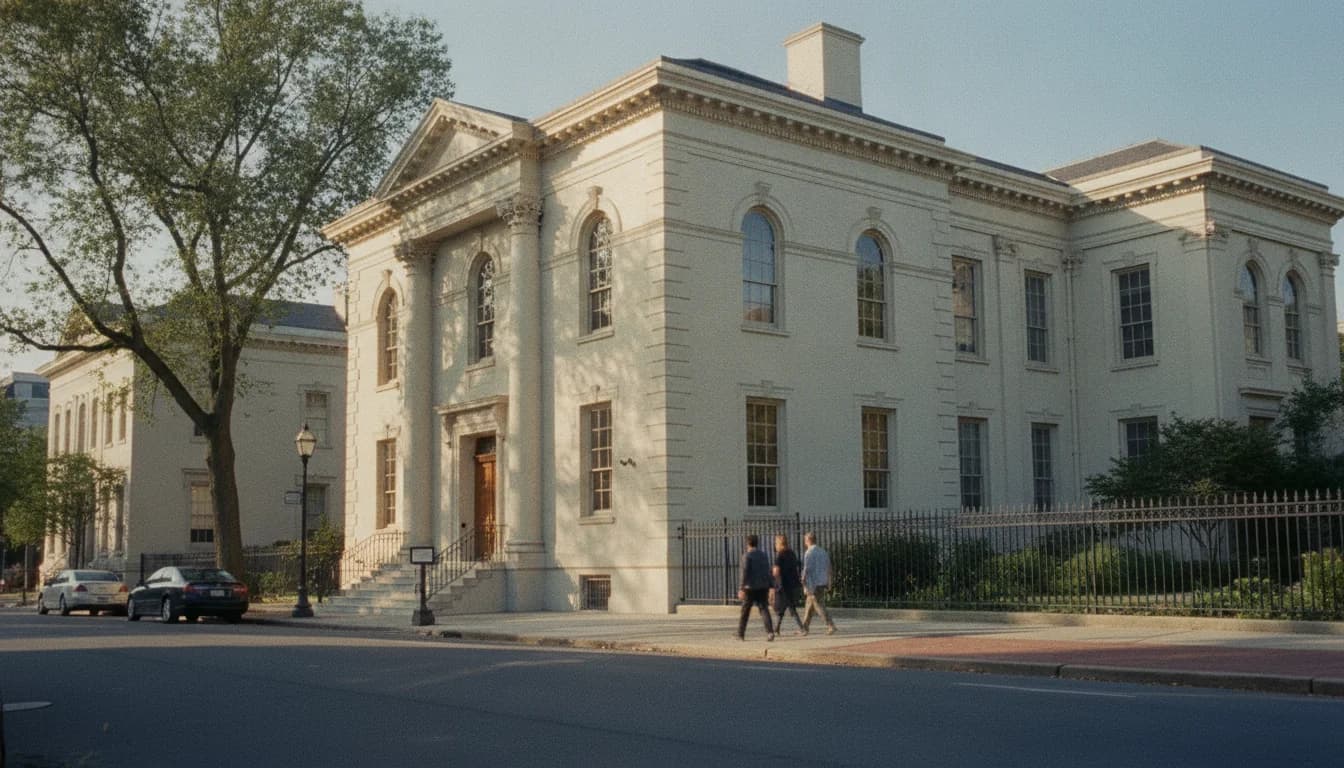
The District of Columbia Times prints a data-driven look at the Phillips Collection exhibition schedule, which was published on July 29, 2025. The Phillips Collection, Washington, DC’s landmark modern art museum, released its 2025–26 exhibitions and programming through fall 2026, laying out a calendar that blends historical retrospectives, contemporary voices, and cross-disciplinary programming. This news anchors the start of a roughly 20-month arc of exhibitions that will shape not only the museum’s visitor year but also the local arts economy, education outreach, and scholarly dialogue around modern and contemporary art. The Phillips Collection exhibition schedule, as disclosed in the organization’s primary release, highlights seven major exhibitions spanning May 2025 to January 2027, with support programming that reinforces the museum’s mission and community engagement. According to the Phillips Collection press materials dated July 29, 2025, the schedule confirms a multi-venue, transregional dialogue that centers DC-based artists alongside international voices. (phillipscollection.org)
This coverage seeks to unpack what the schedule means for readers who follow technology-driven market trends and cultural investment in the District. By focusing on publicly announced dates, artist lineups, and the broader programming framework, the District of Columbia Times aims to provide a concise, timely briefing that readers can cite in editorial references or for more detailed research. The announcement arrives at a moment when museums increasingly couple blockbuster exhibitions with community-facing programs to drive audience engagement, sponsorship, and cross-sector partnerships. The Phillips Collection’s 2025–26 exhibition schedule demonstrates how a historic institution positions itself for sustained relevance in a rapidly evolving cultural landscape, one in which data-informed programming decisions, audience analytics, and philanthropic targeting matter just as much as the art on the walls. In this sense, the schedule is not merely a calendar; it is a litmus test for the museum’s ability to translate scholarly research, artist networks, and public programming into a cohesive, measurable community impact. (phillipscollection.org)
Section 1: What Happened
Release and scope
The Phillips Collection issued its 2025–26 exhibition schedule on July 29, 2025, detailing exhibitions that will run through fall 2026 and into early 2027. The release frames the lineup as a deliberate continuation of the museum’s mission to illuminate voices across activism, modernism, and contemporary practice, while foregrounding DC’s own creative community alongside international collaborators. The official documents confirm seven primary exhibitions, each with a defined date range, complemented by a robust programming slate. The period covered begins in May 2025 and extends to January 2027, with the first show opening on May 17, 2025, and the last exhibition schedule closing on January 24, 2027. This schedule was published in two complementary primary formats: a press release on the Phillips Collection’s site and a detailed PDF appendix that itemizes dates and exhibitions. For readers seeking the exact exhibit-by-exhibit timeline, the Phillips Collection provides both the narrative release and the precise date ranges in the accompanying PDF. (phillipscollection.org)
Key exhibitions and dates
The seven principal exhibitions and their date spans, as enumerated in the press materials, are:
- Essex Hemphill: Take care of your blessings — May 17–August 31, 2025. This show foregrounds the DC-born poet and artist’s dialogue with contemporary visual art, highlighting intergenerational and intermedia connections. (phillipscollection.org)
- Vivian Browne: My Kind of Protest — June 28–September 28, 2025. A museum-wide survey of Browne’s practice, gathered from paintings, prints, and works on paper, emphasizing the artist’s activism and teaching legacy. (phillipscollection.org)
- Out of Many: Reframing an American Art Collection — November 8, 2025–February 15, 2026. A landmark mid-20th–to-present survey exploring how American artists have represented the nation’s diversity across time. (phillipscollection.org)
- peter campus: there somewhere — January 15–May 3, 2026. A focused examination of media and video art by the pioneering artist, contextualized within The Phillips Collection’s broader dialogue about technology and image-making. (phillipscollection.org)
- Miró and the United States — March 21–July 5, 2026. A cross-Atlantic survey of Joan Miró’s relationships with American artists and institutions during the mid‑20th century, highlighting transnational artistic exchange. (phillipscollection.org)
- Juried Invitational — August 1–September 20, 2026. A regional showcase that foregrounds Washington, DC‑based artists, reinforcing the museum’s ties to the local arts ecosystem. (phillipscollection.org)
- Avery, Gottlieb, Rothko: A Close-Knit Trio — October 24, 2026–January 24, 2027. A study of the connections among three modernist masters and the shared summers on Cape Ann, woven through roughly 75 works spanning multiple media. (phillipscollection.org)
A succinct summary of these exhibitions appears in the Phillips Collection’s “Exhibitions” section of the release, with additional context about programming, support, and institutional partnerships. The release also notes that exhibition dates and titles are subject to change and that additional programs will be announced as opportunities arise. This flexibility reflects a dynamic program that aligns with the museum’s broader education and arts-ecosystem goals. (phillipscollection.org)
Programmatic highlights
Beyond the exhibition clock, the Phillips Collection’s 2025–26 season is accompanied by an expanded programming slate, including Phillips Music, Phillips@THEARC initiatives, and related community partnerships. Notably, the press materials highlight collaborations with major funders and cultural organizations, underscoring the institution’s emphasis on scholarly depth, public accessibility, and cross-disciplinary engagement. The Miró-focused installment is positioned within a broader plan to link visual art with music and performance programming, an approach that the museum has developed over time to broaden audience appeal and deepen interpretive outcomes. The schedule explicitly links the Miró project with the museum’s music programming, describing it as part of a season that will “align with Out of Many: Reframing an American Art Collection” and 250th-anniversary programming. This integration reflects a deliberate strategy to convert exhibitions into multi-modal experiences that can be tracked for attendance, audience engagement, and philanthropic interest. (phillipscollection.org)
Blockquote: In the release, the director emphasizes that the season “demonstrates how art enables us to think and, as Duncan Phillips said, see differently,” situating this year’s plan within a longer arc of the museum’s mission. This framing captures the editorial ambition of the collection schedule: to foster dialogue across generations and disciplines while expanding the audience for modern and contemporary art. (phillipscollection.org)
Section 2: Why It Matters
Market and audience implications
The Phillips Collection’s 2025–26 exhibition schedule provides a concrete calendar that market analysts and cultural economists can study to gauge potential effects on Washington, DC’s arts ecosystem. A tightly spaced but diverse lineup—ranging from museum retrospectives like Vivian Browne to cross-border conversations such as Miró and the United States—signals a deliberate strategy to balance educational value with visitor appeal. The schedule’s breadth—covering both regional and international artists, and combining established figures with living practitioners—offers multiple entry points for different audience segments, from scholars and students to casual museum-goers and cultural tourists.
From a market perspective, a calendar that runs through January 2027 creates a steady cadence of programming that can support ancillary revenue streams (membership growth, memberships and donor renewals, Phillips Music season ticket sales, lecture and program fees). It also gives potential sponsors and funders a predictable window for philanthropic planning, aligning philanthropic cycles with major exhibitions and the visibility they generate. The Phillips Collection’s explicit inclusion of a Juried Invitational (August 1–September 20, 2026) signals a commitment to ongoing community engagement and to sustaining local artist opportunities, which can translate into broader local economic activity around openings, cross-promotional events, and media coverage. The multi-year horizon helps local partners budget and plan, which is a meaningful signal in a market where arts organizations increasingly rely on stable, mission-driven revenue streams. (phillipscollection.org)
Who is affected and how
- Visitors and students: The schedule promises a consistent flow of major exhibitions across 2025–2026, with late spring and summer openings that can anchor seasonal travel plans for DC residents and out-of-town visitors. The May–August windows for Hemphill and Browne, for example, create predictable peaks in attendance that can inform school field trips and teacher planning. (phillipscollection.org)
- Local artists and DC arts institutions: The inclusion of a Juried Invitational and a strong DC-centered pairing (Essex Hemphill and Vivian Browne shows) positions DC as a hub for contemporary discourse and artist development. This alignment can generate collaboration opportunities with local galleries, universities, and cultural centers, which in turn supports a more vibrant art economy. The collaboration history and the explicit presence of collaboration with other institutions (e.g., Contemporary Arts Center, Cincinnati, for Browne) underscore the national and regional reach of this schedule. (phillipscollection.org)
- Funders and sponsors: The schedule’s emphasis on high-profile exhibitions with substantial programmatic support signals to funders that the museum has a coherent, extended plan for impact and visibility. The press materials note major support from foundations and trust funds, a detail that matters for prospective donors assessing the museum’s capacity for long-term, mission-aligned programming. (phillipscollection.org)
- Media and researchers: A well-documented schedule with explicit dates and exhibition titles provides a reliable foundation for journalism and academic work. The seven-exhibition line-up enables scholars to map interpretive threads across the museum’s curatorial vantage, as well as to cross-reference with other institutions’ programming for comparative studies. The Phillips Collection’s explicit documentation (dates, titles, and organizers) is a valuable primary source for researchers tracking mid-2020s museum practice. (phillipscollection.org)
Quote from the press materials: “From the radical activism of Essex Hemphill and Vivian Browne to the reexamination of American art in Out of Many: Reframing an American Art Collection, and the exploration of Joan Miró’s profound influence on U.S. modernism in Miró and the United States, we are showcasing works that deepen our understanding of art, identity, and history in new and important ways.” This articulation captures the schedule’s ethos: a balance of historical re-evaluation and contemporary dialogue that resonates with a broad audience while anchoring the museum in critical discourse. (phillipscollection.org)
Broader cultural and competitive context
In recent years, DC museums have increasingly positioned exhibitions as catalysts for neighborhood and citywide engagement, with cross-institutional programming and partnerships that broaden audiences beyond the traditional museum-goer. The Phillips Collection’s 2025–26 plan appears consistent with that trend: it leverages well-known figures (Miró, Browne, Hemphill) alongside newer or underrepresented voices (Essex Hemphill, a DC-based poet and activist; Vivian Browne, a pivotal figure whose work intersects with activism and painting). The integration of a major survey with a Thunderbolt of cross-disciplinary programming, including music and live events, suggests a strategy to create immersive experiences that are sticky for visitors, potentially translating into longer dwell times and higher per-visit spending—factors that can influence a museum’s annual attendance trajectory and budget planning. The plan’s explicit scope through fall 2026 and into early 2027 signals a long-term commitment that, if executed well, could strengthen The Phillips Collection’s position not only locally but also as a national reference for curatorial breadth and audience-centered programming. (phillipscollection.org)
Section 3: What’s Next
Timeline and next steps
- Short-term (summer–fall 2025): The Hemphill and Browne shows anchor late spring and early summer, followed by the launch of Out of Many in November 2025. These dates create a synchronized calendar for educators, researchers, and media looking to cover the evolving conversations around activism, identity, and representation in American art. The Phillips Collection’s release notes that dates are subject to change, signaling that the museum will adjust programming as needed in response to audience demand, fundraising cycles, and scholarly opportunities. (phillipscollection.org)
- Mid-term (winter 2025–winter 2026): Out of Many continues through February 2026, followed by peter campus: there somewhere early in 2026. The campus show marks a shift toward media and technology within the museum’s curatorial themes, aligning with contemporary conversations about digital culture and new media. (phillipscollection.org)
- Mid-to-late term (spring–summer 2026): Miró and the United States runs from March 21 to July 5, 2026, presenting a critical cross-Atlantic dialogue that can anchor scholarly programs and guest-curated discussions through the spring and early summer. This period also includes a juried invitational slated for August–September 2026, signaling an ongoing cycle of community engagement and regional artistic discovery. (phillipscollection.org)
- Long term (fall 2026–early 2027): Avery, Gottlieb, Rothko: A Close-Knit Trio opens October 24, 2026 and runs through January 24, 2027, providing a dynamic capstone to the 2025–26 program year. This final exhibition aligns with the museum’s broader emphasis on foundational modernist dialogue while foregrounding a close-knit narrative across three major artists. The schedule’s end date helps institutions and researchers plan for continuation programming, potential touring or loan arrangements, and subsequent curatorial calls for proposals. (phillipscollection.org)
Next steps for readers and stakeholders
- Visitors and families should monitor the Phillips Collection Upcoming Exhibitions page for final dates, program additions, and any schedule changes. The museum notes that exhibitions and programming are subject to change, so staying connected with official channels is prudent. Phillips Collection 2025–26 Exhibition Schedule press release (PDF) for the definitive timeline; Phillips Collection Announces 2025–26 Exhibitions and Programming (web page) for narrative context. (phillipscollection.org)
- Educators and researchers should consider cross-referencing the 2025–26 schedule with campus events, local university lecture series, and art-history symposia to maximize classroom use and scholarly discourse. The campus-based exhibition and related programming offer potential for joint programs with area institutions. (phillipscollection.org)
- Funders and sponsors can map their grant-making cycles to major openings or special programs, leveraging the schedule’s long horizon to align philanthropic investments with visible museum activity and programming calendars. (phillipscollection.org)
What to watch next
- Any schedule changes published by The Phillips Collection will be announced through their official channels, including press releases and the museum’s website. Readers should watch for updates on new programs associated with each exhibition, including lectures, symposia, and performance components that can amplify the core exhibitions. The Phillips Collection’s commitment to presenting a robust programming slate alongside major exhibitions positions the institution to maintain a continuous public-facing dialogue about art, identity, and history. (phillipscollection.org)
Closing
The Phillips Collection’s 2025–26 exhibition schedule represents more than a calendar of openings; it is a strategic articulation of the museum’s intellectual project, a signal to funders and partners, and a roadmap for audiences seeking a sustained, multifaceted cultural experience in Washington, DC. For District of Columbia Times readers, the schedule offers a clear window into how major art institutions are planning for a data-informed, audience-centered, and community-oriented future. As the city’s cultural calendar unfolds, The Phillips Collection’s exhibitions, from Essex Hemphill to Avery, Gottlieb, and Rothko, will be focal points for scholarly discussion, media coverage, and public engagement through early 2027. Readers are encouraged to follow ongoing coverage and to consult the museum’s primary sources for the most up-to-date details. (phillipscollection.org)
The Phillips Collection exhibition schedule is a living document that will continue to evolve as new partnerships form and programs develop. By anchoring our reporting in primary sources and preserving a transparent, dated record of the announced lineup, the District of Columbia Times aims to provide a reliable, citable reference for editors, researchers, and readers alike. The collaboration between The Phillips Collection and its regional and national partners signals a vibrant period for Washington, DC’s museum landscape, with a calendar that invites visitors to engage deeply with art, history, and innovative programming over an extended horizon. (phillipscollection.org)