National Symphony Orchestra NSO 2026-27 Venues DC
National Symphony Orchestra NSO 2026-27 venues DC: a data-driven update on six DC-area venues amid Kennedy Center renovations.
By Julio Sandoval
August 22, 2026
10 minute read
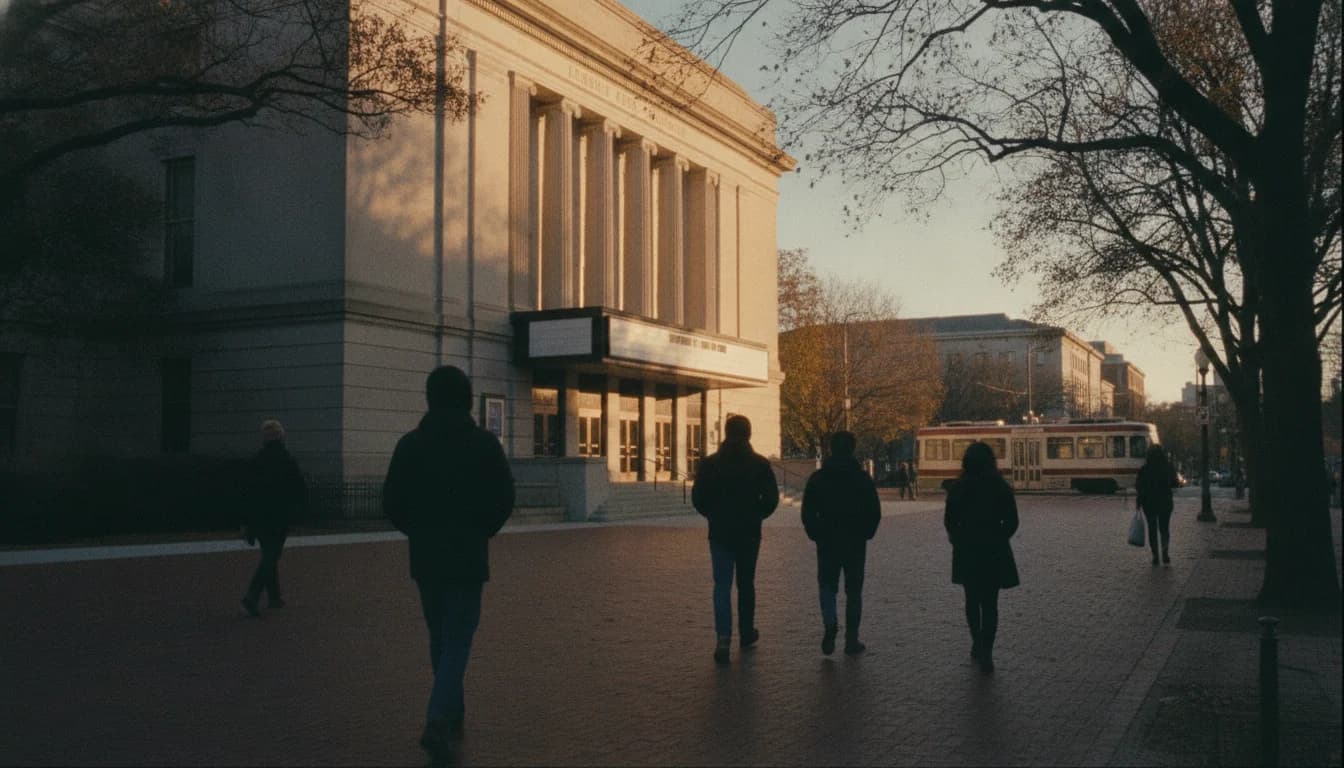
NSO to play at six DC-area venues next season as Kennedy Center shuts
In a development reshaping the region’s classical-music ecosystem, the National Symphony Orchestra will perform its 2026-27 season across six venues in Washington, D.C., and the surrounding suburbs. The announcement comes as the Kennedy Center prepares for a two-year reconstruction project that will temporarily suspend the orchestra’s long-running home there. The shift to a regional touring model is designed to maintain a robust concert schedule while providing audiences with more accessible venues across the district and its suburbs. The strategy also reflects broader questions about venue capacity, audience accessibility, and how major cultural institutions adapt to large-scale capital projects. (washingtonpost.com)
According to The Washington Post, the NSO will stage some 60 performances at six venues across the region during the 2026-27 season, starting September 26, 2026. The plan unfolds over sweeping regional rotations and a reimagined calendar designed to keep programming consistent with what the orchestra would have performed at the Kennedy Center under normal circumstances. In remarks reported by the AP, Music Director Gianandrea Noseda described the season as a “regional touring orchestra” effort, emphasizing that the repertoire will largely mirror plans for a Kennedy Center season. The opening night is set for September 26, 2026, and the program will mix established favorites with new works, signaling a deliberate approach to accessibility and audience diversification. (washingtonpost.com)
Opening with a regional strategy while maintaining artistic continuity, the NSO’s 2026-27 season aims to retain momentum for what would have been a Kennedy Center centerpiece year. The shift away from a single-venue model is framed by capacity, scheduling, and audience reach considerations, all of which weigh on the orchestra’s financial and artistic planning as it navigates renovations at its traditional home. The year-long, multi-venue approach also aligns with broader market trends toward flexible, multi-site programming in major urban arts markets, a strategy that some institutions have adopted to counterbalance disruptions caused by capital projects. (washingtonpost.com)
What Happened
Announcement Details
- The National Symphony Orchestra announced its 2026-27 season would be distributed across six venues rather than concentrated at the Kennedy Center’s Concert Hall. The decision follows the Kennedy Center board’s plan to close for renovation, shifting the NSO away from its longtime home for the season. The formal media coverage and contemporaneous reporting placed the announcement on August 18, 2026, with performances scheduled from September 26, 2026, through the 2026-27 season. (washingtonpost.com)
- The six venues identified in the reporting include Lisner Auditorium (George Washington University), the Lincoln Theatre (U Street, Washington, DC), the Music Center at Strathmore (North Bethesda, MD), Center for the Arts at George Mason University (Fairfax, VA), Rachel M. Schlesinger Concert Hall and Arts Center (Alexandria, VA), and the Clarice Smith Performing Arts Center (University of Maryland, College Park, MD). Each venue brings distinct seating capacities and acoustic profiles, shaping the orchestral program and audience experience across the season. (apnews.com)
Timeline and Key Facts
- Opening night: September 26, 2026, under the baton of Gianandrea Noseda, with a program featuring works like Tchaikovsky’s Swan Lake Suite alongside contemporary pieces tied to the season’s DC-centric themes. The plan was described in the press coverage as part of a broader, regionally distributed schedule designed to preserve the NSO’s creative output while the Kennedy Center is closed. (washingtonpost.com)
- Season length and scope: The reporting indicates roughly 60 performances planned across the six venues, spanning September through June, with a rhythm designed to approximate the scope of a Kennedy Center season while leveraging regional partners. This framing helps explain how the NSO intends to sustain its audience base and maintain programming parity with its traditional calendar. (washingtonpost.com)
- Program notes: Coverage highlighted that a large portion of the repertoire planned for the Kennedy Center season would largely carry over into the regional schedule, with adjustments to accommodate the acoustics and capacities of the alternate venues. The orchestra’s leadership stressed continuity of artistic ambitions even as logistical arrangements evolve. (washingtonpost.com)
Venue-by-Venue Snapshot
- Lisner Auditorium, George Washington University (D.C.) — 1,350 seats. The Lisner campus venue is a staple for fall programming and community engagement, offering a central D.C. location for early-season concerts. (apnews.com)
- Lincoln Theatre (D.C.) — 1,150 seats. The Lincoln is known for its intimate-to-mid-sized capacity and vibrant neighborhood setting, contributing to a more accessible concert experience in the city’s urban core. (apnews.com)
- Music Center at Strathmore (North Bethesda, MD) — 1,925 seats. Strathmore frequently serves as a regional hub for classical and crossover programming, making it a natural partner for the NSO’s off-site season. (apnews.com)
- Center for the Arts at George Mason University (Fairfax, VA) — 1,850 seats. GMU’s central Virginia location broadens the NSO’s reach into Northern Virginia, aligning with regional access and travel considerations for fans across the metro area. (apnews.com)
- Rachel M. Schlesinger Concert Hall and Arts Center (Alexandria, VA) — 900 seats. This venue adds a suburban-access point to the NSO’s regional footprint, supporting mid-sized orchestral presentations. (apnews.com)
- Clarice Smith Performing Arts Center (University of Maryland, College Park, MD) — 1,050 seats. The Clarice provides additional DC-area coverage in Maryland’s college-town corridor, tying together campus-centered audiences with the NSO’s broader regional strategy. (apnews.com)
Start Date and Program Highlights
- Start date: September 26, 2026, marking the regional season’s opening and a deliberate departure from a Kennedy Center-dominant schedule. The timing places the NSO at the center of a critical cultural moment as the Kennedy Center undergoes renovation plans. (washingtonpost.com)
- Program profile: The season aims to mirror, where feasible, the repertoire the NSO would have performed at the Kennedy Center, including a mix of large-scale symphonic works and collaborative, regionally hosted performances. The approach reflects careful curation to preserve artistic continuity while adapting to a multi-venue model. (washingtonpost.com)
Why It Matters
Impact on Audiences and Access
- Expanded geographic reach. By distributing performances across six venues in the D.C. metro area, the NSO can reach audiences who may face travel barriers to the Kennedy Center, including parking costs, traffic challenges, or distance from downtown Washington. Early reporting underscores the accessibility argument, with the six-venue plan designed to bring orchestral programming closer to more residents around the region. (washingtonpost.com)
- Attendance and demographic shifts. The regional model introduces opportunities to attract new or lapsed patrons by meeting them where they live and work, but it also creates the challenge of maintaining a consistent audience base across multiple sites with varying capacities and acoustics. Industry observers note that such a shift requires coordinated marketing and audience development across partner venues to sustain momentum. (washingtonpost.com)
Financial and Operational Implications
- Cost structure and revenue considerations. Moving concerts to multiple regional venues can affect rental, staffing, and logistical costs, even as it may broaden ticketing opportunities. The Kennedy Center renovation context adds a time-bound financial dimension, pressing the NSO to balance revenue generation with programmatic integrity. The broader coverage across venues is described in reporting as a way to preserve the ensemble’s schedule while the Center is offline. (washingtonpost.com)
- Rehearsal and administrative continuity. Reports note that the NSO intends to rehearse at the Kennedy Center during reconstruction and to maintain its office and music library there, signaling a commitment to organizational continuity even as performance venues diversify. This hybrid model helps ensure that the orchestra remains cohesive and prepared for intensive touring weeks. (apnews.com)
Broader Context: Kennedy Center Renovation and Cultural Implications
- Renovation timeline and policy context. The renovation plan, including the temporary closure and the broader questions it raises about building access and national cultural infrastructure, has become a topic of extensive coverage across national and regional outlets. The renovation narrative frames the NSO’s geographic expansion not as a temporary workaround but as a strategic evolution of how a major American orchestra connects with its public. (washingtonpost.com)
- Public funding and governance considerations. The Kennedy Center renovation and related debates around funding and governance have implications for how the NSO schedules future seasons, with the potential for policy-level discussions about sustaining arts organizations during major capital projects. Reporting on the Center’s governance and renovation decisions highlights the complexity of managing long-term cultural assets in a changing cityscape. (washingtonpost.com)
Audience Engagement in a Digital Era
- Opportunities for digital engagement. A multi-venue season can be complemented by enhanced digital broadcasts, on-demand programming, and synchronized streaming efforts that capture audiences who cannot attend live performances in any single venue. While the primary announcements focus on in-person scheduling, industry analysts note that a regional touring framework often benefits from integrated digital channels to reach broader audiences and generate data-driven insights about listening habits. (washingtonpost.com)
The Competitor and Context Landscape
- In a market where major arts institutions compete for limited discretionary entertainment budgets, the NSO’s pivot to multiple venues invites comparison with other regional orchestras that have adopted similar approaches to sustain audiences during renovations or growth phases. While direct comparisons vary by market, the core metrics—attendance, geographic reach, and revenue sustainability—remain central to evaluating NSO’s approach relative to peers. This context is useful for readers who monitor the evolving economics of classical music in large U.S. metro areas. (washingtonpost.com)
What’s Next
Timeline and Next Steps
- Ongoing venue coordination. The NSO will continue coordinating with partner venues to confirm dates, program lineups, and logistical details for the 2026-27 season. The reporting indicates that the first wave of concerts will begin on September 26, 2026, with a sequence of events scheduled across the six venues throughout the fall, winter, and spring. Timelines for ticketing windows and venue-specific promotions will be released through each partner venue’s box office and the NSO’s communications channels. (washingtonpost.com)
- Potential regional expansion. As the season unfolds, additional performances or special collaborations could be announced, leveraging the NSO’s regional footprint. While the core six-venue plan is outlined, the orchestra and its partners may explore supplementary dates or joint programs that align with major DC-area cultural events or civic calendars. Observers will watch for updates from major outlets reporting on the NSO’s evolving schedule. (washingtonpost.com)
What to Watch For
- Audience feedback and accessibility metrics. The six-venue model provides a natural laboratory for understanding how audiences respond to distributed programming. Metrics such as attendance by neighborhood, season subscriptions across venues, and digital engagement will inform future planning for art organizations facing similar disruptions. Journalists and industry analysts will look for data-driven signals in the NSO’s forthcoming communications and box-office reporting from each venue. (washingtonpost.com)
- Kennedy Center renovation milestones. The renovation timeline remains central to planning across the arts sector in the district. As the Kennedy Center advances its renovation plans, expect further updates from major outlets detailing budget decisions, construction milestones, and potential implications for the broader cultural ecosystem. These developments will shape not only NSO scheduling but also the planning curves for other resident companies and touring partners. (washingtonpost.com)
What This Means for District of Columbia Audiences
- Access to high-caliber orchestral programming will persist, albeit across a broader geographic spread. The NSO’s regional approach keeps core repertoire and signature collaborations in play while distributing performances among venues that are more accessible to different segments of the metropolitan area. For daily commuters and weekend travelers, the multi-venue model offers alternative potential pathways to enjoy the orchestra’s flagship programs, a critical factor as urban mobility evolves. (washingtonpost.com)
- The 2026-27 season’s design reflects adaptive leadership in a moment of infrastructural disruption. Rather than consolidate to a single venue with a single renovation timeline, NSO leadership has embraced a distributed approach to preserve artistic output, maintain audience engagement, and reinforce the orchestra’s regional identity. This approach aligns with broader market trends in which performing arts organizations diversify venues to sustain operations during major capital projects, a shift that could influence future programming strategies in DC and beyond. (washingtonpost.com)
- For stakeholders, the implications extend beyond concert tickets. The NSO’s regional footprint touches how sponsors, philanthropic partners, academic institutions, and civic organizations engage with the arts, potentially creating new sponsorship models and collaborative opportunities at multiple campus and community venues. Observers will want to analyze how the NSO’s multi-venue structure translates into sponsorship activation and donor engagement across the six sites. (washingtonpost.com)
Closing
The National Symphony Orchestra’s 2026-27 plan to perform at six DC-area venues marks a defining moment in how major American orchestras adapt to changing capital-project realities while maintaining artistic intensity and audience reach. As the Kennedy Center undertakes renovation work, the NSO’s regional season offers a blueprint for sustaining a national-class ensemble’s calendar, ensuring that audiences continue to experience the orchestra’s signature sound across the metropolitan region. Readers should stay tuned to both local outlets and the NSO’s communications channels for the latest scheduling updates, venue confirmations, and program lineups as the season approaches. (washingtonpost.com)
District of Columbia Times will continue to provide data-driven coverage of this transition, including attendance trends, accessibility analyses, and programmatic highlights as the NSO’s 2026-27 season unfolds across Lisner, Lincoln Theatre, Strathmore, GMU, the Clarice, and the Rachel M. Schlesinger Concert Hall. Updates will reflect the evolving nature of the schedule, the Kennedy Center renovation progress, and the broader implications for DC’s cultural ecosystem. For readers seeking the most current information, following the NSO’s official channels and major DC news outlets remains the best approach to stay informed about venue-specific dates, ticketing windows, and program details. (washingtonpost.com)