Zion Mitchell: National Guard Firearms Arrest DC
Neutral, data-driven analysis of Zion Mitchell's National Guard firearms arrest in DC, exploring the context and broader implications involved.
By Julio Sandoval
October 6, 2026
10 minute read
The District of Columbia Times presents a data-driven update on a high-profile National Guard firearms arrest DC case, focusing on the implications for deployments, law enforcement coordination, and policy context. The incident at the heart of this report occurred in Washington, D.C., within a broader, ongoing National Guard anti-crime mission that has drawn national attention and local scrutiny. Readers will find a clear, fact-based account of who was involved, what happened, when it occurred, and what the next steps are for the case and for the broader deployment program.
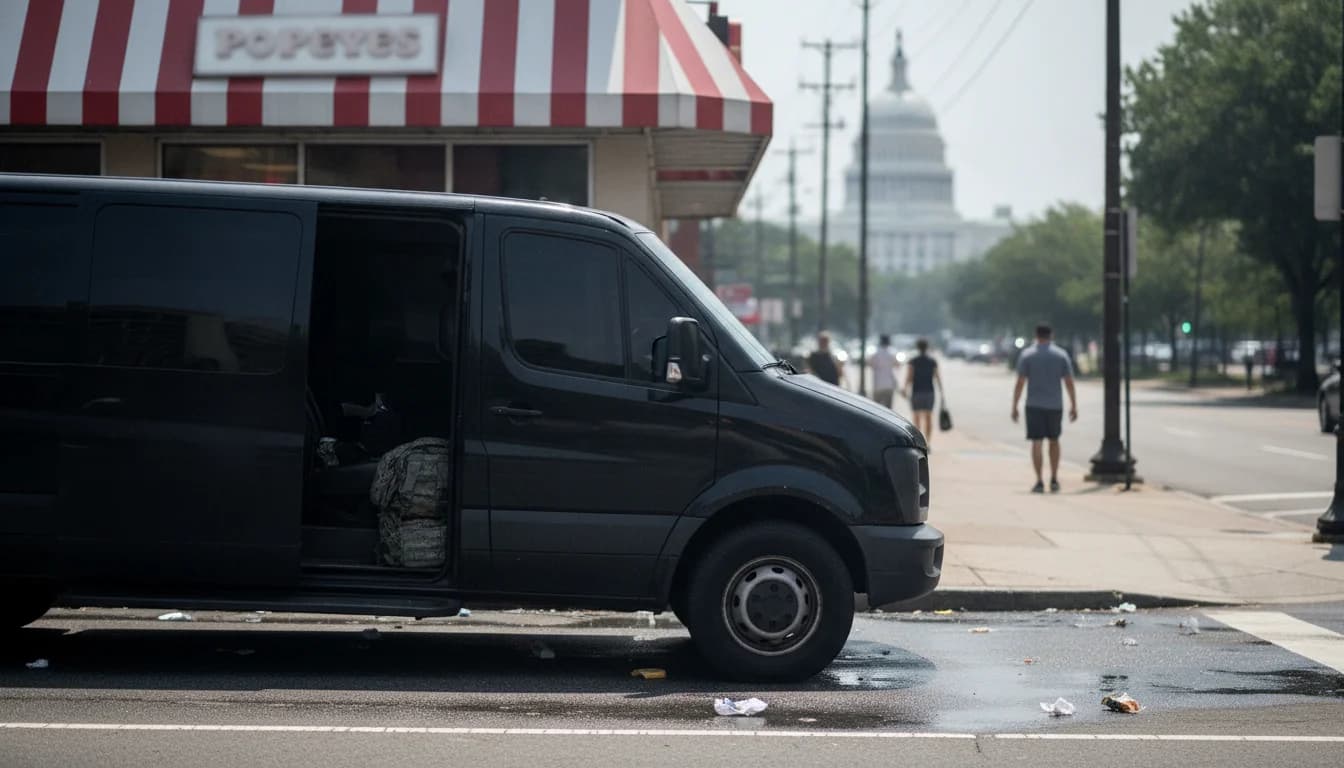
Zion Mitchell, 21, a Georgia National Guard member deployed to Washington, D.C., as part of a task force to support public safety operations, was arrested on September 1, 2026, in Washington, D.C., on charges related to firearms and violent conduct stemming from an August 25 incident outside a Popeyes at 1226 H Street NE. According to Metropolitan Police Department documents and local court filings, Mitchell faces two felonies: assault with a dangerous weapon and possession of a firearm during a crime of violence or dangerous crime, connected to a confrontation with another Guard member during a break from patrol. The arrest and charging details are outlined in public records and reported by multiple outlets, including AP News, CBS News, and Washington Post coverage, with the event anchored to the August 25 incident and the September 1 arrest date. This background sets the stage for a deeper look at the incident, the charges, and the broader policy environment around DC deployments of National Guard forces. The first-hand timeline below situates the incident within the chronology of events and official actions taken by law enforcement and the courts. (apnews.com)
Opening liftable fact paragraph Zion Mitchell, 21, a Georgia National Guard member, was arrested on September 1, 2026, in Washington, D.C., on charges of assault with a dangerous weapon and possession of a firearm during a crime of violence or dangerous crime, stemming from an Aug. 25 incident outside a Popeyes on H Street NE. (apnews.com)
What Happened
Arrest location and date
On September 1, 2026, Zion Mitchell was taken into custody in Washington, D.C., related to an event that allegedly occurred earlier in the day on August 25, 2026. Police records indicate the confrontation occurred while Mitchell and other National Guard personnel were taking a break from patrol duties in a vehicle parked outside a Popeyes restaurant at 1226 H Street NE. The incident involved an argument about Army grooming standards and culminated in Mitchell allegedly drawing a service weapon and pointing it at another Guard member during the confrontation. The arrest was part of ongoing investigations by the Metropolitan Police Department in coordination with the U.S. Attorney’s Office and DC court authorities. This chronology is established in the arrest affidavits and subsequent charging documents reported by major outlets. (washingtonpost.com)
The charges and legal papers
Mitchell faces two felony counts: assault with a dangerous weapon and possession of a firearm during a crime of violence or dangerous crime, according to the criminal complaint filed in the District of Columbia Superior Court. Public records indicate the charges stem from the August 25 incident and the ensuing investigation. The case documentation was filed with the district court and subsequently referenced in multiple outlets, including AP News and Washington Post reporting, which cite the arrest affidavit and the official charging papers. Court watchers can locate the related docket entries in the District of Columbia Superior Court’s online system. (apnews.com)
Timeline and sequence of events
- August 25, 2026: A group of National Guard members, including Mitchell, were on a patrol break near a Popeyes restaurant on H Street NE when a dispute over grooming standards occurred in a parked van. Witnesses and officers described an exchange that included an audible discussion about Army regulations and, according to sources, Mitchell briefly brandished or pointed a firearm during the argument. (washingtonpost.com)
- September 1, 2026: Zion Mitchell was arrested in Washington, D.C., related to the August 25 incident and charged with two felonies. The arrest is documented in arrest affidavits and court filings that subsequent media coverage has summarized. (apnews.com)
- Early September 2026: Local and national outlets reported the status of Mitchell’s case, including the nature of the charges and the connection to DC’s broader National Guard deployment. Coverage noted how the case fits into the larger narrative about guard deployments and public-safety operations in the nation’s capital. (washingtonpost.com)
Context: National Guard deployment in DC
Mitchell’s case unfolds within the broader context of a National Guard presence in Washington, D.C., that has been part of an anti-crime initiative that began in 2025 and has seen Guard members deployed alongside federal law enforcement and local police. The deployments were publicly framed around reducing crime and supporting public safety operations, though the missions have generated debates about legality, effectiveness, and jurisdiction. Reporting on the guard presence and its evolution indicates that the deployments have remained a topic of political and community attention since their inception. (washingtonpost.com)
Why It Matters
Impact on DC deployment operations
The Zion Mitchell case highlights potential hazards and governance questions around large, multi-jurisdictional deployments of National Guard forces in an urban setting. When a service member faces serious firearms charges in the city whereGuard personnel are operating, it invites scrutiny of training protocols, on-site command and control, and the processes for disengaging and de-escalating tense moments among patrol teams. Observers note that incidents like this can influence public perception of the Guard’s role in civilian policing and may shape policy discussions about rules of engagement, armaments management, and the boundaries between military and law-enforcement authorities in domestic deployments. (washingtonpost.com)
Legal implications and public safety policy
The two felony charges carried by Mitchell—assault with a dangerous weapon and possession of a firearm during a crime of violence or dangerous crime—are serious offenses in the District of Columbia. They intersect with District firearms laws and with military training protocols, raising questions about whether on-duty, off-duty, or “in-service” firearm handling norms apply to Guard members in civilian space during deployments. The case therefore functions as a touchpoint for ongoing public policy debate about the governance of National Guard forces deployed to domestic cities, the adequacy of interagency coordination, and the safeguards that ensure both guard personnel and the general public remain protected during rapid-response operations. The reporting also underscores the necessity for transparent and timely publication of arrest affidavits and charging documents to inform the public and analysts. (apnews.com)
Stakeholder perspectives and public reaction
Reacting to the incident, various stakeholders—from local law enforcement to national commentators—have emphasized accountability, training, and operational guardrails that might limit the recurrence of similarly risky on-scene confrontations. Coverage by major outlets has included statements about the incident’s location, the weapon involved, and witness accounts of the events that preceded the confrontation. The narratives that emerge from these sources stress the importance of maintaining civil liberty protections and clear rules governing the presence and conduct of military personnel in civilian settings. While some viewpoints emphasize the necessity of rapid-response capabilities, others push for enhanced oversight and post-incident reviews to ensure that deployments meet civilian governance standards. (washingtonpost.com)
What’s Next
Proceedings and anticipated timeline
The case is being handled through the District of Columbia Superior Court system, with initial charges filed after the August 25 incident and the formal arrest occurring on September 1, 2026. Court watchers will be looking for key steps in the process, including arraignment, pretrial motions, and any bail decisions. The District of Columbia Courts provide a public case-search portal that can be used to monitor docket entries, filings, and scheduling as the case progresses. For reference, the official online case search offers near real-time docket information for eligible cases, with document images available in some instances. (eaccess.dccourts.gov)
What to watch for next
- Arraignment and bail determination: Expect a court appearance to set conditions for release or detention status, depending on the judge’s assessment of risk and flight concerns. Media coverage and court filings will likely outline the conditions, if any, imposed on Mitchell during pretrial proceedings.
- Discovery and evidence: As the case unfolds, prosecutors will disclose evidence, including witness statements and forensic materials, while defense counsel will challenge the admissibility or interpretation of key items. Observers will assess how this evidence aligns with the charges and the applicable legal standards in the District of Columbia.
- Broader policy conversation: Depending on the court’s handling of this and similar cases, policymakers may revisit guidelines for National Guard deployments, rules governing on-scene interactions, and the integration of military personnel into civilian law-enforcement operations.
How readers can stay updated
- Follow District of Columbia Superior Court docket entries via the DC Courts eAccess system to see upcoming hearings, filings, and rulings. The court’s online resources are designed to provide timely docket information and, in some cases, document images. (eaccess.dccourts.gov)
- Monitor national and local news outlets for updates on the case’s status, including notable rulings, plea negotiations (if any), and ongoing discussions about the National Guard’s role in DC. Covered outlets have reported on the charges and the context of the deployment, which will likely continue to evolve as the case moves forward. (apnews.com)
- Review the DC Superior Court Case Search portal directly for case-specific data such as case numbers, court dates, and docket notes, which can help readers verify the timeline and the judicial decisions as they occur. (dccourts.gov)
The Broader Market and Technology Context
Technology and data transparency in law enforcement and deployments
The Zion Mitchell case, while a legal matter, intersects with broader themes about transparency, data-sharing, and the role of technology in monitoring, documenting, and communicating about National Guard deployments in urban environments. As cities rely more on integrated data systems for deployments and public safety coordination, the case highlights the importance of accessible, credible, and verifiable public information. Public-facing court records and reliable media reporting—paired with clear official statements—help ensure accountability and informed public discourse. The DC Superior Court online systems, as well as law-enforcement affidavits and charging documents released or summarized by reputable outlets, provide a model for how data and evidence can be presented to readers in a manner that supports both transparency and due process. (eaccess.dccourts.gov)
Market dynamics around national security and domestic deployment policies
Beyond the courtroom, the DC deployment framework—the multi-agency task forces, the involvement of state National Guards, and the collaboration with federal partners—reflects broader policy choices about resource allocation, intergovernmental coordination, and civilian oversight. As policymakers and security researchers study the efficacy and public safety outcomes of such deployments, the Zion Mitchell case serves as a data point for evaluating risk, training adequacy, and governance structures in real-world settings. Analysts may consider the implications for future procurement of training simulators, firearm safety curricula, and interagency liaison roles that can reduce on-scene escalations. This is a live topic in national security and urban governance discussions, where data-driven assessments help inform policy decisions. (washingtonpost.com)
What readers should know about media coverage and primary sources
The reporting on this case has involved multiple outlets, each presenting a version of the events drawn from arrest affidavits, court filings, and official statements. For readers who want to verify specifics, it is useful to consult primary sources such as the Metropolitan Police Department arrest affidavits and the District of Columbia Superior Court docket, accessed through official channels. The availability of these primary documents helps readers form a precise understanding of the incident chronology, the exact charges, and the judicial pathway forward, reducing reliance on headlines or secondary summaries. (apnews.com)
Closing
The National Guard firearms arrest DC case involving Zion Mitchell draws attention to the ongoing conversation about how urban deployments of military personnel interact with civilian law and governance. As the District of Columbia Times pursues a data-driven, balanced perspective, readers should expect ongoing coverage of arraignments, filings, and policy debates that shape how Guard deployments are managed in Washington, D.C., and across the country. The coming months will reveal how prosecutors, defense teams, and judges navigate the legal process, and how policymakers weigh the trade-offs between rapid-response capabilities and civil-liberties protections in high-stakes, high-pressure environments.
Readers who want to stay informed can regularly check the District of Columbia Superior Court docket and the court’s public access portal for updates on this case. In parallel, national coverage will continue to contextualize Mitchell’s charges within the wider framework of the DC anti-crime deployment and the continuing evolution of the Guard’s role in domestic operations.
As DC continues to balance security with civil liberties, this case will likely serve as a bellwether for how law enforcement and military personnel navigate the complexities of working together in a city where national policy and local governance converge.
The District of Columbia Times will continue to monitor official filings, court proceedings, and policy discussions to provide readers with transparent, balanced, and timely coverage of National Guard firearms arrest DC developments, including how they influence future deployments, safety protocols, and oversight structures.
Notes on sources and verification (for readers seeking primary materials)
- Arrest details, complaint and charges have been reported in AP News coverage, which references the underlying arrest affidavit and the District of Columbia Superior Court filing. See AP News coverage of Zion Mitchell’s arrest and charges. (apnews.com)
- The Washington Post reported on the arrest and the underlying arrest affidavit, including witness accounts and the location outside the Popeyes restaurant. See Washington Post coverage of the case. (washingtonpost.com)
- District of Columbia Superior Court eAccess provides a docket access portal for monitoring case activity and filings. See the DC Court eAccess home page for docket information. (eaccess.dccourts.gov)
- The District of Columbia Superior Court Case Search portal also hosts case-specific docket entries and potential document images where available. See the official case search portal. (dccourts.gov)