Mayor Bowser Hypothermia Season Start
Get a comprehensive, data-driven update on Mayor Bowser's hypothermia season start in DC, highlighting resources and technology-driven readiness.
By Julio Sandoval
November 8, 2026
12 minute read
Mayor Bowser hypothermia season start
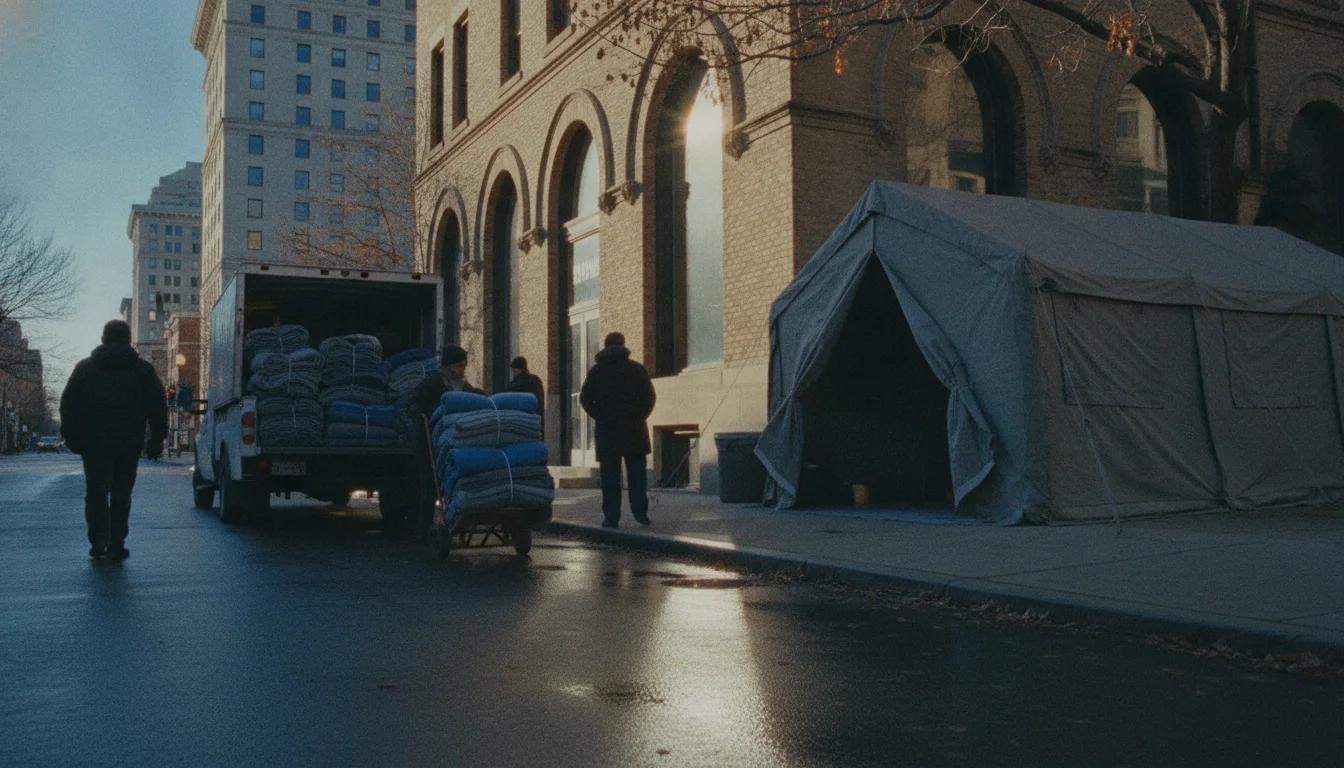
Washington, DC — On November 5, 2026, Mayor Muriel Bowser announced the start of hypothermia season during a morning event at Triangle Park, joined by the DC Department of Human Services (DHS), DowntownDC BID, and community partners. The ceremony signaled the District’s annual winter readiness effort, highlighting expanded shelter, outreach, and a communal pledge to help neighbors experiencing homelessness during the cold months. The event’s timing, location, and participants were confirmed in a Mayor’s Office release published the day prior, with a clear emphasis on mobilizing residents to support vulnerable neighbors as winter conditions set in. This is a key data-driven moment for DC’s social services strategy, coinciding with ongoing analyses of shelter capacity, cold-weather safety messaging, and interagency coordination that affect thousands of residents each season. The announcement matters not only for immediate shelter access but also for how residents, businesses, and service providers collaborate to reduce cold-weather risk in a city with a substantial unhoused population. The date and context for this year’s start of hypothermia season are documented in the Mayor’s press materials and the DHS-linked resources that accompany the event. (mayor.dc.gov)
According to Mayor Bowser's November 4, 2026 press release, hypothermia season runs from November 1 through March 31, totaling 151 days in 2026. The clearly defined window is central to how District agencies schedule shelter overflow capacity, street outreach, and transportation to warming centers during the coldest months. This exact date range is used in DC government communications to coordinate cold-weather services and to set expectations for residents and partners about when enhanced supports are activated. The explicit date range—November 1 through March 31—frames every subsequent outreach, hotline operation, and shelter status update for the season. This calculation and its framing come directly from the administration’s public guidance and are cited here for transparency and traceability. (mayor.dc.gov)
Hypothermia season is more than a bureaucratic label; it maps to concrete, life-saving services. The administration notes that the season’s activation includes expanded shelter and outreach, ensuring that every resident has a safe, warm place to go. It also emphasizes the Shelter Hotline as a primary access point for those in need, enabling connections to shelter, warmth, and transportation to facilities around the District. The official materials point to the Shelter Hotline at 202-399-7093 and to 311 as routes to sustain mobility and support for those most vulnerable during extreme weather. The event and supporting materials underscore the District’s commitment to a right-to-shelter framework during hypothermia season and to a coordinated, datadriven response across agencies and partners. (mayor.dc.gov)
“The Hypothermia Awareness Pledge is a commitment to watch out for neighbors experiencing homelessness during the winter months.” This phrasing appears in the event materials surrounding the November 5, 2026 activation and is echoed in DHS and health communications tied to the season. The pledge represents a community-facing layer of the District’s formal cold-weather response, recognizing that informal neighbor-to-neighbor support can augment formal shelter and outreach networks. The pledge language and its presence at the November 5 event are summarized in the Mayor’s press materials. For context and continuity, see the accompanying materials that outline how residents can participate and how the District coordinates with DowntownDC BID and DHS to extend shelter access and outreach during hypothermia season. (mayor.dc.gov)
Section ## What Happened
Announcement Details
The November 5, 2026 hypothermia season kickoff was held at Triangle Park in downtown DC, with Mayor Bowser delivering remarks alongside A.D. Rachel Pierre, Director of the DC Department of Human Services, Gerren Price, President & CEO of the Downtown DC BID, and other partners. The event, organized in collaboration with DHS and DowntownDC BID, sought to elevate public awareness of winter safety resources and to mobilize residents to participate in the Hypothermia Awareness Pledge. The mayor’s office described the event as a moment to “announce the start of hypothermia season and urge residents to sign the Hypothermia Awareness Pledge,” a direct signal to the public about expected weather-related needs and the available supports. The official schedule and participants were published in the mayoral release ahead of the event, confirming the key players and location. This is a standard part of DC’s winter strategy, aligning community engagement with interagency operations to ensure rapid access to shelters and services when cold-weather conditions intensify. (mayor.dc.gov)
Timeline of Events
Hypothermia season runs from November 1 through March 31, with heightened shelter capacity and outreach activated during the coldest periods. The November 5 event was the formal public marker for the season’s start in 2026, building on years of DC practice that began each cycle with a pledge and a public briefing about shelter resources, warming items, and transportation to shelters. The season’s activation triggers a coordinated set of outreach activities, shelter openings, and transportation options designed to reduce cold-weather risk among people experiencing homelessness. The timeline laid out by the administration emphasizes that cold-weather resources scale up as temperatures fall and as forecasted weather warrants. The official materials reiterate the timing and the operational expectations for the season, including how residents can access services. (mayor.dc.gov)
Resources Highlighted
The November 5 kickoff and related materials emphasize practical resources for residents and visitors in need. The DC government outlines hot meals, warming items, shelter access, and support for individuals experiencing homelessness as core components of the hypothermia season. The Shelter Hotline and 311 lines are presented as the primary access channels for people seeking transportation to shelter or welfare checks, reinforcing the District’s commitment to rapid outreach during extreme cold. The event materials also note that hypothermia season includes the activation of additional shelter capacity when needed, and the District maintains a set of designated shelters to meet demand across wards. This operational emphasis—shelter capacity, outreach, and transportation—reflects the data-driven approach the city uses to allocate resources efficiently during the winter months. (mayor.dc.gov)
What It Means for the Public
In practical terms, the start of hypothermia season signals a broader safety net for DC residents and visitors. The pledge invites community members to participate in a neighborhood-level safety net, complementing formal services offered by DHS and shelter providers. The event materials stress that cold-weather resources are real and accessible, with hot meals and warming items readily available through the shelters network. For the public, this means a clearer pathway to shelter and to transportation during the season, and a clearer expectation that the District will activate additional shelters as needed. The public-facing messaging around the pledge, the hotline, and shelter access is designed to lower barriers to help and to encourage proactive outreach to neighbors in need. (mayor.dc.gov)
The Data Context: What Do We Know About Homelessness and Readiness?
The press materials tied to the November 5 event reference a broader data context that informs readiness and response. The 2026 Point-in-Time Count (PIT) data cited in the event materials indicates notable progress: family homelessness is down by 54.8 percent since 2015, family shelter entries fell by 30 percent year-over-year, and the number of unsheltered individuals declined by an estimated 9.3 percent from 2025. The District’s shelter capacity is described as nearly 1,300 beds in total, with the possibility of additional beds brought online if demand requires it. This data backdrop helps shape the narrative around the hypothermia season start, signaling that the city is operating from a position of increased readiness and evidence-based planning. The PIT context is included to illustrate both the progress achieved and the ongoing need for a robust winter response. (mayor.dc.gov)
The Pledge and Outreach Mechanisms
The pledge at the heart of the hypothermia season kickoff serves as a public-facing instrument to extend care and safety into the community beyond shelter systems. The pledge is described as a commitment to watch out for neighbors experiencing homelessness, with the DC DHS and DowntownDC BID participating in the effort to broaden awareness and participation. The pledge is supported by outreach activities and materials designed to guide residents in identifying signs of distress, contacting the Shelter Hotline, and assisting neighbors in accessing warming centers and transportation services. The pledge is a practical way to operationalize the spirit of “neighbors helping neighbors” within the city’s formal winter response framework. (mayor.dc.gov)
Section ## Why It Matters
Public Health and Safety Implications
Hypothermia season is a critical public health window in the District. The District’s approach to cold-weather safety—combining shelter capacity, 24/7 outreach, and accessible transportation—addresses a spectrum of risk factors, from exposure to hypothermia to barriers in seeking shelter. The November 5 kickoff emphasizes that the District’s response is not merely reactive to cold snaps; it is a proactive, data-informed system designed to minimize harm. By expanding shelter availability, improving outreach, and enabling transportation to warming centers, DC aims to reduce cold-weather injuries and ensure that vulnerable populations have pathways to warmth and safety during peak winter months. This is particularly important given interagency coordination among DHS, HSEMA, the DowntownDC BID, and partner organizations that contribute to a more comprehensive safety net. The data and the operational plan presented during the kickoff illustrate a deliberate effort to couple public health objectives with a logistics and services approach that prioritizes timeliness and accessibility. (mayor.dc.gov)
The Hypothermia Awareness Pledge underscores the social dimension of DC’s winter readiness: community members are invited to participate in a safety net that complements formal shelter options. This emphasis reflects a recognition that preventing cold-weather injury is not solely about beds and buses, but also about ensuring neighbors are connected to help when they need it most. The pledge text reinforces a communal ethic alongside the city’s broader service delivery framework. This balance of public health infrastructure and civic participation is a hallmark of DC’s winter strategy. (mayor.dc.gov)
Technology and Data-Driven Readiness
Technology and data play central roles in DC’s hypothermia season readiness. Data-driven decision-making informs shelter capacity planning, outreach deployment, and the timing of alerts to residents about cold-weather risks. The District’s winter plan includes explicit data points, such as PIT counts and shelter capacity metrics, that influence resource allocation and service delivery. The use of real-time data helps ensure that the city can scale shelter operations efficiently as weather patterns shift. The hypothermia season structure—with defined dates, a clear pledge, and a coordinated network of shelters—reflects a governance model that relies on data integration across DHS, HSEMA, and partner institutions to optimize responses during winter. The 2026 event materials explicitly reference the PIT data to provide context for ongoing progress and ongoing needs, illustrating how data informs policy and practice in real time. (mayor.dc.gov)
Market and Community Partnerships
DC’s approach to hypothermia season also depends on partnerships with the private sector and community organizations. DowntownDC BID’s involvement in coordinating outreach and shelter access underscores the role of local business districts in social service delivery, particularly during winter when foot traffic and commercial activity intersect with shelter accessibility. These partnerships help extend the reach of public services, improve transportation options to shelters, and broaden community engagement with winter safety initiatives. The November 5 event cements this collaboration as a practical, ongoing element of the District’s winter readiness strategy. The partnership angle is not ceremonial; it reflects a core market-and-community integration that can influence how service providers plan, staff, and finance the hypothermia season. (mayor.dc.gov)
What It Means for District Residents and Businesses
For District residents, the hypothermia season start signals more robust, reliable access to shelter and warmth when temperatures drop. It also signals a continued culture of community responsibility, reinforced by the Hypothermia Awareness Pledge and a clearly communicated set of resources and hotlines. For District businesses, particularly in the Downtown core, the initiative reinforces the importance of planning for winter demand, employee safety, and community engagement; it also highlights opportunities to partner with the city in outreach efforts and in supporting vulnerable neighbors. The integration of shelter capacity with business district coordination demonstrates a broader approach to urban winter safety, combining public services with private-sector leverage to deliver more comprehensive coverage during the colder months. (mayor.dc.gov)
Section ## What's Next
Next Steps for Residents and Partners
Looking ahead, the District’s hypothermia season plan will focus on sustained outreach, incremental shelter openings as needed, and continuous communication with the public about available resources. The Dog Days of early November may bring near-term weather fluctuations, which could trigger rapid adjustments to shelter capacity and transit options. Residents are encouraged to save the Shelter Hotline number (202) 399-7093 and the 311 line, maintaining quick access to transportation to shelters and welfare checks if they’re concerned about a neighbor or a person experiencing homelessness. The Mayor’s Office and DHS will likely release periodic updates on the number of beds available, the activation status of overflow sites, and any changes to the cold-weather alert system, including how “Cold Alerts” differ from prior “Hypothermia Alerts.” The ongoing dialogue between city agencies and community partners will shape how the season unfolds in practice. (mayor.dc.gov)
Monitoring and Reporting Milestones
As the season progresses, DC agencies will monitor and publish progress indicators related to shelter capacity, shelter hotline utilization, and transport-to-shelter metrics. The PIT counts provide a benchmark against which to measure progress at the end of the season, and the 2026 data points — such as the 54.8 percent drop in family homelessness since 2015 and the 9.3 percent decline in unsheltered individuals from 2025 — offer concrete reference points for evaluating policy effectiveness and service delivery enhancements. The District’s data-driven approach will continue to rely on interagency collaboration, continued private-sector involvement, and community participation in the Hypothermia Awareness Pledge. The city’s capacity to scale beds, transport services, and outreach channels will be a focal point for the next steps in the hypothermia season. (mayor.dc.gov)
Forecasts and Preparedness Scenarios
Forecasting winter needs in DC requires a blend of weather projections, shelter occupancy modeling, and social service capacity planning. The city’s winter plan and cold-weather readiness framework aim to keep the shelter system flexible, with contingency plans to raise or lower overflow capacity as forecasted conditions dictate. The integration of data sources, such as PIT counts and daily shelter occupancy, will guide decisions about where to deploy outreach teams, how to allocate warming items, and when to activate additional overflow sites. The District’s ongoing focus on data-informed policymaking suggests that the hypothermia season will be adjusted based on a combination of weather trajectories and observed demand. As the season unfolds, the public can expect periodic updates on shelter access, transportation options, and the city’s overall readiness. (mayor.dc.gov)
Closing
The start of hypothermia season marks a critical inflection point in DC’s winter readiness. Mayor Bowser’s November 4, 2026 release, the subsequent November 5 event, and the DHS-backed pledge signal a renewed emphasis on data-driven planning, expanded shelter capacity, and community engagement to protect vulnerable neighbors during the coldest months. The District’s approach — anchored by a transparent date range (November 1 to March 31), a measurable increase in shelter beds, and a public-facing pledge — demonstrates how government, civil society, and the private sector can coordinate to reduce cold-weather harm. For residents and partners, the immediate takeaway is clear: the District has established structured access to shelter and transportation, with a community-backed pledge that invites participation and shared responsibility.
As the season progresses, DC will continue to publish updates on shelter access, bed availability, and transportation options, as well as periodic alerts through AlertDC and related channels. To stay informed, residents should monitor the mayor’s office releases, the DHS updates, and the DowntownDC BID communications, and should keep the Shelter Hotline number handy for urgent needs. The fall-to-winter transition in DC’s winter safety apparatus is not just a policy shift; it is a living, evolving system designed to adapt to weather and demand in real time, ensuring that every DC resident has a safe and warm place to go when the temperatures drop.