Lincoln Memorial Undercroft Museum Opens
Explore DC Times' coverage of the Lincoln Memorial Undercroft Museum's opening, featuring innovative and tech-driven exhibits.
By Terrence Holt

August 21, 2026
10 minute read
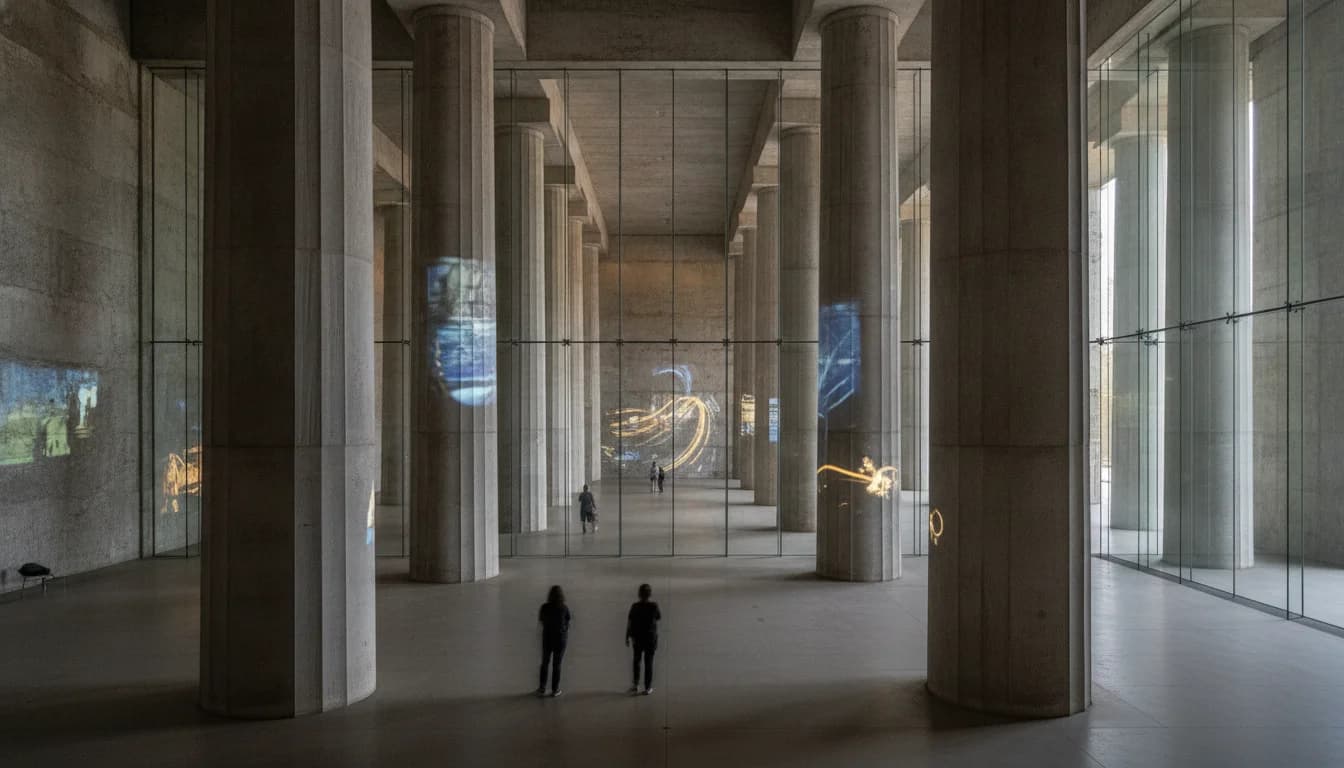
Washington, D.C. — The Department of the Interior announced the opening of the Lincoln Memorial Undercroft Museum, a new 15,000-square-foot immersive space beneath the Lincoln Memorial on the National Mall. The project, developed through a landmark public-private partnership, expands the memorial’s interpretation and opens a rarely accessed space to the public. The opening comes ahead of the nation’s 250th birthday, signaling a broader push to modernize historic landmarks while preserving their core stories for diverse audiences. The unveiling was accompanied by officials from the Department of the Interior, the National Park Service, and project partners, highlighting a shared commitment to accessible, data-driven interpretation of a milestone American monument. U.S. Department of the Interior press release.
The Lincoln Memorial Undercroft Museum opened on June 25, 2026, in a 15,000-square-foot immersive space beneath the Lincoln Memorial, according to the U.S. Department of the Interior press release. This fact anchors a broader narrative about how museums are rethinking space, accessibility, and storytelling in the shadow of one of the nation’s most enduring symbols. The new experience adds curated content that covers the memorial’s construction, symbolism, and its role in civil rights history, with a focus on visitor engagement through multimedia exhibits, tactile elements, and enhanced accessibility features. The project emphasizes public access while maintaining rigorous standards for historical interpretation.
The opening also marks a benchmark in a decade-long effort to upgrade the Lincoln Memorial’s lower level. A cadre of engineers, designers, and philanthropic partners collaborated to convert undercroft space into a visitor-facing museum that preserves original architectural features while introducing modern interpretive tools. The official opening was celebrated in a ceremony that brought together lawmakers, agency leaders, and philanthropic stakeholders to emphasize the enduring relevance of the Lincoln Memorial as a civic stage. The event aligns with a broader trend toward immersive, technology-enabled history spaces that aim to attract both first-time visitors and repeat guests who seek deeper context and interactive learning.
What Happened
Announcement and Opening Timeline
- The Interior Department’s formal announcement on June 25, 2026, confirmed the opening of the Lincoln Memorial Undercroft Museum and highlighted the 15,000-square-foot footprint beneath the memorial, designed to tell the full story of the site's construction, symbolism, and ongoing public role. The release noted the collaboration among the National Park Service, National Park Foundation, and private partners that made the project possible. Interior Department press release. (doi.gov)
- Timed-entry tickets and advance booking were announced by the National Park Service as part of the rollout, with reservations opening in advance of the public opening. The timing was positioned to help manage crowds and provide a consistent visitor experience as the site integrated new exhibit spaces. National Park Service timing and access details. (nps.gov)
- Public access and pricing were clarified through NPS and related pages, including advance ticket reservation costs. The Lincoln Memorial Undercroft experience requires a ticket, with an advance reservation price noted in the fees schedule. NPS Fees & Passes page. (home.nps.gov)
Space, Technology, and Content
- The announced footprint covers 15,000 square feet of immersive exhibits beneath the monument, designed to provide an expanded perspective on the memorial’s construction and its historical resonance. The interior exhibits blend multimedia storytelling with tactile and audio components to enhance accessibility. The press release emphasized that the experience is designed to be engaging for a broad audience, including school groups, researchers, and general visitors. Interior Department press release. (doi.gov)
- The project built on years of planning and collaboration, incorporating input from engineers, architects, conservators, and exhibit designers, with philanthropic partners playing a pivotal role in funding and governance. The resulting space is intended to provide visitors with a deeper understanding of the memorial’s foundations, symbolism, and role in civil rights history. Enhanced Exhibit Space article. (nps.gov)
Access, Tickets, and Visitor Experience
- Access to the undercroft portion of the Lincoln Memorial is now integrated into the visitor experience with timed-entry tickets. The National Park Service’s announcements for the Lincoln Memorial undercroft experience emphasize that patrons should plan ahead for this ticketed portion of the site. NPS Lincoln Memorial planning and tickets. (nps.gov)
- The price point for advance reservations is modest, reflecting a balance between visitor access and the maintenance of a high-quality interpretive experience. The Fees & Passes page notes an advance ticket reservation cost of $1.00. NPS Fees & Passes. (home.nps.gov)
Official Commentary and Perspective
- In remarks accompanying the opening, Secretary of the Interior Doug Burgum described the Lincoln Memorial as more than a monument, underscoring the new museum’s role in making the site more accessible and engaging for millions of visitors. This sentiment was echoed by Jessica Bowron, Comptroller, Exercising the Delegated Authority of the Director, highlighting the museum’s ability to offer a fresh perspective on one of the nation’s most iconic landmarks. The statements reflect a shared view across agency leadership that this kind of interpretive investment strengthens public understanding of the memorial’s legacy. Interior Department press release. (doi.gov)
The project’s emphasis on accessibility and modern interpretation aligns with a growing preference in cultural institutions for immersive, technology-enabled experiences that can scale to large audiences while preserving core historical narratives. As the Lincoln Memorial Undercroft Museum enters its public phase, observers watch how the blend of digital content, tactile elements, and storytelling helps visitors connect with the memorial’s ongoing relevance in American civic life.
The Lincoln Memorial Undercroft Museum opens a new chapter in how visitors engage with a historic site, transforming a hidden space into an accessible, data-driven interpretive complex that invites reflection on the memorial’s construction, symbolism, and enduring public significance. [DOI press release; cited above]
The Lincoln Memorial Undercroft Museum is part of a broader national trend toward deeper interpretation of historic landmarks through digital tools, with public-private partnerships playing a central role in funding and governance. In this sense, the new undercroft experience sits at the intersection of technology adoption, heritage preservation, and inclusive public outreach, offering a model for other memorials and national landmarks seeking to balance commemorative storytelling with contemporary audience expectations.
Why It Matters
Cultural and Educational Value
The Lincoln Memorial Undercroft Museum expands the educational envelope around a site already embedded in American memory. By providing a dedicated space for interpretive content about the memorial’s construction, symbolism, and civil rights associations, the facility supports formal education goals and informal learning alike. Data-driven exhibitions—featuring multimedia narratives, touch-enabled displays, and accessibility-forward design—can help diverse audiences grasp complex historical narratives in a hands-on way. The Department of the Interior press release frames the project as a vehicle for preserving a national treasure while broadening its reach to new generations of visitors. DOI press release
In parallel, the National Park Service’s planning materials emphasize that the undercroft space is designed to complement the memorial’s existing public programs by offering deeper context that can be accessed in a single, extended visit or in shorter, timed sessions. This flexibility supports school field trips, researchers, and international visitors who may have time constraints but still seek a rigorous interpretive experience. NPS planning and visit pages
Technology-Driven Exhibits and Market Trends
- Immersive experiences are increasingly central to museum strategy. The Lincoln Memorial Undercroft Museum’s 15,000-square-foot footprint is representative of a broader push toward large-format, tech-enabled exhibits that combine video, audio, and interactive displays with traditional artifact interpretation. Industry observers note that these experiences can drive higher dwell times, repeat visitation, and stronger engagement metrics, particularly when paired with targeted educational programming. Enhanced Exhibit Space article
- Accessibility and inclusivity are core design pillars for modern memory institutions. With refreshed content and accessible features, the undercroft project aligns with contemporary expectations that public institutions serve diverse audiences, including visitors with disabilities. The National Park Service’s accessibility page for the Lincoln Memorial undercroft highlights ongoing efforts to ensure barrier-free access to new exhibits. NPS Accessibility page
Market observers point to the public-private partnership as a key to the project’s scale and speed. Partnerships of this kind can mobilize philanthropic support, private-sector exhibit design expertise, and long-term stewardship arrangements that help sustain large, technology-driven projects beyond initial funding cycles. The interior press release notes this collaboration explicitly, framing it as a model for revitalizing historic landmarks while preserving their integrity. DOI press release
Public Access, Tourism, and Civic Life
The Lincoln Memorial Undercroft Museum sits in a city and region where tourism and civic life intersect with national history. DC-area tourism planning materials and national park communications emphasize that new experiences at the Lincoln Memorial and other Mall-area institutions contribute to a broader economic and cultural ecosystem. Access policies, including timed-entry tickets and modest entry pricing, are designed to balance visitor experience with preservation needs. These factors matter for local businesses, transit planners, and city leaders who track visitor flows and spend associated with museum visits. NPS visitor planning materials
What's Next
Timeline and Next Steps for Visitors
- Ongoing access management and scheduling will continue to be refined as the undercroft experience stabilizes its operations. The timed-entry framework—already in place at opening—helps manage crowding while enabling a high-quality visit. Visitors should plan ahead via the National Park Service booking system and monitor updates from the Lincoln Memorial’s official pages for any changes in hours or capacity. NPS timing and access details
- Future content updates and seasonal exhibits are anticipated as the interpretive program matures. The press release highlights the adaptive nature of the space, with potential expansions in multimedia storytelling, expanded artifacts, and added programmatic events tied to national commemorations and educational partnerships. DOI press release
Operational Considerations and Accessibility Enhancements
- Accessibility is a continuing priority, and the undercroft project includes enhanced accessibility features designed to enable a broad audience to engage with Lincoln’s legacy. The accessibility page for the Lincoln Memorial undercroft outlines ongoing efforts to ensure inclusive access to exhibits and programs. NPS Accessibility page
- Pricing and visitor services will likely continue to evolve as attendance patterns emerge and as digital ticketing tools mature. The current pricing structure for advance reservations, as posted on the NPS fees page, provides a baseline for how the public-private partnership has balanced access and sustainability. NPS Fees & Passes
What this means for the broader field of technology-enabled heritage spaces is both practical and timely. Museums and memorials across the country are watching how the Lincoln Memorial Undercroft Museum negotiates the dual imperatives of rigorous historical storytelling and scalable visitor experiences. The project demonstrates how curated content, digital and tactile interactivity, and carefully designed access policies can coexist with the solemn, contemplative character of a national monument. As more sites experiment with similar models, data-driven evaluation—visitor satisfaction, dwell time, learning outcomes, and accessibility metrics—will shape best practices for future projects.
Opening a space like the Lincoln Memorial Undercroft Museum also raises questions about governance, funding, and accountability. The press release emphasizes collaboration among federal agencies, philanthropic partners, and private-sector designers, signaling a governance approach that blends public stewardship with private-sector efficiency. For researchers and policymakers, this model provides a case study in how to steward iconic landmarks without compromising historical integrity or the public’s ability to access them. The balance between storytelling depth and visitor convenience will likely continue to evolve as the program expands and adds new interpretive modules. DOI press release; National Park Service planning materials
What’s Next: A Forward-Looking View
- The Lincoln Memorial Undercroft Museum is positioned to become a focal point for discussions about how museums adapt to digital-age expectations while honoring national memory. As the exhibits develop, practitioners and scholars will likely examine metrics such as visitor engagement with multimedia content, the effectiveness of tactile displays, and the role of accessibility features in deepening learning outcomes. The current framework provides a baseline for such evaluations. NPS planning materials; DOI press release
- In the near term, expect ongoing programming tied to national anniversaries and civic education initiatives. With a footprint of 15,000 square feet, the undercroft space offers room for rotating exhibitions and potentially partnerships that bring new artifacts or digital interpretive pieces into the public realm. The combination of public heritage and private-sector collaboration could become a template for future memorial or historical-site improvements. DOI press release; National Mall and Memorial Parks planning context
Closing
The Lincoln Memorial Undercroft Museum represents a deliberate, data-informed upgrade to one of America’s most recognized monuments. For visitors, researchers, and policymakers, it offers a new lens on the memorial’s story—one that blends historical accuracy with modern interpretive methods and inclusive access. As DC and the nation continue to celebrate milestones tied to the 250th anniversary of the United States, the undercroft space stands as a visible example of how heritage institutions can evolve while preserving the essential narratives that define national memory. To stay updated on future developments, monitor official channels from the Department of the Interior, the National Park Service, and the Lincoln Memorial’s visitor pages for the latest announcements, exhibits, and ticketing information.
If you’re planning a visit, remember that timed-entry tickets are required for the undercroft experience, and advance reservations help ensure a smooth, engaging visit. The Lincoln Memorial Undercroft Museum entry is designed to complement the memorial’s existing public programs, offering a more complete view of the site’s history and significance. For the most current details on hours, tickets, and accessibility, consult the National Park Service’s Lincoln Memorial pages and the Interior Department’s official announcements.