Jazz in the Garden American Sounds Returns to DC
District of Columbia Times covers Jazz in the Garden American Sounds at the National Gallery of Art with data-driven insights on arts and market trends.
By Julio Sandoval

August 3, 2026
10 minute read
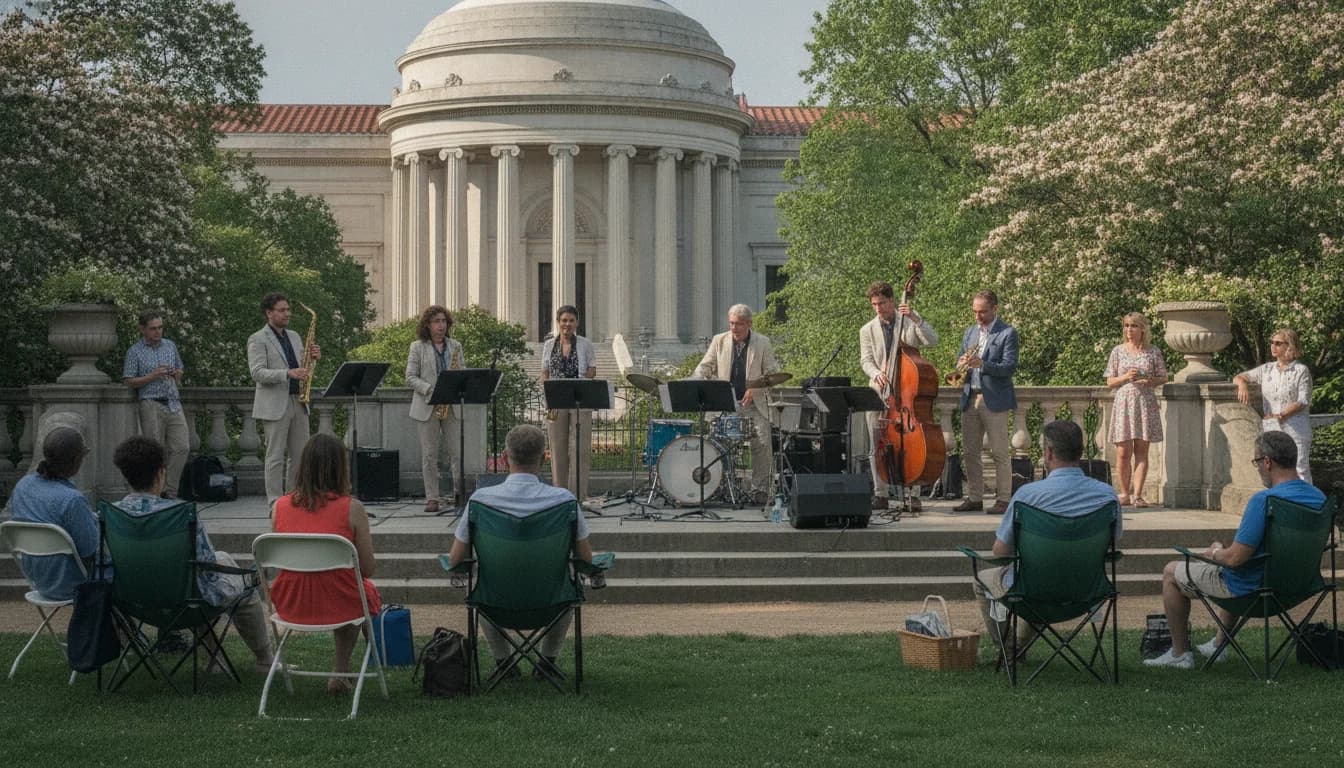
The District of Columbia Times reports that Jazz in the Garden American Sounds is returning to the National Gallery of Art this summer, staging a recurring Friday-evening tradition in the Sculpture Garden. The 2026 season, running from May 22 through August 14, highlights a nationwide perspective on American musical traditions, with a program designed to blend live performance with public art in a free, lottery-based access model. The season’s theme—American Sounds—emerges as a deliberate reflection of the country’s 250th anniversary, tying together Appalachian, Americana, Creole jazz, Hill Country blues, and contemporary jazz in a single, family-friendly outdoor setting. The national gallery emphasizes that Jazz in the Garden American Sounds is a curated, rotating roster of performers that invites attendees to experience a diverse spectrum of American music while surrounded by sculpture and seasonal programming. (nga.gov)
The opening weeks set the stage for a broader conversation about how public art spaces intersect with live music, cultural engagement, and community access. The National Gallery of Art notes that the Friday-night concerts run through August 14, with a scheduled exception on June 5 and July 3, and that gates reopen at 5 p.m. for passes, with performances typically beginning at 6 p.m. The initiative remains free to attend, though passes are allocated through a weekly lottery system designed to balance access across communities. This year’s approach continues to mix art, dance, and music with a program that aims to attract a wide cross-section of visitors, from art lovers to music enthusiasts, and from casual spectators to dedicated concert-goers. The Lottery windows open each Monday at 10 a.m. and close that Friday at noon, with winners notified the following Monday and able to register for up to four passes. The Gallery also hosts pre-show dance classes on select dates to complement the musical lineup. (nga.gov)
Section 1: What Happened
Schedule, Theme, and Venue
Jazz in the Garden American Sounds takes place on Fridays in the National Gallery of Art Sculpture Garden, with dates spanning May 22 to August 14, 2026. The program is explicitly described as part of the Gallery’s summer line-up, and the theme “American Sounds” functions as a cross-country musical tour through traditions that range from Appalachian and Americana to Creole jazz and Hill Country blues, culminating in contemporary jazz forms. The 2026 schedule explicitly notes that concerts occur on Fridays during the period, with exceptions on June 5 and July 3. Venue operations are designed to accommodate a large public audience while preserving the Sculpture Garden’s art-in-resonance experience. (nga.gov)
Key Dates and Lineup Details
The official National Gallery of Art calendar outlines that the Friday concerts run from May 22 through August 14, 2026, with gates reopening at 5 p.m. for pass holders and performances starting at 6 p.m. The calendar also confirms a handful of pre-show dance classes aligned with specific dates (May 22 and 29; June 12; July 24). The schedule further enumerates individual concert nights, including Friday, July 31 (Eric Byrd Trio, 6:00 p.m. – 8:30 p.m.), Friday, August 7 (The Honey Dewdrops, 6:00 p.m. – 8:30 p.m.), and Friday, August 14 (Brass Queens, 6:00 p.m. – 8:30 p.m.). These details underscore a clear, time-bound program with a consistent weekly cadence, punctuated by the lottery-based passes and on-site capacity management. The event’s free-to-attend status remains a central pillar, with pass allocation and day-of passes available to ensure broad public access. (nga.gov)
Access and Entry Mechanics
Access to Jazz in the Garden American Sounds is governed by a weekly lottery process designed to equalize opportunity for attendance. The Lottery opens at 10 a.m. on the Monday preceding each show and closes at noon on Friday; winners are notified the following Monday, after which they can register for up to four passes. For those not selected, a limited number of day-of passes are distributed at garden entrances starting at 5 p.m. The Garden’s grass seating operates on a first-come, first-served basis, and QR-code passes are required for entry. These details illustrate a structured approach to crowd management while preserving the egalitarian spirit of a free public program integrated with a major national art institution. (nga.gov)
Lineup Context and Notable Performances
Jazz in the Garden American Sounds brings a coast-to-coast roster of performers, emphasizing a spectrum of American musical identities. The season’s lineup includes a mix of local and touring acts designed to reflect regional traditions while bridging contemporary styles. The published schedule also highlights a multi-act approach on select evenings, with performances typically spanning two-and-a-half hours. The initiative’s emphasis on a diverse set of performers—ranging from Appalachian-inflected acts to blues-informed ensembles and contemporary jazz groups—demonstrates a deliberate curatorial strategy to convey the breadth of American sounds in a single, accessible outdoor space. The season’s capstone is a closing performance by a woman-led ensemble Brass Queens, illustrating an intentional emphasis on diversity and leadership within the jazz and broader American music community. (nga.gov)
What Happened on the Ground, Week by Week
On the opening Friday, May 22, the National Gallery of Art welcomed visitors as the sculpture garden transformed into a Friday-night gathering space, with pre-show activities and a steady flow of attendees advancing through the gates as evening approached. The event’s structure—free admission, pass-based access, and a strong lean into educational and social components like pre-show dance lessons—was designed to maximize community engagement while preserving the gallery’s security and maintenance standards. The official calendar confirms that the phase-in of 2026’s American Sounds theme began with Oh He Dead as the opening act, followed by a progression of acts designed to showcase regional influences and national stylistic shifts. The Garden’s amphitheater-like setting behind a grand collection of outdoor sculpture provided a curated soundtrack to a summer evening that blends culture and public space. (hoodline.com)
Section 2: Why It Matters
Cultural Significance and National Context
Jazz in the Garden American Sounds is positioned not merely as a concert series but as a cultural touchstone tied to the country’s 250th anniversary. The National Gallery of Art frames this season as a cross-country journey through American musical traditions, reinforcing a narrative that art institutions can serve as vital hubs for cultural exchange and public education. By curating a lineup that includes Appalachian, Americana, Creole jazz, and Hill Country blues, the event acts as a living archive of regional American music. This approach aligns with broader museum-led initiatives to contextualize art within living cultural practices and to invite audiences to experience art and music in an integrated environment. The collaboration between a major national art institution and a rotating roster of performing artists offers a model for how cultural institutions can attract diverse audiences while maintaining a rigorous, data-driven approach to programming. (nga.gov)
Economic and Community Impacts
Public programs like Jazz in the Garden American Sounds carry implications beyond cultural enrichment; they influence foot traffic, nearby hospitality businesses, and neighborhood vibrancy during evening hours. The Lottery-based entry system, while designed to ensure broad access, also creates predictable patterns of attendance, which can aid local vendors, security planning, and site operations. The free admission model lowers barriers to participation, expanding the potential audience to include students, families, and first-time museum visitors who might not otherwise engage with gallery programming. Coverage by local outlets notes that the series functions as a city-wide cultural anchor, attracting both residents and visitors who might combine the experience with other DC-area attractions. In past seasons and this season’s framing, the event has been described as a social “garden party” atmosphere that complements the Gallery’s sculpture collection while reinforcing the city’s summer identity. While official attendance figures are not provided here, the repeatability of the lottery system and the consistent Friday-night cadence suggest a stable demand pattern that benefits partner institutions and local businesses. (nga.gov)
Accessibility, Equity, and Public Engagement
A central theme of Jazz in the Garden American Sounds is accessibility. The National Gallery of Art emphasizes that the program is free to attend and relies on a lottery-based access model to distribute passes, which can democratize entry in a venue that typically commands high demand for special events. The presence of pre-show dance classes and other ancillary activities expands the program’s value proposition, offering experiential components that broaden the audience beyond traditional concert-goers. Notably, the Garden’s infrastructure supports accessibility with clear guidance on entry, seating, and weather-related changes. By coupling art with live music in a widely accessible outdoor setting, the event reinforces a broader public-facing mission for the arts sector in the DC region, particularly in a post-pandemic cultural landscape that seeks to re-engage audiences with public-facing cultural offerings. (nga.gov)
Media and Community Reception
Coverage from local and national outlets underscores the event’s role in shaping summer cultural calendars. News outlets have highlighted the lottery-based access, the family-friendly environment, and the cross-cultural potential of a season themed around American sounds. Reviews and previews emphasize the event’s ability to fuse art, music, and social experience in a way that resonates with a broad audience. While reception may vary by performer and week, the overarching narrative centers on Jazz in the Garden American Sounds as a reliable, data-informed platform for exploring how public art spaces can host high-quality performances while maintaining openness and inclusivity. This framing aligns with the District of Columbia Times’ editorial stance on neutral, data-driven analysis of technology and market trends, as the intersection of cultural events and urban life increasingly intersects with tourism, hospitality, and technology-enabled access models. (washingtonian.com)
Section 3: What’s Next
Upcoming Schedule, Tickets, and Long-Term Outlook
With the 2026 season running through August 14, the National Gallery of Art’s Jazz in the Garden American Sounds will continue its Friday-night cadence for the remaining weeks. The schedule, as published, includes week-by-week lottery windows and a cap on the number of passes per winner, ensuring an equitable distribution of access across the summer. For attendees, this means continued opportunities to experience live music in a curated outdoor setting while the Gallery maintains the integrity of its sculpture garden and visitor experience. The calendar also indicates that a select set of performances will occur in late July and August, with specific acts scheduled as listed on the venue’s official calendar, including the August 14 Brass Queens appearance. Readers and prospective attendees should monitor the Gallery’s calendar and the lottery announcements for the latest updates, since weather-related changes and capacity adjustments remain possible within the dynamic environment of outdoor events. (nga.gov)
What to Watch For in the Summer
Beyond the official schedule, observers should watch for shifts in attendance patterns, which can be influenced by weather, transportation access, and concurrent city events. The Garden’s evening setting can pose unique weather-related variables, including heat, humidity, or rain, which may affect both performer experiences and audience comfort. The pre-show dance classes present an additional element to watch for—these sessions can shape audience engagement and turnout, serving as a cross-pollination between visual arts, dance, and live music that could become a model for other museums and public spaces. As Jazz in the Garden American Sounds advances, the interplay between art, music, and city life could drive further opportunities to partner with technology platforms for ticketing, real-time updates, and accessibility enhancements, reinforcing the trend toward data-informed programming in public cultural institutions. The National Gallery’s emphasis on a cross-country musical spectrum also suggests potential future seasons that expand the geographic and stylistic scope while maintaining a consistent, data-driven approach to audience access and program evaluation. (nga.gov)
Closing
As DC’s summer evenings grow longer, Jazz in the Garden American Sounds offers a distinctive blend of public culture and urban life, presenting a listening experience that sits at the crossroads of art, music, and community access. With a carefully curated lineup that honors regional traditions while embracing contemporary forms, the National Gallery of Art continues to position the sculpture garden as a dynamic social space—one where attendees can enjoy world-class music in a setting that foregrounds public art and educational programming. For residents and visitors alike, the program provides a predictable, inclusive path to a rich cultural experience, underscoring the city’s role as a national hub for arts, creativity, and data-informed cultural planning.
To stay updated on Jazz in the Garden American Sounds, check the National Gallery of Art calendar for the latest schedule, lottery windows, and any last-minute changes due to weather or security considerations. Local outlets and the Gallery’s official channels will continue to publish notes about upcoming performances, accessibility options, and related programming aimed at expanding participation and deepening appreciation for American musical diversity within an iconic public space.