DC Voters Approve Initiative 86 to Ban Foie Gras
Voters in Washington, DC, have approved Initiative 86, which prohibits the sale of foie gras and bans the force-feeding of birds, reflecting a shift in…
By Julio Sandoval
November 4, 2026
12 minute read
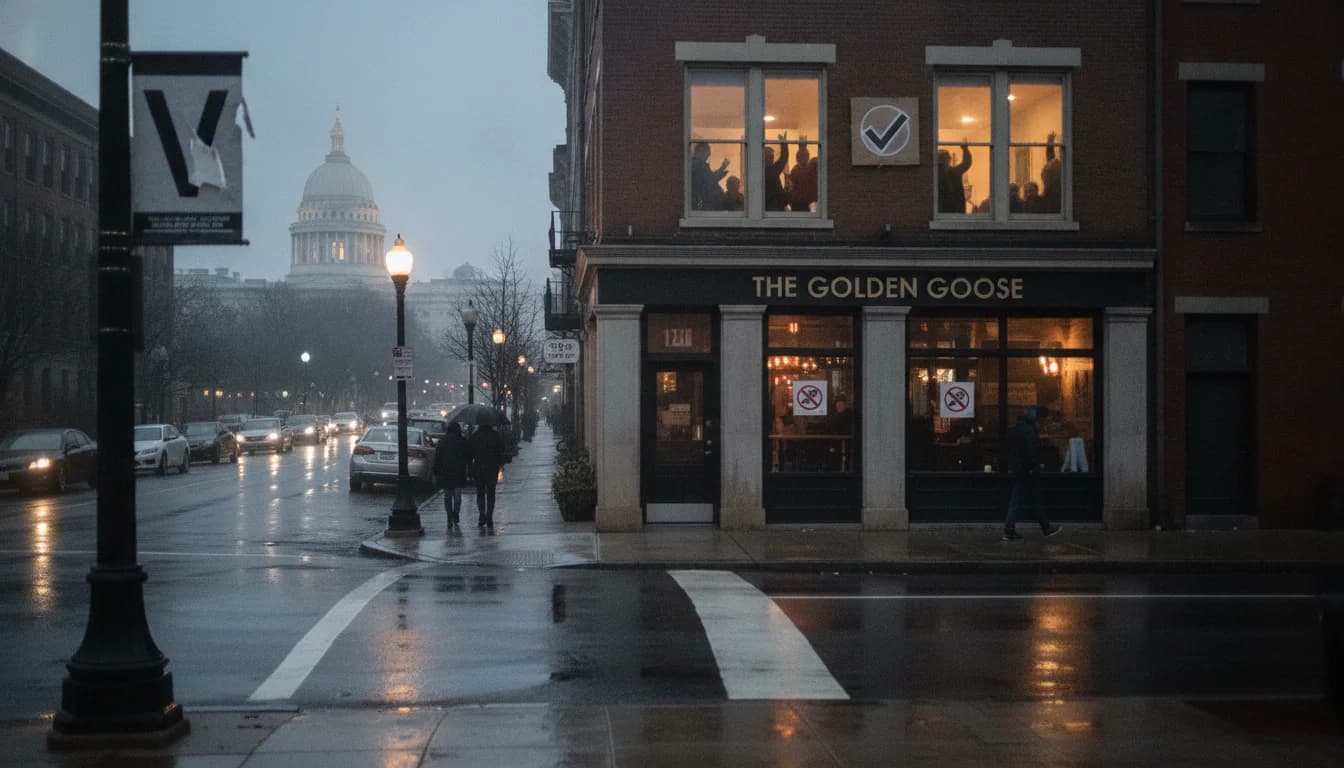
The District of Columbia made national headlines on Election Day, November 3, 2026, as voters weighed Initiative 86, a measure that would prohibit force-feeding birds and the sale of foie gras and related fattened-bird liver products within the District. By Wednesday morning, November 4, 2026, early counts indicated a decisive approval, with preliminary reports suggesting that the measure could pass by a substantial margin. The outcome matters not only for culinary culture but for how the District interprets animal welfare policy, regulatory enforcement, and the economics of a niche agricultural product that has become a flashpoint in urban politics. As of the morning after the election, the press and the city’s legal community were turning their attention to enforcement, implementation funding, and possible legal challenges that could shape the measure’s final arc. (axios.com)
Washington, DC — Initiative 86 would ban the sale or distribution of any fattened-bird liver product, including foie gras, and prohibit force-feeding birds to enlarge their livers beyond normal size. The district’s ballot language and legislative formulation were prepared by the Board of Elections in early 2026, with a short title identifying the measure as the Prohibiting Force-Feeding of Birds Act of 2026. The formal text and related fiscal impact material provide the framework for how the measure would operate if enacted, including enforcement mechanisms and penalties. The formal language and the fiscal implications were published and discussed in the lead-up to the November vote, establishing a baseline for post-election implementation and potential regulatory scoping. (dcboe.org)
Opening
The central news is straightforward: Initiative 86 foie gras ban appears to have cleared the ballot in the November 3, 2026, District of Columbia general election. Early post-election figures, reported by the Associated Press and summarized by Axios, show the measure with a commanding lead, estimated at roughly three-quarters of voters supporting it during the initial tallies on November 4, 2026. The campaign, under the banner Pro-Animal DC, had argued the measure would end cruelty in production practices and align the District with a broader animal-welfare stance increasingly reflected in urban policy debates. This is a major milestone for animal-welfare advocacy in the capital, and it raises questions about enforcement, budget, and legal challenges in the months ahead. (axios.com)
Beyond the headline, the measure’s passage is anchored in a defined statutory framework. Initiative 86 would ban force-feeding of birds to enlarge livers beyond normal size and would prohibit the sale, distribution, or importation of any fattened bird liver product, including foie gras, within the District. The formal text and the Board of Elections’ process documents show the precise scope, as well as the enforcement authorities and penalties that would apply if the measure becomes law. The District would task the Department of Energy and Environment (DOEE) with enforcement, and civil penalties would apply for violations, with additional potential licensing actions for repeat offenders. The regulatory architecture laid out in these primary documents provides the blueprint for the policy’s practical rollout, should Congress complete any required review and the measure be implemented as scheduled. (dcboe.org)
What Happened
Ballot Qualification and Campaign
Initiative 86’s path to the ballot began with a formal process to formulate the measure’s text and short title in early 2026. The Board of Elections announced a public process to craft the short title, summary, and legislative language, and it conducted formal sessions to consider formulations that would guide voters on November’s ballot. The notice of the public meeting sought to formulate the measure’s language, with details including the proposed short title, the summary of provisions, and the legislative text for Initiative Measure No. 86. This step was essential to guarantee that voters would receive a clear, legally precise description of what a yes or no vote would mean. The meeting and documentation were part of a transparent, public process designed to ensure that the measure’s language would withstand administrative review and potential post-election litigation. The short title is succinctly captured as the “Prohibiting Force-Feeding of Birds Act of 2026,” and the summary outlines the core prohibitions and enforcement framework. (dcboe.org)
The formal fiscal impact statement prepared by the District’s Chief Financial Officer also played a critical role in shaping debate about feasibility and cost. Dated January 21, 2026, the CFO memo assessed the proposal’s fiscal effects, noting that funds were not sufficient in the 2026–2029 budget window to implement the measure unless those costs were included in an approved budget and financial plan. The memo quantified the total cost at $314,000 over the four-year period and highlighted the need for DOEE to hire an additional inspector and to fund outreach and education activities. This primary documentation provides a concrete baseline for understanding the administrative burden the measure could impose on District agencies and the budgetary tradeoffs involved in implementation. The document also specifies that the prohibition would begin July 1, 2027, with applicability to fiscal effects tied to budgetary approvals. (dcboe.org)
Campaign finance and messaging around Initiative 86 formed a key part of the public discourse in the months leading up to the vote. Pro-Animal DC led the push, advocating for an end to force-feeding practices and the sale of foie gras within the District. Campaign statements and public remarks framed the measure as a standard-setting move toward humane animal treatment and ethical food production. The post-election coverage, including commentary from proponents and opponents, captured the emotional intensity surrounding the issue and the public’s willingness to take a stance on a issue with deep cultural resonance in dining culture. While the primary, official documents establish the measure’s legal and administrative contours, media coverage provided the broader political context that shaped voters’ perceptions and opinions on Election Day. (dcboe.org)
Election Day and Preliminary Results
Election night and the following morning brought the first official signals about Initiative 86’s fate. Axios’ post-election coverage, citing AP tallies, indicated that Initiative 86 appeared poised to pass with more than 73% of the vote in early results, marking a clear majority in favor of banning foie gras and related products in the District. The article also described the practical implications of the vote, including the enforcement and funding questions that would define the measure’s implementation phase. The reporting underscored that while the ballot outcome was decisive, the real work would come in translating the prohibition into enforceable rules and a functioning regulatory regime. The piece also highlighted the potential legal challenges from the foie gras industry, which could complicate or delay the measure’s effective date. This post-election perspective is valuable for readers seeking to understand not just the vote itself but the subsequent governance questions that will shape the policy’s duration and impact. (axios.com)
The Washington Post’s pre-election coverage provides important historical context for how the measure was framed in public dialogue. In August 2026, the Post outlined the basics of Initiative 86 and its potential to transform the District’s dining landscape, along with the arguments of both sides. The piece highlighted the measure’s core provisions—banning force-feeding and prohibiting the sale of foie gras—and the arguments from opponents who warned of regulatory overreach and potential unintended consequences for other poultry products. In addition to policy discussion, the coverage touched on the cultural and economic implications of a foie gras ban in a city known for its vibrant food scene. This reporting helps readers situate the post-election outcome within a longer arc of debate about humane food practices and urban regulation. (washingtonpost.com)
Despite the celebration in some quarters, legal and regulatory questions loom large. Axios’ post-election update also noted that major foie gras producers were examining potential legal challenges, including arguments about interstate commerce and the scope of regulatory authority. The practical consequences for local restaurants, retailers, and import channels could depend on how enforcement is phased in, how exemptions are interpreted, and how congressional review interacts with local implementation. The path from ballot box to compliance is rarely linear in a measure of this scope, and the early legal chatter reflects the complexity of translating a popular initiative into enforceable public policy. (axios.com)
Why It Matters
Public Policy Implications
The passage of Initiative 86 foreshadows a broader trend in urban governance: the use of ballot measures to codify evolving standards of animal welfare and food production. The DC BOE formulations and the CFO’s fiscal impact statement provide a framework that makes the policy’s execution highly data-driven. The definitions of “fattened bird liver product,” “force-feeding,” and related terms set precise guardrails for enforcement, while the civil-penalty structure establishes a path for compliance actions and penalties for violations. The mixed legal environment—local regulations subject to congressional review—adds a layer of complexity that policy observers will watch closely in the months ahead. For readers, the policy signals how urban governments may approach animal welfare issues with a blend of public health, environmental considerations, and consumer protection concerns. The formal, primary documents show a deliberate attempt to balance humane objectives with practical governance needs, a balance that will be tested as implementation unfolds. (dcboe.org)
As a policy shift, Initiative 86 could influence other jurisdictions’ debates on what counts as permissible or prohibited in animal agriculture and product marketing. The measure’s explicit inclusion of enforcement by the DOEE and the possibility of license actions for repeat violations frames an administrative approach that other cities might consider when evaluating similar bans. The legal debates already emerging—such as challenges from major producers and arguments about cross-border commerce—highlight the tension between local moral policy ambitions and broader regulatory realities. For readers and policymakers alike, the DC experience may become a reference point for how cities can translate ethical positions into regulatory mechanisms that must survive court scrutiny and budget constraints. (dcboe.org)
Economic and Business Impacts
From a market perspective, Initiative 86 introduces a new constraint for a small, specialized segment of the District’s culinary economy. While the measure acknowledges that no foie farms exist within DC, the prohibition on sale, distribution, and importation of fattened-bird liver products alters the supply chain for restaurants, retailers, and importers who previously served DC markets. The fiscal impact statement’s cost estimate — $314,000 over four fiscal years — emphasizes that the regulatory burden would be borne not only by public agencies but also by the private sector that would need to adjust procurement, labeling, and compliance processes. The cost estimate, while modest in scale relative to the District’s broader budget, signals potential indirect effects, such as legal-administrative overhead, training for inspectors, and a shift in menu planning for a subset of DC restaurants that have featured foie gras as a specialty item. The measure’s introduction and subsequent vote thus carry implications for pricing, labor, and supplier relationships in the local hospitality ecosystem. (dcboe.org)
The industry’s response has been varied. Some chefs and restaurateurs in DC have argued that the ban would limit culinary creativity and could marginalize a niche segment of high-end dining. Others have supported the measure as aligning with evolving consumer expectations around animal welfare and sustainability. The public conversation around Initiative 86 has also intersected with broader debates about how cities regulate ethical food production and the ways in which consumer preferences can drive policy. Media coverage in the weeks leading up to the vote captured both sides, including profiles of restaurant operators and public figures who voiced opinions about the measure. The post-election coverage underscores that the economic impact will depend on how strictly enforcement is applied, how quickly the market adjusts, and whether any exemptions or transitional arrangements are enacted in the regulatory language. (washingtonpost.com)
Public Sentiment and Cultural Debates
The DC foie gras debate has illuminated a cultural fissure that often accompanies animal-welfare policy in urban areas. Proponents framed Initiative 86 as a humane imperative and a signal of district values, while opponents warned about government overreach and potential unintended consequences for related products and culinary traditions. The public discourse, as reflected in local media coverage and campaign filings, reveals a District that is deeply engaged in questions of ethics, commerce, and the boundaries of public policy. The debate has also sparked a broader conversation about how animals are treated in food production and the limits of regulatory intervention in a globalized supply chain. In DC, as in many municipalities, policy decisions about the moral dimensions of food production intersect with concerns about economic vitality, regulatory clarity, and the practicalities of enforcement. (washingtonpost.com)
What’s Next
Timeline and Next Steps
With November 3, 2026, as the electoral backdrop, the practical steps moving forward include implementing the necessary DOEE mechanisms, coordinating with partner agencies for enforcement, and ensuring that businesses understand how the regulations apply to their operations. The CFO’s fiscal impact statement underscores the need for budgetary action to fund the additional inspector and related enforcement activities; the timing of when costs are funded will affect the schedule for implementing the prohibition. The text indicates that the prohibition itself would take effect on July 1, 2027, unless the fiscal impact is incorporated into an approved budget and financial plan earlier; in that case, the date could shift depending on the certification and publication in the District Register. This creates a defined but potentially flexible timeline for early readiness activities, such as outreach to businesses, staff training for inspectors, and public communications campaigns to inform residents and visitors about the new legal landscape. (dcboe.org)
Legal and regulatory watchers should also monitor potential litigation as the measure transitions from ballot measure to enforceable law. The Hudson Valley Foie Gras case in New York, cited in public commentary and media coverage, illustrates how industry participants might challenge bans under commerce and federal law frameworks. While New York’s scenario differs in jurisdiction and context, the comparative lens remains relevant for DC observers who are tracking how such bans withstand judicial scrutiny and whether any amendments or clarifications are introduced to address potential ambiguities in the measure’s language. The post-election commentary from Axios and reporting in major outlets highlight this ongoing legal dimension as one of the most consequential dimensions of Initiative 86’s trajectory. (axios.com)
What DC Voters Can Expect After the Vote
The practical reality for DC residents and visitors will be to adjust dining options in line with the new regulatory environment. Restaurants will need to adapt menus, suppliers, and procurement practices to comply with the prohibition on fattened-bird liver products and the sale of foie gras. Retailers and importers will also face new compliance requirements, including licensing and potential penalties for violations. As the District moves toward the July 1, 2027 applicability date, clarity on enforcement priorities and the pace of regulatory action will be essential for the market to adapt smoothly. The District’s regulators have signaled that public outreach and education will be a key component of the implementation phase, aiming to minimize disruption while ensuring compliance. This approach—focusing on education before enforcement—aligns with best practices for introducing a new regulatory regime that touches multiple stakeholders across hospitality and retail sectors. (dcboe.org)
The broader public health and animal welfare implications of Initiative 86 are likely to continue to be a talking point in local and national conversations about humane food production. The District’s move could serve as a reference point for other cities considering similar measures or debating the appropriate balance between ethical considerations and market freedom. For readers seeking a deeper understanding, the DC BOE’s official filings, including the formulation notices and the CFO’s fiscal impact statement, provide a primary-source foundation for evaluating the measure’s scope, budget implications, and enforcement architecture. The ongoing dialogue between policymakers, industry participants, and civil society groups will help shape how the District implements the measure and whether additional regulatory refinements become necessary. (dcboe.org)
Closing
As DC Times continues covering Initiative 86 foie gras ban, readers will want to follow not only the election results but also how the District translates the ballot’s mandate into practical governance. The post-election period will reveal the funding decisions, enforcement planning, and potential legal challenges that will ultimately determine when and how the ban alters daily life in the District’s restaurants and markets. DC officials have signaled a careful, data-driven approach to implementation, anchored in formal fiscal-impact analysis and a transparent regulatory process. In the weeks ahead, continual updates from the Board of Elections, the Department of Energy and Environment, and local courts will shape the policy’s actual reach. For residents and stakeholders alike, staying informed about the implementation timeline, enforcement practices, and any legal developments will be essential as Initiative 86 foie gras ban moves from ballot measure to regulatory reality. (dcboe.org)