Freedom 250 Grand Prix Debuts on National Mall
Get detailed insights from the Freedom 250 Grand Prix coverage, focusing on its DC debut, technological implications, and evolving market trends.
By Terrence Holt
August 15, 2026
10 minute read
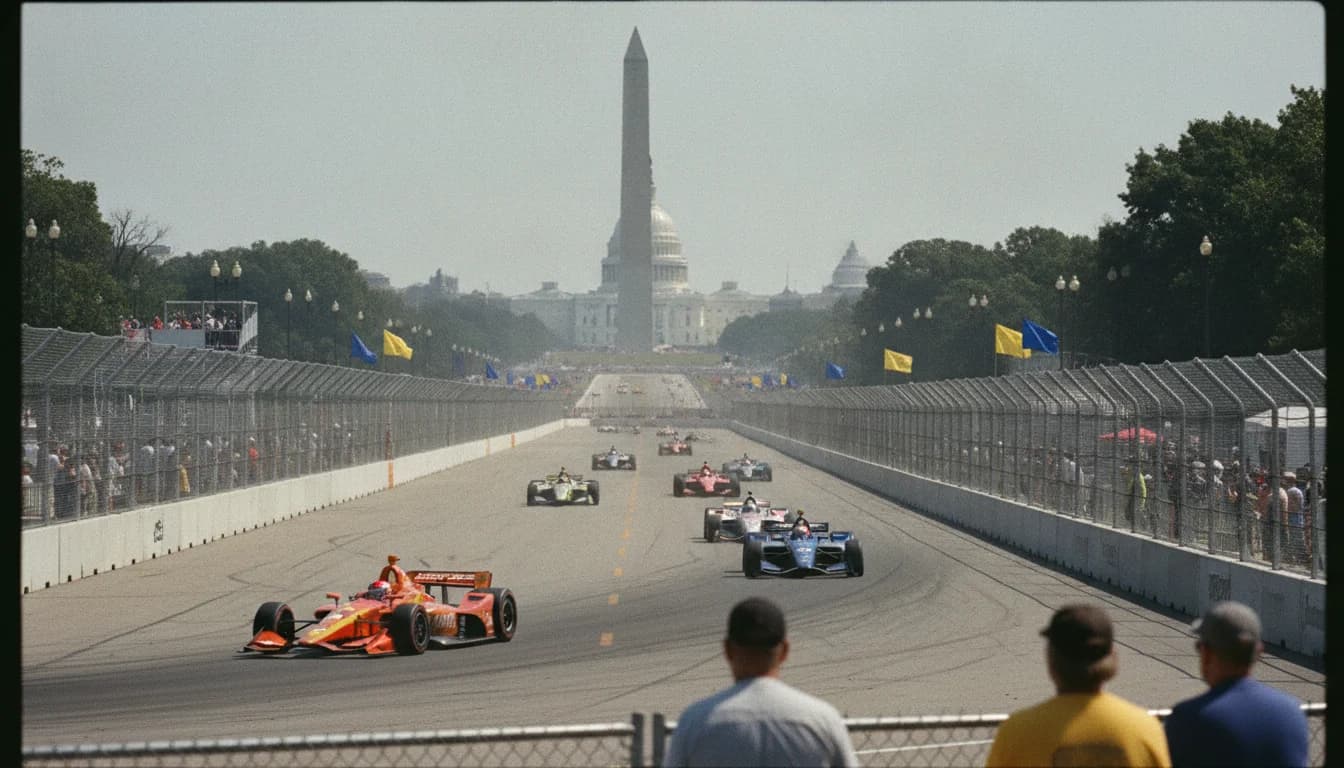
Washington, DC — In a high-visibility move tied to America’s semiquincentennial, the federal government and organizers unveiled the Freedom 250 Grand Prix of Washington, D.C., an inaugural IndyCar Series street race slated for August 22–23, 2026, around the National Mall. The event, described by officials as the first IndyCar street race in the nation’s capital, is designed to celebrate American ingenuity and highlight the capital’s role as a hub for technology, transportation innovation, and tourism. The race will be free to the public and broadcast nationally on FOX, underscoring a broader strategy to couple major national celebrations with high-profile infrastructure and mobility initiatives. The announcement frames the Grand Prix as a centerpiece of the Freedom 250 program, a public-private partnership intended to align federal, local, and private-sector efforts around the 250th anniversary of the United States. (transportation.gov)
The immediate significance is twofold: it brings a marquee motorsports event to the National Mall—an unprecedented urban street race setting—and it does so in a manner intended to minimize entry barriers for the public while maximizing national visibility through television. Officials emphasize accessibility, with the overarching aim of engaging residents and visitors while showcasing American production, manufacturing, and engineering capabilities. The event is part of a broader portfolio of semiquincentennial activities coordinated by a cross-agency and private-sector coalition, anchored by Freedom 250 and coordinated with White House initiatives. (transportation.gov)
Opening
From a national perspective, the Freedom 250 Grand Prix represents a rare urban test case for NTT INDYCAR SERIES racing on a public street circuit in the heart of Washington, D.C. The project is described by organizers as a defining moment for the capital’s role in hosting world-class motorsports while aligning with the United States’ 250th anniversary narrative. The political and logistical attention is evident in the official communications and the breadth of participating agencies, including the U.S. Department of Transportation, the Department of the Interior, and the City of Washington, DC, all working with private partners. The event is billed as an open-access experience, with a ticket strategy that included free General Admission (GA) access in its initial phase, intended to maximize public engagement and experiential viewing from multiple vantage points near the National Mall. (transportation.gov)
In a ceremony that accompanied the plan, a national-scale media push positioned the Freedom 250 Grand Prix as a showcase of American ingenuity and a tour de force of urban mobility innovation. As one senior official underscored during the rollout, the race is designed to illustrate how high-performance engineering can be adapted to iconic urban landscapes while maintaining a focus on safety, accessibility, and fan experience. The national communications emphasize that the event will be free to the public and televised to a national audience, highlighting its role as a living laboratory for demonstrating advanced transportation technologies and public-private collaboration. This framing aligns with the broader America 250th anniversary agenda, which seeks to emphasize innovation, resilience, and opportunity across the United States. (transportation.gov)
Section 1: What Happened
Announcement Details
- What: The Freedom 250 Grand Prix of Washington, DC, an inaugural NTT INDYCAR SERIES street race around the National Mall.
- When: August 22–23, 2026; the weekend is framed to include practice events ahead of the main Grand Prix, with the main race scheduled for August 23.
- Where: The National Mall and surrounding DC streets configured into a 1.7-mile circuit with seven turns.
- Why: Part of America’s 250th anniversary celebration, designed to celebrate American engineering, innovation, and freedom.
- Who: INDYCAR, the Freedom 250 task force, the U.S. Department of Transportation, the U.S. Department of the Interior, and the City of Washington, DC, with partnership support from private-sector organizations and venues.
- How: A public-private collaboration intended to deliver a high-profile, accessible, and televised motor-sports event. Citations and context: The DOT’s Freedom 250 hub describes the Grand Prix as a historic IndyCar street race on a 1.7-mile circuit around the National Mall, scheduled for August 2026, and notes it will be free to the public and televised on FOX. The Freedom 250’s own site provides official race design details, including a seven-turn layout, a frontstretch along Pennsylvania Avenue, and the overall schedule. In addition, district officials have publicly framed the event as a first of its kind on the National Mall, underscoring the public-access goals of the weekend. (transportation.gov)
Timeline and Key Facts
- Official Schedule: August 22–23, 2026, with the main Grand Prix event on August 23, 2026, marking the first IndyCar street race in DC. The Downtown DC listing confirms the August 22–23 window and location on the National Mall. (downtowndc.org)
- Track and Format: A 1.7-mile circuit with seven turns, designed to weave along a patriotic backdrop featuring the National Mall, Washington Monument, and U.S. Capitol. The circuit design emphasizes fan accessibility and safety, with a layout that includes a long frontstretch along Pennsylvania Avenue NW. (axios.com)
- Access and Viewing: The event is described as free to the public, with national television coverage on FOX. The official materials emphasize open access to the course and viewing areas around the National Mall. (transportation.gov)
- Tickets: The official ticket page notes that GA tickets are free but access is allocated to two designated viewing areas (STARS and STRIPES), with a limited number of grandstands and viewing platforms. The ticket window for free GA tickets closed in June, with selected ticket holders informed by email. This official status update is critical for readers who need to understand current access, and it confirms that free GA tickets were allocated through a formal process. (freedom250gp.com)
- Course Unveiling and Course Map: In March 2026, officials unveiled the seven-turn, 1.7-mile course map, signaling a major milestone in course design and public engagement for the event. The map and accompanying renderings highlighted key landmarks and the emphasis on safety and spectator experience. (axios.com)
- Government and Public Messaging: A December–early 2026 rollout positioned the race within the Freedom 250 framework, emphasizing its role as a national celebration and a demonstration of public-private coordination. The DOT’s Freedom 250 hub frames the Grand Prix as part of a broader portfolio of activities linked to the semiquincentennial. (transportation.gov)
Why It Matters
Economic and Tourism Impact
- The event is framed as a catalyst for tourism and local economic activity during a peak summer period in D.C. The DOT communications emphasize the potential for tourism revenue and national attention that can spill over into nearby hotels, restaurants, and cultural attractions—an outcome that aligns with the city’s broader America 250 initiatives. The DOT’s statement specifically notes a public-private effort to deliver “unprecedented tourism revenue” for the nation’s capital, signaling expected spillovers from the large weekend audience. (transportation.gov)
- Media reach and accessibility are central to the plan. Because the Grand Prix is being televised on a major network and offered as a free public event, there is an expectation that a wide cross-section of the population will engage with the spectacle, potentially expanding the city’s profile as a hub for technology-forward events and innovative urban mobility demonstrations. The national broadcast strategy is highlighted in official materials. (transportation.gov)
Public-Private Collaboration and Urban Mobility Innovation
- The Freedom 250 Grand Prix is positioned as a flagship example of public-private collaboration in the nation’s capital. The coordinating bodies include federal agencies, the DC government, and private-sector partners, with the aim of delivering a safe, accessible, and technologically sophisticated event. The official communications describe the partnership as a mechanism to connect national and local efforts around America’s 250th anniversary while delivering a high-profile public-facing event. (transportation.gov)
- The track’s design and public rollout underscore a broader trend in urban mobility: bringing high-performance motorsport into city centers to highlight engineering innovation, advanced manufacturing, and digital media experiences. The official release notes the emphasis on engineering and technology, a theme reinforced by the event’s early coverage and the public-facing showcase of a purpose-built IndyCar model for the weekend. (freedom250gp.com)
Implications for Technology and Market Trends
- The announcement and subsequent coverage situate the Freedom 250 Grand Prix at the intersection of transportation technology, urban infrastructure, and large-scale event management. The use of a public street circuit necessitates advanced traffic management, security, and digital information systems, all of which dovetail with broader market trends in smart city initiatives, real-time event analytics, and large-scale venue tech deployments. While the public communications center on spectacle and accessibility, the underlying logistics call for sophisticated coordination among federal, local, and private partners. This reflects broader market directions toward public-private collaborations for major technology-enabled events. (transportation.gov)
Public Access, Safety, and Community Impact
- Accessibility remains a central theme. The event is described as free and open to the public, with multiple viewing areas and the potential to host hundreds of thousands of attendees. The public nature of the event, combined with high-profile safety and security planning, suggests a model for future urban motorsport events that balance spectacle with orderly, secure public spaces. Journalistic coverage and official guidance emphasize the potential for temporary traffic closures and enhanced public transportation planning, underscoring the city’s need to balance large-scale events with ongoing mobility for residents and visitors. (transportation.gov)
What’s Next
Upcoming Activities and Milestones
- Practice and Qualifying: The event weekend schedule is expected to include practice sessions ahead of the main Grand Prix on August 23, marking a period of intense media and fan engagement around the National Mall. Axios coverage of the course reveal emphasizes the anticipation and the weekend’s pacing, with the public-facing schedule anticipated to unfold in late August. Readers should watch for official updates from the Freedom 250 Grand Prix site and local government portals as the weekend approaches. (axios.com)
- On-Site Logistics and Access: The DC government’s 250 portal provides ongoing updates about road closures, transit options, and security protocols as the event draws nearer. The site’s emphasis on practical planning information—such as viewing areas, stadium/concession zones, and ADA accommodations—illustrates how city agencies manage large events without compromising neighborhood mobility. Readers should anticipate real-time adjustments to roadways and transit schedules as the event date approaches. (250.dc.gov)
Ticketing and Attendee Management
- GA Tickets and Access: The official ticketing page confirms that GA tickets for August 22–23 were free and organized into two viewing areas. It also confirms that the GA window has closed and that the distribution of tickets has been completed, with selected recipients notified by email. This information is essential for readers who may be planning attendance or coordinating with others about access. The page further clarifies that privileged areas (STARS and STRIPES) require specific tickets for access. (freedom250gp.com)
- Attendance Projections and Capacity: Media reporting and official materials have referenced large spectator audiences and the scale of the event. While the exact final turnout depends on weather, traffic management, and ticket distribution outcomes, early reporting has highlighted expectations of significant public participation in the August weekend, potentially drawing hundreds of thousands of people to the National Mall area. Readers should monitor official updates for the latest crowd estimates and security considerations. (axios.com)
What to Watch For
- Security and Traffic Management: With a large, on-foot footprint around the National Mall, security planning, traffic constraints, and transit adjustments are central to public safety and the overall experience. Journalistic previews and official briefings highlight coordinated law enforcement presence and potential transit detours. Readers in the DC area should monitor Metro service advisories and local road closure notices, particularly if traveling to downtown DC during the event weekend. (axios.com)
- Broadcast and Fan Engagement: The decision to televise the event on FOX expands the reach of the weekend beyond the immediate DC region, which could influence how sponsors and local businesses plan their marketing and hospitality strategies. The broadcast partnership underscores an opportunity for advertisers to connect with a national audience during a historically significant anniversary celebration. (transportation.gov)
- Long-Term Implications for DC as an Innovation Hub: If successful, the Freedom 250 Grand Prix could influence future urban motorsport events and other technologically enhanced public events in Washington, DC. The combination of public access, high-profile broadcast, and the public-private collaboration model may become a reference point for future mobility demonstrations and large-scale urban spectacles. Observers should track subsequent initiatives within the Freedom 250 program and related America 250 activities to assess how this event shapes momentum for technology-enabled urban experiences. (freedom250gp.com)
Closing
As Washington, DC, prepares to host the Freedom 250 Grand Prix weekend on August 22–23, 2026, the city stands at a crossroads of history, technology, and public policy. The event’s design—free admission, a purpose-built 1.7-mile circuit, and a national television broadcast—reflects a broader strategy to leverage major public occasions to showcase innovation and mobility while maintaining accessibility for residents and visitors. For readers seeking the latest, official updates and ticketing information, the Freedom 250 Grand Prix’s own site and the District’s 250 portal remain the most reliable sources, complemented by national coverage from trusted outlets. The convergence of motorsport, public infrastructure, and anniversary programming offers a compelling lens on how technology markets and urban governance intersect in one of America’s most storied cities. Stay tuned for ongoing coverage as race weekend approaches, including detailed road closure maps, transit advisories, and on-site programming that will bring the National Mall to life in an entirely new way. (freedom250gp.com)
If you’d like, I can draft follow-up pieces that analyze the event’s impact on local tech ecosystems, transportation markets, or tourism dynamics, using additional data as it becomes available from official updates and independent observers.