D.C. Summer Restaurant Week Kicks Off with 3-Course Menus
Explore D.C. Summer Restaurant Week with detailed insights into dates, venues, and its significant impact on the local dining market.
By Julio Sandoval

August 8, 2026
10 minute read
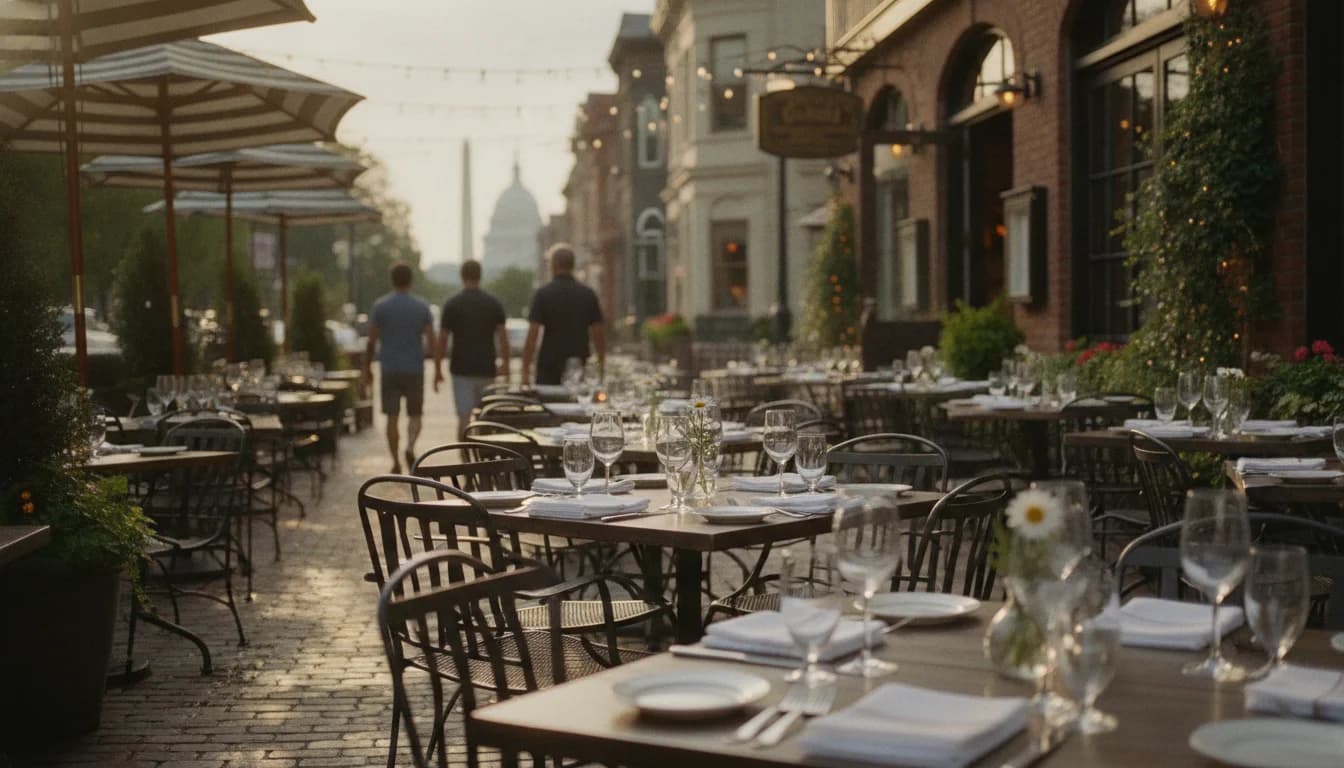
D.C. Summer Restaurant Week is back, reshaping how residents and visitors explore the District’s dining scene this late-summer season. Organized by the Restaurant Association Metropolitan Washington (RAMW), the event runs from Monday, August 24, through Sunday, August 30, 2026, and features three-course menus at a broad slate of participating restaurants across the DMV corridor. The week-long promotion is designed to spotlight the city’s culinary diversity, drive weekday and weekend reservations, and provide diners with an opportunity to sample chef-driven cooking at a fixed value point. This year’s rollout emphasizes a robust menu structure and a large network of venues, signaling continued strength in the local hospitality sector as summer tourism peaks. (ramw.org)
The broader context helps explain why this week matters to technology, markets, and everyday dining. Washington, DC, hosts two seasonal Restaurant Weeks each year, with the summer edition being one of the district’s most anticipated dining events. The schedule is crafted to encourage discovery—from neighborhood staples to high-profile destinations—while offering multi-course menus that mix brunch, lunch, and dinner options. According to RAMW, more than 200 eateries participate, broadening the reach of the promotion and reinforcing the city’s reputation as a dining destination. This scale matters not only for restaurants but also for diners who rely on curated choices and online menus to plan visits. The program’s structure—three-course menus and varying price points—provides a benchmark for consumer value and restaurant strategy during a peak travel window. (washington.org)
The timing of D.C. Summer Restaurant Week this year follows a scheduled calendar that places the event in late August, a period when city tourism typically climbs and local restaurants expand capacity with seasonal menus. The 2026 dates come after a summer that featured notable local events, and the culinary calendar remains crowded with both dine-in and takeout/delivery options. The city’s dining scene continues to adapt to evolving consumer preferences, with many venues marketing pre-fixe or prix-fixe menus that include optional add-ons like wine or cocktail pairings. This year’s iteration—centered on three-course menus—continues to emphasize both affordability and culinary depth, providing a predictable framework for diners and a predictable demand signal for restaurateurs. RAMW’s official promotion page confirms the dates and the emphasis on a week of 3-course menus, while other local and national outlets have highlighted the presence of new participants and updates to menus as the week approaches. (ramw.org)
Opening details and the immediate impact D.C. Summer Restaurant Week’s official announcement highlights three core elements that shape the week’s news value: the dates (August 24–30, 2026), the 3-course menu format, and the expansive participation across the DMV. The RAMW page makes clear that the event is a focused effort to drive dining activity across multiple formats—brunch, lunch, and dinner—throughout a single, well-publicized week. This combination creates a broad signal for the market: more reservations, more table turnover, and more social proof for dining out as a staple activity in the District and its neighboring communities. The dates themselves are intentional, aligning with late-summer travel patterns and consumer discretionary spending cycles, which in turn influence restaurant mix, staffing, and supply chain planning as summer winds down. (ramw.org)
The participation landscape—more than 200 eateries Industry observers and local media have underscored the scale of the event. Washington, DC-based guides and RAMW communications note that more than 200 eateries participate in Summer Restaurant Week, creating a dense, citywide dining map for customers to explore. This breadth matters for readers who rely on data-driven context to understand market momentum: a large participating pool suggests broad consumer appeal across neighborhoods, price points, and cuisines, which in turn supports restaurant marketing strategies, PR outreach, and digital promotion. For readers of District of Columbia Times, this signals a robust data point about the city’s competitive dining ecosystem and consumer appetite for curated, value-driven dining experiences. (washington.org)
Menu structure, pricing signals, and the user experience A central feature of D.C. Summer Restaurant Week is the prix-fixe, three-course menu concept, designed to offer clarity and value for diners while providing restaurants a structured way to showcase confidence in their menus. RAMW’s materials emphasize the week’s three-course menus as the backbone of the promotion, with menus and participating restaurants updated in the days leading up to the event. The Washington, DC, tourism site provides more granular context on price points: multi-course dinners typically range across premium and mid-tier price tiers, while lunch and brunch options offer lower entry points. This tiered pricing framework helps readers gauge potential spend and compare experiences across neighborhoods and cuisines. The combination of fixed-course menus and a broad restaurant roster creates a predictable decision framework for readers evaluating where to dine. (ramw.org)
New participants and classics—the evolving lineup News coverage around the 2026 edition highlights both new participants and established favorites. A broader media narrative points to the mix of newcomers and perennial favorites within the event, signaling that D.C. Summer Restaurant Week remains a dynamic platform for culinary experimentation as well as comfort food staples. This mix matters to readers who track market signals—new entrants can drive competitive differentiation and pricing experimentation, while veteran participants anchor expectations for quality and service. Major outlets have highlighted the presence of new entrants and recognizable names, illustrating the week’s dual role as an accelerator for experimentation and a trust signal for diners. While the specifics of each restaurant’s prix-fixe menu vary, the overarching pattern is clear: a wide array of options across the city’s neighborhoods aims to satisfy diverse tastes and budgets. (axios.com)
Why the week matters from a market and technology perspective The significance of D.C. Summer Restaurant Week extends beyond individual meals. For the District’s restaurant economy, the event acts as a concentrated, time-bound demand signal that can influence staffing decisions, inventory planning, and even front-of-house technology deployments (e.g., reservation platforms, digital menus, and POS integration during a busy week). RAMW’s listings and restaurant profiles—where venues post menus and details online—underscore the growing role of digital channels in the dining economy. Diners increasingly rely on online listings, photos, and updated menus to plan their visits, while restaurants leverage these channels to coordinate capacity, pricing, and promotions. This alignment of consumer behavior with restaurant operations is a core aspect of the week’s data-driven narrative. (ramw.org)
Economic impact, consumer choice, and the broader regional context The DC dining scene benefits from the scale and visibility of Summer Restaurant Week. The event’s sizable participation—hundreds of venues across the DMV—creates a platform where diners can explore an array of cuisines and price points, from accessible brunch deals to more elaborate dinner experiences. The price structure, with brunch and lunch options in the mid-$20s to mid-$30s and dinner menus in higher tiers, provides a concrete frame for readers comparing value across neighborhoods and restaurant types. This pricing approach, widely documented in regional coverage, helps consumers plan their budgets while allowing restaurants to showcase value without compromising perceived quality. The week’s impact also extends to tourism, as visitors may align city trips with meal-focused activities, amplifying the dining economy’s ripple effects into hospitality, retail, and transportation sectors. (washington.org)
What this means for readers: the tech angle From a technology perspective, the event reinforces several trends that readers in District of Columbia Times may find valuable:
- Digital menus and updated restaurant profiles: The RAMW listing serves as a central hub for menus and participating venues, encouraging users to browse options before arriving. This creates opportunities for data-driven dining decisions and personalized planning.
- Reservations as a signal: With a week of high demand, readers can observe how reservation patterns shift in response to prix-fixe menus and neighborhood popularity. Restaurants often emphasize early booking and may experiment with limited-time extensions or special add-ons to capture late-week demand.
- Cross-neighborhood discovery: The sheer geographic spread of participating venues—from Georgetown and Dupont Circle to Penn Quarter and Shaw—highlights how digital discovery tools influence where people choose to dine. This is especially relevant for readers who track urban mobility, neighborhood economics, or retail spillovers around major culinary events. (ramw.org)
Section 2: Why It Matters
Economic and consumer implications
- A large, year-end event in the summer helps sustain restaurant staffing and supplier orders through a typically slower period for some establishments. The scale—hundreds of venues across the DMV—establishes a broad demand signal that can influence hiring, inventory management, and cross-promotional strategies. The Washington DC tourism guide contextualizes the event as one of two seasonal dining showcases, reinforcing its role as a barometer for the city’s culinary economy. (washington.org)
- Price point clarity and consumer choice are central to the week’s appeal. The fixed-menu format coupled with published price ranges gives diners a tangible expectation of value and helps them compare options quickly. This transparency supports informed decision-making, which in turn can improve diners’ satisfaction and restaurants’ ability to forecast demand. The price guidance—lunch and brunch options around the low to mid-$20s, with dinner options in higher brackets—has been documented in local consumer-facing materials and reflects longstanding Restaurant Week conventions. (washington.org)
Technology, data, and dining behavior
- The event’s digital momentum—the online restaurant listings, posted menus, and RSVP-driven reservations—illustrates how technology underpins modern dining promotions. RAMW’s listing encourages diners to “browse restaurants & menus,” a signal of an increasingly data-driven approach to dining recommendations and reservations. In a market that values speed and accuracy, the ability to access up-to-date menus and availability in real time is a competitive differentiator for participating venues. (ramw.org)
- The seasonal rhythm of Restaurant Weeks also tests the resilience and adaptability of restaurant technology stacks. As venues participate in a high-demand period, the integration between reservation systems, inventory management, and menu deployment becomes more visible to the public. The week’s scale creates a real-world dataset for market analytics: which cuisines draw the most diners, which neighborhoods see the largest reservation surges, and which price tiers maximize conversion without sacrificing margin. While the precise post-event impacts require follow-up data, the structure and size of D.C. Summer Restaurant Week provide a valuable natural experiment for industry observers. (ramw.org)
Neighborhood and market dynamics
- The geographic breadth of participating venues reinforces urban dining as a city-wide phenomenon rather than a single hotspot. The RAMW listings show venues across multiple neighborhoods, illustrating how culinary promotions can influence foot traffic and local business ecosystems beyond the central dining districts. This distribution matters for readers tracking urban economic activity, pedestrian flows, and the way neighborhood dining scenes respond to large, city-endorsed promotions. The Washington tourism guide explicitly mentions a broad geographic footprint and the variety of options across neighborhoods, underscoring the event’s role in shaping broader market dynamics. (washington.org)
Section 3: What’s Next
Timeline, expectations, and continued coverage
- Next steps for readers are straightforward: consult RAMW’s official restaurant list and menus, make reservations early, and consider trying venues in neighborhoods you haven’t explored before. RAMW’s page notes that participating restaurants and menus are being added daily through August 4, so readers who plan ahead will likely find fresh options leading into the event’s start. The live nature of these updates—coupled with a week-long run—means a moving target for menus and promotions, which is exactly the kind of data-rich, time-sensitive information readers expect from a professional, neutral outlet. (ramw.org)
- Market watchers should also monitor any adjustments to the event’s duration or format, as past years have shown occasional extensions or tweaks prompted by external conditions. A year like 2025 saw an extension of Summer Restaurant Week in DC, highlighting how external factors can influence scheduling and promotional strategy. While 2026’s schedule is fixed for August 24–30, readers should stay attuned to any official RAMW updates or local coverage that notes changes to the week’s scope, dates, or participating venues. This context matters for long-range planning and for readers who evaluate how city policies, tourism trends, or major events intersect with dining. (wtop.com)
What to watch for: next steps in a data-driven newsroom
- Reservation patterns and capacity utilization during the week will be telling indicators of consumer confidence and the health of the local dining economy. If reservation volumes show unusual spikes or dips in particular neighborhoods, it could signal shifting dining preferences or the effectiveness of promotional menu strategies.
- Menu innovation and cuisine mix among participants will also reveal market signals. New entrants versus long-standing favorites can indicate how competitive dynamics evolve in a crowded dining ecosystem. Observers will want to map neighborhood-level participation against cuisine type, price tier, and promotional add-ons to build a richer picture of the city’s culinary economy during this promotional window.
- Finally, the intersection of Dining Tech and consumer behavior—how diners discover, select, and reserve—will provide a blueprint for future promotions. Readers who track digital engagement metrics, reservation lead times, and menu updates will gain a clearer sense of how technology and marketing intersect with real-world dining decisions during a high-visibility event like D.C. Summer Restaurant Week. (ramw.org)
Closing
D.C. Summer Restaurant Week offers a concentrated opportunity to explore the District’s diverse culinary landscape, with a week of three-course menus across hundreds of eateries and a straightforward, value-forward menu structure. For readers seeking a data-driven portrait of the district’s dining economy, the event serves as a timely touchpoint that combines consumer choice, restaurant strategy, and digital-enabled discovery. As diners plan their summer calendars, they can rely on RAMW’s official listings to guide choices, while local coverage helps translate the week’s promotions into actionable insights about where the market is headed. For District of Columbia Times readers, this is more than a set of meals; it’s a lens on how technology, pricing strategy, neighborhood dynamics, and consumer demand coalesce to shape a resilient urban dining ecosystem. Stay tuned for post-event analyses that will illuminate how the 2026 edition of D.C. Summer Restaurant Week performed against previous years and what that means for the coming dining seasons. (ramw.org)