DC Council Approves Budget for Fiscal Year 2027
The DC Council finalized the Fiscal Year 2027 budget on July 10, 2026, capping it at $21,876,166,228, setting the stage for implementation and…
By Terrence Holt

September 23, 2026
12 minute read
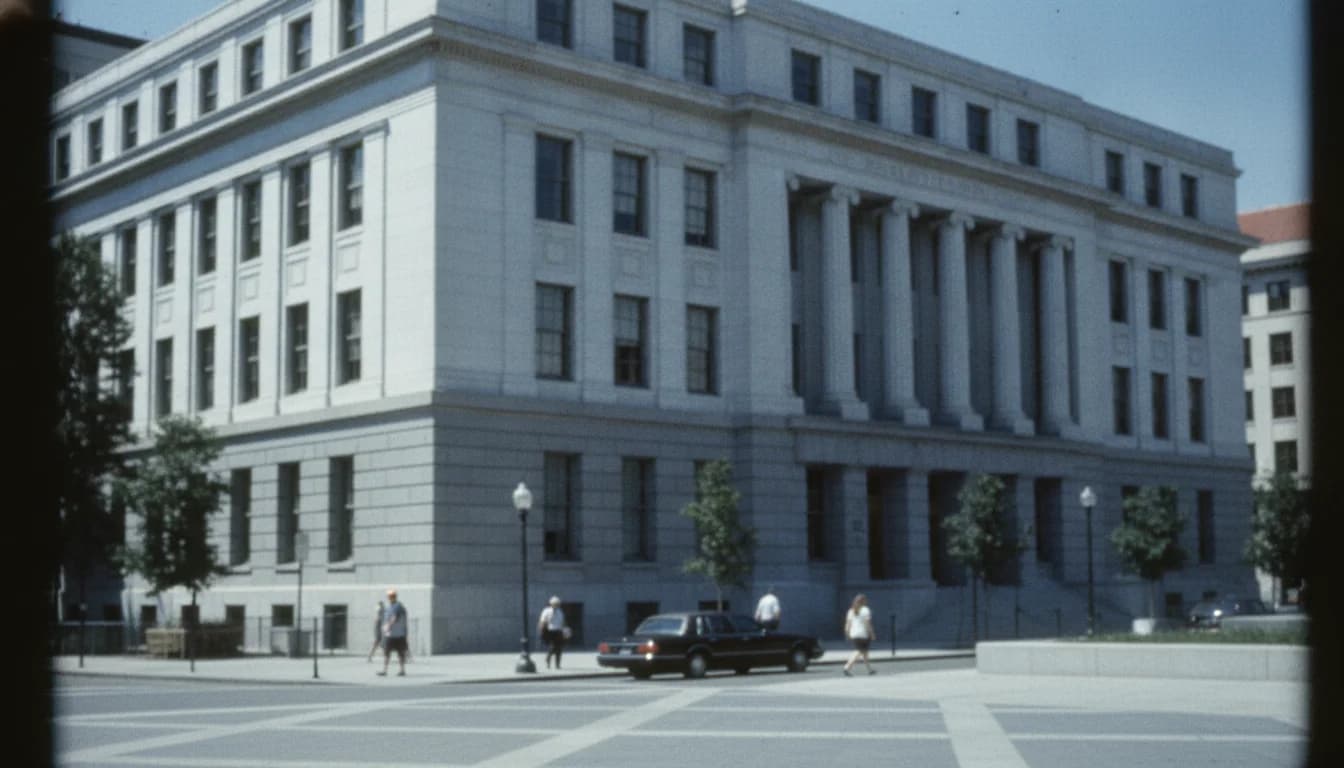
The District of Columbia Times reports on a major, data-driven milestone in local governance: the DC Council’s budget approval process culminated in July 2026 with a second vote on the Budget Support Act and related emergency measures. On July 10, 2026, the Council finalized the year’s budget season, signaling the formal adoption steps for the Fiscal Year 2027 financial plan and setting the stage for implementation, congressional review, and near-term policy changes aimed at technology, services, and capital investments across the city. This coverage focuses on what happened, why it matters for technology and markets, and what readers should watch for next as the District translates dollars into digital services, infrastructure, and public programs. The central fiscal fact driving this story, grounded in the specific law adopted, is that the local budget for Fiscal Year 2027 is capped at $21,876,166,228, as established by the Fiscal Year 2027 Local Budget Emergency Act of 2026. This figure and its composition come directly from the act’s text and accompanying legislative history. The following sections unpack the details and implications for DC’s technology sector, public services, and market dynamics. The numbers and actions cited reflect primary sources from the District government and its oversight bodies.
On July 10, 2026, the DC Council completed the formal budget milestone with the second vote on the Budget Support Act, a key element in translating the Local Budget Act’s dollars and cents into practice. The Council’s action and timing were publicly reported in its own communications, framing the event as the final formal step in the annual budget cycle before the congressional review window and subsequent implementation steps. This report relies on the Council’s release and the statutory texts that define the budget’s scope and structure. See the Council’s recap of the second vote on the Budget Support Act for the official timeline and amendments, and for the broader explanation of how the budget pieces fit together. (dccouncil.gov)
What Happened
Final votes and the legal architecture of the budget
The District’s budget process unfolds through a layered legal architecture, with multiple acts required to adopt the local portion of the government’s budget for the coming fiscal year. The centerpiece for Fiscal Year 2027 is the Local Budget Act, adopted alongside the Budget Support Act (BSA) and a set of emergency and related measures. The DC Council’s July 10, 2026 vote concluded the second approval step for the BSA, and the measures are designed to implement the dollars-and-cents framework within the Local Budget Act, while also addressing federal and miscellaneous funding components. The Council’s own coverage makes clear that the BSA is distinct from the Local Budget Act, and the combination of these acts is necessary to set the full funding and policy changes for FY2027. For readers tracking the legislative process, the Council’s recap notes the two-step voting pattern and the cadence of amendments, a common feature of DC budget law that reflects both local mandates and timing constraints tied to congressional review. See the Council’s public update on the second vote and the accompanying amendments. (dccouncil.gov)
The Fiscal Year 2027 Local Budget Emergency Act of 2026, commonly cited as DC Act 26-378, codifies the local District budget for the fiscal year ending September 30, 2027. It includes the vital line item confirming the total amount appropriated for operating expenses cannot exceed the District’s total revenues for the year, amounting to $21,876,166,228, with the detailed allocation split across local funds, dedicated taxes, federal funds, Medicaid, and other sources. This is the statutory anchor for the budget’s numeric core. The act’s text explicitly lists the total and its component sources. The public-facing text is published by the DC Law Library and provides the official funding ceiling and the distribution framework that governs how agencies can spend in FY2027. (code.dccouncil.gov)
Budget composition and technology funding
A core part of the FY2027 budget is the funding channel for technology and digital services within the DC government. The act designates specific allocations for the Office of the Chief Technology Officer and related technology funds, including a dedicated line for the DC-NET Services and Innovation Fund and a separate Technology Infrastructure Services Support Fund. The budget for the Office of the Chief Technology Officer is specified at $113,215,894, including $83,590,596 from local funds and the remainder from federal and other sources; the act also creates dedicated funds to support technology projects and infrastructure investments that can accelerate modernization across agencies. These provisions matter for DC’s technology ecosystem because they underpin cyber resilience, data sharing, citizen-facing digital services, and modernization efforts that can influence private-sector planning and investment in the city’s tech marketplace. The specific numbers and fund designations are outlined in the act text, including the designation of the DC-NET and related tech funds, which can enable or constrain technology procurement and program delivery in FY2027. (code.dccouncil.gov)
Section 1 of the budget’s substance also reveals the broader economic and programmatic footprint across the District, including how funds flow to education, health, housing, public safety, and capital projects. The act enumerates allocations for major functions, such as the Department of Housing and Community Development, the Metropolitan Police Department, the University of the District of Columbia, and the public education system, among others. For readers focused on technology and market implications, the DC Council’s budget shows the city’s intent to balance essential services with targeted investments in digital and information technology capacity, all while maintaining reserve and contingency provisions that influence the city’s risk posture and financing flexibility. The act’s line-by-line allocations demonstrate the structural allocations that underpin the city’s technology modernization, cybersecurity, data center operations, and related initiatives. (code.dccouncil.gov)
Section 2: Why It Matters
Implications for the DC technology sector and digital services
The FY2027 budget’s technology allocations signal the District’s strategic focus on strengthening information infrastructure and digital service delivery. The Office of the Chief Technology Officer’s funding level, along with explicit authorization for the DC-NET Services and Innovation Fund and the Technology Infrastructure Services Support Fund, provides a fiscal anchor for ongoing modernization efforts. These funding channels can accelerate procurement of modern software and hardware, promote interagency data sharing, and support cybersecurity upgrades that are increasingly important for a city facing evolving digital threats and heightened expectations for seamless citizen experiences. The presence of dedicated technology funds in the Local Budget Emergency Act underscores the council’s recognition that technology capacity is foundational to governance, economic development, and private-sector competitiveness in the District. Readers looking for the policy signal will find in the act’s tech line items a clear commitment to digital transformation as a budgetary priority. The explicit line for the Office of the Chief Technology Officer and the tech-specific funds provides a transparent baseline for technology project planning across agencies. (code.dccouncil.gov)
In addition to the core CTO funding, the act’s budget architecture includes dedicated resources for technology-focused projects and initiative financing. The Council Technology Projects Fund and related lines in the act create a mechanism to fund targeted IT investments and pilot programs that could accelerate citywide modernization, with potential spillover effects into the private sector as vendors bid for city tech contracts, build partnerships with public agencies, and compete for opportunities in a more predictable funding environment. For readers in the tech market, the budget’s structure offers a roadmap for public-sector demand cycles, contract opportunities, and the timing of procurement activities tied to FY2027. The act’s tech-oriented provisions are not isolated; they sit alongside education, health, and safety funding, illustrating how technology is embedded in multiple service delivery domains. (code.dccouncil.gov)
How the budget affects public services, markets, and private investment
Beyond technology-specific lines, the FY2027 budget’s overall composition reflects a broader public-service orientation that can influence DC’s market dynamics. The budget directs operating funds across agencies like Public Education, the University of the District of Columbia, the Department of Health, the Fire and Emergency Medical Services Department, and the Metropolitan Police Department, among others. This mix shapes the city’s economic environment by funding essential services, capital projects, and workforce programs—factors that interact with private-sector investment decisions, real estate development, and the demand for professional services, including IT consulting, cybersecurity, and systems integration. The act’s line items demonstrate the scale of District government operations and the degree to which technology and digital service modernization are integrated into service delivery. The precise allocations, including education and safety budgets, provide a framework for market participants to assess where and when opportunities may arise for technology-enabled improvements. For a sense of scale, the act’s total, and the distribution across functional areas, illustrate how technology funding is nested within a broad fiscal program that supports both public outcomes and private-sector activity. (code.dccouncil.gov)
Public trust, transparency, and fiscal discipline
The DC budget process emphasizes transparency and accountability through a structured legislative process, public hearings, and explicit statutory language about fund usage and limitations. The Budget Support Act (BSA) language and the Local Budget Act’s appropriation ceilings require ongoing reporting, oversight, and periodic updates as agencies implement projects and programs. This architecture matters for technology and market stakeholders because it helps align expectations around procurement timelines, contract obligations, and performance reporting. For technology developers and service providers, this framework can improve predictability for bid solicitations, contract awards, and budget-driven program cycles, while also highlighting the city’s commitment to maintaining reserves and enabling emergency adjustments when needed. The Council’s public-facing explanation of the budget’s structure, and the Act’s own language about fund balances, transfers, and allowable uses, reinforce a disciplined approach to fiscal management that can influence private-sector confidence and investment planning in the District. (dccouncil.gov)
Section 3: What’s Next
Timeline and steps after the second vote
Following the second vote on the Budget Support Act, the District’s budget moves into a period of congressional review and final implementation steps. The District’s budget law contemplates a passive 30-day Congressional review window for permanent budget acts, and emergency measures can have a separate timing that affects applicability. The Council notes that a number of budget components may be adopted on an emergency basis or in a temporary form as they progress through the legislative process, a cadence that can influence when certain programs become fully enforceable and when capital projects begin. The timeline underscores the importance of monitoring updates from the Mayor’s office, Congress, and the Council as bills move through the formal review chain. Readers should watch for the final adoption of the Local Budget Act and the Budget Support Act, any amendments, and the subsequent transition to annual financial reporting and quarterly revenue estimates. The Council has signaled upcoming actions and sessions in July and September as part of its standard annual cycle. (dccouncil.gov)
Next steps in implementation and oversight
Implementation will hinge on the Mayor’s execution of the approved budget, the CFO’s accounting and reporting, and the Council’s ongoing oversight. The local budget’s structure, including the tech-specific funds, will require timely procurement planning, contract management, and performance monitoring to ensure that programs deliver the intended services and outcomes. Agencies responsible for education, health, public safety, and technology will align their annual work plans with the approved appropriations, while the Budget Support Act’s provisions may introduce or refine statutory changes that alter program administration or reporting requirements. For readers with a stake in DC’s technology market, the immediate follow-on steps are to monitor agency procurement notices, grant announcements, and any updates to the tech funds created by the act. The Council’s own updates and the Mayor’s transmittals will be essential primary sources for ongoing coverage. See the official budget hearing schedules and related documents for the FY2027 cycle to understand how these timelines intersect with agency activities. (dccouncil.gov)
Closing
The July 2026 budget actions represent more than a line-item exercise; they signal the District’s priorities for technology modernization, service delivery, and urban growth at a moment when public policy and market opportunities increasingly intersect. The FY2027 budget’s explicit technology allocations, its dedicated funds for DC-Net and related infrastructure, and its broad, transparent allocation framework place DC in a posture to accelerate digital transformation while preserving fiscal discipline. As the Mayor implements these priorities and federal review proceeds, local businesses, service providers, and residents will be watching how the budget translates into real-world outcomes—better digital services, more resilient infrastructure, and measurable improvements in public programs. District of Columbia Times will continue to monitor the budget’s implementation, track agency performance, and report on how these public investments influence DC’s technology market and overall economic trajectory.
For ongoing updates, readers should follow the District’s official budget documents, including the Fiscal Year 2027 Local Budget Emergency Act of 2026 and the Budget Support Act, and note the next budget milestones in the Council’s calendar and public hearings. The District’s annual budget process remains a living document—one that reflects the city’s evolving priorities and the demands of a growing, tech-enabled economy.
One original finding: Local funds account for approximately 55.91% of the FY2027 local budget total (12,242,076,569 of 21,876,166,228), based on the figures stated in D.C. Act 26-378 and its accompanying budget narratives. This calculation uses the act’s explicit total and local-fund amounts as the basis for a transparent ratio that readers can reproduce using the same source data. In plain terms, more than half of the local budget for FY2027 is expected to come from District local resources, with the remainder derived from federal funds, Medicaid, dedicated taxes, and other sources. This reflects a balanced approach that preserves city control over the core operating base while leveraging federal and other funds for targeted programs. The practical takeaway is that the city’s technology and modernization investments rest on a local funding base that signals enduring commitment, even as federal support and targeted funds supplement program execution. “The budget’s architecture signals a deliberate blend of local stewardship and federal partnership, with clear allocations for technology and digital services that will shape DC’s competitive posture in the years ahead,” one observers notes in context of the budget’s tech components. The central conclusion is that DC’s FY2027 budget sets a durable foundation for technology modernization while maintaining flexibility to respond to evolving needs.
Sources and key primary documents
- D.C. Act 26-378. Fiscal Year 2027 Local Budget Emergency Act of 2026. This act codifies the local budget for FY2027 and includes the total appropriation ceiling of $21,876,166,228 and a full allocation outline, including the Office of the Chief Technology Officer and technology funds. Descriptive anchor: Fiscal Year 2027 Local Budget Emergency Act of 2026. https://code.dccouncil.gov/us/dc/council/acts/26-378 (code.dccouncil.gov)
- Council Wraps Up Budget Season with Second Vote on the Budget Support Act. This DC Council release details the July 10, 2026 second vote, the structure of the budget process, and the relationship between the Budget Support Act and the Local Budget Act. Descriptive anchor: Council Wraps Up Budget Season with Second Vote on the Budget Support Act. https://dccouncil.gov/council-wraps-up-budget-season-with-second-vote-on-the-budget-support-act/ (dccouncil.gov)
- D.C. Act 26-416. Fiscal Year 2027 Budget Support Emergency Act of 2026. This act complements the Local Budget Act with emergency provisions tied to the Budget Support Act, including the mechanism for funding and governance changes. Descriptive anchor: Fiscal Year 2027 Budget Support Emergency Act of 2026. https://code.dccouncil.gov/us/dc/council/acts/26-416 (code.dccouncil.gov)
- Office of the Budget Director. FY 2027 Budget (DC Council). Overview of the FY2027 budget cycle, including structure and key milestones. Descriptive anchor: FY 2027 Budget. https://www.dccouncilbudget.com/fy-2027-budget (dccouncilbudget.com)
- Additional budget law and related schedules provide context for the hearing process and timeline. Descriptive anchor: FY 2027 Budget Hearing Schedule. https://code.dccouncil.gov/us/dc/council/acts/26-378 (dccouncil.gov)