DC Art Now 2026 Exhibition Opens September 10
The DC Commission on the Arts and Humanities has announced the opening of the DC Art Now 2026 exhibition on September 10, 2026, showcasing finalists…
By Diane Prescott
September 6, 2026
12 minute read
District of Columbia Times presents a timely, data-driven briefing on DC Art Now 2026 Art Bank, the annual FY27 Art Bank Program finalist exhibition announced by the DC Commission on the Arts and Humanities (CAH). The event aligns with a milestone for DC’s public-art initiative, now in its 40th year of operating the Art Bank program and expanding access to original works in government spaces. CAH officials confirmed the exhibition and related activities, highlighting both the opportunities for local artists and the public’s ongoing engagement with the city’s visual culture. This coverage centers on the facts, timelines, and implications for artists, government spaces, and readers tracking technology-driven market trends in the District’s cultural sector. The opening reception and related programming mark a notable moment for DC’s arts ecosystem as CAH positions the Art Bank collection as a living, public-facing archive that informs both civic identity and creative economy dynamics.
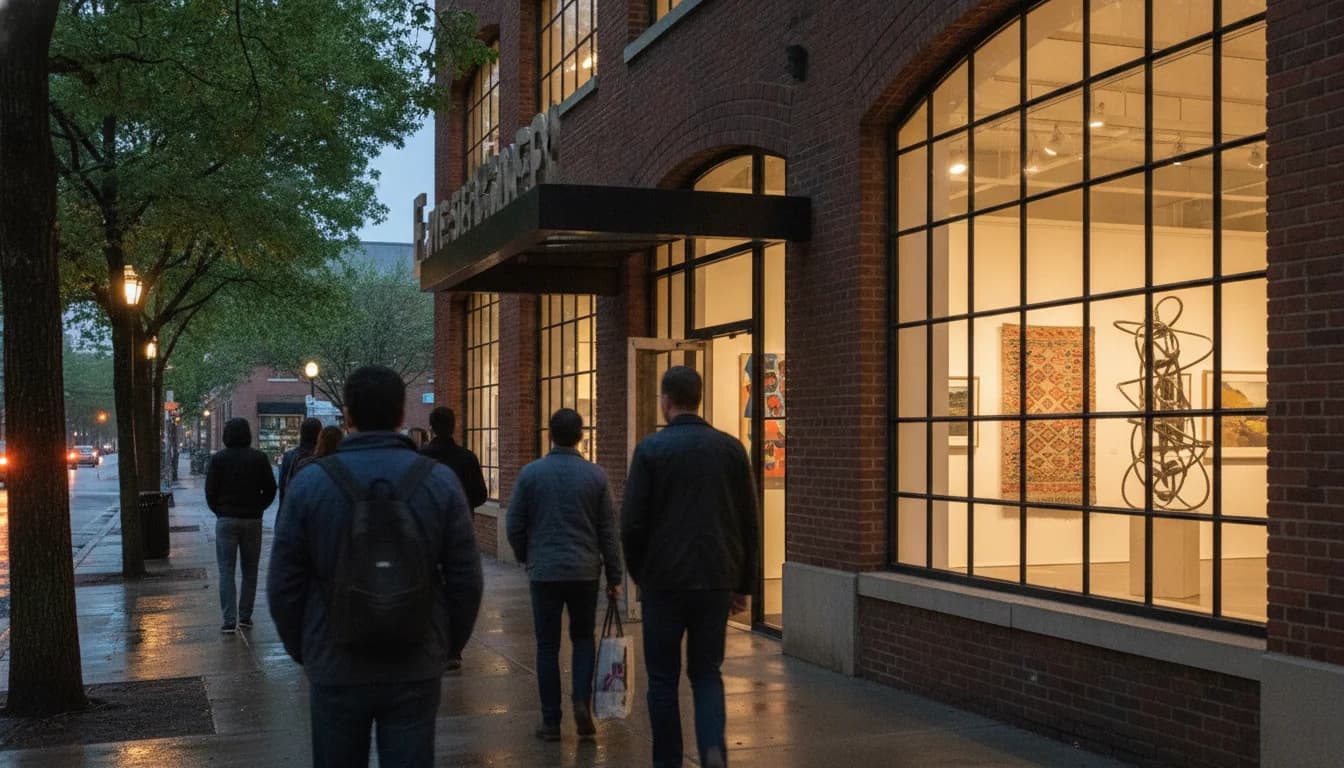
DC Art Now 2026 opens September 10, 2026 at the Eye Street Gallery and runs through December 11, 2026, featuring finalists for the FY27 Art Bank Program; the Art Bank Collection has over 3,000 artworks. This schedule places the event within the city’s Art All Night weekend, underscoring its role as a public-facing showcase that doubles as a discovery platform for district artists. According to CAH’s September 3, 2026 press release, the exhibition is designed to highlight emerging and established voices in photography, sculpture, painting, printmaking, textiles, and related media, all contributing to a cross-section of the DC metropolitan region’s contemporary art scene. This liftable sentence anchors the announcement in concrete dates, location, and the collection’s size, providing a verifiable fact for quotation and citation. The same press release notes that the gallery will host a public reception on September 10, 2026, from 6:00 to 8:00 p.m., and that the show will be on view through December 2026, with public hours aligned to the CAH Eye Street Gallery schedule. See the CAH press release for details. (dcarts.dc.gov)
What Happened
Announcement and Timeline
The DC Commission on the Arts and Humanities released the official word on DC Art Now 2026 on September 3, 2026, announcing that the exhibition would open on September 10, 2026, and would feature finalists for the FY27 Art Bank Program. The release situates DC Art Now 2026 as the FY27 Art Bank finalist exhibition and marks the 40th anniversary of the Art Bank Collection, continuing the program’s practice of acquiring works by local artists for display in District government spaces. The Eye Street Gallery at 200 I Street SE serves as the primary venue for the public-facing portion of the showcase. The opening reception on September 10, 2026, and the subsequent viewing period through December 2026 are highlighted in the release, with hours and access designed to maximize public engagement during Art All Night weekend. This sequence aligns with CAH’s ongoing effort to expand both visibility and access to the Art Bank Collection in civic spaces. For confirmation and specifics, refer to the CAH press release dated September 3, 2026. (dcarts.dc.gov)
Scope and Program Details
DC Art Now 2026 is described as the FY27 Art Bank Program finalist exhibition, a recurring feature of CAH’s commitment to acquiring art from local artists and placing it in public government environments. The Eye Street Gallery will display finalist works from September 10 to December 11, 2026, with gallery hours posted as part of the event information. The Art Bank Collection itself began in 1986 and has grown into a substantial public art asset, with CAH noting that it now comprises more than 3,000 artworks. The program’s annual cadence continues to connect artists with public institutions while expanding the city’s creative economy and public exposure to contemporary works. The list of participating artists and the range of works are highlighted in the exhibition materials, underscoring the diversity of media represented in the DC metropolitan region. Readers can explore selected works through the CAH’s eMuseum portal, which hosts the Art Bank collection and related materials. The announcement also notes that a reception and artist talks are part of the opening programming, aligning with CAH’s emphasis on public dialogue around art and accessibility. The exhibition is part of a broader strategy to use government spaces as platforms for creative collaboration and community engagement. For exact dates, venue details, and a roster of artists, consult the CAH press release and the DC Art Now 2026 exhibition page. (dcarts.dc.gov)
Participating Artists and Works
The DC Art Now 2026 ensemble includes a broad roster of finalists whose works are installed in the Eye Street Gallery for the show. The listing features a wide array of names spanning photography, sculpture, painting, printmaking, textiles, and mixed-media works, illustrative of the district’s contemporary art scene. Notable entries include artists such as Alanna Fields, Anne C. Smith, Brandon J. Donahue-Shipp, Chee Keong Kung, Cianne Fragione, Claudia “Aziza” Gibson-Hunter, Colletta "Coco" Paylor, Dany Green, Dawn Whitmore, Death by Narwhals, Ei Myat Noe Khin, Elizabeth Casqueiro, and many others. The exhibition lineup demonstrates CAH’s ongoing commitment to presenting a representative cross-section of the region’s art practices and to foregrounding diverse voices within public-facing exhibitions. For a complete list of participating artists and works, see the DC Art Now 2026 exhibition materials and the Eye Street Gallery display notes linked from CAH’s pages. (dcarts.dc.gov)
Context and Background
CAH’s Art Bank program, established in 1986, purchases original artworks by District artists and places them in government buildings to support access to art in civic spaces. The program’s long-running history and its public-facing model are central to the DC Art Now 2026 presentation, which explicitly ties the current exhibition to four decades of collecting and exhibiting. The Art Bank Collection has grown into a substantial corpus used to enhance the daily work environments of district employees and provide residents and visitors with ongoing opportunities to encounter new original works. The DC Public Art ecosystem has long positioned CAH’s acquisitions as a bridge between artistic production and public life, a dynamic reflected in the 40th-anniversary framing of DC Art Now 2026. For authoritative details on the program’s origins and scale, the CAH documentation and the DC Art Now 2026 materials are the primary source. (dcarts.dc.gov)
Contextual Implications for Technology and Market Trends
From a technology and market-trends perspective, DC Art Now 2026 highlights how a city-funded art program leverages digital cataloging, online collection portals, and public-facing exhibition platforms to extend reach and accessibility. The Art Bank Collection’s digital presence, including eMuseum access to artworks, demonstrates a model for public institutions seeking to expand visibility of local art through online curation and virtual galleries. These practices support workflows for art management, provenance tracking, and audience analytics, which align with broader trends in public-sector digital transformation and cultural data transparency. The presence of a dedicated online portal for viewing Art Bank holdings enables researchers, educators, and policymakers to analyze collection breadth, media variety, and geographic representation, contributing to data-driven discussions about public art’s role in urban development and cultural economy. While the core program remains a physical, on-site exhibition and loan system, the online components provide a scalable complement that can inform market analysis and policy decisions around public art investments. For readers seeking to understand how DC’s approach fits into wider municipal cultural strategies, the CAH materials and DC Art Now 2026 documentation offer a transparent case study. (dcarts.dc.gov)
Why It Matters
Public Art, Civic Identity, and Access
The DC Art Now 2026 exhibition reinforces public art as a central element of civic life in the nation’s capital. By presenting finalists for the FY27 Art Bank Program and commemorating four decades of the Art Bank Collection, CAH communicates a sustained commitment to integrating local artists into government spaces and, by extension, into the daily experiences of residents and workers. This approach helps anchor neighborhood identity while offering a shared cultural vocabulary across diverse communities. The fact that the collection has grown to more than 3,000 artworks underscores the scale of CAH’s public-art program and its capacity to serve a broad audience through displays in public buildings, libraries, and other civic venues. The opening’s alignment with Art All Night weekend further situates art within a broader citywide cultural moment, encouraging participation from a wide cross-section of residents, students, and visitors. The public reception provides a touchpoint for community dialogue about local art, urban development, and the role of government-backed collecting in sustaining artists’ careers. (dcarts.dc.gov)
"The 40th anniversary of the Art Bank Collection celebrates four decades of art serving as a living visual history of our city's changing neighborhoods and diverse communities." — CAH Arts Collection Registrar Luisa Hammond. This sentiment, echoed in CAH’s material, captures both the historical continuity and the evolving relevance of public art within the District. (dcarts.dc.gov)
The Artist Ecosystem and Local Economy
The Art Bank Program’s ongoing activity supports a broader ecosystem for local artists by expanding opportunities for exposure and acquisition through government channels. The FY27 grant cycle and the exhibition of finalists offer a visible pathway for artists to engage with public institutions and reach new audiences, potentially translating into post-competition opportunities such as commissions, residencies, or partnerships with civic agencies. The inclusion of a diverse roster of finalists across media types reflects a commitment to inclusivity in the city’s cultural economy, which can be an important signal to researchers and policymakers studying neighborhood-level economic development tied to arts and culture. While the immediate impact is cultural exposure and career momentum for individual artists, the longer-term influence includes the potential for increased partnerships between arts organizations, technology firms specializing in digital curation, and civic planners seeking to integrate art into smart-city initiatives. CAH’s documentation on the program’s history and current iteration provides the data points readers require to assess these broader implications. (dcarts.dc.gov)
Public Perception and Accessibility
Accessibility is a central pillar of the DC Art Bank model. By hosting DC Art Now 2026 at a public gallery and linking content to the Art Bank Collection online, CAH makes the art and its context more reachable to a broad audience, including students, educators, and researchers who rely on digital portals to access information about public art holdings. The public reception and the presence of a virtual gallery complement the on-site exhibition, enabling a hybrid approach to audience engagement that aligns with contemporary trends in museums and cultural institutions prioritizing remote access and data-powered storytelling. This strategy not only broadens the reach of DC’s art program but also offers a template for other cities seeking to balance in-person experiences with digital access to public art. (dcarts.dc.gov)
40th Anniversary as a Milestone for Public Art Programs
The 40-year milestone for the Art Bank Program underscores the longevity and stability of a model that funds artists and places works in public spaces as part of the city’s cultural infrastructure. It also signals a moment for reflection and planning around future expansions—whether in collection growth, media diversity, or partnerships with tech-enabled curation and audience analytics. CAH’s emphasis on the anniversary in conjunction with the finalist exhibition indicates a strategic intent to highlight both the program’s history and its evolving role in a digitally connected city. The official materials frame this milestone as a catalyst for continued investment in DC’s artistic community, while also inviting public participation in events and discussions during the DC Art Now 2026 timeframe. (dcarts.dc.gov)
What's Next
Next Steps for the Art Bank Program
Looking ahead, CAH’s DC Art Now 2026 event is positioned as the centerpiece of the FY27 Art Bank Program’s outreach and public engagement in the District. While the immediate focus is the September to December 2026 exhibition window, readers should expect ongoing communications from CAH about the next stages of the Art Bank Program, including potential updates to eligibility, application windows, and partner opportunities for artists and district organizations. The public portal and eMuseum access will continue to serve as key channels for monitoring new acquisitions and forthcoming projects tied to the FY27 cycle. For the latest updates, readers should follow CAH’s official channels and the DC Art Now 2026 event pages, which consolidate upcoming dates, artist rosters, and program milestones. (dcarts.dc.gov)
How to View DC Art Now 2026 and Engage
The Eye Street Gallery’s schedule places DC Art Now 2026 in a public-facing context that invites both in-person viewing and online exploration. The exhibit is open to the public during the listed gallery hours, with a specific opening reception on September 10, 2026, and a viewing period through December 11, 2026. Public programming, including talks or artist interactions, may accompany the exhibition, as suggested by the press materials and the RSVP link provided in the CAH release. Readers who want to engage can use the RSVP portal linked in the exhibition materials and plan a visit during the gallery’s posted hours. Access to the online Art Bank collection via the eMuseum system also provides an alternative means to explore the finalists and related works beyond the on-site display. (dcarts.dc.gov)
Implications for Public Art Policy and Management
From a policy and management perspective, DC Art Now 2026 illustrates how a city can blend a long-standing acquisitions program with contemporary curatorial practices. The 40th-anniversary framing reinforces the importance of institutional memory and public accountability in cultural investments, while the finalist model for FY27 invites ongoing experimentation in how works are selected, displayed, and rotated across government spaces. The combination of a physical exhibition and a robust digital portal supports data-driven decision-making in public arts management, enabling policymakers to assess audience reach, media diversity, and geographic representation within the Art Bank Collection. For readers who track the intersection of technology, urban policy, and art, DC Art Now 2026 provides a tangible example of how cultural assets are curated, curated data is shared, and civic spaces are used to foster creative engagement. (dcarts.dc.gov)
What’s Next (Continued)
Timeline Snapshot and Public Milestones
- September 3, 2026: CAH issues the DC Art Now 2026 press release announcing the exhibition and its milestones. (dcarts.dc.gov)
- September 10, 2026, 6:00–8:00 p.m.: Opening reception at Eye Street Gallery, part of Art All Night weekend. (dcarts.dc.gov)
- September 10 – December 11, 2026: DC Art Now 2026 runs at Eye Street Gallery. (dcarts.dc.gov)
- Ongoing: The Art Bank Collection continues to be built through the FY27 grant cycle and related acquisitions; more information is shared via CAH and the DC Art Now 2026 pages. (dcarts.dc.gov)
Closing
DC Art Now 2026 Art Bank marks a significant moment for the District’s public art program, reflecting four decades of collecting, display, and public engagement in civic spaces. The convergence of a formal exhibition, a milestone anniversary, and a strong digital access strategy highlights how public arts initiatives can evolve in a data-informed city. Readers who want a dependable, fact-based understanding of what this means for artists, government spaces, and the broader arts economy can rely on CAH’s official announcements and the DC Art Now 2026 exhibition materials for core details such as dates, venue, and the scope of the Art Bank Collection.
As DC’s arts ecosystem continues to adapt to new technologies and new audiences, DC Art Now 2026 Art Bank provides a concrete example of how a city can celebrate its artistic community while maintaining rigorous governance, transparent reporting, and accessible programming. The ongoing collaboration between CAH, artists, and civic institutions helps ensure that the District’s public art remains a dynamic, inclusive, and informative cornerstone of urban life. For updates, readers can monitor CAH’s newsroom and the Eye Street Gallery page, and follow DC Art Now 2026 coverage in District of Columbia Times as new developments are announced. (dcarts.dc.gov)