Bird-Friendly Building Rules Take Effect Across the District
Bird-friendly building standards in DC outline new rules for façades and glazing to reduce bird collisions, with funding and code updates underway.
By Julio Sandoval

August 2, 2026
15 minute read
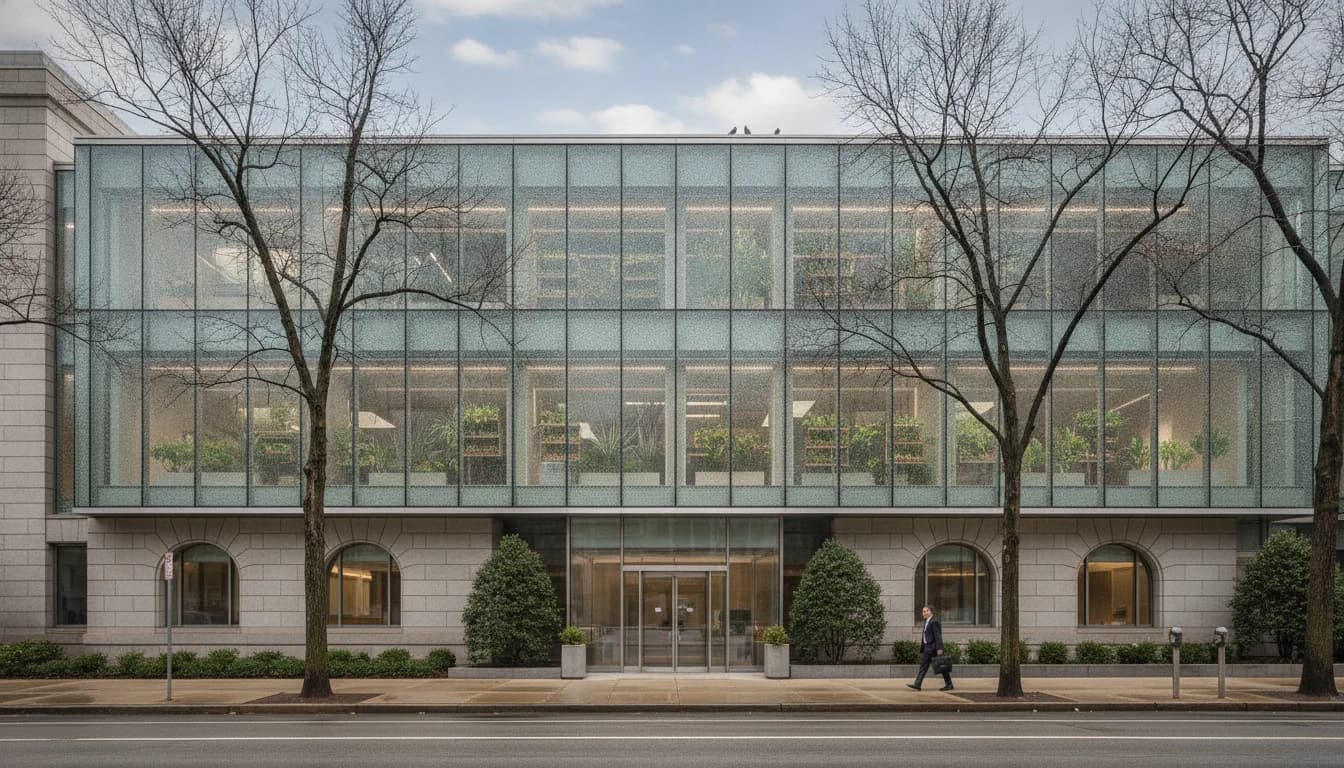
District of Columbia officials are moving forward with a long-sought policy aimed at protecting migrating birds from window collisions in the city’s dense urban landscape. The Migratory Local Wildlife Protection Act of 2022 established a framework for bird-friendly design across new construction and major renovations, setting concrete requirements for exterior façades and glazing. As the latest milestones unfold, developers, property owners, and city agencies are watching how the rules will be implemented on the ground, how costs will be balanced with sustainability goals, and what the policy means for DC’s construction and real estate markets. The district’s bird-friendly building standards in DC are part of a broader push to align urban design with biodiversity protections, while maintaining a climate-focused, data-driven approach to growth and development. (code.dccouncil.gov)
Key regulatory language from the Migratory Local Wildlife Protection Act of 2022 clarifies the core mandate: for building permits issued after October 1, 2024, new construction or alterations that involve replacing all or substantially all exterior glazing on specified building types must use bird-friendly materials for the façade and exterior fenestration up to 100 feet above grade. The act also requires that bird hazard installations be constructed with bird-friendly materials, and it tasks the Department of Buildings (DOB), in consultation with the Department of Energy and Environment (DoEE), to issue regulations to aid in implementing the act. Waivers exist for certain properties, such as those designated as historic landmarks or within historic districts, subject to specific reviews. The act also includes broader provisions to educate and support compliance. (code.dccouncil.gov)
In the months since the act’s passage, the district has pursued several parallel efforts to move from policy to practice. The Washington Informer’s reporting, which examines the city’s bird-safe design standards, notes that implementation was initially slated to begin on October 1, 2024 but was adjusted after a council action extending timing to January 1, 2025, to provide additional clarity and system readiness. The article underscores the two-track approach DC has pursued: codifying the standard and designing the administrative processes to make permit reviews predictable for developers and builders. This timeline shift, while modest in date, signaled the city’s intent to synchronize regulatory changes with the DOB’s permit operations and the DoEE’s oversight of wildlife considerations. (washingtoninformer.com)
Separately, the district is funding and piloting bird-friendly retrofits to accelerate real-world impact. The DC Department of Energy and Environment (DOEE) announced a bird-friendly buildings grant program in February 2026 with a total of $150,000 dedicated to reducing bird collisions in the District. Applications were due by March 9, 2026, and the program targets three outcomes: (1) identifying existing high-risk buildings, (2) educating building owners and operators about bird-friendly retrofit benefits, and (3) piloting at least one high-risk retrofit during the grant’s period. The grant materials also provide practical guidance on eligible applicants, submission methods, and project expectations, illustrating how DC intends to translate the policy into tangible retrofit action on the ground. (doee.dc.gov)
Beyond grant funding, the district’s construction codes are undergoing modernization. A June 8, 2026 update from the DC Department of Buildings describes an extensive plan to adopt newer editions of the International Code Council (ICC) model codes, aligning the 12 construction code categories with current national standards in safety, energy efficiency, and sustainability. Public listening sessions are planned to gather stakeholder input, signaling a multi-month, transparent process for finalizing the regulatory framework and ensuring practical pathways to compliance for industry players. The DOB release highlights a long horizon for rulemaking, public engagement, and phased adoption, underscoring that the bird-friendly provisions sit within a broader modernization effort. (dob.dc.gov)
Finally, DC’s bird-friendly rules do not exist in a vacuum. National discussions around bird-safe buildings—ranging from federal policy proposals to best-practice guidance from federal wildlife agencies—provide context for DC’s approach. For example, the federal Bird Safe Buildings Act has been the subject of congressional action in 2025–2026 and reflects a broader federal interest in reducing bird collisions with built infrastructure. While federal action does not substitute for local requirements, it helps explain why DC and other jurisdictions have pursued precise, codified performance standards. (congress.gov)
What Happened
Origins and legal framework
- The Migratory Local Wildlife Protection Act of 2022 created the baseline for bird-friendly construction requirements in the District. The act was introduced as Bill 24-710 and became law as D.C. Law 24-337, with an effective date in March 2023. Its core mandate was to require bird-friendly materials for façades and exterior glazing for certain projects, beginning with permits issued after October 1, 2024. This establishes the legal anchor for DC’s bird-friendly building standards in DC and sets the stage for concrete design and construction requirements. The law defines the key terms and establishes the regulatory pathway to ensure consistent implementation across the city. (code.dccouncil.gov)
Key provisions and design standards
- The heart of the policy is a specific requirement: façades of the exterior wall envelope and exterior fenestration on new construction or substantial exterior glazing replacements must be constructed with bird-friendly materials up to 100 feet above grade for commercial buildings, multi-unit residential buildings, institutional facilities, or District-owned or operated buildings, for building permits issued after October 1, 2024. The act also requires bird-safe material installations for bird hazard components and provides a framework for how “bird-friendly materials” and “bird hazard installations” are defined. The law further clarifies that waivers may apply for historic properties or districts, subject to relevant preservation boards’ recommendations. (code.dccouncil.gov)
Regulatory pathway and implementation schedule
- The act assigns regulatory responsibilities to the Department of Buildings (DoB) in consultation with the Department of Energy and Environment (DoEE). The regulations are to establish standards for bird-friendly design elements and construction, with a formal process that includes a 45-day review by the Council. The act also notes that the absence of regulations should not delay applicability, indicating that the core requirements can take effect even as detailed guidelines are finalized. The act’s language also calls for education and outreach to accompany compliance. (code.dccouncil.gov)
Historic preservation carve-outs
- The act provides waivers for certain properties, including those designated as historic landmarks and those within historic districts, to balance bird safety with preservation obligations. This nuanced approach acknowledges DC’s rich historic fabric while prioritizing wildlife protection where feasible. The statutory language explicitly contemplates such exemptions under specified circumstances. (code.dccouncil.gov)
Implementation progress and dates
- The law’s key dates—October 1, 2024 for permit timing and the 100-foot height standard—set the anchor for construction projects to adapt glazing and façade design accordingly. A contemporaneous media report notes that in late 2024, DC’s policy faced additional procedural steps to ensure readiness, with an implementation timeline that eventually extended toward early 2025 due to related legislative actions. The Washington Informer coverage highlights this timeline flexibility, which is central to understanding the current state of play. (code.dccouncil.gov)
What Happened (timeline emphasis)
- March 22, 2023: The Migratory Local Wildlife Protection Act takes effect, establishing the legal framework for bird-friendly materials. (code.dccouncil.gov)
- October 1, 2024: Building permits for new construction or major exterior glazing replacements must meet the bird-friendly façade up to 100 feet above grade, subject to waivers and regulations. (code.dccouncil.gov)
- January 1, 2025: Implementing timeline adjusted by the DC Council to allow for smoother system integration, per local media reporting on the ordinance’s rollout. (washingtoninformer.com)
- February 6, 2026 onward: DOEE announces a Bird Friendly Buildings Grant program to fund retrofit and awareness efforts, with a March 9, 2026 deadline for applications and a total of $150,000 available. (doee.dc.gov)
- June 8, 2026: DOB publicly announces a broader construction code modernization effort, including updates to align with ICC standards and a public input process through listening sessions. This signals how the bird-friendly provisions will be integrated into a wider code modernization effort. (dob.dc.gov)
Why It Matters
Environmental and ecological rationale
- The DC policy aligns with a growing body of evidence about bird collisions with glass as a significant urban threat. Organizational authorities such as the U.S. Fish and Wildlife Service have documented the hazards of reflections and bright night lighting on birds and have highlighted best practices for reducing collisions, including patterns, coatings, and other mitigation strategies for glazing. The DC approach translates these best practices into enforceable design requirements, with a measurable target (100 feet above grade) to concentrate preventative measures on the most at-risk portions of building façades. The policy is consistent with national guidance and is designed to create safer urban environments for migratory birds that pass through or reside in the District during migration seasons. (fws.gov)
Economic and development implications
- Implementing bird-friendly building standards in DC carries cost implications for developers and property owners, particularly in the glazing and façade envelope. Industry reporting and analyses have noted potential cost increases associated with specialized glass or patterned coatings. For example, cost assessments in similar markets have suggested incremental glass costs on the order of tens to hundreds of dollars per square foot, depending on the complexity of the intervention and the specific material choices. While the exact cost impact for DC projects will vary, the city’s DOEE grant program and the ongoing code modernization efforts are designed to mitigate risk by providing targeted funding, guidance, and a clearer pathway to compliance. In DC, the DOEE grant program’s $150,000 and the broader code update process are designed to support practical adoption and demonstration projects that can inform broader market economics. (costar.com)
Public policy and urban planning context
- DC’s bird-friendly standards fit into a broader national trend toward bird-safe design in dense urban centers. Several U.S. cities have introduced or implemented bird-friendly building policies at varying scales, and federal policy discussions in recent years reflect a national policy trajectory toward reducing bird collisions with built environments. DC’s framework—grounded in a robust legal act, supported by regulatory developments, and backed by funding programs—illustrates how a city can operationalize wildlife protection within a modern, sustainability-focused development agenda. This alignment with broader trends is also evident in academic and policy analyses that compare DC’s approach with other jurisdictions and describe the range of design strategies used to minimize collision risk. (congress.gov)
What It Means for Stakeholders
For developers and architectural teams, the bird-friendly building standards in DC imply early-stage integration of bird-friendly glazing strategies, right-sizing procurement, and close collaboration with the Department of Buildings and DoEE to ensure compliance with the 100-foot requirement and with any applicable waivers. It also means factoring in potential retrofit considerations for existing facilities that undergo substantial renovations. As the DOB and DoEE finalize regulations, stakeholders can expect more prescriptive guidance on materials, testing protocols, and documentation to demonstrate compliance, as well as timelines for plan review and permit issuance. (code.dccouncil.gov)
For building owners and asset managers, the DoEE grant program signals an opportunity to offset retrofit costs for high-risk façades and interior-environment adjustments that reduce bird mortality. The program’s competitive timeline and application specifics provide a structured path for securing funding to implement pilot projects and gather performance data that can inform broader portfolio strategies. (doee.dc.gov)
For local communities and urban ecologists, DC’s approach offers a practical case study in how policy can be translated into measurable ecological benefits at city scale. The Bird Safe Buildings framework, including the definitions of “bird-friendly materials” and “bird hazard installations,” creates a transparent standard for evaluating new projects’ environmental impact and fosters collaboration among wildlife groups, preservation authorities, and the development sector. (code.dccouncil.gov)
Section 2: Why It Matters (Expanded analysis)
Impact analysis by stakeholder group
Developers and architects: The 100-foot façade requirement focuses attention on mid- to high-rise exterior envelope design. The policy’s material-threat-factor metric (maximum material threat factor of 30) provides a quantitative target for glazing and related assemblies. As the act directs regulations through the DoB in coordination with DoEE, design teams can anticipate treated glazing, UV patterns, or other bird-visible treatments as mandatory design elements for significant glazing work on new or substantially renovated façades. The historic preservation exemptions add complexity but also clarity in cases where historic integrity must be balanced against bird safety. In practical terms, this means upfront budgeting for specialized glazing solutions, coordination with preservation authorities when properties are historic, and early-stage coordination with city agencies to align project timelines with permit cycles. (code.dccouncil.gov)
Building owners and managers: The grant program and the ongoing modernization efforts create avenues for funding and compliance pathways, particularly for retrofits. The DOEE grant’s $150,000 total allocation and the March 9, 2026 deadline illustrate how DC is incentivizing targeted retrofits rather than relying solely on new construction to advance bird safety. For owners of high-visibility or high-collision risk buildings, these grants may defray costs and accelerate implementation during retrofit campaigns. (doee.dc.gov)
Public and ecological communities: The policy is designed to reduce bird mortality linked to glass collisions, a problem documented by wildlife agencies and conservation groups. By codifying bird-friendly design elements and promoting education and outreach, DC seeks to raise public awareness of bird safety in urban settings and create measurable improvements in biodiversity outcomes as migratory birds traverse the region. Federal and local authorities emphasize the ecological and economic benefits of healthier urban ecosystems, which underpin DC’s policy direction. (fws.gov)
Competitive landscape and context
Policy comparisons show that DC’s approach is one of several city-level efforts to address bird collisions through glass design standards. While each city tailors its requirements to its unique architectural context and preservation considerations, DC’s explicit 100-foot height benchmark and its defined material-threat metrics place it among the more prescriptive urban standards in effect. Researchers and practitioners can look to DC’s act for a concrete, regulated framework that couples ecological goals with tangible construction requirements. Studies and policy analyses that compare DC’s approach with cities like New York, Chicago, and others provide a useful context for evaluating effectiveness, cost, and scalability. (code.dccouncil.gov)
The national policy landscape—federal bills and guidance—augments DC’s city-level actions by signaling a broader intent to mainstream bird-safe design across federal facilities and potentially influence private sector standards through incentives or mandates. While federal action is not a substitute for local codes, its existence can affect market expectations and the availability of design solutions, which DC can leverage as it implements its own standards. The existence of federal proposals in 2025–2026 underscores the relevance of DC’s policy as part of a wider national shift toward bird-safe buildings. (congress.gov)
What’s Next
Regulatory rollout, timelines, and public input
- The regulatory pathway for bird-friendly building design elements is underway, with DoB and DoEE collaborating to publish standards that specify the technical performance criteria, testing methods, and documentation required for compliance. The DOB’s June 2026 update notes that seven public listening sessions will be held in the summer and fall to gather input on proposed construction code updates, including those related to energy efficiency and green construction in addition to safety provisions. The process foresees a 45-day Council review for proposed regulations, followed by potential phased implementation and subsequent rule cycles in 2027. Stakeholders should monitor the No. 1 source of updates—DOB’s public postings and the DoEE’s grant program announcements—for concrete dates, required submissions, and compliance timelines. (dob.dc.gov)
Key milestones to watch
- October 1, 2024: Baseline date for when the bird-friendly façade requirements apply to applicable projects (subject to waivers and regulations). This date remains a critical milestone for project planning, though implementation timelines were refined due to preservation considerations. (code.dccouncil.gov)
- January 1, 2025: The Council’s implementation timing adjustment, which provides additional lead time for system readiness and regulatory alignment, as noted in local reporting. This date marks when more concrete permit-process adjustments and inspector guidance are expected to be in place. (washingtoninformer.com)
- 2026–2027: The ongoing modernization of DC’s construction codes, including the integration of bird-friendly requirements with ICC standards, and the second and final rounds of rulemaking. Public listening sessions in 2026 and a subsequent publishing of final rules in winter 2027 frame the near-term trajectory. (dob.dc.gov)
Funding, pilots, and demonstrations
- The DOEE Bird Friendly Buildings Grant provides a discrete funding pathway to test and demonstrate retrofits on high-risk buildings, which can yield practical data on cost, feasibility, and performance. The grant supports not only physical retrofits but also education and outreach, enabling a broader network of building owners to adopt bird-friendly practices. The grant’s application window has closed for 2026, but the success and outcomes of funded projects will be critical benchmarks for future rounds, and the program’s structure can serve as a blueprint for other districts seeking to catalyze action. (doee.dc.gov)
What to watch for in the market
As DC finalizes its regulations and expands outreach, property developers and owners should expect greater demand for bird-friendly glazing solutions, patterns, films, and coatings that comply with the bird-friendly materials standard and the Threat Factor metric. The policy’s focus on 100-foot façades ensures a defined scope for initial implementation, while the potential waivers for historic properties keep the work nuanced and project-specific. Market vendors—glass manufacturers, façade consultants, and retrofit specialists—will be watching regulatory clarifications closely to align product lines and pricing with the city’s standards and timelines. (code.dccouncil.gov)
The district’s funding initiatives through DOEE can catalyze early adopters. Building owners pursuing retrofits may seek grant support to offset costs and demonstrate the ecological and economic value of bird-friendly design. The program’s competitive process and documented deadlines (e.g., March 9, 2026 deadline) provide a clear pathway for eligible applicants and a model for other jurisdictions considering similar incentive programs. (doee.dc.gov)
Closing
The district’s move toward bird-friendly building standards in DC represents a deliberate, measured approach to reducing avian mortality in an urban environment while supporting sustainable development. By codifying a 100-foot façade requirement, defining bird-friendly materials and bird hazard installations, and pairing regulatory action with targeted funding and broad stakeholder engagement, DC is building a framework that blends ecological safeguards with practical construction considerations. The city’s progress—through the Migratory Local Wildlife Protection Act of 2022, the DoB’s regulatory plans, and the DoEE grant program—will continue to unfold in the coming months and years as final guidelines are issued, pilots demonstrate tangible results, and the market adapts to a new standard for bird safety in one of the nation’s most dynamic urban centers. For property owners and developers, staying aligned with the city’s updates, listening sessions, and grant opportunities will be essential to navigate this transition successfully. And for residents and wildlife advocates, the changes promise a more bird-friendly City that can serve as a model for integrating biodiversity protection into the core fabric of urban growth.
If you’re seeking ongoing updates, follow DC DOB’s News Room and the DOEE Grants and Funding pages for the latest guidance, timelines, and opportunities related to bird-friendly building design elements. The District’s emphasis on data-driven decision-making and transparent stakeholder engagement suggests a steady cadence of announcements, reviews, and implementation milestones as the city continues to refine and roll out its bird-friendly building standards in DC. (dob.dc.gov)
To help readers navigate the policy quickly:
- The Migratory Local Wildlife Protection Act of 2022 sets the baseline for bird-friendly materials in DC. Key dates to watch: October 1, 2024 (start of the 100-foot façade rule) and potential implementation delays through early 2025. (code.dccouncil.gov)
- Bird-friendly materials are defined by a maximum material threat factor of 30, with specific definitions for bird hazard installations and related terms. (code.dccouncil.gov)
- Regulations to implement these provisions are to be promulgated by DoB in consultation with DoEE, and the rules will include a Council review process. (code.dccouncil.gov)
- The DC DOEE Bird Friendly Buildings Grant provides a funding path for retrofits and outreach projects, with a 2026 application deadline and a total of $150,000 available. (doee.dc.gov)
- The city’s broader construction code modernization process, announced in June 2026, will integrate bird-friendly design within the ICC framework over a multi-year timeline, with public listening sessions to gather input. (dob.dc.gov)