
Washington DC Restaurant Week Highlights

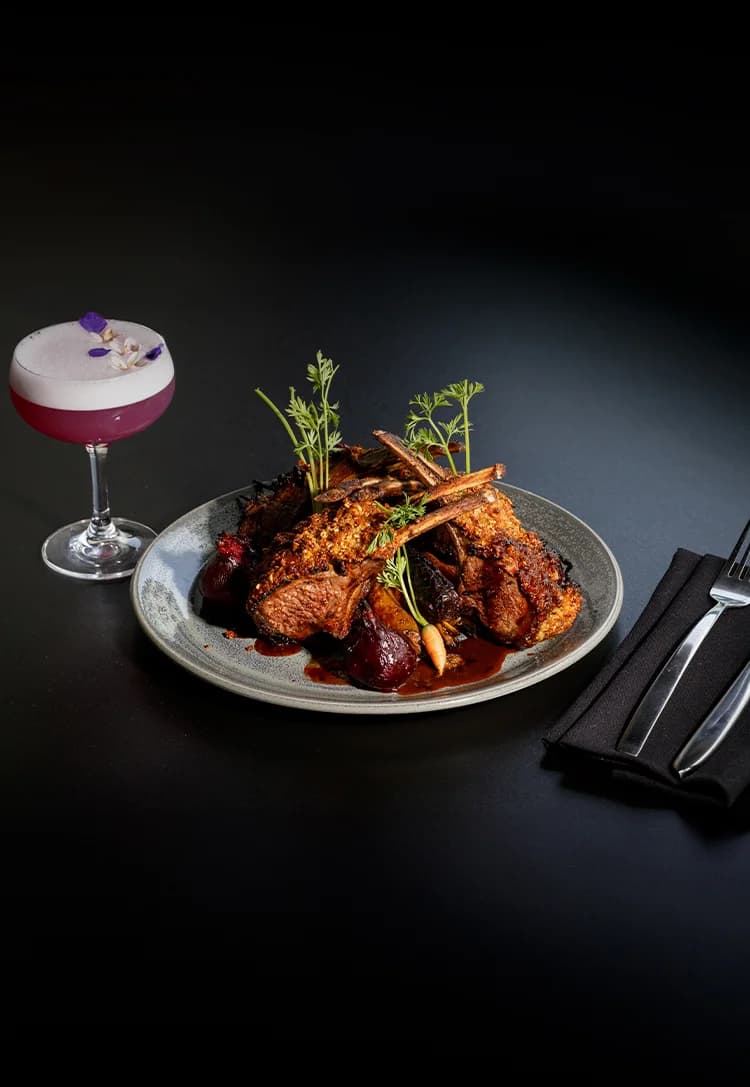
The District of Columbia Times - DC News, Policy & Political Analysis presents a rigorous examination of Washington DC restaurant week highlights and what they reveal about policy choices shaping the city’s dining economy. For DC residents and policy watchers, this piece situates a beloved seasonal ritual—Winter and Summer Restaurant Week—within a broader framework of small-business resilience, workforce considerations, and municipal governance. In the process, we contrast grandeurs of culinary culture with the practicalities of public policy, tracing the path from prix fixe menus to budgetary and regulatory implications for dozens of neighborhood gems. washngton dc restaurant week highlights
Why Washington DC Restaurant Week Highlights Matter for Policy and Community
Washington DC restaurant week highlights are more than a calendar event. They function as a micro-laboratory for examining how public policy, private partnerships, and community advocacy interact to sustain small businesses in a high-cost urban economy. The biannual program, organized by the Restaurant Association Metropolitan Washington (RAMW), brings together hundreds of restaurants across DC, Maryland, and Virginia to offer curated menus at fixed prices. The Winter edition—reaching a broad cross-section of diners and neighborhoods—serves as a practical test case for price signaling, consumer demand, and equity in access to high-quality dining experiences. As a policy-aware newsroom, we trace how these signals translate into real-world outcomes: job stability for line cooks and servers, revenue diversification for independent operators, and a measurable uptick in foot traffic that benefits adjacent retailers and transit hubs. The Winter Restaurant Week runs on a predetermined schedule and has historically extended its windows to accommodate weather and demand fluctuations, illustrating adaptive governance in action. For the current season, the schedule and scope can be found on RAMW’s official channel and linked information portals. (ramw.org)
Economic Stimulus and Local Small Businesses
The core economic premise of Washington DC restaurant week highlights is straightforward: fixed-price menus attract diners who might not otherwise sample a restaurant, creating a surge in reservations, new customer acquisition, and cross-pollination of neighborhoods. RAMW’s ongoing messaging emphasizes that the event is designed to reflect the region’s diverse culinary landscape while encouraging patrons to try spots beyond their usual choices. In winter, participating venues typically offer multi-course experiences at approachable price points, turning casual tasters into repeat customers and, in many cases, convert first-time visitors into long-term regulars. These dynamics are not just about one week of revenue; they can catalyze longer-term bookings, private events, and even summer menu experimentation, as operators test new dishes during off-peak seasons. According to RAMW’s program materials, more than 200 restaurants across the Washington metro region participate, reinforcing the scale and impact of the initiative. (washington.org)
A reflective takeaway from recent editions is that the program’s reach extends beyond the core city core into diverse neighborhoods, helping to palliate the seasonal lull that many restaurants experience in colder months. For policymakers, this is a data point about how city networks, business associations, and hospitality professionals can collaborate to stabilize employment and broaden consumer access to high-quality dining. The public policy dimension becomes especially salient when considering wage structures, tipping norms, and the cost of doing business in a district with high operating costs. The Winter edition’s venue mix—ranging from established DC institutions to emerging concepts—illustrates a deliberate policy-gravity toward preserving culinary heritage while encouraging innovation. (washington.org)
Labor, Wages, and Workforce Development
Worker well-being underpins the health of Washington DC restaurant week highlights as a policy issue. Restaurants rely on a mix of seasoned staff and entry-level workers who represent a significant portion of DC’s service economy. The seasonal nature of restaurant weeks can create fluctuations in staffing needs, prompting operators to adjust scheduling, overtime practices, and cross-training opportunities. From a governance perspective, the event provides a live case study in how the city can support workforce stability through training partnerships, access to affordable housing for workers near high-demand corridors, and collaboration with labor organizations to ensure fair scheduling practices during peak promo periods. While precise employment-impact metrics vary by year and market conditions, the recurring pattern is clear: a successful restaurant week can temporarily boost hours and wages for frontline workers while also potentially driving longer-term employment opportunities as guest repeat visits convert to ongoing business. Contemporary reporting and RAMW’s data dashboards remain the best sources for quantifying these effects in the current season. (ramw.org)
“This is a fantastic opportunity for everyone to explore new dining experiences, support local chefs, and create unforgettable memories.” — Shawn Townsend, President and CEO of RAMW. (dc.gov)
Equity, Access, and Cultural Diversity
Washington DC restaurant week highlights also reveal a city that is determined to reflect its cultural mosaic. A typical winter iteration features cuisines ranging from Mediterranean and East African to Latin American and Pacific Rim, mirroring the city’s demographic diversity. From a policy lens, the question becomes: how do event organizers and city partners ensure equitable access to these promotions for residents with different income levels, dietary needs, or accessibility requirements? RAMW’s ongoing communications emphasize broad participation, but the responsibility for accessibility—whether in menu language, dietary accommodations, or physical access within venues—rests with business owners and community advocates alike. The policy conversation here intersects with transit access, child-care availability for weekend dining, and the role of government support in promoting inclusive dining ecosystems. The Washington DC restaurant week highlights offer a productive frame for these discussions, inviting stakeholders to align restaurant-week logistics with broader equity goals. (washington.org)
RAMW, Policy, and City Leadership: How Public-Private Collaboration Shapes Dining
RAMW’s role in orchestrating Restaurant Week highlights the power of public-private collaboration in the DC region. The organization curates a diverse roster of restaurants, negotiates prix fixe menus, and coordinates marketing and reservations infrastructure that benefits both diners and operators. The city’s government, including the District of Columbia’s communications channels, periodically amplifies these messages, underscoring a shared commitment to the vitality of local dining as both an economic engine and a social hub. In recent seasons, public-facing communications have emphasized extended windows, inclusive meal formats (such as lunch and brunch promotions), and cross-promo efforts with cultural events and tourism initiatives. This collaboration embodies a pragmatic governance model: private sector expertise paired with public sector messaging to achieve observable economic and social outcomes. RAMW’s official materials provide the backbone for these announcements, while city agencies help ensure consistent policy alignment and publicity support. (ramw.org)
Public-Private Collaboration in a Fragmented Policy Landscape
The DC policy landscape is arguably more complex than a single marketing campaign. Restaurant Week highlights sit at the intersection of labor standards, small-business finance, tourism promotion, transit accessibility, and consumer protection. Each season tests the city’s capacity to align these policy domains with the practical realities faced by restaurateurs and diners. For policymakers, the key takeaway from Washington DC restaurant week highlights is the need for flexible, data-driven strategies that respond to weather, economic conditions, and evolving consumer preferences. RAMW’s ongoing participation metrics—such as the number of participating restaurants and the geographic distribution of venues—provide a quantitative backbone for evaluating whether public support translates into measurable gains in resilience and equity. The city’s leadership has, in various public statements, underscored the importance of vibrant dining ecosystems as an indication of a healthy, inclusive urban economy. (washington.org)
Equity and Accessibility Metrics: A Data Gap and a Path Forward
Despite the robust promotional framework, there remains a need for transparent, standardized metrics on equity and accessibility in Washington DC restaurant week highlights. Data points that would matter to residents include: the share of participating venues that are small or minority-owned, the geographic spread of promotions across wards, and the extent to which menus accommodate allergens and dietary restrictions. To date, RAMW and partner organizations have published aggregate figures (e.g., total participating restaurants, price points) but more granular breakdowns would empower policy watchers to assess progress toward inclusive access. The current public information gives reason to believe that the menus and promotions are broad enough to reach a wide audience, yet the precise demography of diners and the distribution of value across neighborhoods remain open questions. Readers should monitor RAMW’s updates and district-level dining reports for the latest data. (ramw.org)
How to Participate: A Diner’s Guide to Washington DC Restaurant Week Highlights
For DC residents and policy watchers who want to engage with the Washington DC restaurant week highlights effectively, a practical, action-oriented guide is essential. Whether you are a policy analyst, a community advocate, or simply a curious foodie, the following sections provide a structured approach to planning, experiencing, and evaluating the events.
Planning Your Week: Winter vs. Summer Promos
Winter and Summer Restaurant Week are the two marquee editions, each with distinct cadence and menu dynamics. Winter weeks commonly feature fixed-price multi-course menus for lunch and dinner, designed to attract a broad cross-section of diners, including families and office workers seeking convenient, high-quality dining on a predictable budget. Summer weeks often diversify the format with a mix of brunch and lunch promotions, and sometimes include neighborhood-focused pop-ups or live entertainment add-ons. Pricing for these promotions is a central driver of participation; in many cases, lunch or brunch menus run around $25, while dinner menus can range from the high $30s to mid-$60s, depending on the restaurant and the market. The RAMW program materials and Washington DC restaurant week highlights write-ups on Washington.org emphasize these price points, noting that the structure is designed to be both accessible and aspirational for diners and operators alike. (washington.org)
A practical takeaway for readers is to plan early. Reservations can fill quickly during high-demand windows, and some restaurants offer special wine or cocktail pairings as add-ons. For those who follow city policy developments around dining and tourism, Restaurant Week presents a predictable timeline to align advocacy, community outreach, and budget planning. Observers can track which neighborhoods see the strongest uptake, which cuisines lead the way in menu innovation, and how accessibility considerations are addressed by participating venues. As a case study, the winter edition’s extended window—intended to accommodate weather-related disruptions—offers a template for resilient event design that policymakers can consider when coordinating other seasonal programs. (washington.org)
Booking Tips and Reservations
A successful Restaurant Week experience hinges on smart reservations. Diners should check participating restaurant menus in advance, compare prix fixe offerings, and consider booking via RAMW’s directory or the individual restaurant’s reservation system. Because more than 200 restaurants participate across the DMV region, there are ample options, but the best choices often disappear quickly when menus align with dietary needs, kids’ menus, or beverage pairings. The RAMW site provides a centralized portal to browse locations and menus, helping diners identify the best value, the most interesting cuisines, and the most convenient neighborhoods. Early planning also helps ensure accessibility needs are communicated ahead of time to accommodate dietary restrictions or mobility considerations. (ramw.org)
Dietary Considerations and Inclusivity
Restaurant Week highlights are an opportunity to showcase inclusive dining options. Restaurants often adapt menus to accommodate common dietary needs, including vegetarian, vegan, gluten-free, and allergy-conscious selections. Diners with special requirements should verify menu details in advance and reach out to venues directly if substitutions are needed. In the broader policy context, the inclusivity of dining experiences speaks to the city’s commitment to equitable access and consumer protection, ensuring that cultural and culinary diversity is accessible to residents across different income levels and neighborhoods. The ongoing discussions surrounding accessibility and equity in DC’s dining scene are closely related to the policy watch around small-business support and workforce development. (washington.org)
A Diner’s Checklist for Washington DC Restaurant Week Highlights
- Check the RAMW Restaurant Week page for the current season’s participating restaurants and menus. (ramw.org)
- Look for fixed-price options that fit your budget and dietary needs (lunch/brunch vs. dinner). (fox5dc.com)
- Reserve early; popular venues can book out quickly. (ramw.org)
- Consider exploring neighborhoods you don’t normally visit to experience DC’s culinary diversity. (washington.org)
- Note any supplemental programs or promotions (e.g., live music, beverage pairings) that enhance the value of the experience. (fox5dc.com)
Neighborhood Spotlights and Menu Highlights: Where to Dine During Washington DC Restaurant Week Highlights
A central strength of Washington DC restaurant week highlights is the geographic breadth of participation. The city’s culinary map includes downtown cores, historic neighborhoods, and up-and-coming dining districts, all represented among the participating venues. For readers who want to map their dining itinerary by neighborhood and cuisine, the following snapshot offers a structure for exploration, while noting that the exact list of participants varies by season. The current season’s complete roster is available on RAMW’s official site. (ramw.org)
- Dupont Circle and Foggy Bottom: A mix of international cuisine and contemporary American concepts, often with strong wine and cocktail programs. In past winters, venues such as Gravitas and similar concepts have been highlighted for refined prix fixe menus. The international flavor profile is a hallmark of DC’s dining scene and a key feature of the restaurant week highlights. (washington.org)
- Georgetown and Peninsula Areas: Longstanding institutions and chef-driven newcomers typically participate, offering seasonal menus that emphasize regional ingredients and culinary storytelling. Several high-profile venues have used Restaurant Week to trial limited-time courses and tasting menus that later become permanent fixtures. (fox5dc.com)
- Adams Morgan and U Street Corridor: Eclectic, neighborhood-friendly dining with vibrant, affordable options that resonate with local residents and policy watchers who value accessible experiences. The festival-frame helps these venues reach a wider audience while preserving neighborhood character. (washington.org)
- Capitol Hill and Navy Yard: A mix of classic sit-down eateries and modern concepts that reflect DC’s policy-driven emphasis on walkable, mixed-use corridors and transit-oriented development. Participating venues often highlight brunch and lunch menus with approachable price points. (washington.org)
Top participating restaurants often highlighted in the season’s coverage include established DC institutions and modern chefs who leverage the platform to reach new patrons. Some examples cited in contemporary coverage include prominent spots like 1789 Restaurant in Georgetown and other well-known venues across Dupont Circle, Foggy Bottom, and beyond. The exact list shifts by season, so readers should consult RAMW’s current directory for up-to-date participants and menus. (fox5dc.com)
Menu-Price Table: Typical Prix Fixe Ranges
- Lunch/Brunch: Typically around $25 per person (some venues offer additional beverage or tax/fee considerations). (fox5dc.com)
- Dinner: Common ranges from the mid-$30s to $65 per person, depending on restaurant and course count (RAMW materials and press coverage often reflect a $40-$65 bracket for premium venues). (fox5dc.com)
- Beverages: Beverage pairings or wine add-ons vary; many venues offer optional cocktail or wine pairings to enhance the experience. (fox5dc.com)
A table format can help readers quickly compare winter vs summer price points and plan their itineraries. The following is a representative example based on current season communications (for exact values, always consult the official RAMW page for the current season):
Table: Winter Restaurant Week Prix Fixe Ranges (Representative)
- Meal Type | Typical Price | Notes
- Lunch/Brunch | $25 | Many menus include three courses; vegetarian options common
- Dinner | $40-$65 | Varies by venue; some offer beverage add-ons
Citations: RAMW and Washington DC restaurant week highlights coverage provide the current season’s pricing frame and the general structure of prix fixe menus. (ramw.org)
A Policy Watch: The Interplay Between Dining Promotions and Regulation
Washington DC restaurant week highlights sit at a nexus of cultural policy, economic policy, and urban governance. The city’s leadership has on multiple occasions underscored the importance of local dining as both a cultural asset and an engine of economic activity. The winter edition, for example, is framed not only as a dining promotion but also as a mechanism to drive foot traffic to neighborhood economies, support workers, and highlight DC’s culinary diversity. The official city communications have explicitly tied Restaurant Week participation to local economic vitality, and city leadership has often aligned social and economic goals with RAMW’s initiatives. This alignment is visible in press releases, official statements, and district communications that promote the event as a community-building and economic-stabilizing activity. (dc.gov)
Public-Private Collaboration as a Governance Model
The Restaurant Week framework illustrates how public-private partnerships can function as a governance tool to achieve policy objectives such as economic resilience, job preservation in the hospitality sector, and the celebration of local culture. RAMW’s role in coordinating menus, promotions, and reservations, combined with city-level promotion and supportive messaging, creates a structured, scalable approach to seasonal economic activity. Observers can examine how these models could be replicated in other sectors of the city’s economy, including cultural events, tourism, and small-business support programs. The current season’s activity demonstrates the value of sustained collaboration and data-sharing between restaurant associations, city agencies, and the public. RAMW’s ongoing updates and the district’s communications emphasize a shared agenda: a thriving, inclusive dining ecosystem that supports both workers and communities. (ramw.org)
Data Gaps and Opportunities for Policy Improvement
Despite the robust framework, exact metrics on equity, accessibility, and neighborhood-level impact remain an ongoing area for improvement. District policymakers, researchers, and advocates could benefit from standardized data on:
- Geographical distribution of participating venues by ward
- Ownership demographics of participating restaurants (e.g., minority-owned, women-owned)
- Accessibility accommodations offered by venues during Restaurant Week
- Staffing hours and wage trends associated with peak event periods
Promisingly, RAMW’s published participation data and the city’s public communications provide a foundation for collecting these metrics in future seasons. A more transparent data regime would enable a deeper analysis of whether Washington DC restaurant week highlights are advancing equity goals while delivering economic benefits. (ramw.org)
The city’s leadership and RAMW collectively recognize that restaurant week is more than a promotional vehicle; it is an instrument to observe, measure, and influence how policy shapes everyday life in the nation’s capital. This perspective is reflected in the joint messaging around the event and the emphasis on inclusive participation and economic vitality. (dc.gov)
The Business Case: How Restaurants Benefit from Washington DC Restaurant Week Highlights
For restaurateurs, the Washington DC restaurant week highlights present a valuable testing ground for pricing strategy, menu engineering, and marketing reach. The fixed-price model lowers the barrier for new customers to try a venue, while participating restaurants gain exposure through RAMW’s aggregated marketing channels and the city’s promotional apparatus. The promotional impact is not merely incremental revenue; it is exposure to new customer segments, which historically translates into higher repeat visitation, improved word-of-mouth, and an opportunity to showcase culinary experimentation. The following points summarize the business-case implications:
- Customer Acquisition: Prix fixe menus attract price-conscious diners and curious food lovers who might not otherwise pick a specific restaurant. A steady influx of first-time customers can produce a baseline of recurring patrons after Restaurant Week ends. This is particularly valuable for newer concepts seeking to establish brand recognition in a crowded market. (fox5dc.com)
- Menu Innovation: The event gives chefs the license to test new dishes in a low-risk setting, gather feedback, and refine offerings for post-week service. The best ideas tested during Restaurant Week often become staples in later seasons. (fox5dc.com)
- Neighborhood Engagement: For long-standing neighborhoods with rich culinary heritage, Restaurant Week highlights help maintain mechanical foot traffic and cross-pollination with nearby retailers, galleries, and transit hubs. This network effect reinforces the city’s urban vitality, an outcome policymakers often seek to protect. (washington.org)
- Workforce Stability: The week’s staffing demands can highlight the need for flexible scheduling, cross-training, and scalable shifts. Operators who leverage this period to demonstrate efficiency and customer service excellence may enhance staff retention during slower periods. While precise workforce metrics vary, the qualitative impact is widely observed across participating venues. (ramw.org)
A Richer, Data-Driven View: Quotes, Case Studies, and Real-World Examples
Case studies from Washington DC and the broader RAMW ecosystem illustrate how Restaurant Week highlights intersect with policy and community goals. The following elements provide a richer, evidence-based view:
- Case in point: A Georgetown-adjacent venue used Winter Restaurant Week as a launchpad for a seasonal tasting menu that later expanded into a permanent offering, underscoring the link between promotional events and menu strategy. While specifics vary by year, this narrative is representative of the typical lifecycle of Restaurant Week initiatives and their impact on culinary development. (fox5dc.com)
- Policy anchor: Local government communications frame Restaurant Week as a catalyst for supporting local hospitality while maintaining high standards of quality and consumer protection. The city’s involvement in messaging and coordination with RAMW indicates a deliberate approach to aligning cultural initiatives with economic policy objectives. (dc.gov)
Quotations from organizers and policymakers underscore the shared mission:
“This is a fantastic opportunity for everyone to explore new dining experiences, support local chefs, and create unforgettable memories.” — Shawn Townsend, RAMW President and CEO. (dc.gov)
Top Takeaways and Practical Advice for 2026
- Plan early and reserve wisely. The two annual Restaurant Weeks are widely anticipated, with more than 200 participating venues; early planning helps ensure access to your preferred restaurants and menus. RAMW’s directory is the best place to start planning. (ramw.org)
- Explore beyond your usual neighborhood. The geographic spread of participating venues invites residents to discover new neighborhoods and culinary cultures, contributing to community-level cultural exchange. (washington.org)
- Consider equity as a central criterion. When evaluating Washington DC restaurant week highlights, ask about accessibility, menu options for diverse dietary needs, and the geographic distribution of offerings across wards. Such questions align with broader city policy goals around equity and inclusive growth. (washington.org)
- Watch for added value. Beyond fixed-price menus, some venues offer beverage pairings, live music, or special events during Restaurant Week, enhancing the guest experience and expanding the event’s cultural footprint. (fox5dc.com)
- Follow governance signals. Public messaging from DC officials and RAMW demonstrates a coordinated approach to sustaining local dining ecosystems. This alignment can inform future policy design in related sectors, including tourism, small-business support, and workforce development. (dc.gov)
Final Reflections: The Role of Washington DC Restaurant Week Highlights in City Life
Washington DC restaurant week highlights represent more than a seasonal dining occasion. They offer a lens into how public policy, economic development, cultural identity, and community life converge in the nation’s capital. The ongoing collaboration between RAMW, local restaurants, and city leadership demonstrates a model of governance rooted in practical outcomes: increased foot traffic, exposure for culinary talents, job opportunities for workers, and a city-wide celebration of diverse cuisines. For policy watchers, the event provides a living example of how urban economies can be stabilized and enriched through coordinated, data-informed, and community-driven initiatives. As always, observers should follow RAMW’s official updates and district communications for the latest details on participating restaurants, price points, and accessibility accommodations.
In future seasons, the DC policy community should consider expanding data collection and transparency around equity metrics, venue ownership, and neighborhood distribution. Such data would enable sharper analysis and more targeted policy adjustments, ensuring that Washington DC restaurant week highlights continue to reflect the city’s aspirations for affordable, inclusive, and world-class dining experiences. The city’s ongoing commitment to culinary excellence and public policy suggests a bright horizon for both the palate and the polity.
Children’s dentist is not only about taking care of their teeth, it's also about taking care of their habits.