Washington DC February 2026 restaurant openings

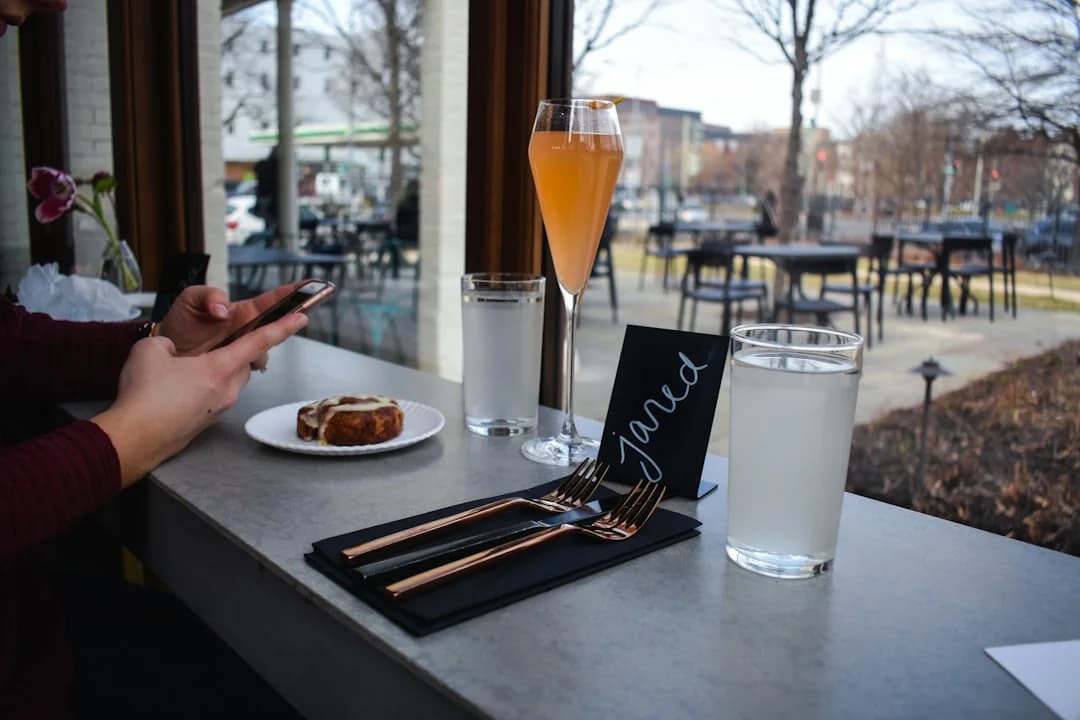
Photo by Jared Arango on Unsplash
In the District of Columbia region, February 2026 delivered a notable wave of restaurant openings that underscore a shifts in concept, scale, and audience. Washington DC February 2026 restaurant openings brought new dining formats—from street-food-inspired Indian fare to Nikkei hand rolls, disco-infused Chinese cuisine, plant-based fast-casual, and a refreshed Race Car Bar concept—across a tight timeline that stretched from February 12 through February 20 and beyond. This burst of openings highlights how operators are balancing experiential dining with efficiency, while neighborhood evolution, real estate dynamics, and consumer demand shape which concepts land where. The news matters because these openings signal where DC-area dining is headed in 2026: more intimate counter-service, more nightlife-driven venues, and more plant-forward options that aim to attract both longtime locals and visitors. For readers following the latest in Washington DC February 2026 restaurant openings, these launches offer a usable snapshot of the market’s current priorities and the urban ecology that supports them. (dc.eater.com)
This month’s openings also come amid a broader context of intense activity in the city’s dining scene. Eater DC’s February 2026 guide captures a concentrated burst of new concepts across multiple neighborhoods, from Capitol Hill to Navy Yard and Logan Circle, reinforcing a pattern of rapid iteration and brand diversification within the District’s restaurant ecosystem. The presence of disco-inspired Chinese concepts, elevated Japanese dining, and plant-based fast-casual expansion aligns with broader market signals observed across the DMV—signals that reflect a consumer appetite for both elevated experiences and accessible, ingredient-forward options. For industry watchers, this February run provides a real-time data point about how capital-area operators are deploying capital, choosing formats, and targeting diverse customer segments during a still-challenging macro environment. (dc.eater.com)
Opening Paragraphs: The Market Pulse in February 2026 The February 2026 openings featured a mix of locations and formats that collectively map a market recalibration in real time. In Alexandria, The Bombay Canteen, a newer Indian street-food concept from veteran operators, opened on Valentine’s Day, February 14, 2026, at 2010 Eisenhower Avenue, bringing a vibrant palette of curries, chaats, and biryanis to a region that has seen rising demand for contemporary South Asian cuisine. The launch signaled a broader trend toward bold, colorful, Instagram-friendly settings that pair comfort with culinary curiosity. In the Capitol Hill corridor, Maru San—Carlos Delgado’s Nikkei-inspired concept—debuted on February 20, 2026, at 325 7th Street SE, offering a four-seat hand-roll counter experience that blends traditional Japanese technique with Peruvian influence, a hallmark of Delgado’s acclaimed repertoire. The same week, a revival of Acqua al 2’s presence returned to Eastern Market, reoccupying 212 7th Street SE after a hiatus, signaling a sense of revival and continuity in a neighborhood with a deep Italian dining lineage. These moves reflect a market appetite for both high-concept experiences and familiar, comfort-forward options in short-order service formats. (dc.eater.com)
Beyond Capitol Hill and Eastern Market, Logan Circle welcomed Katsumi, a neon-lit Japanese concept led by Masaaki “Uchi” Uchino, opening for dinner on February 12, 2026 at 1520 14th Street NW, transforming the former Bar Japonais space with a refreshed, more intimate footprint and a nightlife-friendly vibe that includes DJ programming on weekends. The shift to a more compact, purpose-built counter-and-dining format aligns with a broader industry move toward higher-frequency, guest-ready experiences in walkable urban cores. Also in Logan Circle, the launch of Katsumi’s sibling approach—an approach that emphasizes nimble service and a curated sashimi program—reflects a broader trend of elevating sushi-focused concepts while dialing back on volume in favor of quality and ambiance. (dc.eater.com)
Navy Yard’s Canton Disco added a disco-laced, modern Chinese dining option to the Southeast neighborhood on February 17, 2026, occupying a space formerly home to Pho Junkies at 1025 1st Street SE. Canton Disco’s dual-day persona—serving a daytime cafe program and a full-service, evening dining experience with a DJ-friendly atmosphere—embodies a growing trend toward hybrid concepts that blend casual daytime energy with nightlife-oriented dining. The Canton Disco team includes notable operators from Side Door Pizza and a brigade led by chef Timothy Yu and sommelier Brent Kroll, signaling a convergence of creative Chinese cuisine with a lively, social environment. (dc.eater.com)
Fruitive, the plant-forward fast-casual chain, added a second D.C. location at Market Square (701 Pennsylvania Avenue NW) on February 18, 2026, expanding an existing footprint that has long prioritized organic bowls, smoothies, and wraps. The new Market Square site, at roughly 2,500 square feet, broadens Fruitive’s platform with a more expansive menu and a new footprint designed to accommodate more robust quick-serve dining while maintaining its green, health-oriented ethos. The expansion signals continued consumer demand for plant-forward options within accessible, fast-casual formats in central downtown corridors. (dc.eater.com)
In Capitol Hill, a separate wave of openings added to the week’s momentum. Maru San’s debut on February 20 followed Acqua al 2’s February resurgence, and together they highlighted a shift toward more refined Nikkei and Italian dining in spaces with a storied history in the neighborhood. The Cap Hill revival of Acqua al 2, with reservations available as of February 19, 2026, marks a notable return of a beloved Italian dining concept to its pre-2020 footprint, a narrative echoed by other rebrandings and re-openings across the region that emphasize continuity amid change. (dc.eater.com)
A notable cross-market takeaway from February’s openings is the breadth of neighborhoods involved—from Alexandria’s The Bombay Canteen and Capitol Hill’s Maru San to Navy Yard’s Canton Disco and Logan Circle’s Katsumi. It illustrates a diversified approach to expansion: some operators lean into high-energy, nightlife-friendly formats; others emphasize health-forward, plant-based menus; and still others aim to reclaim or refresh storied spaces with refined, counter-service concepts. This mix aligns with broader industry conversations about how DC-area operators are balancing experience, efficiency, and authenticity in a tight real estate market. (dc.eater.com)
Section 1: What Happened
The Bombay Canteen and Indian Street Food Flair
Opening details and concept
Alexandria welcomed The Bombay Canteen on Valentine’s Day, February 14, 2026, bringing Indian street food flavors to Eisenhower Avenue. The menu emphasizes slow-cooked curries, vada pav, chaats, and biryanis, with homemade gelatos finishing the dessert lineup. The project sits at 2010 Eisenhower Avenue, expanding the DC metro area’s representation of bold, modern Indian cuisine in a market that has shown growing curiosity for global flavors. This launch marks a notable addition to Alexandria’s dining map and reflects a broader push toward colorful, Instagram-friendly dining spaces that pair strong culinary narratives with design-forward settings. (dc.eater.com)
Market and neighborhood impact
The Bombay Canteen’s Alexandria arrival expands the northern Virginia dining landscape’s appeal for Indian street food, complementing existing options and offering a new, destination-worthy experience for weekend visitors and local residents alike. Its positioning in a high-visibility area helps balance the region’s traditional quick-service scene with a more destination-driven, experiential model, which could influence neighboring concepts to experiment with bold cuisine and vibrant decor in a similar zip code pattern. (dc.eater.com)
Katsumi: Logan Circle’s Neon Sushi Breakthrough
Opening details

Photo by Joel Leslie on Unsplash
Katsumi opened for dinner on February 12, 2026, at 1520 14th Street NW, taking over Bar Japonais’ space and rebranding with a sharper Japanese focus, neon-lit interiors, and a nightlife-friendly vibe that includes weekend DJ sets. The counter-service approach emphasizes a tighter seating plan (roughly half the former capacity) with an elevated sushi and sashimi program curated by Masaaki “Uchi” Uchino, a celebrated figure in the regional sushi scene. The Katsumi concept signals a demand for a more intimate, yet lively, Japanese dining experience within a central DC neighborhood, bridging refined technique with a contemporary, lounge-like atmosphere. (dc.eater.com)
Neighborhood and competitive context
Logan Circle’s evolving dining landscape benefits from Katsumi’s arrival, as the space previously occupied by Bar Japonais shifts toward a concept that blends traditional Japanese technique with modern flair. The move illustrates how neighborhoods near commercial corridors are absorbing high-quality, counter-service and lounge-driven formats that attract both after-work crowds and weekend social groups. As competition increases, operators in similar corridors may adjust by prioritizing compact footprints, elevated beverage programs, and creative seating plans to maximize table turnover while preserving ambiance. (dc.eater.com)
Canton Disco: Navy Yard’s Disco-Infused Modern Chinese
Opening details
Canton Disco opened February 17, 2026 at 1025 1st Street SE in Navy Yard, a space previously occupied by Pho Junkies. The concept blends daytime cafe service with a night-time, disco-forward dining experience, guided by chef Timothy Yu and sommelier Brent Kroll. The space aims to offer a lively, accessible approach to modern Chinese cuisine, with a focus on bold garlic-forward dishes and a vibrant, social dining environment. The format’s dual identity—casual by day, immersive by night—points to a broader trend toward flexible, “always-on” restaurant experiences that can adapt to different crowds throughout the day. (dc.eater.com)
Market positioning and implications
Navy Yard has seen a surge of new concepts in recent years, and Canton Disco adds a new layer to the neighborhood’s dining identity: a more energetic, nightlife-oriented dining option that complements existing parks, venues, and tasting rooms. The launch’s timing — mid-February — aligns with DC-area consumers looking for social, destination dining experiences that pair with nearby entertainment and cultural activities. For operators, this underscores the value of combining a robust daytime program with a strong evening identity to drive cross-traffic and longer dwell times. (dc.eater.com)
Fruitive Penn Quarter: Plant-Based Expansion
Opening details

Photo by Stephanie Rhee on Unsplash
Fruitive opened its second DC location in Penn Quarter’s Market Square on February 18, 2026, marking a significant expansion for the plant-based fast-casual brand. The Market Square site spans about 2,500 square feet, offering a broadened lineup of bowls, smoothies, and gluten-free waffles, along with a palette of colorful juices. Fruitive’s growth in the heart of downtown DC reinforces demand for quick, plant-forward options in central business districts, where demand for speed and health-conscious choices remains high. (dc.eater.com)
Strategic significance
The expansion into Market Square complements Fruitive’s CityCenter DC presence, signaling a strategy of leveraging larger-format spaces to capture more foot traffic and cross-customer streams. Plant-based offerings in high-visibility downtown locations align with a broader national trend toward sustainable fast-casual formats that can scale with a relatively lean operating model while maintaining a strong brand identity grounded in freshness and wellness. (dc.eater.com)
Acqua al 2 Returns to Capitol Hill
Opening details
Acqua al 2, the long-standing Italian restaurant originally at Barracks Row and later absent from Capitol Hill since 2020, returned to its former Eastern Market footprint in February 2026, with reports indicating a February 19 reopening and ongoing reservations by mid-month. The revival marks a notable “return to form” for a neighborhood that values Italian dining with a neighborhood-anchored identity. The re-emergence in the 212 7th Street SE location signals a continuity thread in Capitol Hill’s dining scene, where beloved spaces reappear with familiar menus and a renewed sense of place. (popville.com)
Context and expectations
Acqua al 2’s reemergence is part of a broader pattern in the DC metro where iconic spaces are revived or reimagined to leverage existing foot traffic and brand recognition. This trend can influence neighboring spaces—encouraging operators to test new concepts within familiar neighborhoods while also offering a degree of certainty to diners who seek the reliability of established Italian fare in a beloved setting. (popville.com)
Race Car Bar Returns to Clyde’s Chevy Chase
Opening details

Photo by Ian Hutchinson on Unsplash
A notable revival in the Chevy Chase neighborhood was the Race Car Bar’s comeback at Clyde’s Chevy Chase, following a large-scale renovation. The venue, known for its racing memorabilia and iconic car imagery, rejoined the local scene in early February 2026, with live music and an oyster-focused happy hour complementing its dining program. This reopening illustrates the value of heritage spaces that carry memory and character while integrating updated decor and programming to attract both longtime patrons and new guests. (dc.eater.com)
Local impact and implications
The Race Car Bar’s reintroduction contributes to Clyde’s broader strategy of renewing flagship spaces with refreshed experiences that maintain the brand’s identity while adapting to contemporary consumer expectations for atmosphere, music, and social energy. In markets where space is at a premium, the ability to revitalize and remix existing venues can be a faster path to market than launching wholly new builds, particularly when paired with a proven operating model. (dc.eater.com)
The February 2026 Snapshot: Quick Verifications
- Feb 12, 2026 — Katsumi opens in Logan Circle, replacing Bar Japonais (Logan Circle, 1520 14th Street NW). (dc.eater.com)
- Feb 14, 2026 — The Bombay Canteen opens in Alexandria, VA (2010 Eisenhower Avenue). (dc.eater.com)
- Feb 17, 2026 — Canton Disco opens in Navy Yard (1025 1st Street SE). (dc.eater.com)
- Feb 18, 2026 — Fruitive opens a second DC location in Market Square (701 Pennsylvania Avenue NW). (dc.eater.com)
- Feb 19, 2026 — Acqua al 2 reopens in Capitol Hill (Eastern Market area, 212 7th Street SE). (popville.com)
- Feb 20, 2026 — Maru San debuts on Capitol Hill (325 7th Street SE). (dc.eater.com)
- Early February 2026 — The Race Car Bar at Clyde’s Chevy Chase reopens in a renovated space. (dc.eater.com)
Section 2: Why It Matters
Market Signals: What These Openings Say About DC’s Dining Ecosystem
Concept diversification and urban density
The February 2026 openings collectively reflect a strategic diversification of concept types within a tight urban footprint. From Katsumi’s intimate sushi counter to Canton Disco’s disco-forward Chinese menu, and Fruitive’s plant-forward expansion, the market is testing formats that balance ambiance, speed, and culinary novelty. The mix indicates a DC dining ecosystem that rewards both experiential dining and practical, fast-casual options in central neighborhoods where foot traffic and office-worker lunchtime demand are strongest. These patterns underscore a broader shift toward concept fusion and multifunction spaces that can serve different crowds throughout the day. (dc.eater.com)
The role of the DC metro as a dining laboratory
The DC metro area has long served as a testing ground for new restaurant formats that later scale to other major markets. February 2026’s cohort—ranging from high-design counter-service to hybrid day-night venues—reaffirms the city’s role as a laboratory for concepts that combine culinary storytelling with efficient service. The presence of Nikkei, Italian revival, and plant-forward concepts in the same week demonstrates a market tolerance for experimentation across cuisines and service models, which can help illuminate future investment and real estate strategies for operators considering the region. (dc.eater.com)
Labor, real estate, and supply chain implications
From a labor perspective, February 2026 openings bring fresh hiring needs across front-of-house, back-of-house, beverage programs, and events staffing for the nightlife-oriented components of Cantond Disco and Katsumi. For real estate, the ability to reuse established spaces—with Acqua al 2 returning to a familiar Eastern Market footprint and Race Car Bar revitalizing Clyde’s Chevy Chase—suggests a preference for high-visibility corridors with existing infrastructure. And while supply chain disruptions remain a background concern for restaurant openings nationwide, DC’s February run demonstrates operators’ willingness to commit to the market by choosing unique concepts and time-tested spaces that can drive attendance through a coherent brand narrative. (dc.eater.com)
Neighborhood-Specific Impacts and Opportunities
Capitol Hill: A narrative of revival and refinement
Capitol Hill’s mix of Maru San’s Nikkei concept and Acqua al 2’s return to a beloved Italian setting paints Capitol Hill as a neighborhood where revival and refinement can coexist with new, hospitality-forward ideas. The 25-seat Nikkei counter at Maru San embodies a trend toward intimate, high-Quality dining experiences that prioritize chef-driven technique and limited seating to create a sense of exclusivity. This combination of revival and reinvention supports a broader strategy to attract a diverse set of diners who crave both nostalgia and novelty in a compact urban footprint. (dc.eater.com)
Logan Circle: A microcosm of upscale casual
Katsumi’s opening in Logan Circle is emblematic of a broader DC trend toward high-end sushi and elevated Japanese dining in a neighborhood with a history of restaurant rebirths. The space’s rebranding from Bar Japonais to Katsumi signals a strategic emphasis on a more intimate dining environment with a bolder, neon-forward aesthetic and weekend DJ programming. For residents and visitors, the shift expands the neighborhood’s attraction as a dining and nightlife hub, potentially increasing per-capita spend and weekend foot traffic in the broader area. (dc.eater.com)
Navy Yard: A destination for evening dining and social energy
Canton Disco’s Navy Yard debut adds a new layer of nighttime energy to a neighborhood already enriched by waterfront culture, museums, and sports venues. The concept’s daytime cafe component paired with a bold disco-oriented menu and atmosphere supports a longer dwell time for diners who may visit before or after events, aligning with the district’s emphasis on experiential, all-day dining. The presence of high-profile operators and a chef-led program underscores the Navy Yard’s ongoing evolution as a dining destination. (dc.eater.com)
Downtown and Market Square: Expanding plant-based options and resilience
Fruitive’s Market Square expansion is a standout in a downtown landscape where plant-forward options are increasingly expected to be both convenient and accessible. The larger footprint enables the brand to offer a broader lineup while maintaining its core ethos of sustainability, organic ingredients, and quick-service efficiency. The Market Square site—alongside other downtown openings—signals a durable appetite for healthy, fast-casual choices in a high-traffic area that intersects business hours, commuting patterns, and tourism. (dc.eater.com)
The Technology and Experience Layer
How tech and service design intersect with new openings
While the DC metro’s February openings emphasize culinary storytelling and ambiance, the underlying tech and service design elements matter too. In modern urban dining, elements such as counter-service formats, compact footprints, and hybrid day-to-night operations require careful operational design—especially when dealing with high foot traffic and multi-night activity. Katsumi’s more intimate seating arrangement, Canton Disco’s disco-infused evening program, and Fruitive’s scaled-down branding across a larger footprint illustrate how operators balance guest flow, kitchen efficiency, and experiential cues to maximize throughput without sacrificing quality. These patterns align with how modern urban restaurants leverage design and operations to support a resilient service model in a competitive market. (dc.eater.com)
Section 3: What’s Next
What to Watch: The Next Phase of DC February 2026 Openings
Near-term milestones and openings to monitor
Given the February 2026 opening slate, several near-term milestones merit attention. Katsumi’s ongoing integration into Logan Circle’s dining scene will be watched for early feedback on the micro-neighborhood impact, seating utilization, and the balance between sushi execution and the lounge atmosphere. Maru San and Acqua al 2 will likely begin building guest rapport through curated experiences and repeat visits, testing whether their refined formats translate into sustained traffic in Capitol Hill. Canton Disco’s ongoing operation will reveal how the disco-forward concept holds up through late-night periods and whether the daytime cafe program successfully expands its cross-traffic. Fruitive’s Market Square location should begin to show how much demand exists for plant-forward quick-serve in a central market setting, including the pace of lunch and dinner business. (dc.eater.com)
Longer-term considerations and potential follow-ons
As DC’s February 2026 openings mature, several longer-term themes may emerge. The resilience of plant-forward concepts in downtown corridors could influence more landlords to prioritize green, sustainable menus in new builds or refreshed spaces. The revival of Acqua al 2 may encourage additional Italian concepts to re-enter established DC neighborhoods, reinforcing a pattern of heritage brands returning with renewed energy. And Canton Disco’s model of daytime-to-nighttime adaptability could inspire more hybrid spaces in urban markets where entertainment, dining, and social life intersect. Observers will want to track how labor markets, supplier relationships, and local permitting processes adapt as more operations normalize post-opening. (dc.eater.com)
What Readers Should Do Next
For readers who want to stay informed about Washington DC February 2026 restaurant openings and related market trends, following industry coverage from DC-focused outlets like Eater DC is essential. The February 2026 openings wave offers an instructive case study in how urban dining ecosystems respond to evolving consumer preferences, real estate dynamics, and competitive pressure. In addition to evolving openings, paying attention to neighborhood-level changes, such as Acqua al 2’s return to Capitol Hill or Fruitive’s Market Square expansion, will provide valuable context for assessing the city’s broader dining trajectory in 2026 and beyond. For the most up-to-date details, check ongoing coverage and updates from reputable local outlets and dining-industry trade coverage. (dc.eater.com)
Closing As the District continues to absorb these new concepts, Washington DC February 2026 restaurant openings will likely influence how operators approach menu design, seating strategy, and cross-traffic optimization in urban cores. The momentum behind specialty concepts—Nikkei-inspired Maru San, neon-Katsumi, Canton Disco’s disco-forward approach, and Fruitive’s plant-forward expansion—reflects a market that remains hungry for innovation while valuing spaces that can deliver consistency and memorable experiences. Readers who want to understand the region’s evolving dining landscape should expect ongoing coverage throughout 2026, as these openings mature, expand, and interact with DC’s dynamic neighborhoods. Stay tuned to local dining coverage for real-time updates on menus, hours, and reservations in the wake of these February 2026 restaurant openings. (dc.eater.com)