Ward 7 Shared Commercial Kitchen Grant Expands Access

Photo by Odiseo Castrejon on Unsplash
In a move to expand food entrepreneurship and improve access to commercial kitchen space in Ward 7, the DC Office of Planning announced on April 14, 2026, a grant of $100,000 to the Greater Washington Urban League to support the creation of a Ward 7 shared commercial kitchen. The announcement marks a concrete step in implementing neighborhood planning priorities and addressing barriers that local food businesses face when trying to scale production and reach new markets. The news arrives as part of a broader District effort to strengthen food systems in Ward 7 by linking existing kitchen facilities with promising food entrepreneurs, a strategy the Office of Planning framed as both practical and scalable. This is not a standalone investment; it is tied to ongoing Ward 7 planning initiatives and cross-agency collaboration aimed at expanding access to healthy, locally produced options while driving economic development. The grant’s immediate impact is measured not only in the $100,000 allocation but in the way it catalyzes partnerships between kitchen operators and aspiring food business owners, with the potential to create job opportunities and diversify local food retail. (planning.dc.gov)
The grant program will connect Ward 7 food businesses with existing commercial kitchen spaces, offering technical assistance to up to five Ward 7 entrepreneurs to help them navigate licensing, inspections, and business planning. By enabling non-structural upgrades and streamlining permit readiness, the project aims to activate underutilized kitchen spaces and produce a replicable shared-kitchen model that could inform future District-wide kitchen initiatives. Greater Washington Urban League’s experience in business advising and operational support will be central to the effort, ensuring operators and entrepreneurs can develop sustainable, revenue-generating models within the shared kitchen framework. Anita Cozart, Director of OP’s Food Policy Division, underscored that access to affordable commercial kitchen space has long been a barrier for small food businesses, and this grant directly targets that constraint. “We learned from a survey of food businesses that access to affordable commercial kitchen space is a major barrier,” she said, highlighting the program’s data-driven motivation and the community-driven impetus behind the funding. (planning.dc.gov)
This initiative also aligns with Ward 7’s broader planning and economic development objectives. The Office of Planning’s release notes that the Ward 7 Shared Commercial Kitchen Grant is part of a continuum of planning work, including the Nannie Helen Burroughs Corridor Small Area Plan, the Pennsylvania Avenue East Small Area Plan, and the Deanwood Comprehensive Community Development Model. The intent is to strengthen local food systems, support small-business development, and expand access to fresh food retail in Ward 7, with a goal of establishing a replicable model for future shared kitchens across the District. The program’s design reflects an emphasis on equity and resilience, aiming to create tangible economic opportunities for residents and to demonstrate a scalable approach for other wards. GWUL’s leadership emphasized that the project will help activate underutilized kitchen spaces, provide essential technical assistance, and support entrepreneurs as they grow sustainable food businesses. (planning.dc.gov)
Section 1: What Happened
Announcement Details
On April 14, 2026, the Office of Planning announced a grant of $100,000 to the Greater Washington Urban League to support the creation of a Ward 7 shared commercial kitchen. The project is intended to link Ward 7 food businesses with existing commercial kitchen spaces and to fund minor upgrades, licensing readiness, and ongoing technical assistance. The award follows a structured funding process designed to promote equitable access to kitchen infrastructure and to support up to five Ward 7 entrepreneurs through the establishment of a shared kitchen model. The release highlighted the partnership between OP, GWUL, and local kitchen operators as central to achieving the program’s objectives. The public-facing statement also noted that the effort was aligned with the District’s broader planning framework and food policy initiatives. (planning.dc.gov)
Timeline and Key Milestones
The Ward 7 Shared Commercial Kitchen Grant is embedded in a formal District process with clearly defined dates. The NOFA (Notice of Funding Availability) for the grant was released by the DC Office of Planning on December 3, 2025, signaling the District’s intent to fund a single organization to support kitchen operators, identify upgrades, and provide support to local entrepreneurs. The NOFA specified that awards could include up to $100,000 and that the grant period would run from January 2026 through September 30, 2026, with reporting requirements throughout the term. The RFA (Request for Applications) later provided more granular milestones: an anticipated January 2026 award, a January 2026 to September 30, 2026 grant period, and two reporting periods—an initial report roughly 90 days after funds are awarded, and a final report due October 31, 2026. The RFA also indicated a virtual pre-bid conference on December 11, 2025, and an application deadline around early January 2026 (January 7, 2026 at 3:00 pm). These milestones establish a tight but transparent path from funding announcement to program execution. (communityaffairs.dc.gov)
Funding Scope and Deliverables
The Ward 7 Shared Commercial Kitchen Grant is structured to fund one organization with up to $100,000. The deliverables are concrete: establish one or more shared commercial kitchens in Ward 7; provide technical assistance to at least five Ward 7 food entrepreneurs; support upgrades necessary for licensing or inspection readiness; and deliver documentary materials that codify the best practices for scaling a shared kitchen in the District. The grant is designed to be time-bound, with the project completing its major tasks within a nine-month window (January 2026 to September 30, 2026) and with performance tracking through two reporting periods, culminating in a final report due by October 31, 2026. The RFA also stresses ongoing governance and oversight, including monthly grant check-ins and progress reporting, ensuring accountability and continuous alignment with program objectives. GWUL’s leadership and OP’s Food Policy Division will coordinate these efforts, leveraging technical assistance providers to advance both operational readiness and business development for participating entrepreneurs. (communityaffairs.dc.gov)
Partners and Oversight
The grant arrangement centers on a partnership between the DC Office of Planning and the Greater Washington Urban League, with the GWUL serving as the grantee and technical support partner for kitchen operators and Ward 7 entrepreneurs. The Office of Planning’s leadership emphasizes that the project will deploy a replicable model to guide the development of future shared kitchens across the District. In addition to GWUL, the initiative will utilize support from District agencies and local partners including the DC Health Department and the Department of Licensing and Consumer Protection to facilitate licensing and inspections, as well as DSLBD’s Innovation and Equitable Development resources for business development. The RFA explicitly identifies these entities as potential sources of assistance to participating entrepreneurs, underlining the District’s coordinated approach to food entrepreneurship across agencies. (communityaffairs.dc.gov)
Section 2: Why It Matters
Expanding Access and Economic Opportunity in Ward 7
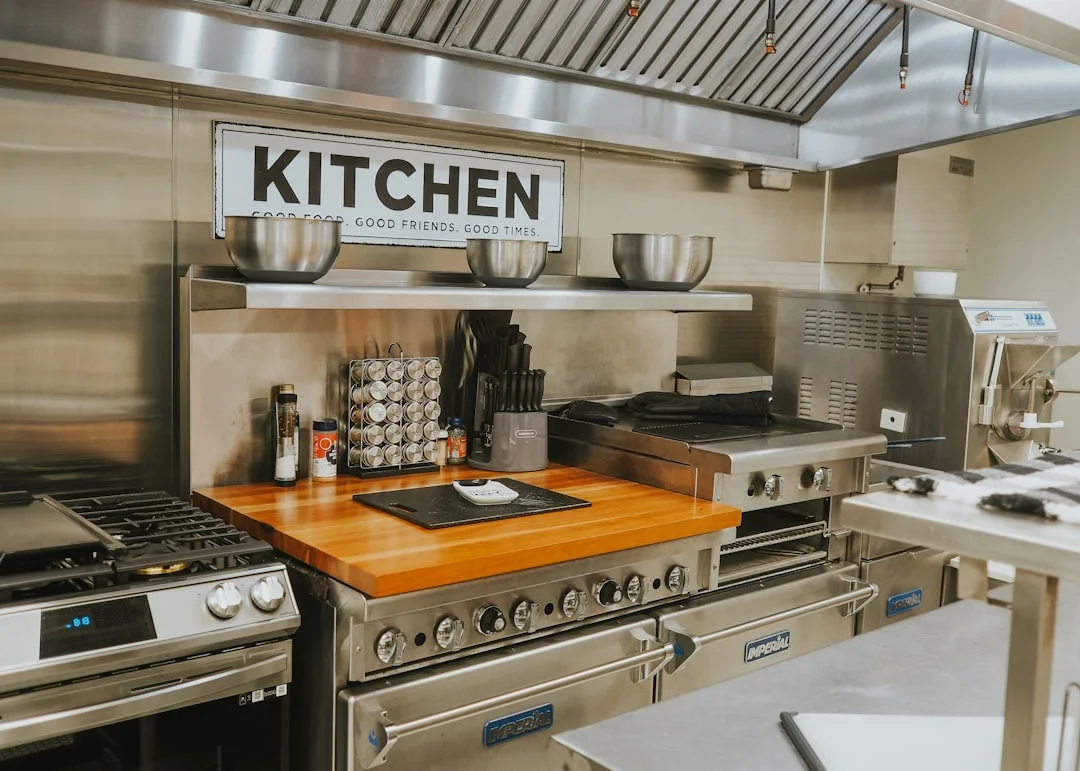
The Ward 7 Shared Commercial Kitchen Grant is designed to address a core barrier for food entrepreneurs: access to affordable, functional, and certifiable kitchen space. By connecting Ward 7 operators with existing kitchens and funding minor upgrades, the program lowers the barrier to entry for small food businesses seeking to scale production and enter new markets. Anita Cozart summarized the impact by noting the need identified through a District survey of food businesses and the opportunity to turn underutilized kitchen spaces into productive assets. The grant not only enables immediate operational improvements but also lays the groundwork for a sustainable shared-kitchen ecosystem that can create jobs, increase local food production, and support neighborhood food access. This aligns with ongoing District priorities to strengthen local corridors and diversify the food economy in Ward 7. (planning.dc.gov)
Alignment with Ward 7 Plans and Food Policy
OP’s Ward 7 implementation and planning work sits at the center of a broader strategy to knit together land use, economic development, and food policy. The Ward 7 Small Area Plans — including the Nannie Helen Burroughs Corridor and Pennsylvania Avenue East initiatives — emphasize improving food access and supporting small businesses as levers of neighborhood vitality. The Ward 7 Shared Commercial Kitchen Grant translates those planning goals into a tangible program with measurable deliverables, including at least five Ward 7 food entrepreneurs operating from shared kitchens and documentation that can guide replication elsewhere in the District. The program’s focus on equity and local food systems is consistent with the District’s long-standing emphasis on inclusive growth and community-based economic development. (communityaffairs.dc.gov)
Broader DC Food Economy Context
Beyond Ward 7, the District has a broader framework to support food access and local entrepreneurship through a network of partnerships and grant programs. The Ward 7 Shared Commercial Kitchen Grant is part of a continuum of District investments aimed at expanding access to food production capacity, improving retail options, and fostering neighborhood-based economic activity. The DC Office of Planning’s move to formalize a replicable kitchen model echoes districtwide efforts to promote small business resilience and to leverage existing assets (like underused commercial kitchens) to boost neighborhood economies. This approach complements related District initiatives and laws, including food-access funding mechanisms that target specific wards and neighborhoods, while aligning with overarching economic development strategies. (planning.dc.gov)
Real-World Implications for Stakeholders
For Ward 7 residents and prospective food entrepreneurs, the grant promises clearer pathways to licensing, compliant operation, and sustainable kitchen usage. For current kitchen operators, the program creates a potential revenue stream through shared-use arrangements and a structured mechanism for onboarding entrepreneurs. For local communities, the expanded capacity for food production and retail can translate into improved access to fresh, locally produced products and increased economic activity around Ward 7 commercial corridors. The program’s design intentionally emphasizes a replicable model, so if successful, District planners anticipate applying the framework to other wards where kitchen access and food entrepreneurship face similar barriers. The emphasis on measurable deliverables and scheduled reporting also provides a guardrail of accountability and a data-driven basis for extending or adapting the program in the future. (communityaffairs.dc.gov)
Section 3: What’s Next
Next Steps for Ward 7 Kitchen Operators and Entrepreneurs
The RFA makes clear that a rigorous process accompanies the grant, including a virtual pre-bid conference (held December 11, 2025) and a formal submission window with a January 7, 2026 deadline for applications. The successful applicant—anticipated to be announced in January 2026—will be responsible for identifying an appropriate existing kitchen space in Ward 7, advising on minor upgrades to meet permitting and licensing requirements, and delivering technical assistance to Ward 7 food entrepreneurs to help them leverage shared kitchen space for growth. Once funded, the grantee will coordinate with local kitchen operators and Ward 7 entrepreneurs to ensure a smooth transition to shared-use arrangements and to establish the operational framework, including rental agreements, booking software, insurance, and safety measures. The project’s deliverables include one or more kitchens operating as a shared facility, five or more entrepreneurs served, and documented best practices to guide future replication. The timeline envisions initial awards in January 2026 and ongoing activity through September 2026, with monthly check-ins to monitor progress. (communityaffairs.dc.gov)
Monitoring, Reporting, and Long-Term Outlook
Two reporting periods are embedded in the grant structure: a first report roughly 90 days after funds are awarded and a final report due by October 31, 2026. This framework ensures early course-correcting opportunities and a comprehensive synthesis of lessons learned at the program’s end. The grant agreement will formalize funding restrictions, programmatic requirements, and reporting documentation, while allowing for potential advance payments if the grantee demonstrates appropriate oversight and progress. The District’s approach also emphasizes collaboration with multiple agencies to support licensing, insurance, and business development services, helping ensure that participating entrepreneurs have access to a holistic support network during the grant period. The overarching aim, as stated in the RFA, is to create a replicable model for shared kitchens in Ward 7 that can be scaled to other neighborhoods, illustrating a future in which District resources effectively unlock underutilized assets for neighborhood benefit. (communityaffairs.dc.gov)
What to Watch For and How to Stay Informed
As the District moves from announcement to execution, readers should monitor updates from the Office of Planning and the GWUL for progress on kitchen activation, business onboarding, and any adjustments to the program’s scope or timeline. Key milestones to watch include the January 2026 award announcement, the initiation of kitchen upgrades and licensing readiness activities, the onboarding of Ward 7 food entrepreneurs, and the establishment of the first shared kitchen space operating under the new model. The program’s success will also hinge on continued alignment with Ward 7 planning initiatives and the degree to which the replicable kitchen framework can be adapted to different building types and neighborhoods within the District. (planning.dc.gov)
Closing
The Ward 7 shared commercial kitchen grant represents a focused, data-informed effort to connect urban planning with real-world business development. By pairing a $100,000 investment with targeted technical support and minor upgrades to existing kitchen spaces, the District aims to unlock new production capacity, boost local food entrepreneurship, and strengthen Ward 7’s economic resilience. The initiative is grounded in formal planning documents and a transparent funding process, with clear milestones and accountability measures designed to ensure that the grant’s impact is measured, replicable, and scalable. As Ward 7 prepares to welcome its first wave of shared-kitchen operators and entrepreneurs, community members, industry observers, and local stakeholders will be watching closely to assess how effectively this model supports both small-business growth and improved access to fresh, locally produced food in the heart of Washington, DC.
If you’re interested in following the Ward 7 Shared Commercial Kitchen Grant, keep an eye on updates from the DC Office of Planning, the Greater Washington Urban League, and Ward 7 community organizations, which will provide ongoing information on grant activities, milestones, and opportunities for local businesses to participate in the shared kitchen program. The District’s commitment to equitable access to kitchen infrastructure and the growth of Ward 7’s food economy will depend on continued collaboration, transparent reporting, and the ability to translate planning insights into tangible, on-the-ground results. (planning.dc.gov)